
war-stories7.835 min read
Ukraine Strikes Russia Using US-Supplied Weapons
1 year ago•Source: Slate

The latest war stories stories, summarized by AI
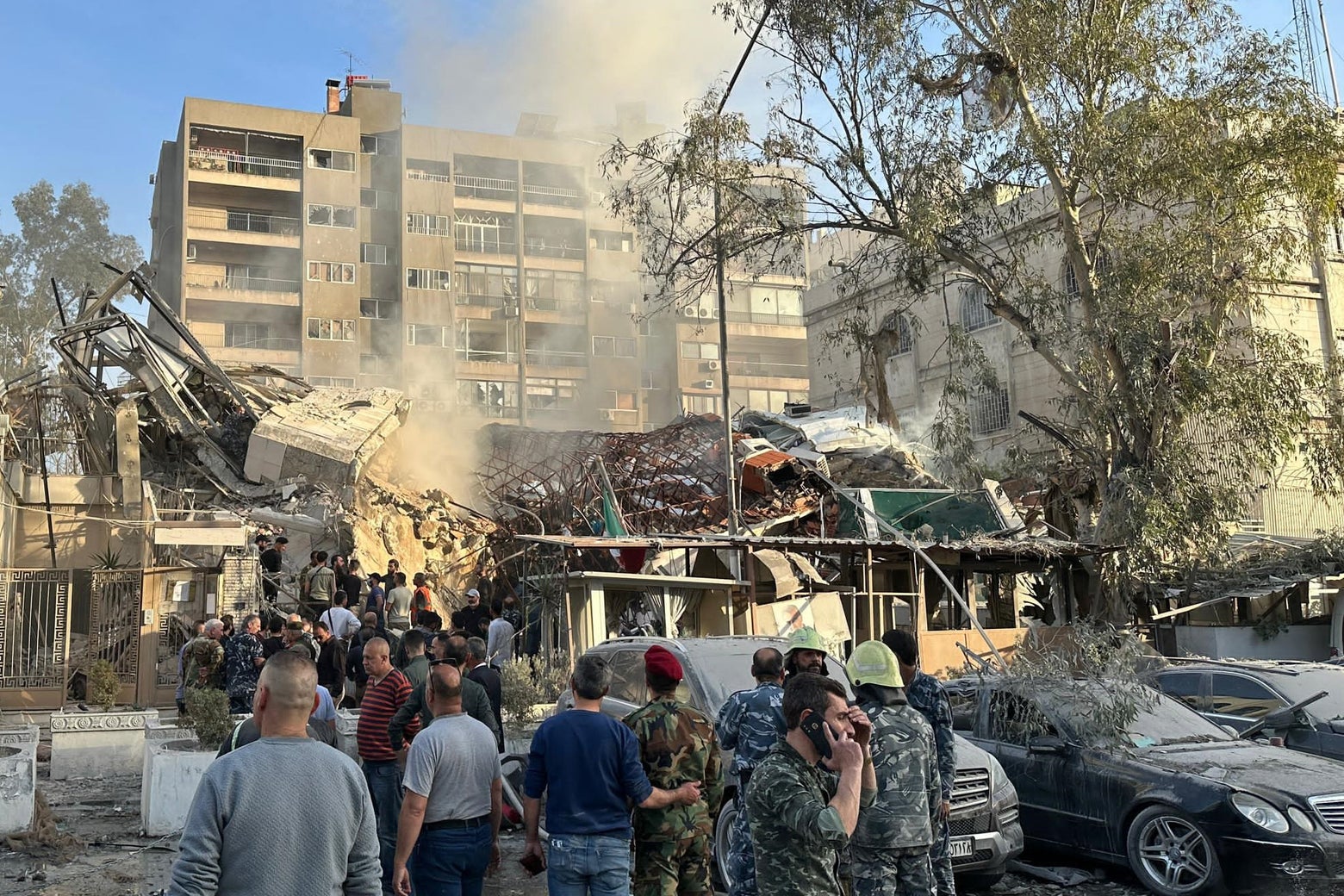
Iran has vowed to retaliate against Israel for an attack on its consulate in Syria, potentially escalating the conflict in the Middle East. The situation is delicate, with the possibility of a widening war in Gaza and potential involvement of the United States. Israel has been put on high alert, and the outcome depends on the actions of both Iran and Israel, as well as potential U.S. involvement. Meanwhile, there are also signs of a possible Israel-Gaza cease-fire, but the situation remains tense and uncertain.
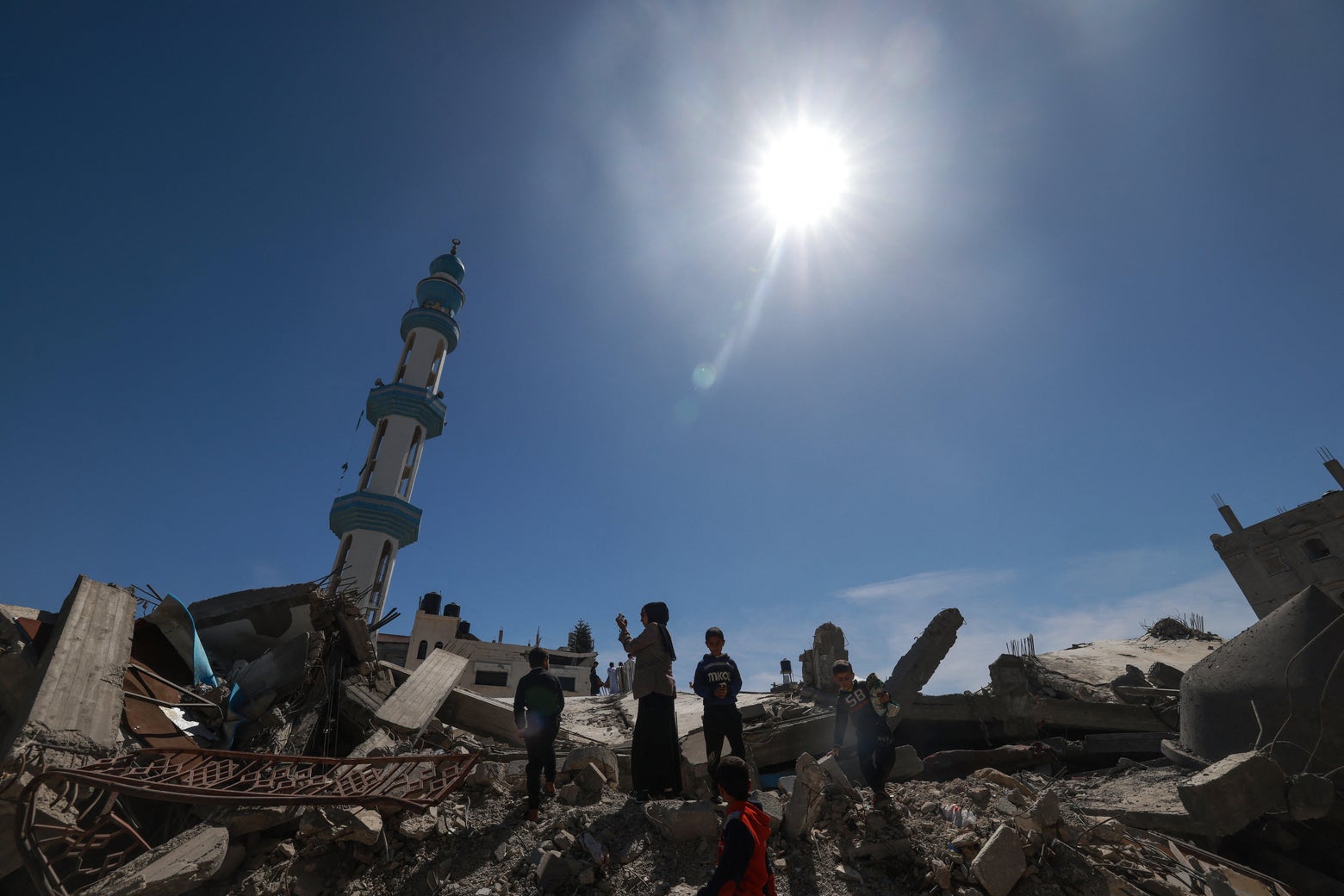
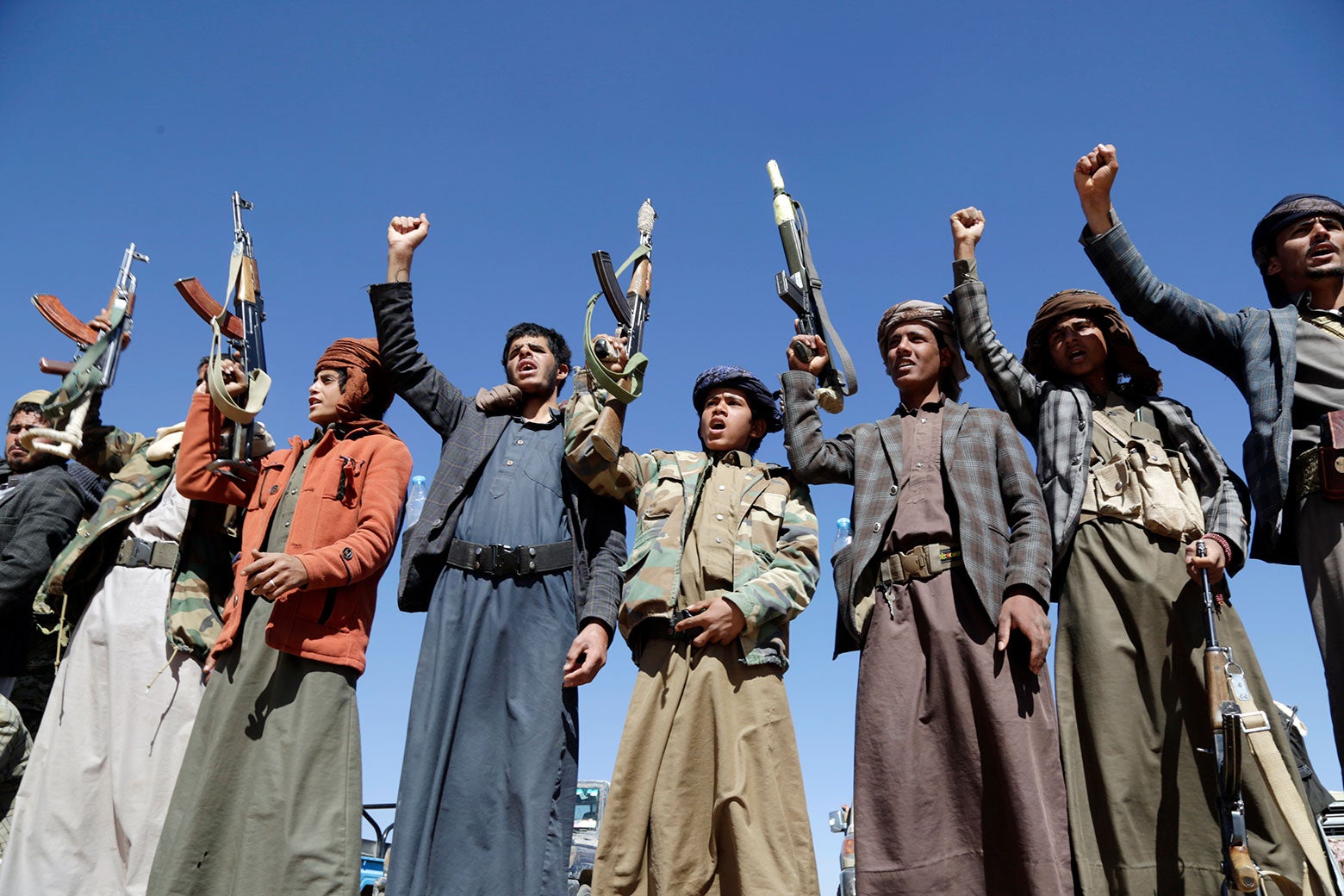
The Biden administration's decision to designate the Houthis as a "specially designated global terrorist group" is unlikely to have the intended effect of pressuring the group to change its behavior and distance itself from Iran. The move may instead embolden the Houthis and Iran, as the sanctions are unlikely to significantly impact their activities. The designation has not deterred the ongoing attacks on ships, and the sanctions may end up hurting the Yemeni people without effectively influencing the Houthis' behavior.
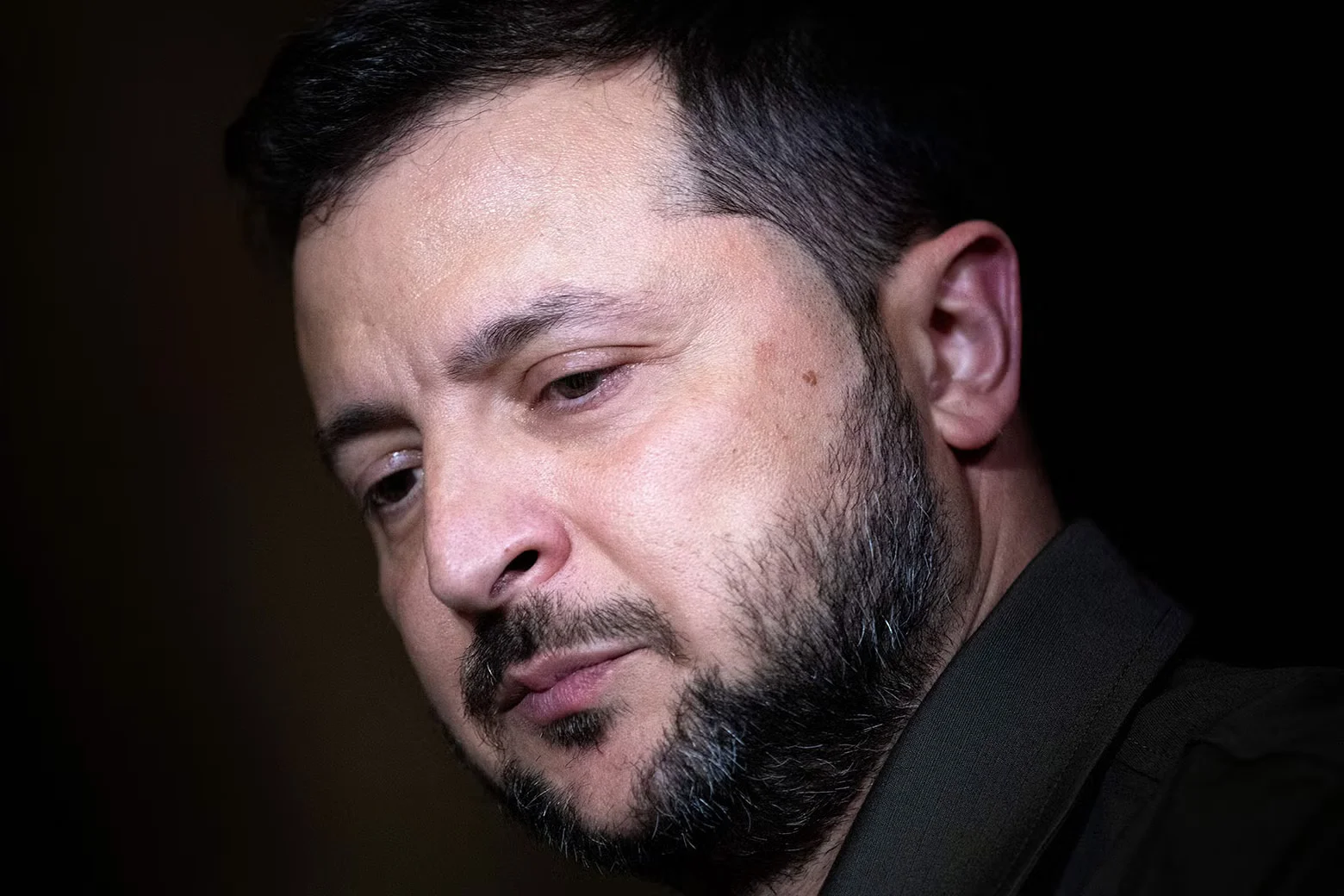
Congressional Republicans are threatening to halt U.S. aid to Ukraine unless Democrats help pass a bill that strengthens America's Southern border, potentially giving Russian President Vladimir Putin a victory in the ongoing war. President Joe Biden had included funding for border security in an emergency budget request that also included aid for Ukraine, Israel, and Taiwan. Republicans seized on this opportunity to demand approval of their own hard-line version of border security as a condition for aid to Ukraine. The war in Ukraine is at a stalemate, and there are doubts about the wisdom of continuing the fight. The standoff in Congress could have significant implications for the 2024 elections and risks undermining U.S. support for Ukraine.
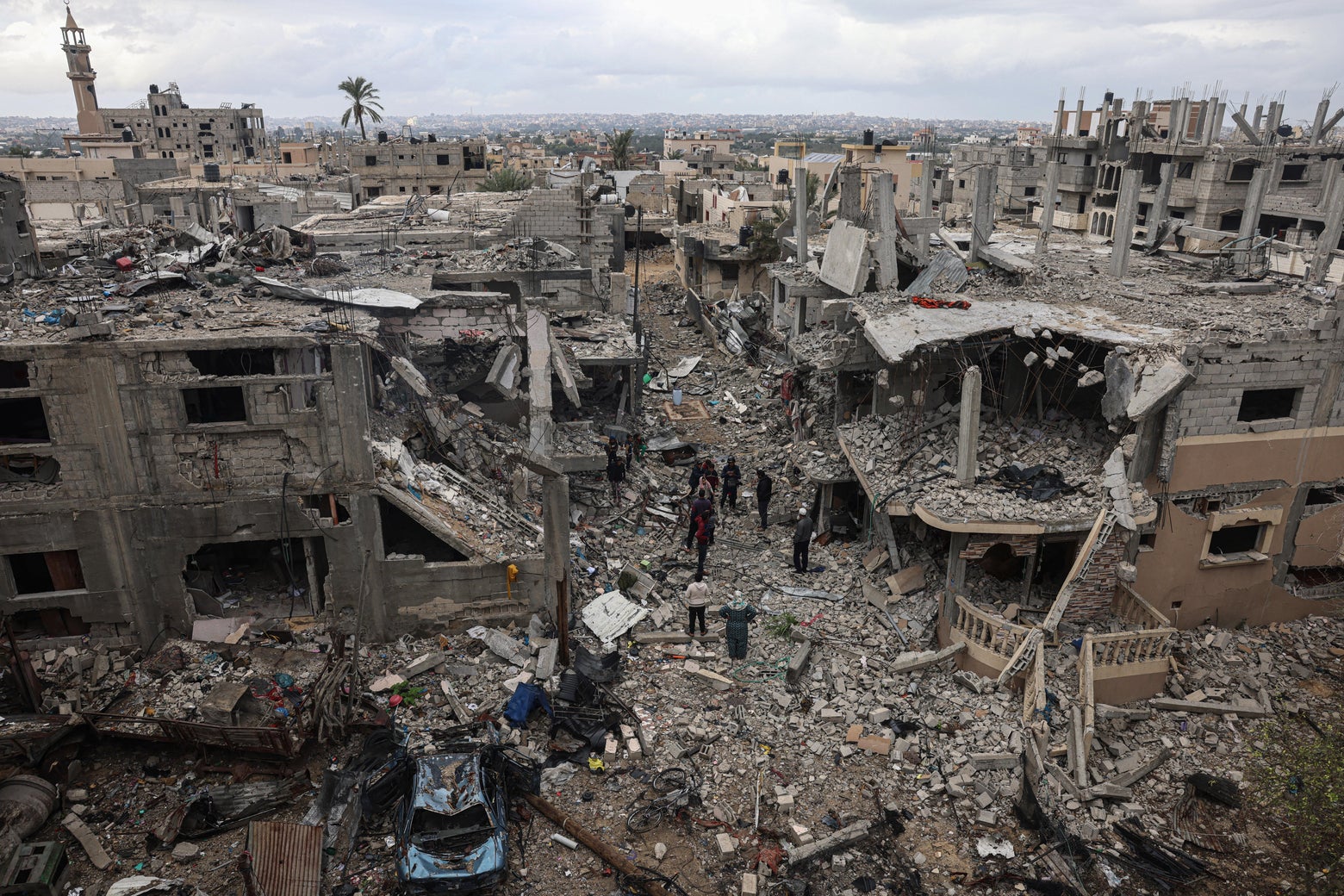
The United States and Israel are at odds over whether to extend the cease-fire in the war on Hamas. President Joe Biden wants to prolong the pause in fighting to minimize casualties among Gazan civilians and allow aid to flow in, while Prime Minister Benjamin Netanyahu and his emergency war Cabinet want to resume the fighting. Extending the cease-fire would require Hamas to release all hostages, and moderate Arab countries need to get involved in Gaza and strengthen the Palestinian Authority to de-fang Hamas. Netanyahu's departure is seen as key to resolving the conflict, as his government has expanded settlements and shown no interest in negotiating a peaceful solution. Stopping the war would also help combat the rise in antisemitic incidents and the risk of Islamist attacks in the West.
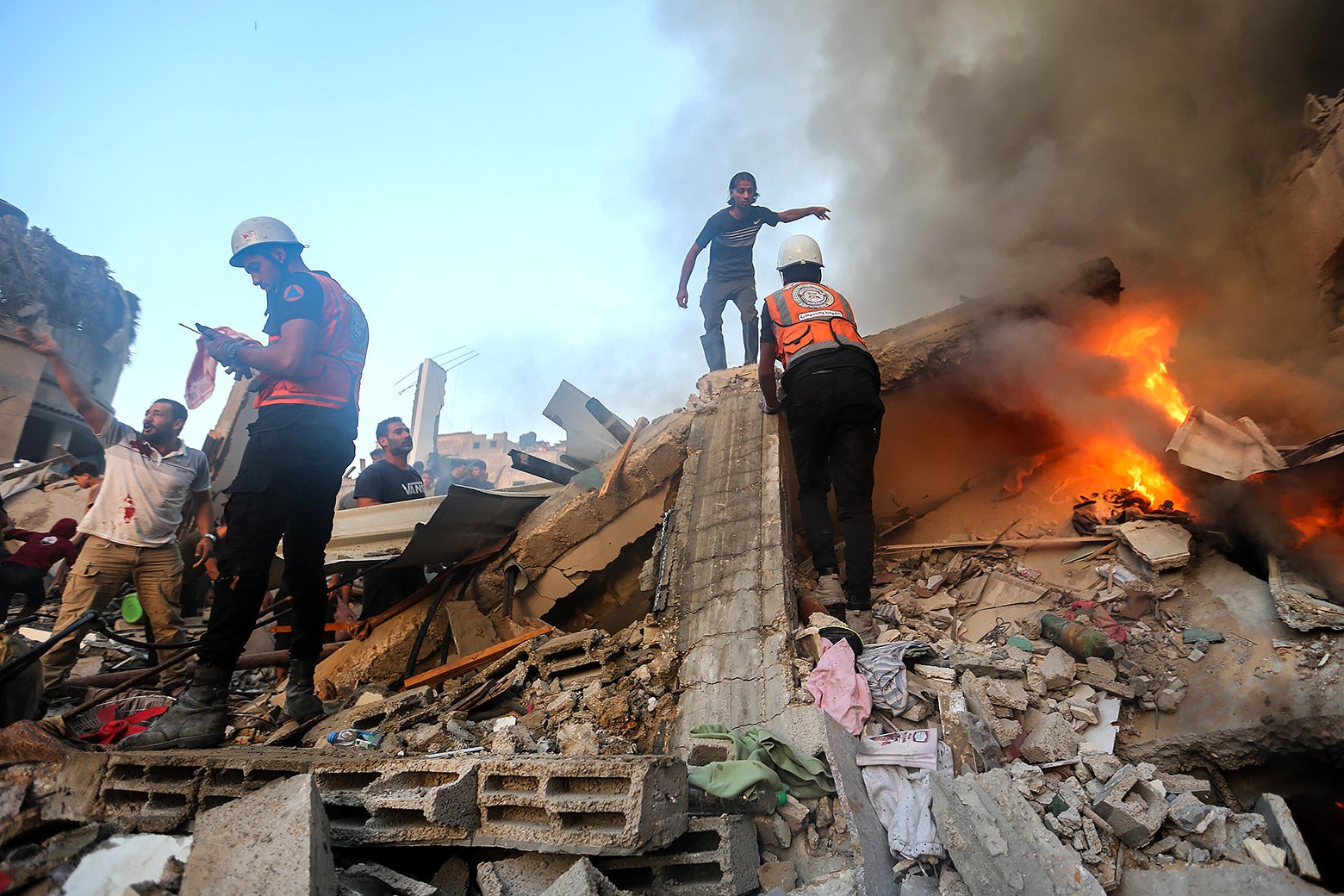
The Israel-Hamas war shows no signs of ending due to three main reasons. First, both sides have maximalist goals that are unachievable. Second, neither side's leaders are willing to compromise. Third, outside pressure is needed to moderate the goals of the two combatants, but there are limits to what outsiders can do. The neighboring Arab nations make declarations of support for Palestinians but do little to help. The US has urged Israel to reduce civilian casualties but continues to provide military aid. The European Commission has presented principles for the post-war period, but it remains unclear how they can be enforced. The ongoing conflict risks damaging Israel's international support and may have long-term consequences.
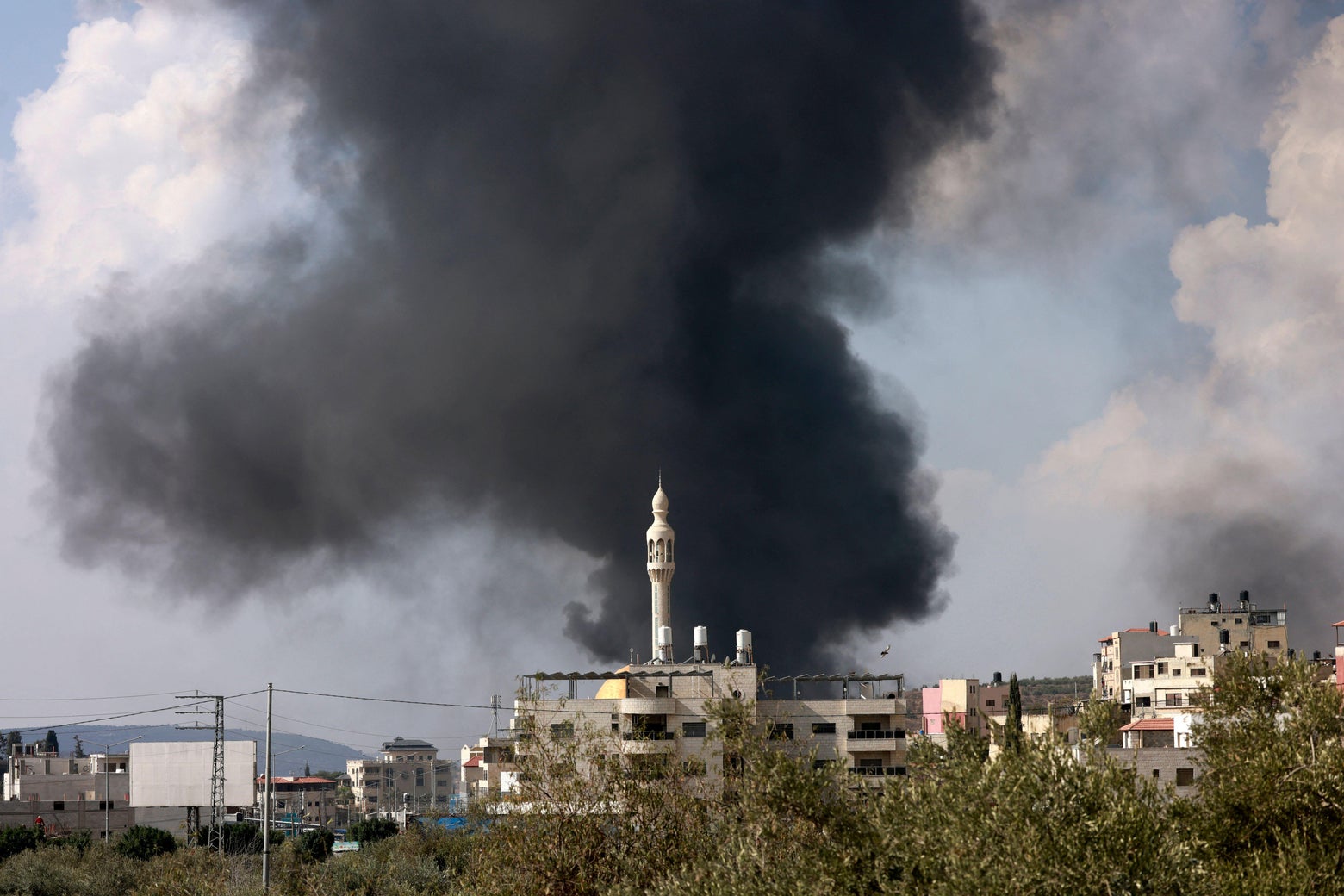
Israeli officials must publicly denounce, arrest, and prosecute Jewish settlers who have been killing Palestinians in the West Bank to dissociate the Israeli government from these killings and demonstrate a commitment to protecting innocent Palestinians. Failure to do so risks the world concluding that Israel endorses or tolerates these killings, eroding its moral authority and drawing moral equivalences between Israel and Hamas. The violence by settlers has intensified since Hamas' attack, with over 120 Palestinians killed and 800 forcibly expelled from their homes.
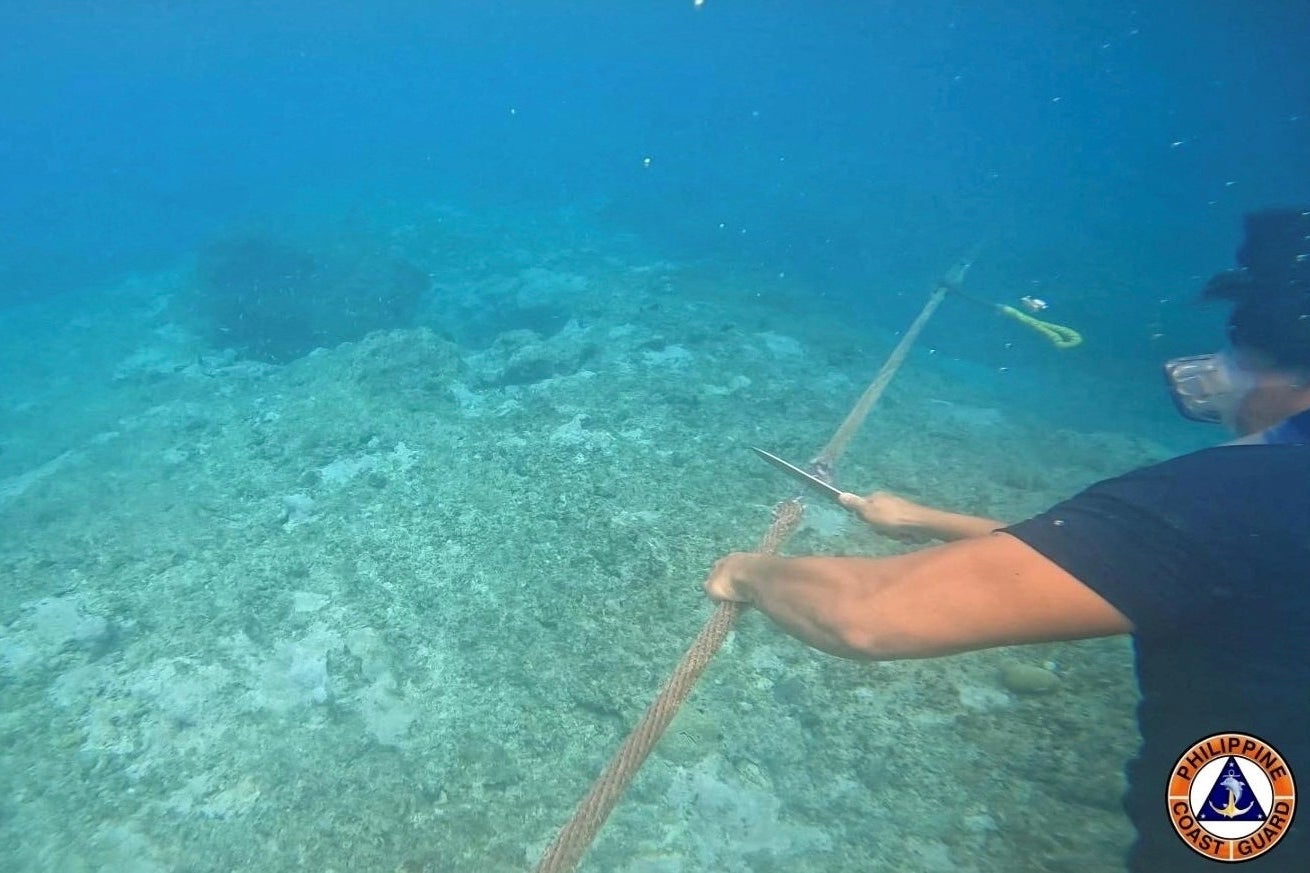
The removal of a Chinese barrier by the Philippine Coast Guard in the South China Sea has not led to war, raising questions about China's response to challenges to its dominance in the region. The action was legally and morally justified, as the barrier violated international law and hindered Philippine fishing boats. While some Chinese officials denounced the move as a threat to national sovereignty, others advised against provocation. China's territorial disputes in the South China Sea have been ongoing since World War II, but tensions escalated in 1996 and 2016. The Philippines' bold action may be influenced by increased support from the United States, which could impact future maneuverings in the region.
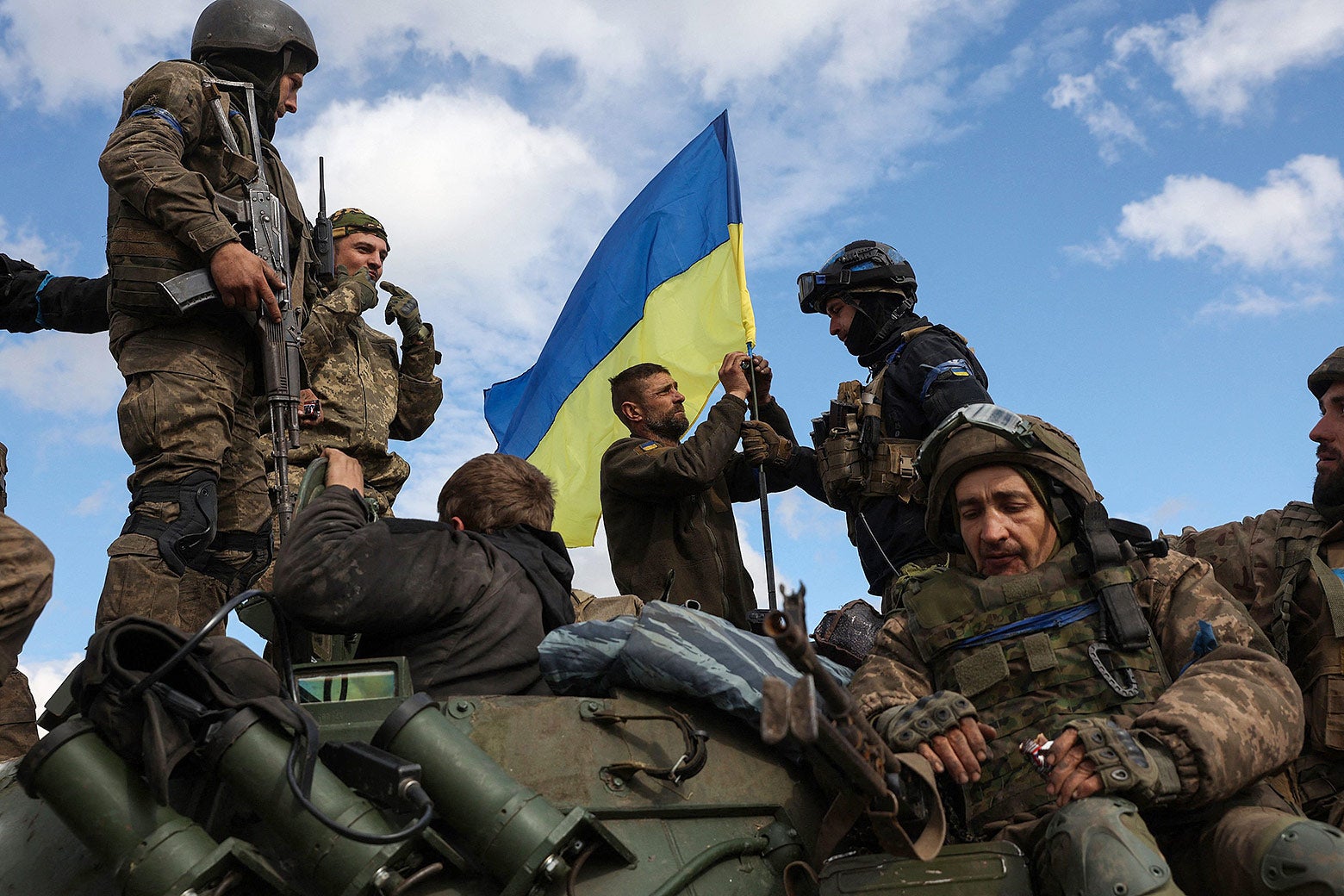
Some commentators and a U.S. official have suggested that President Joe Biden missed an opportunity to diplomatically end the war in Ukraine. However, there is no evidence that Russian President Vladimir Putin was ready or open to a negotiated settlement. Putin's retreat from Kherson made it less likely that he would respond favorably to negotiations, and he did not even bother to issue a counteroffer to Ukrainian President Volodymyr Zelensky's peace proposal. General Mark Milley's remarks about the need for mutual recognition of the unlikelihood of military victory were misinterpreted, and he acknowledged that the counteroffensive had not run its course yet. The Biden administration is grappling with the question of what to do if a negotiated settlement is not possible.
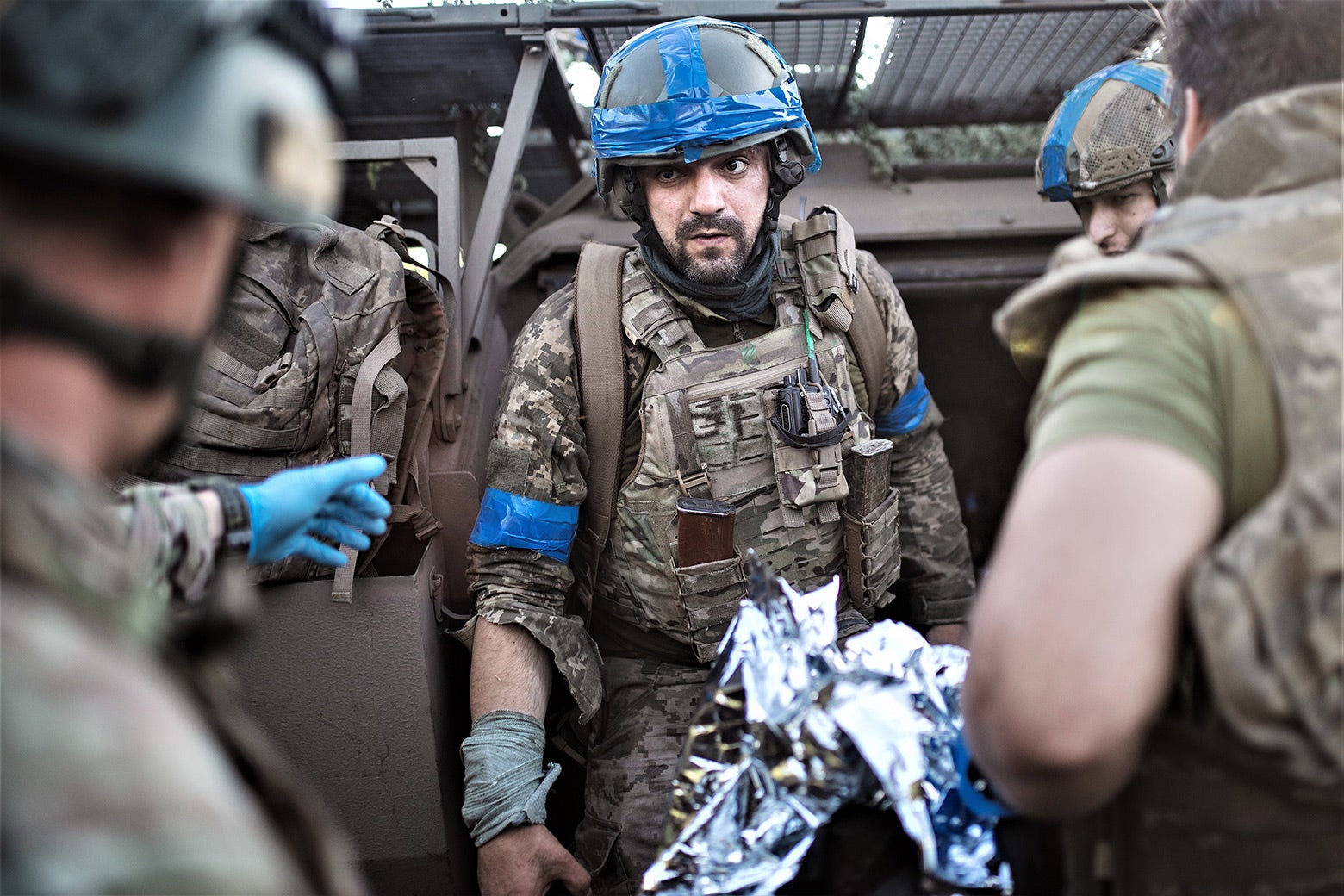
Ukraine is rebooting its summer offensive against Russia after their initial attempt went poorly. The Russian defense proved more effective than expected, while the Ukrainian troops, including inexperienced recruits armed with modern tanks, struggled to coordinate and perform well. The latest phase of the offensive involves smaller groups probing possible weaknesses in Russia's defenses, with a focus on breaking through in the south. The Ukrainians are in need of supplies such as night vision gear, spare parts, 3D printing equipment, and artillery shells. The war remains an attrition strategy, with no signs of impending victory on either side. Political developments and potential impatience from Western leaders and voters may impact the course of the war.
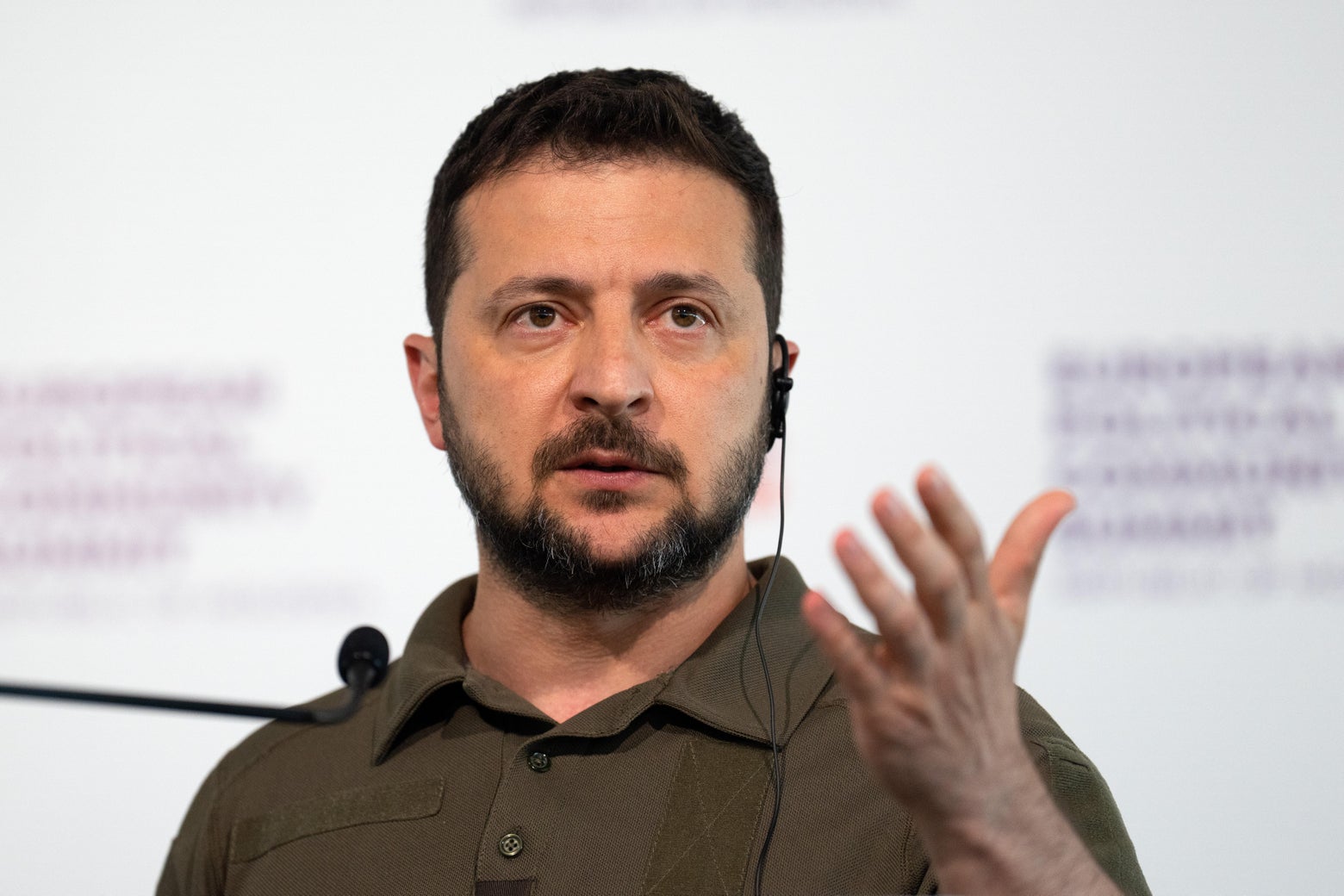
While Ukraine's army has demonstrated its ability to integrate with NATO's weaponry, infrastructure, training, and tactics, there are other prerequisites that Ukraine has not satisfied, including stable borders and a commitment to the peaceful resolution of conflicts. Additionally, Ukraine is preoccupied with its own war and unable to help other member-states, and bringing Ukraine onboard would mean expanding the scope of a war already in motion. NATO membership probably will happen at some point, but for several institutional and practical reasons, now is not the time.
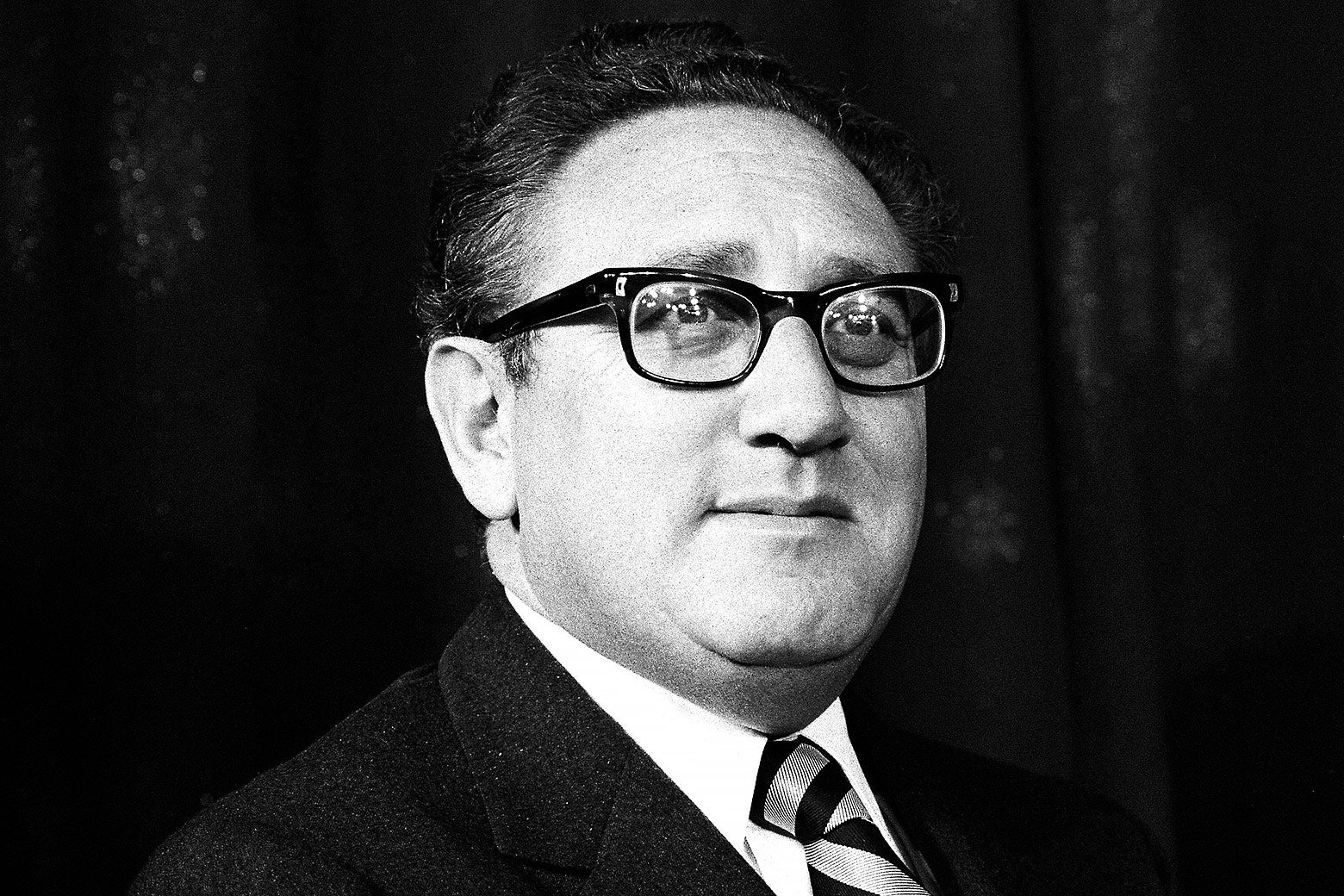
The National Security Archive has reissued 38 documents from Henry Kissinger's time as national security adviser and secretary of state to Presidents Richard Nixon and Gerald Ford. Kissinger was the chief architect of the U.S. policy to destabilize the regime of Chile’s democratically elected socialist president, Salvador Allende, and gave full support to Augusto Pinochet, the Chilean general who mounted the coup overthrowing Allende in September 1973. Kissinger also turned a blind eye to Operation Condor, an assassination operation against left-wingers throughout much of Latin America, and gave a green light to Indonesia’s 1975 invasion of East Timor, which resulted in the killing of more than 100,000 civilians.