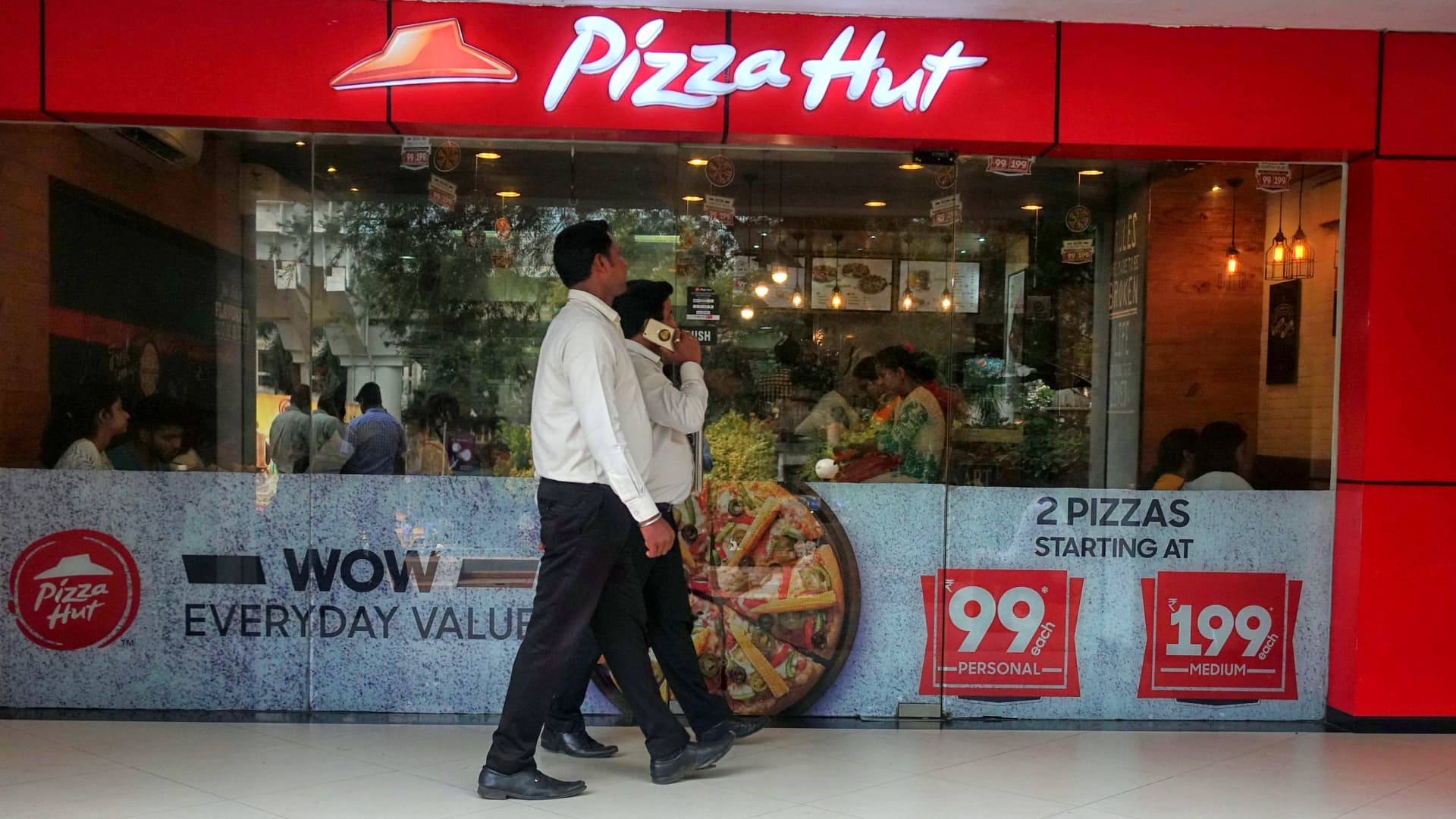
Devyani International, the Indian franchisee for KFC and Pizza Hut, announced a merger with rival Sapphire Foods India, creating a larger entity to accelerate expansion and improve operations in India, with the deal valued at approximately $934 million and expected to complete within 12-15 months.
The Louisville area experienced significant business shifts in 2025, including Brown-Forman's workforce cuts and cooperage sale, Ford's EV strategy adjustments and new vehicle launches, Yum! Brands relocating its headquarters, and Wawa expanding into the region, alongside various business openings, closures, and redevelopment projects.
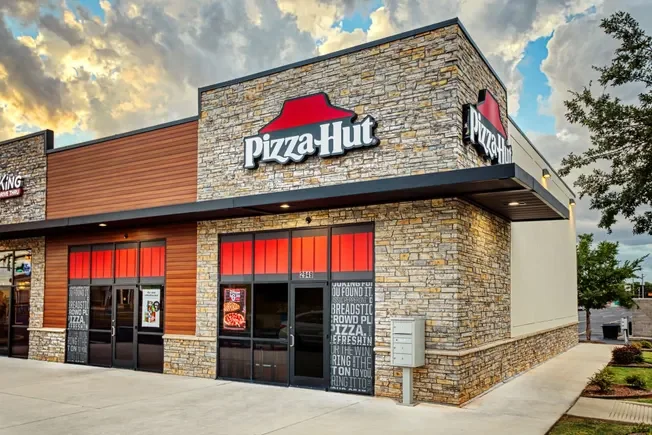
Yum Brands is considering selling Pizza Hut as part of a formal review of options to improve the struggling pizza chain, which could lead to a sale under new ownership.
Yum! Brands is exploring selling Pizza Hut due to declining sales and increased competition, with the brand struggling to prove its value amid rising prices and a crowded market, despite maintaining quality and nostalgic appeal.
Yum! Brands is considering selling its struggling Pizza Hut chain due to declining US sales and increased competition, with the company exploring strategic options to improve the brand's value amid broader industry challenges and cautious consumer spending.
Yum Brands is considering selling Pizza Hut after a period of declining U.S. sales and challenges in the competitive pizza market, as part of a strategic review to unlock the brand's full value.
Yum Brands reported quarterly earnings and revenue that fell short of expectations due to declines in U.S. same-store sales for Pizza Hut and KFC, despite overall revenue growth and international sales increases, highlighting ongoing challenges in the U.S. market.
McDonald’s, Starbucks, and Yum Brands have reported lower earnings due to boycotts stemming from their perceived support for Israel’s military campaign in Gaza. The companies cited protests as a material hit to their fourth-quarter sales, with McDonald’s experiencing a rare sales miss and Starbucks forecasting slower growth. The boycotts have been fueled by anti-war activists calling for an end to the conflict and pressuring companies they claim have supported Israel. The companies' franchise model has led to loss of brand control and increased potential for legal disputes, while social media has amplified the impact of boycotts.
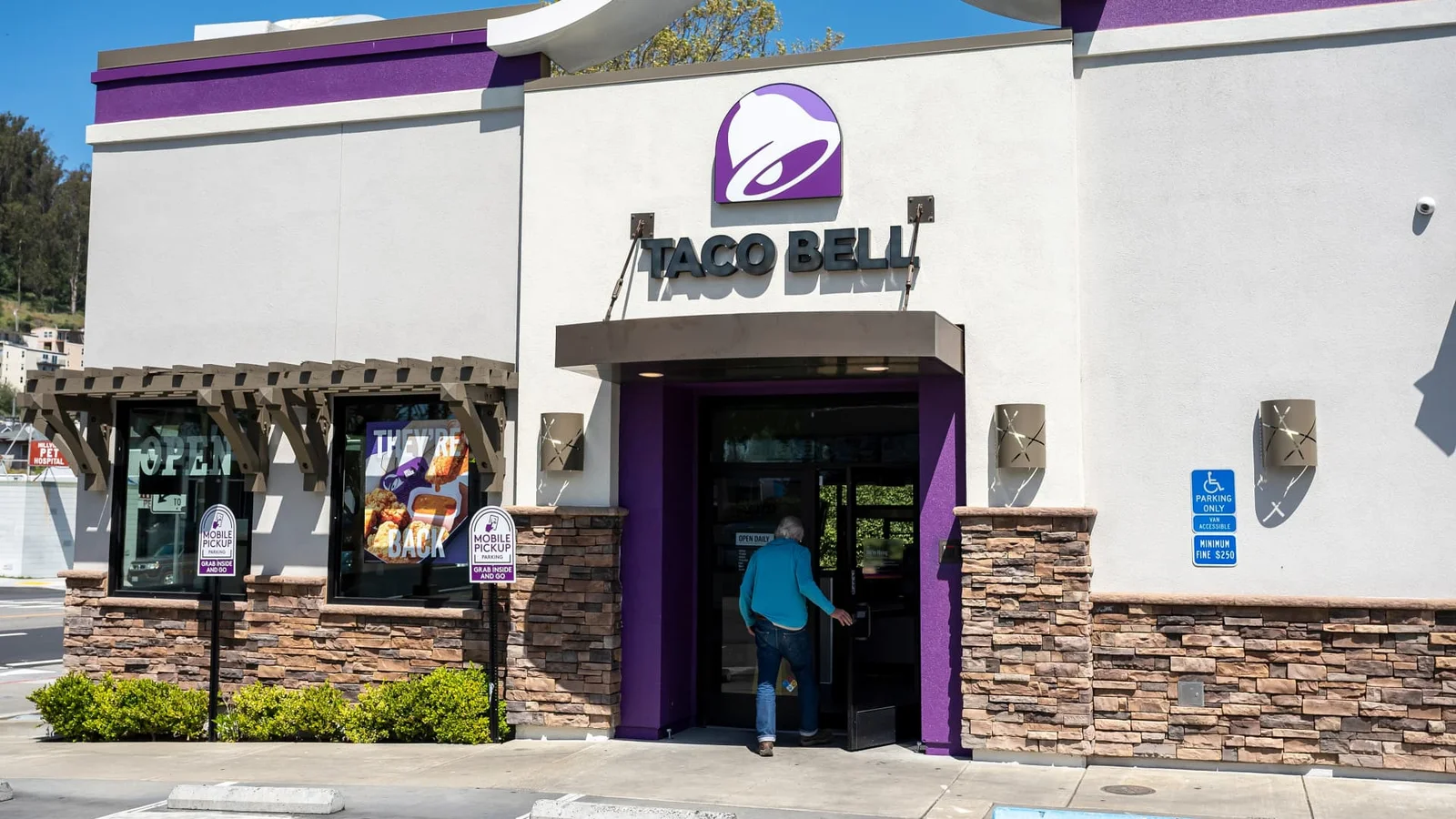
Yum Brands, the parent company of Taco Bell, KFC, and Pizza Hut, reported weaker-than-expected sales in the fourth quarter, with Taco Bell's sales growth declining steeply from the previous year. The company's overall same-store sales rose only 1%, missing analysts' estimates, as price-conscious consumers push back against rising fast food prices amid a surge in dining out costs compared to grocery prices. This trend is impacting lower-income consumers, a vital base for fast food chains, and is reflected in disappointing earnings reports across the industry.
Yum Brands reported weaker-than-expected sales for KFC, Taco Bell, and Pizza Hut, leading to quarterly earnings and revenue that missed analysts' expectations. The company's stock fell more than 1% in premarket trading. Yum's fourth-quarter net income rose to $463 million, but its adjusted earnings per share of $1.26 fell short of the expected $1.40. Pizza Hut reported a 2% decline in same-store sales, while KFC and Taco Bell also fell short of Wall Street's expectations. Yum plans to surpass 60,000 global locations in 2024, with over 30,000 KFC restaurants and more than 20,000 Pizza Hut locations.
KFC, now with over 10,000 stores in China, has expanded its menu to include local favorites and faced challenges like Covid-19 lockdowns. The brand's success in China has outpaced its growth in the U.S., and the CEO of Yum China, Joey Wat, discusses the company's strategies for future growth in an exclusive interview with CNBC.
Yum! Brands reported lower-than-expected revenue in Q3 due to slow sales at Pizza Hut, while KFC and Taco Bell continued to drive growth. The company's adjusted earnings per share beat expectations, but revenue fell short. Same-store sales increased 6%, led by KFC and Taco Bell, both surpassing estimates. Yum! Brands' performance in China remains strong, with system sales growth up 16%. Taco Bell's US business benefited from trade down among higher income consumers. Pizza Hut sales were disappointing, while the Habit Burger Grill Division saw a decline in same-store sales.
Taco Bell's parent company, Yum Brands, is reportedly planning to transition to 100% digital transactions, eliminating cash payments. The change would involve more customers using the restaurant's website, mobile app, or kiosks to place orders. Yum Brands, which also owns Pizza Hut and KFC, revealed the plans during an earnings call, citing a significant increase in digital sales and the implementation of kiosks in all stores. No specific timeline for the transition was provided.
Taco Bell and other fast food chains under Yum! Brands, Inc. are considering a transition to 100% digital sales, with customers increasingly ordering through apps, websites, or in-store kiosks. The company is already testing the use of artificial intelligence for drive-thru orders, and digital sales in the U.S. have seen a nearly 35% year-over-year increase. The timeline for achieving this goal is currently unclear.
Yum Brands, the owner of Taco Bell, KFC, and Pizza Hut, reported mixed quarterly results as Taco Bell and Pizza Hut's same-store sales fell short of expectations. Despite soaring KFC sales in China, Yum Brands missed revenue estimates. The company's digital sales increased by nearly 30% and accounted for almost half of the orders. Yum Brands' overall same-store sales grew 9%, with KFC's same-store sales climbing 13%. Pizza Hut reported a same-store sales growth of 4%, while Taco Bell's same-store sales rose 4% but fell short of estimates. Yum Brands opened over 1,000 new locations during the quarter.