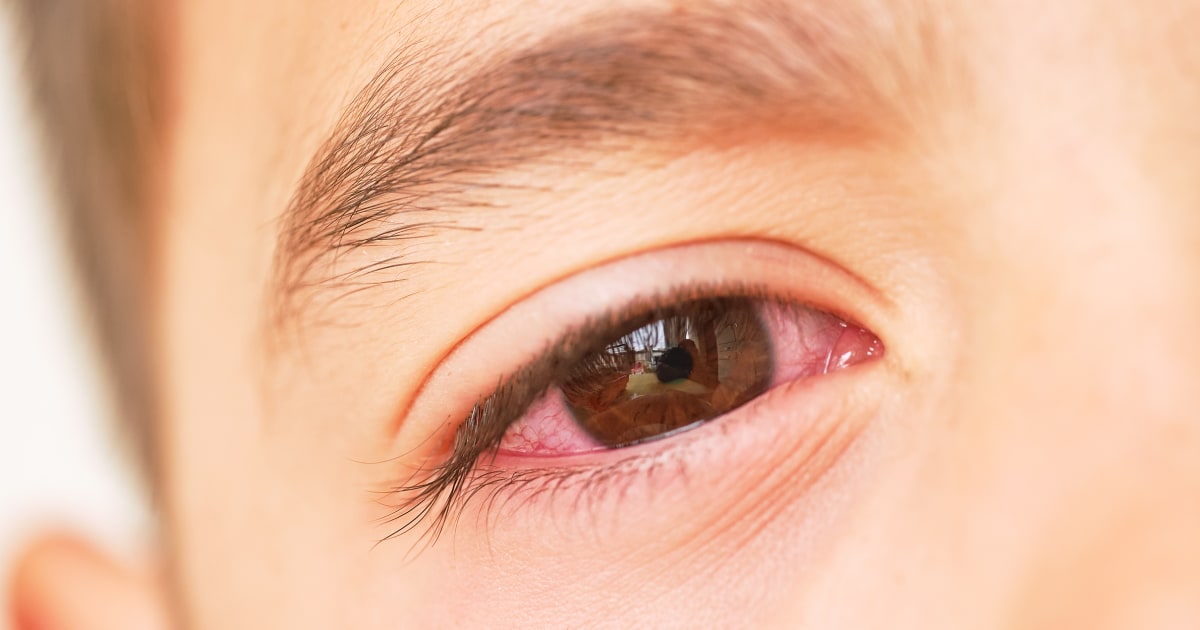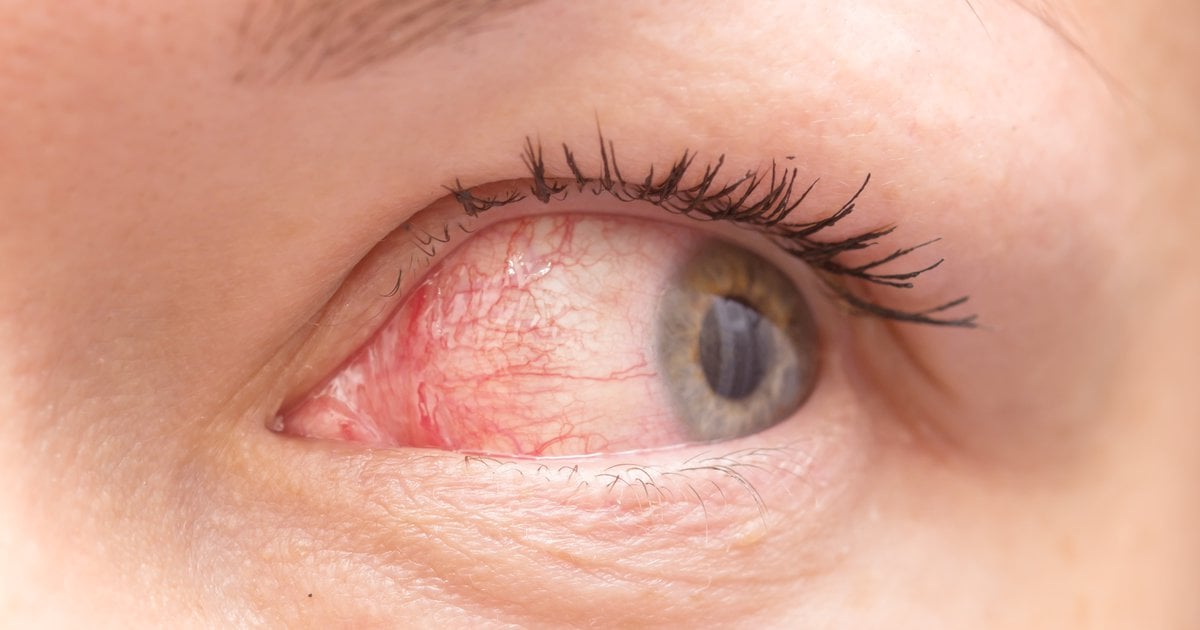
San Diego County public health experts warn that XBB.1.16, an emerging offshoot of the Omicron variant, may soon take up a larger share of local COVID-19 cases. The new variant, informally called "Arcturus," has been associated with itchy, watery eyes, which may be a sign of COVID-19. XBB.1.16 has only held a small proportion of COVID-19 cases since it was first spotted in local wastewater in March, but the World Health Organization has called it a "variant of interest." Health care workers in California are not required to report pink eye to the government, making it difficult to track how closely the variant runs in parallel with reports of itchy, watery eyes.
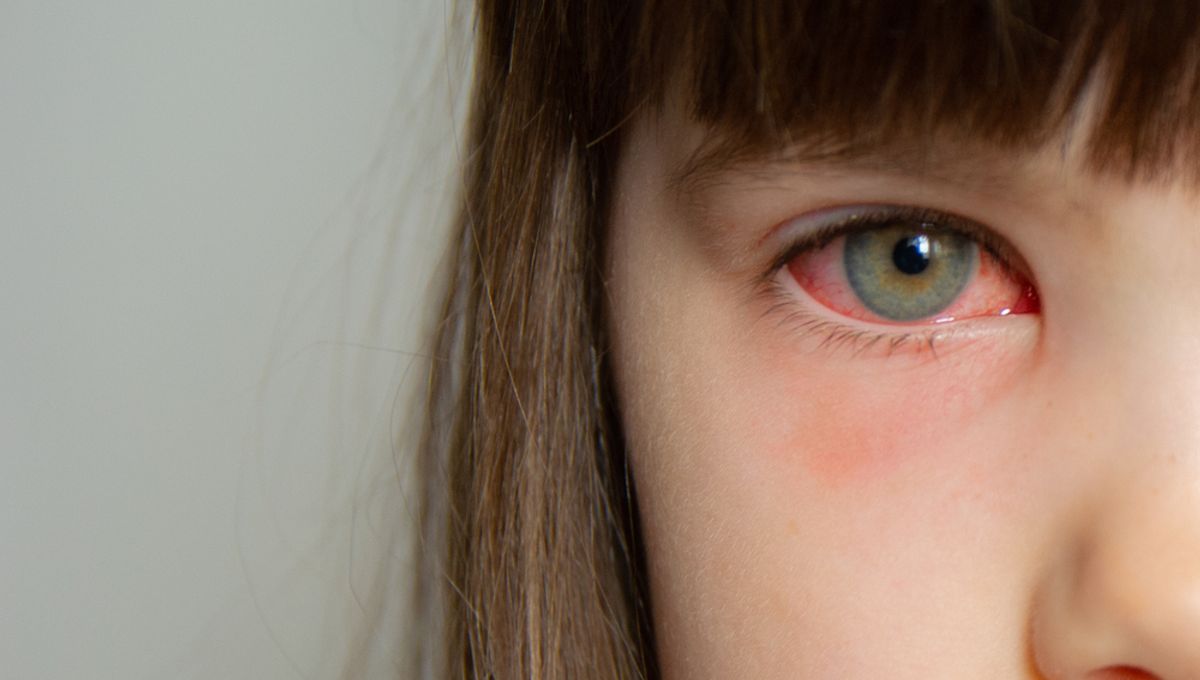
The new COVID-19 variant, XBB.1.16 or Arcturus, has been confirmed in Los Angeles and is believed to cause conjunctivitis (pink eye), a symptom previously rare in coronaviruses. While not fully confirmed, the variant is thought to increase the risk of conjunctivitis in infected people. Arcturus is becoming dominant in countries that have reported it, primarily India, and is a "variant of interest" for the WHO. Vaccines are still expected to provide strong protection against it, but vulnerable people should exercise more caution due to its high infectiousness.
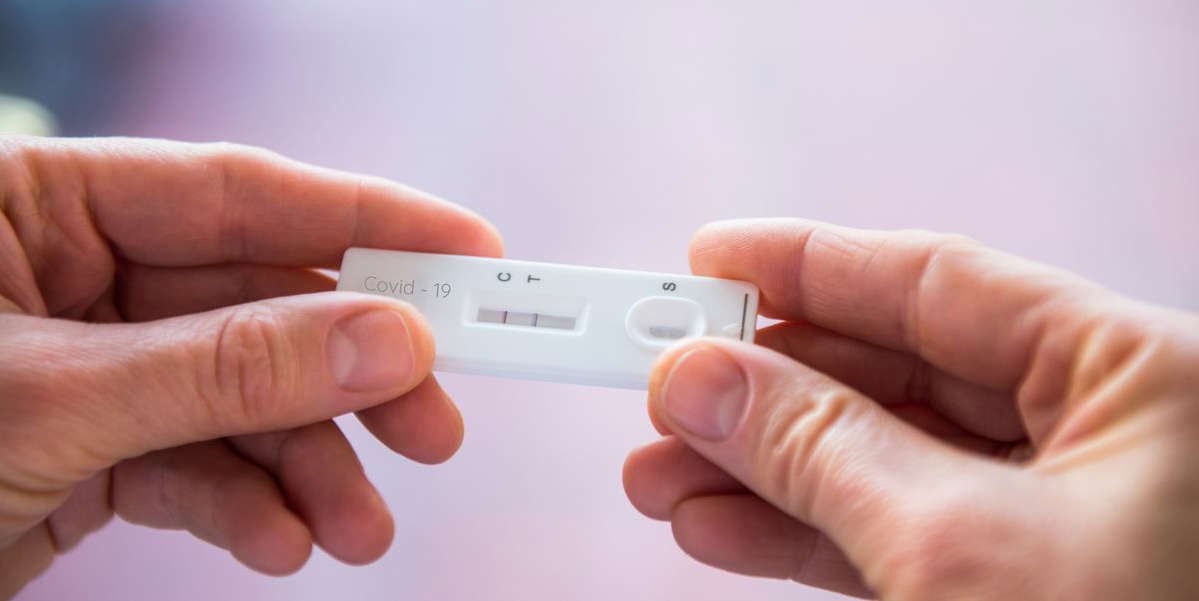
A new subvariant of omicron, nicknamed Arcturus or XBB.1.16, is behind an estimated 12% of new COVID-19 cases in the US and is growing its presence in nearly 30 countries. Health officials predict it will outpace the current dominant strain by summer, potentially causing another surge of infections. However, existing immunity from prior infection or vaccination reduces the risk of severe illness. Symptoms may differ with XBB.1.16, with conjunctivitis and higher fevers being reported more often in people infected with this subvariant. It is important to get tested for COVID-19 if experiencing any symptoms related to a coronavirus infection.
A new subvariant of COVID-19, XBB.1.16, also known as Arcturus, is spreading in the US and may be causing an increase in cases of conjunctivitis, commonly known as pink eye. The Los Angeles County Department of Public Health has warned that itchy, watery, or red eyes may be a sign of a COVID-19 infection and should not be dismissed as seasonal allergies. While it is too early to know with certainty if XBB.1.16 is associated with higher rates of conjunctivitis, residents are encouraged to take extra precautions to avoid infection, including staying up to date on vaccinations, frequent hand washing, and staying home when feeling sick.
The XBB.1.16 variant, nicknamed "Arcturus," is spreading in Los Angeles County and is a descendant of the BA.2 sublineages. It has been detected in 32 other countries, including the United States. While it is different from the dominant XBB.1.5 strain, it is not causing more severe illness. XBB.1.16 is infecting young children more, and conjunctivitis or pinkeye may be more common. The variant accounted for an estimated 10% of COVID cases nationally in the United States last week. The overall COVID situation in L.A. County is improving, but the small increase in wastewater concentrations of SARS-COV-2 this week may reflect the beginning of more spread associated with XBB.1.16.
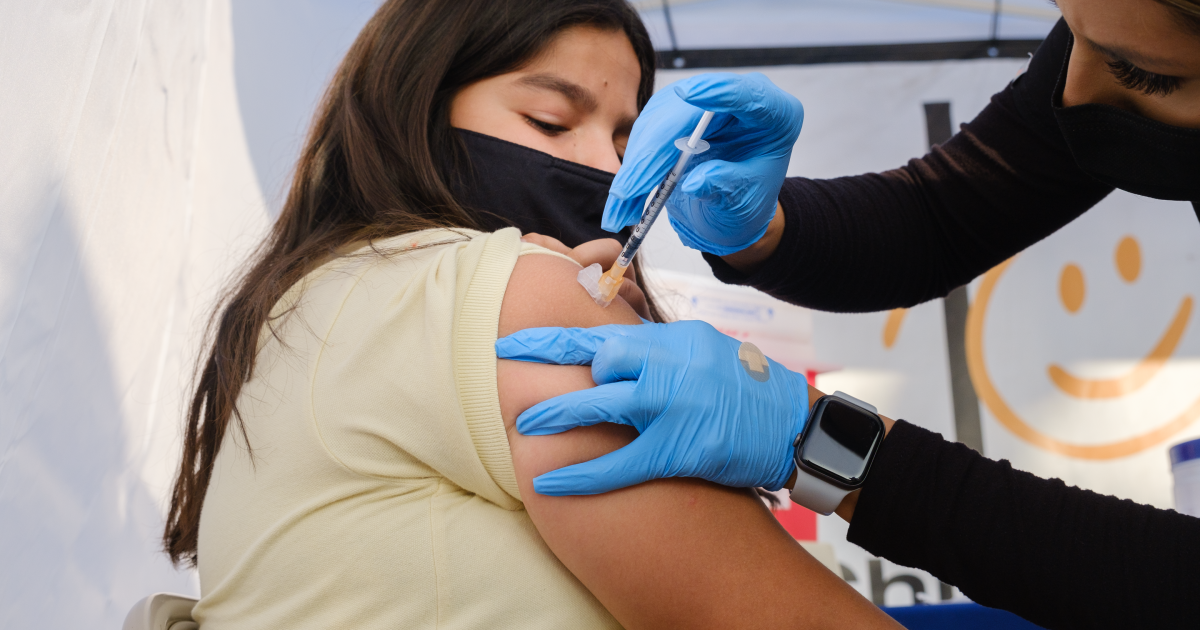
COVID-19 deaths, hospitalizations, and cases have dropped due to increased immunity from prior infections and vaccinations. Experts are monitoring a new subvariant, XBB.1.16, but believe it is unlikely to cause a surge in cases. Reports suggest that children infected with the subvariant may be more likely to develop conjunctivitis, but there is no hard evidence linking the two. People who are 65 and over or have high-risk medical conditions should get the updated booster shot, but it's less clear for younger, healthier people. The FDA may recommend an annual COVID-19 vaccine in the fall.
A new COVID-19 subvariant, XBB.1.16, also known as Arcturus, is spreading in the US and causing some unusual symptoms, including conjunctivitis or pink eye, especially in children. The variant is highly contagious and may be more transmissible than other omicron subvariants. However, there is no indication that it causes more severe disease or hospitalizations. The best way to protect against XBB.1.16 is to stay up to date on COVID-19 vaccinations, and people may need periodic revaccination in the future.
India is experiencing a surge in COVID-19 cases, with daily cases exceeding 10,000 all last week. The new cases are linked to the rapidly proliferating lineage of the Omicron virus labeled XBB.1.16, which has been detected in over 33 countries. The WHO has upgraded the new variant to the status of a “variant of interest,” given both its more infectious nature compared to other Omicron subvariants and its highly immune-evading characteristics. The rising infection numbers in India threaten not only the people of the subcontinent, but the entire world. The Modi government has taken pains to reduce the national healthcare budget, which is among the lowest across the world, while continuing to rapidly expand India’s military spending.
A new COVID-19 subvariant, XBB.1.16 or "Arcturus," is responsible for nearly 10% of new COVID-19 infections in the U.S. and has been associated with itchy conjunctivitis, especially in children. While federal health officials have not confirmed eye infections as a common COVID-19 symptom, doctors are raising concerns about the potential for increased spread this spring and summer due to the variant's potential to spread more easily. It is important to monitor for other well-documented COVID-19 symptoms and seek medical attention if experiencing discharge or pink eye. Vaccination remains crucial in protecting against severe symptoms and complications.
A new COVID-19 subvariant, XBB.1.16 or "Arcturus," is responsible for nearly 10% of new COVID-19 infections in the US and has been linked to itchy conjunctivitis, especially in children. While federal health officials have not confirmed eye infections as a common COVID-19 symptom, doctors are reporting a rise in red, itchy eyes in children affected by XBB.1.16. The variant has the potential to trigger elevated COVID-19 spread this spring, and experts are concerned about the potential for an increase in US spread later this spring and summer, even if overall infection rates are down.
The latest COVID-19 subvariant, XBB.1.16, is causing a new symptom not previously associated with the virus: pink eye. The subvariant has been identified in 29 countries, including the United States, and is more contagious than other subvariants. Pink eye, or conjunctivitis, can be caused by viruses, bacteria, or allergies and is most commonly caused by an adenovirus. While pink eye is not a massive spreader of the coronavirus, it could lead to more spread within close proximities due to people with the virus touching their eyes. The best ways to prevent COVID-19 are to remain vaccinated and boosted, wear a mask in public places in areas with high COVID-19 transmission, and to wash one's hands frequently, especially before and after touching one's face.
XBB.1.16, a subvariant of the Omicron variant, is more transmissible and has caused a recent surge of COVID-19 cases in India. The World Health Organization has labeled it a "variant of monitoring," and it has been detected in at least 29 countries, including the U.S. While it appears to spread more quickly, it doesn't seem to cause more severe disease. The effectiveness of COVID-19 vaccines against XBB.1.16 is still unknown, but experts believe the shots should remain effective at preventing severe illness and death.
The latest COVID-19 subvariant, XBB.1.16, is causing conjunctivitis or "pink eye" as a new symptom, especially in children. The subvariant is more contagious and likely to produce fever. However, pink eye is not a major new way of spreading the virus. The treatment for COVID-related conjunctivitis is symptomatic, and all the usual COVID-19 precautions should be taken to prevent the spread of the subvariant. COVID-19 testing still detects this variant quite well, and vaccination and boosting are recommended for adults and children who are not yet fully vaccinated.
The new COVID-19 subvariant XBB.1.16, also known as Arcturus, has reached reportable levels in the US and is causing an uptick in conjunctivitis, especially in children, according to reports from India. Experts are concerned that XBB.1.16 could shatter hopes of staving off a new coronavirus surge in the US before next winter. The strain is estimated to be behind 7% of COVID cases in the US and may get around immunity from vaccines and previous infections. However, it does not appear to cause more severe disease than other omicron subvariants.
Covid variant XBB.1.16, also known as Arcturus, is a subvariant of the Omicron variant and is considered more transmissible and immune-evasive than its predecessors. While the symptoms of XBB.1.16 are not very different from the previous strains and the disease caused by it largely remains mild, in case of vulnerable population like children and elderly, it can cause slightly different symptoms. Common symptoms in adults include fever, sore throat, running nose, cough, body ache, myalgia, fatigue, diarrhoea. Prevention tips include wearing triple-layered masks, taking care of hand hygiene, and following social distancing measures. Vaccination may prevent hospitalisation and severe disease in those with risk factors of severe disease.