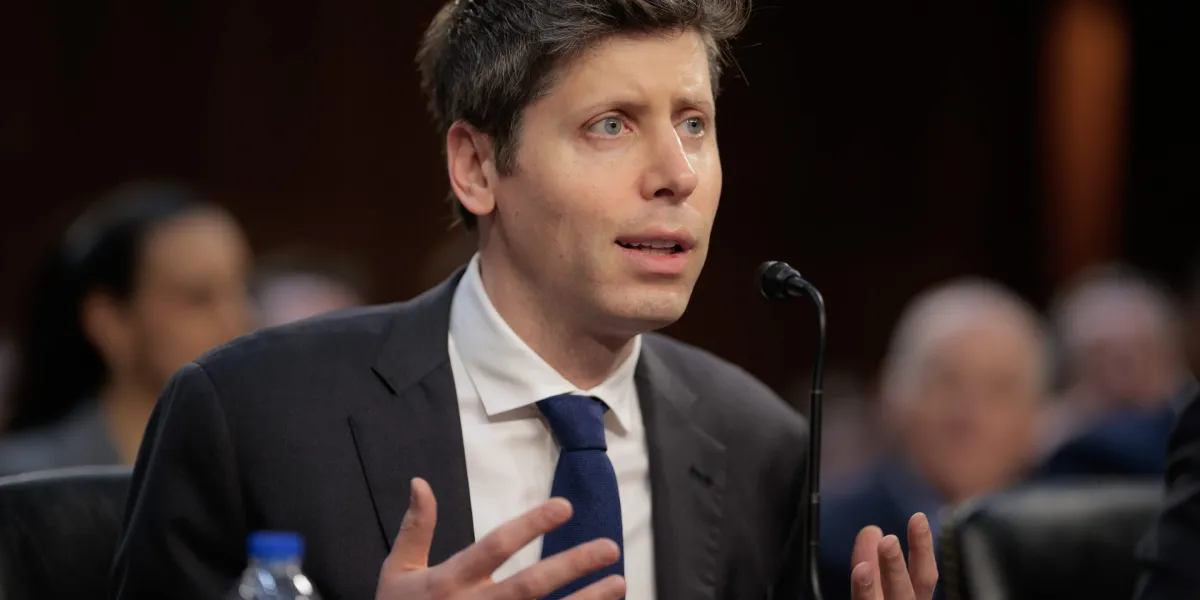
OpenAI CEO Sam Altman predicts that in 10 years, college graduates may work in exciting, well-paid jobs in space, as AI revolutionizes the workplace by creating new opportunities and enabling solo entrepreneurs to build billion-dollar companies. Other tech leaders also foresee AI reducing work hours and enhancing human skills, making the future of work highly innovative and potentially more rewarding.

Amazon's Ring division, led by Jamie Siminoff, now requires employees applying for promotions to demonstrate how they utilize AI technologies to improve customer experience and operational efficiency, reflecting a broader trend among tech companies to integrate AI into talent evaluation.
Workday successfully increased AI adoption among its employees to 79% by implementing initiatives like internal campaigns, upskilling programs, and personal AI goals, overcoming barriers such as lack of time and uncertainty, and emphasizing responsible AI principles amidst concerns about job impacts and productivity gains.
A new study involving over 83,000 adults suggests that standing desks, often promoted for health benefits, do not reduce cardiovascular risks and may increase the risk of circulatory issues like varicose veins and blood clots. Standing burns only nine extra calories per hour, and the study emphasizes the importance of regular movement every 30 minutes to maintain health, rather than prolonged standing or sitting.