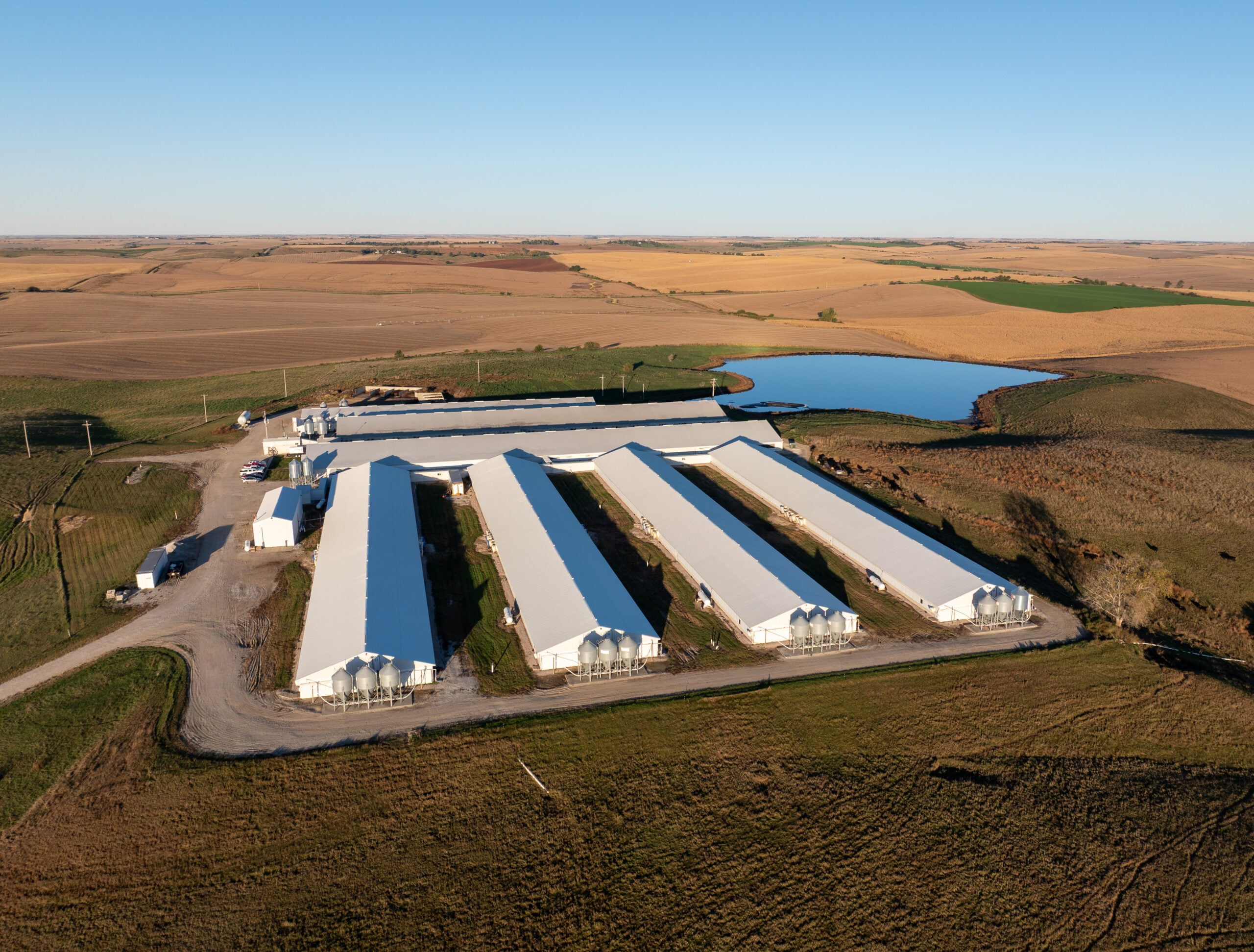
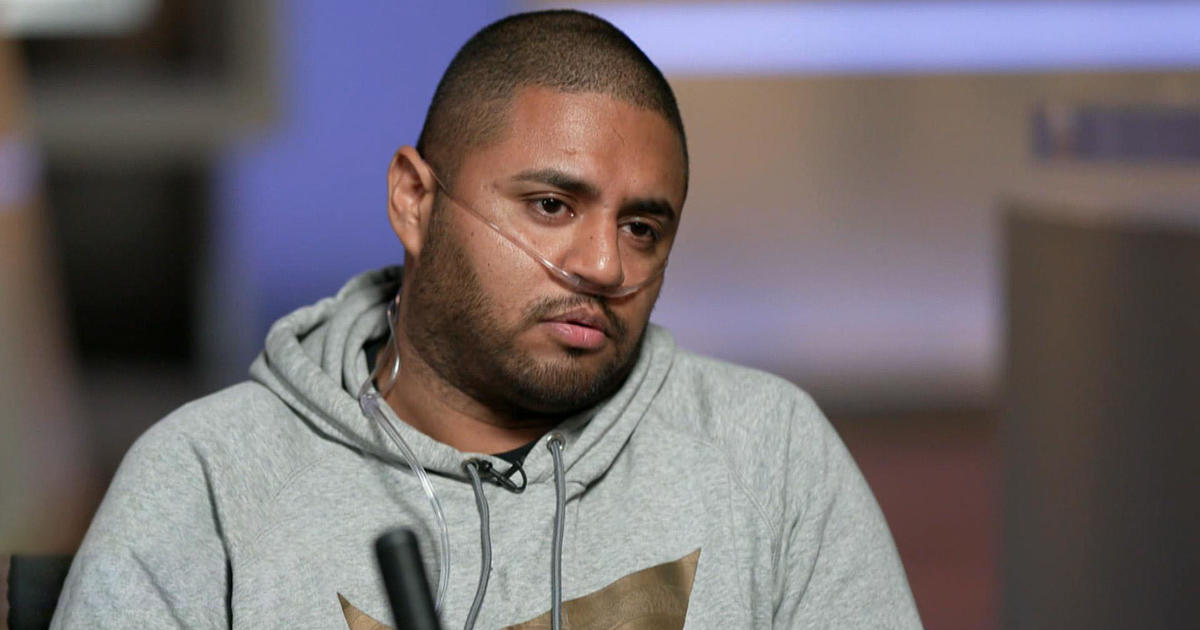
The mysterious death of 17-year-old Zach Panther at Pillen Family Farms in Nebraska remains unresolved due to limited investigations and possible chemical exposure from spray foam, raising concerns about workplace safety and regulatory oversight.
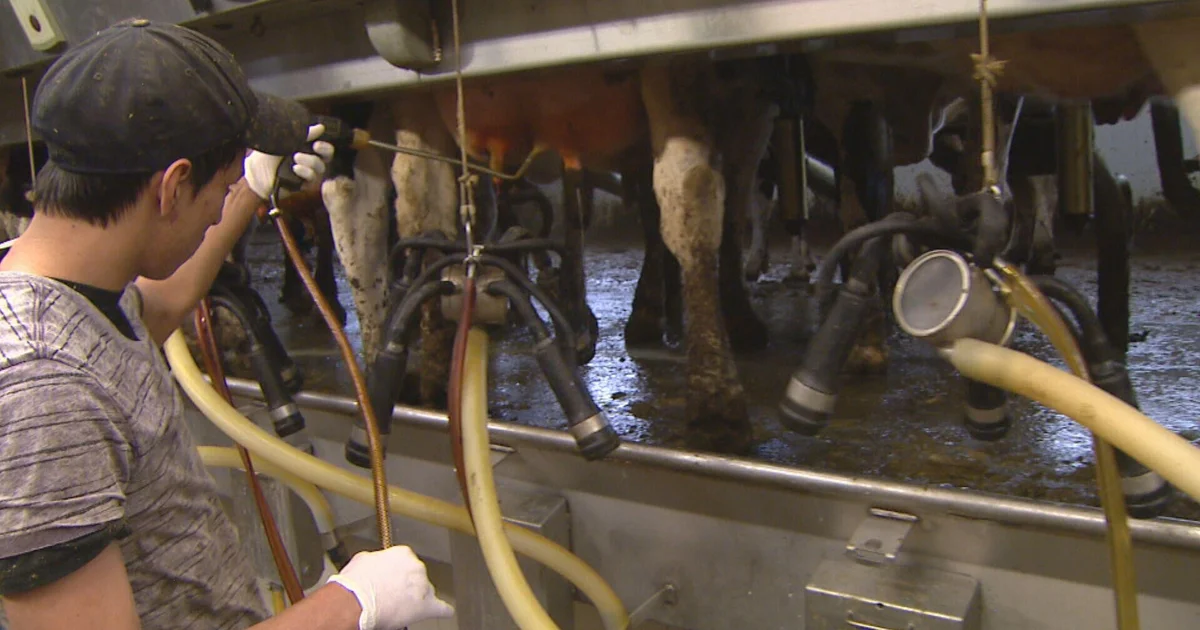
Six workers, including a teenager, tragically died at a Colorado dairy farm likely due to exposure to hydrogen sulfide (H2S), a toxic gas produced by manure decomposition. Experts highlight the dangers of H2S, especially in confined spaces, emphasizing the need for safety precautions to prevent such incidents. The victims were working around piping that transferred the gas, which can quickly become lethal when inhaled in high concentrations.
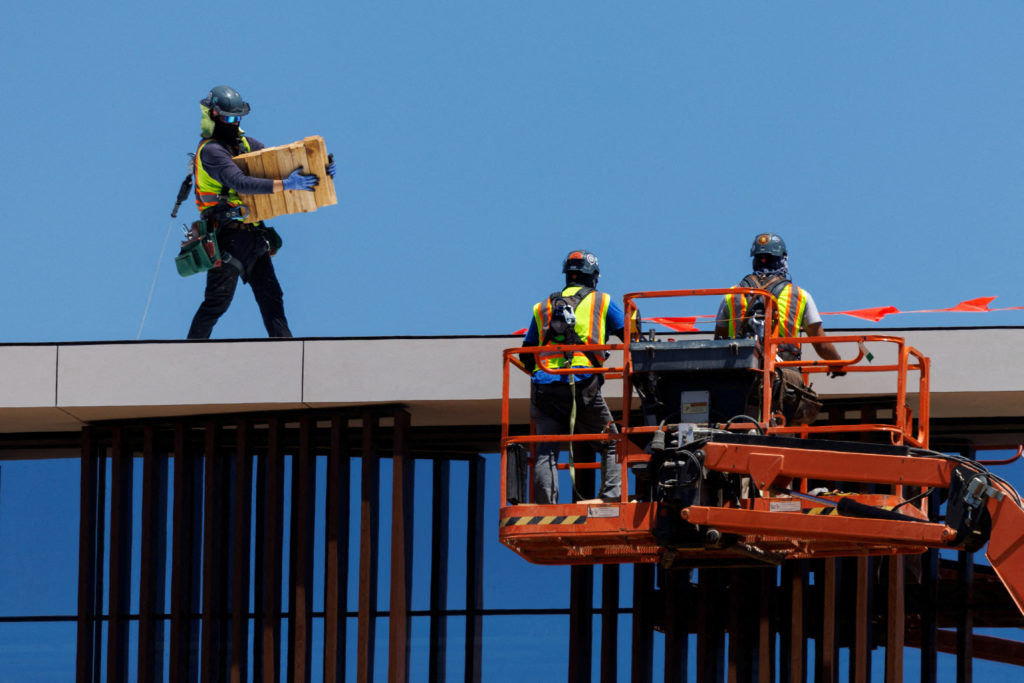
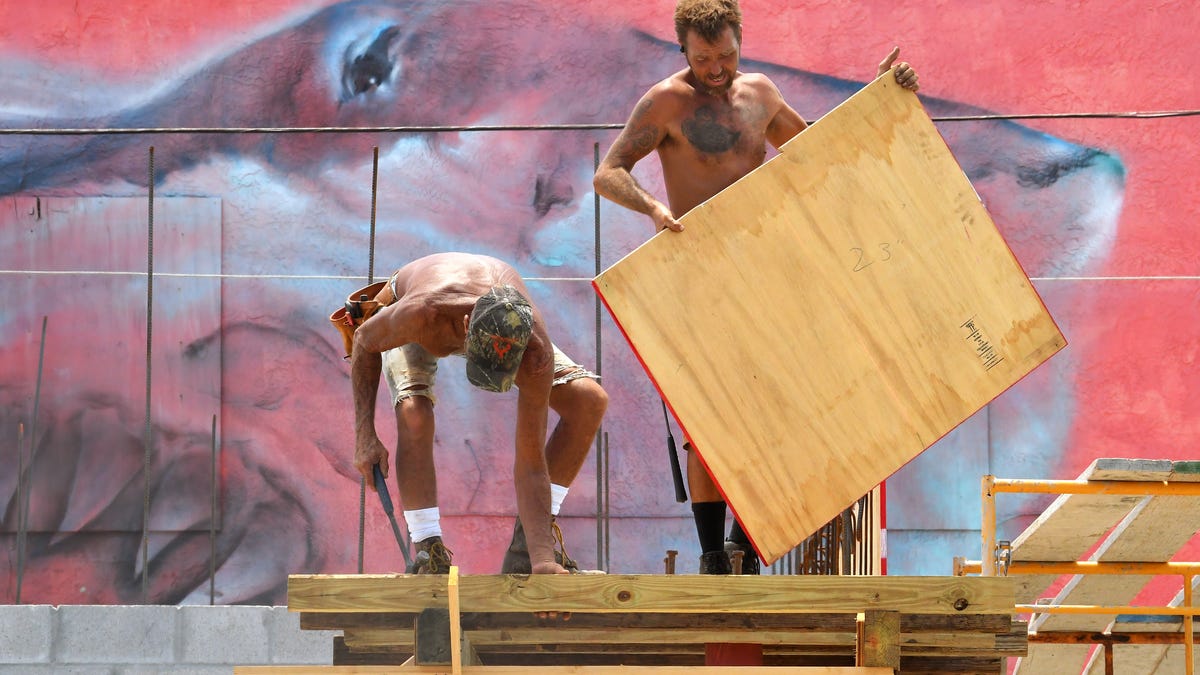
The U.S. Department of Labor has proposed over 60 changes to eliminate or revise outdated workplace rules, aiming to reduce regulatory burdens but facing criticism for potentially increasing worker risks, especially for vulnerable groups like women and minorities. Key proposals include removing minimum wage requirements for home health care workers, rescinding protections for migrant farmworkers, and relaxing safety standards at construction sites and mines, with ongoing public comment periods before implementation.
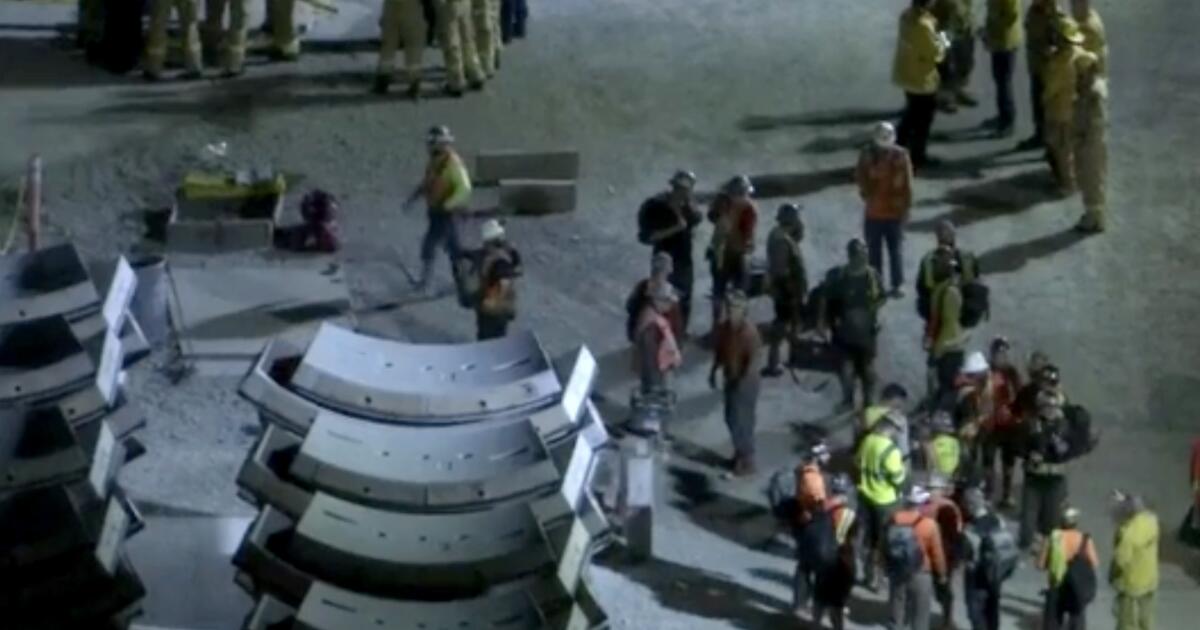
All 31 workers involved in a tunnel collapse in Los Angeles' Wilmington area escaped unharmed after scrambling over debris; the incident occurred during the construction of a sewer upgrade project, and rescue efforts were successful with no injuries reported.
A partial collapse of an LA County sanitation tunnel under construction in Wilmington led to 31 workers escaping safely with no injuries, prompting a major rescue effort and halting work on the project as investigators assess the damage and determine the cause of the incident.
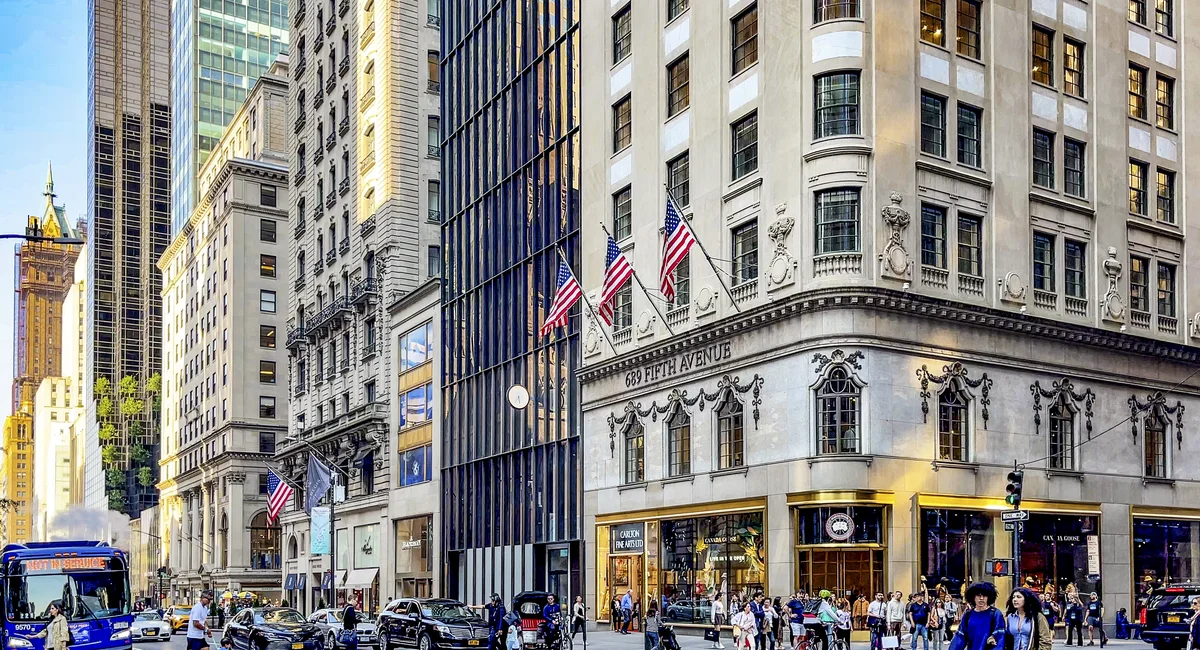
A new law in New York, the Retail Worker Safety Act, takes effect to improve safety for retail employees by requiring safety programs, violence prevention, de-escalation training, active-shooter drills, and discreet emergency alert systems, aiming to address rising violence and harassment in the retail sector.
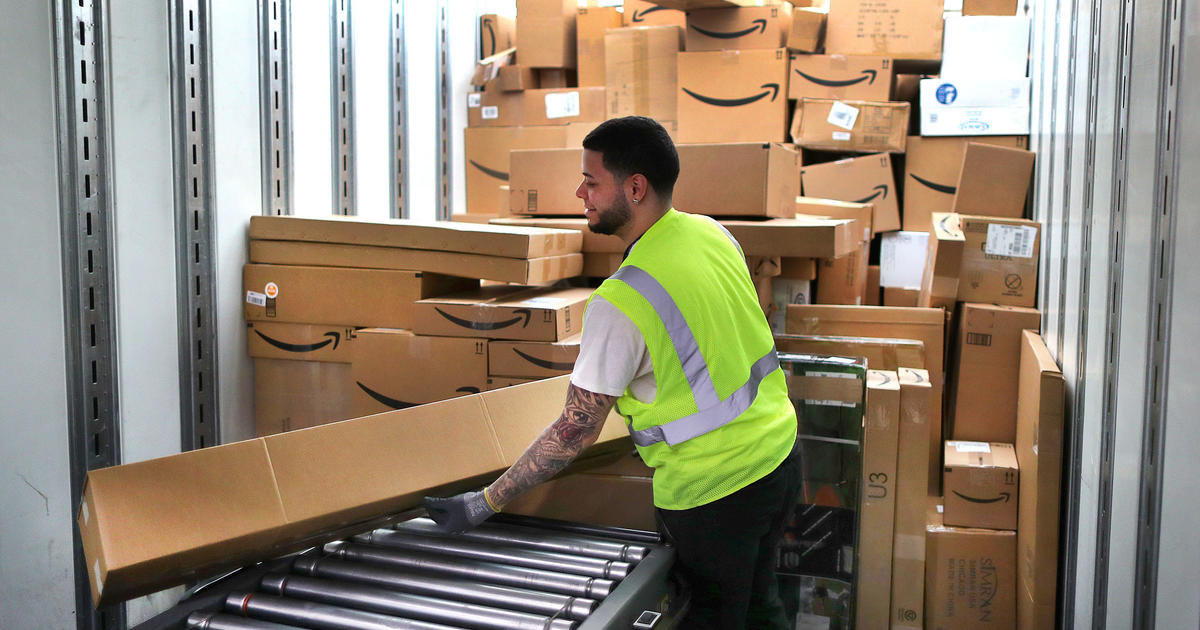
A Senate report reveals that Amazon warehouse workers face significantly higher injury rates during Prime Day, with incidents more than doubling compared to industry peers. The report, based on Amazon's internal data, highlights dangerous working conditions exacerbated by understaffing and high pressure during peak times. Amazon disputes the findings, citing improvements in safety and staffing. The report calls for greater accountability, especially during extreme conditions like heat waves.
Dollar General will pay $12 million and implement safety improvements at its 20,000 stores to settle claims of endangering workers by blocking emergency exits and other unsafe practices. The company faces additional fines if issues are not resolved promptly. This settlement follows previous penalties and incidents of violence at its stores.
Florida joins Texas in banning local heat protections for outdoor workers as Governor Ron DeSantis signs House Bill 433, which prohibits local governments from requiring heat protection for outdoor workers. The law, effective July 1, restricts city and county governments from setting heat exposure requirements not already required under state or federal law. Critics argue that the legislation undermines worker safety and leaves Florida more vulnerable to the impacts of climate change, while supporters claim it protects businesses from being put out of business.
Florida Governor Ron DeSantis has signed two bills that limit the powers of local governments, one banning them from requiring heat and water breaks for outdoor workers and the other stripping local citizen police oversight boards from investigating officers. Critics argue that the bills hinder worker protections and limit police accountability, while DeSantis maintains that they are necessary to prevent political agendas from influencing law enforcement.
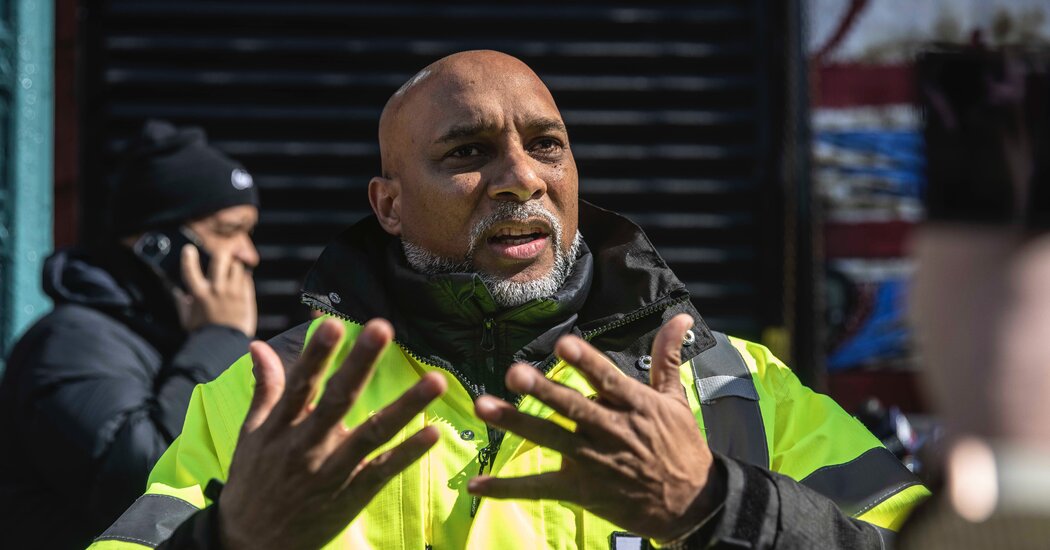
New York City Transit workers disrupted morning subway service in response to an overnight slashing attack that injured a train conductor, filing safety complaints and causing severe disruptions during rush hours. The workers staged a job action at two stations and filled safety forms through their union representatives, while transit leaders criticized the move as a disguised work stoppage that did not address their concerns. The incident further highlighted long-standing complaints about the M.T.A.'s efforts to ensure worker safety.
Workers involved in the production of engineered stone countertops, made from crushed quartz, are facing deadly lung diseases such as silicosis due to high levels of crystalline silica in the material. Many immigrant Latino workers, who dominate the industry, are falling ill, with some requiring lung transplants and facing shortened life expectancies. Lawsuits are being filed against manufacturers for failing to warn workers about the dangers, prompting questions about safety practices and regulations in the industry. Measures are being taken in some states and by manufacturers to address the issue, but the effectiveness of these measures in preventing silicosis remains uncertain.
An investigation by Reuters has revealed that worker injuries at Elon Musk's SpaceX have been on the rise as the company rushes to meet aggressive deadlines for space missions. The report documents at least 600 injuries since 2014, including serious and disabling cases such as head injuries, broken bones, burns, and amputations. Current and former employees attribute the high injury rates to a chaotic workplace culture where safety procedures are routinely skipped and workers are under-trained and overworked. SpaceX has been cited by regulators for safety violations, but fines have been relatively small. The company's lax safety culture is said to stem from Musk's focus on the urgent mission to create a refuge in space.
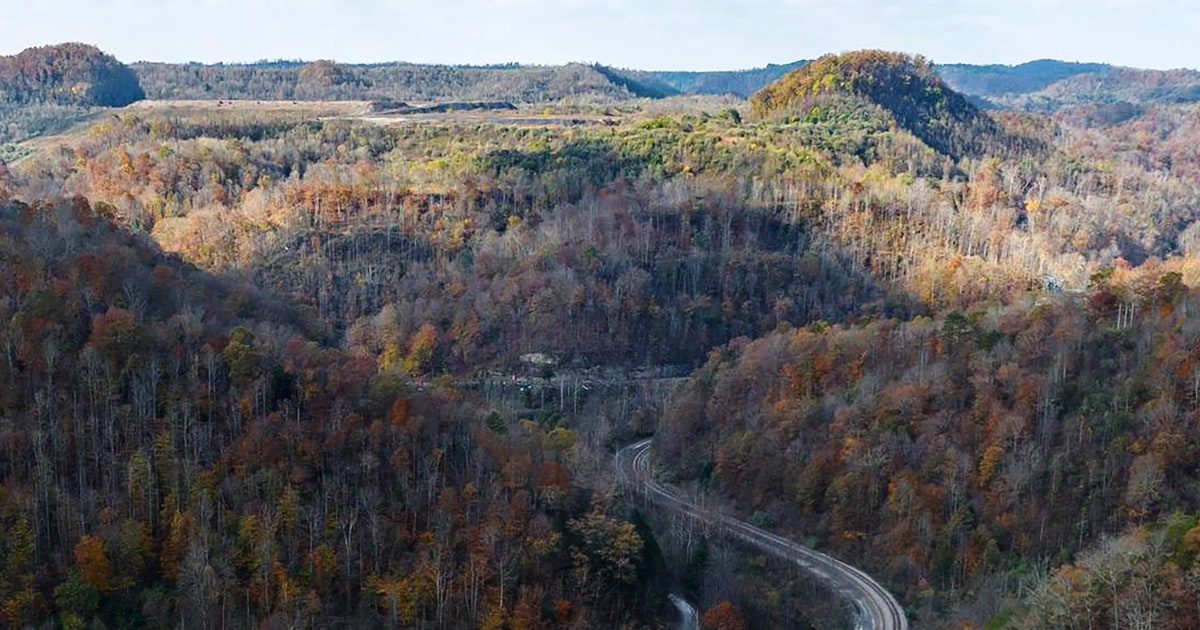
The search for two workers trapped in the collapse of a Kentucky coal processing facility has entered its fourth day, with officials stating that hopes for a rescue are grim. One worker has been declared dead, and the operation has shifted from a rescue to a recovery effort. The search-and-rescue operation is dangerous due to unstable rubble and potentially toxic particulates in the air. The family of the missing worker still holds out hope for his rescue.
Four workers at the Fukushima nuclear plant were splashed with water containing radioactive materials, with two of them taken to the hospital as a precaution. The incident highlights the ongoing dangers Japan faces in decommissioning the plant, which was severely damaged by a tsunami in 2011. The workers were cleaning pipes when a hose came off accidentally, resulting in the contamination. The radiation levels in the hospitalized workers were at or above the safe threshold. The incident occurred shortly after the plant operator, Tepco, completed releasing a second batch of wastewater into the sea, drawing criticism from China and local fishing communities. The water is treated to remove most radioactive substances but contains tritium, an isotope of hydrogen that cannot be easily separated from water.