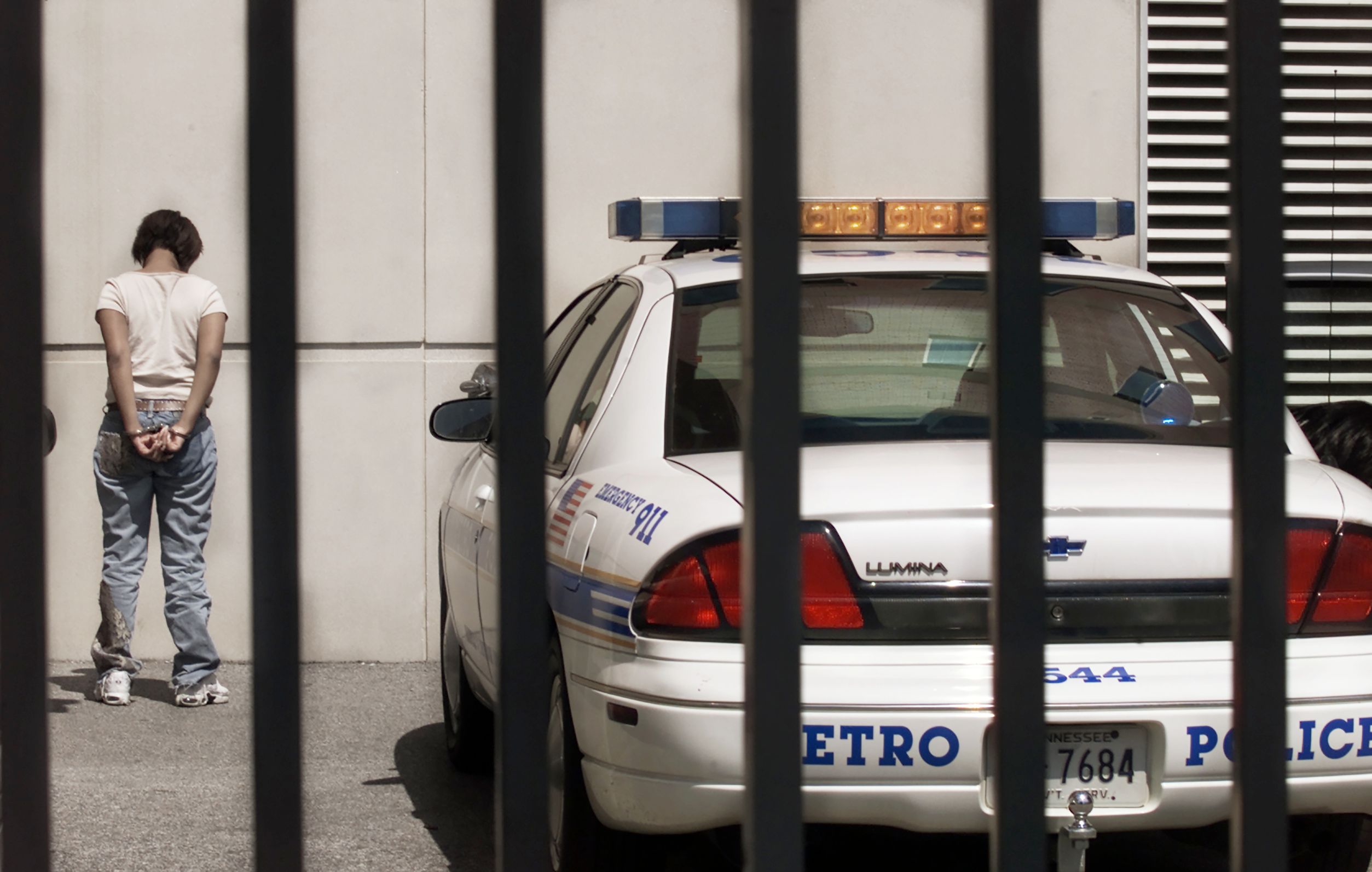
Traffic citations against Miami Dolphins star Tyreek Hill have been dismissed after the officers involved failed to appear in court. Hill was initially cited for careless driving and not wearing a seat belt during a September traffic stop. The Miami-Dade Police Department attributed the officers' absence to an oversight and stated the matter would be handled administratively. The incident, which involved Hill being handcuffed, has raised concerns about racial disparities in policing.
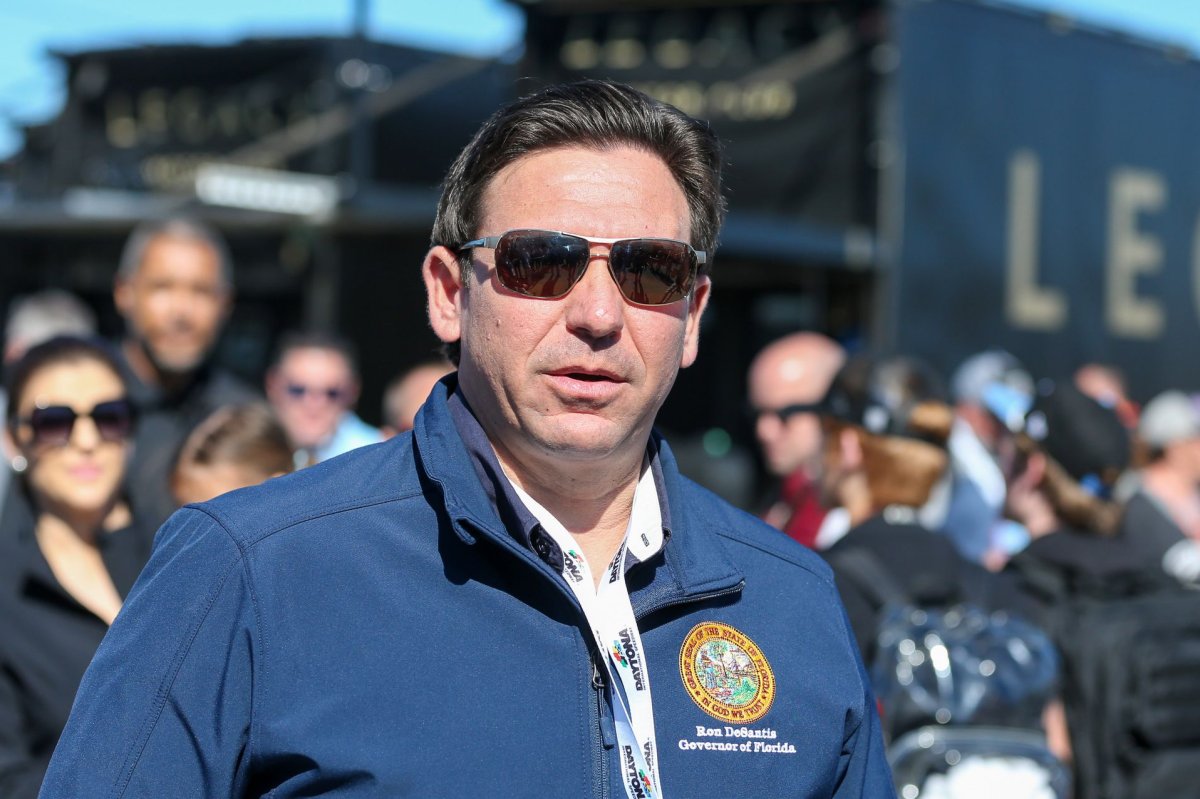
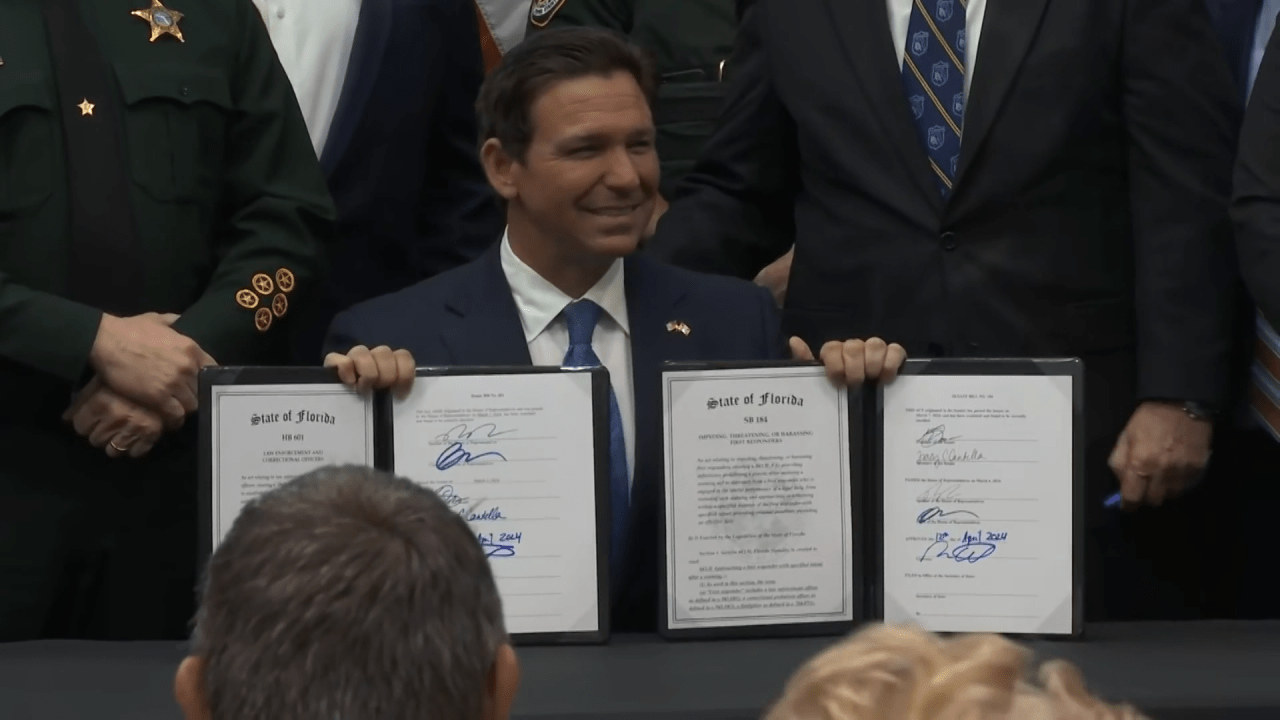
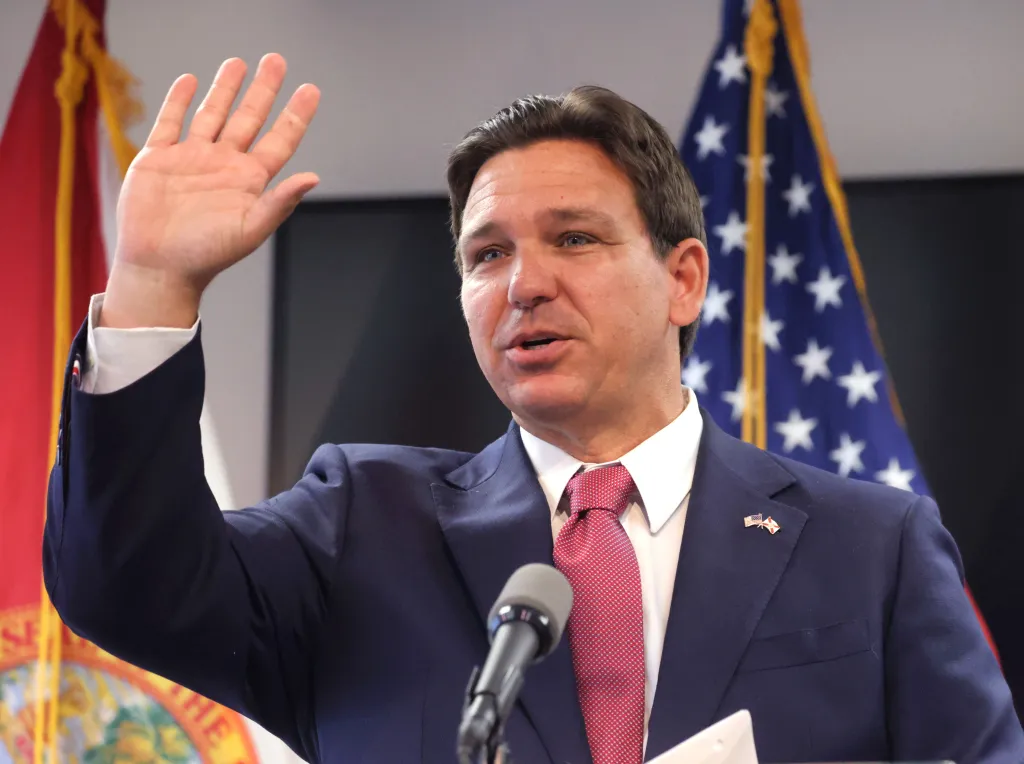
Florida Gov. Ron DeSantis signed two controversial bills limiting civilian oversight of police, establishing a 25-foot "no-go" zone around officers and restricting the abilities of citizen police oversight boards to investigate misconduct allegations. Critics argue that the laws hinder transparency and civilian input into police agencies, while DeSantis and supporters claim they protect law enforcement from harassment. The bills have sparked concerns about constitutional rights, with some calling the legislation vague and discretionary.
Florida Governor Ron DeSantis signed a bill requiring civilian oversight boards investigating police misconduct to be appointed by sheriffs or police chiefs, with one member being a retired law enforcement officer. The American Civil Liberties Union of Florida criticized the bill, stating that it undermines democracy and wastes tax dollars. DeSantis also signed a bill creating "restricted" zones around first responders, banning people from coming within 25 feet of them after a warning. The bills go into effect on July 1 and Jan. 1, 2025, respectively.
Florida Governor Ron DeSantis has signed two bills that limit the powers of local governments, one banning them from requiring heat and water breaks for outdoor workers and the other stripping local citizen police oversight boards from investigating officers. Critics argue that the bills hinder worker protections and limit police accountability, while DeSantis maintains that they are necessary to prevent political agendas from influencing law enforcement.
Florida Governor Ron DeSantis signed bills limiting the authority of police civilian review boards and creating a 25-foot buffer around police officers, firefighters, and emergency personnel. The bills restrict civilian review boards to an advisory role and criminalize approaching within 25 feet of officers during investigations. Supporters argue that the measures create a better environment for law enforcement, while critics argue that civilian review boards provide independent accountability and build community trust. The bills have drawn criticism for potentially infringing on First Amendment rights and creating vague and discretionary language.
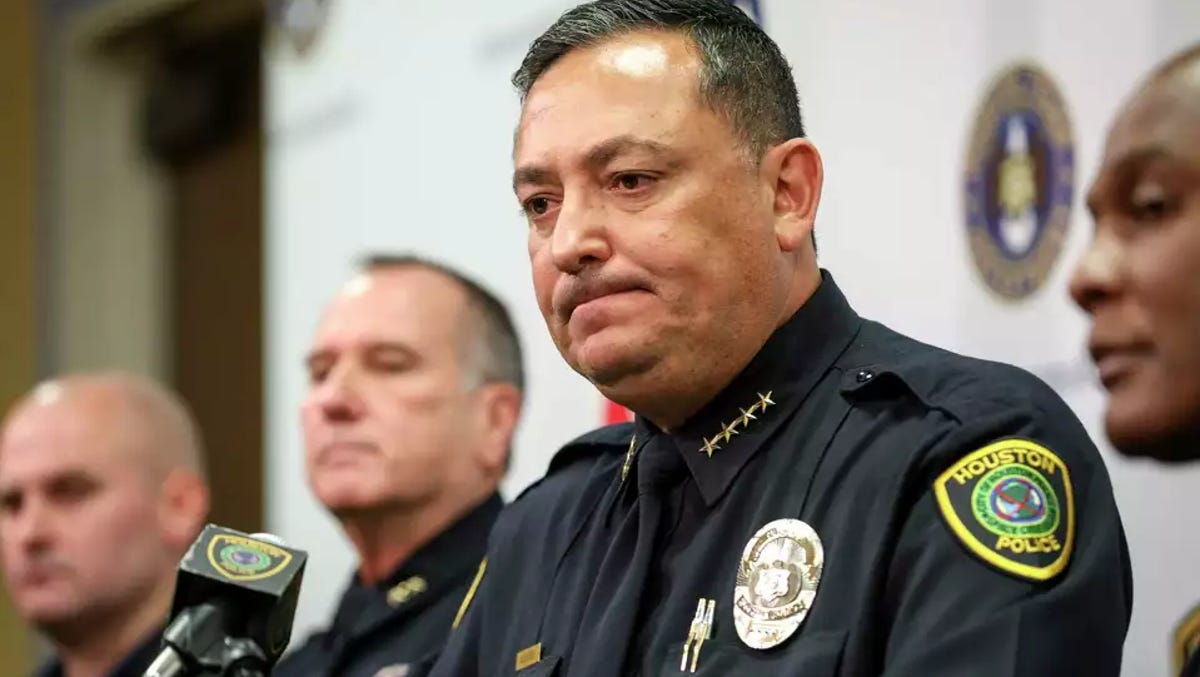
Art Acevedo has withdrawn from a $271,000-a-year administrative job offer to oversee policing in Austin after facing backlash from City Council members, community activists, and elected officials. Concerns were raised about his oversight of a police department with a backlog of untested rape kits, and his appointment was criticized as a step backward for survivors of sexual assault. The announcement also comes just before the city is set to make a formal apology to plaintiffs in lawsuits related to the handling of sexual assault complaints.
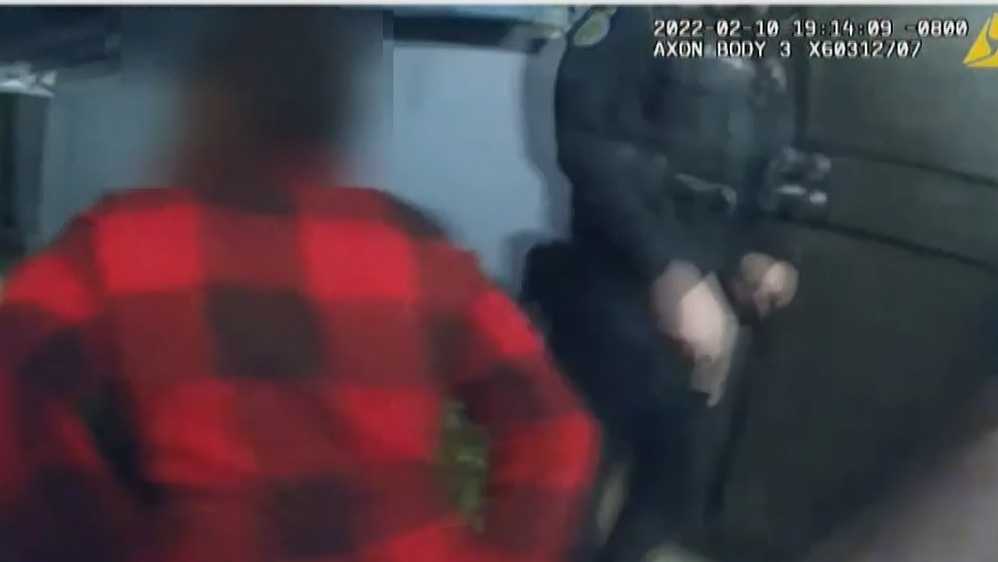
An audit of complaints against Sacramento police officers revealed a 10-year-old girl was handcuffed in her pajamas during a probation search related to a stolen car and firearms investigation. The city’s Office of Public Safety Accountability called for a policy on handcuffing minors. The police chief said there is no circumstance where it’s OK to handcuff a 10-year-old, regardless of race. The audit also found a pattern of Fourth Amendment violations of Sacramento community members, specifically Black and Latino community members, during police-citizen interactions. Recommendations for more “clear” policy changes included developing a policy related to handcuffing minors and receiving continuous education and training on implicit bias.
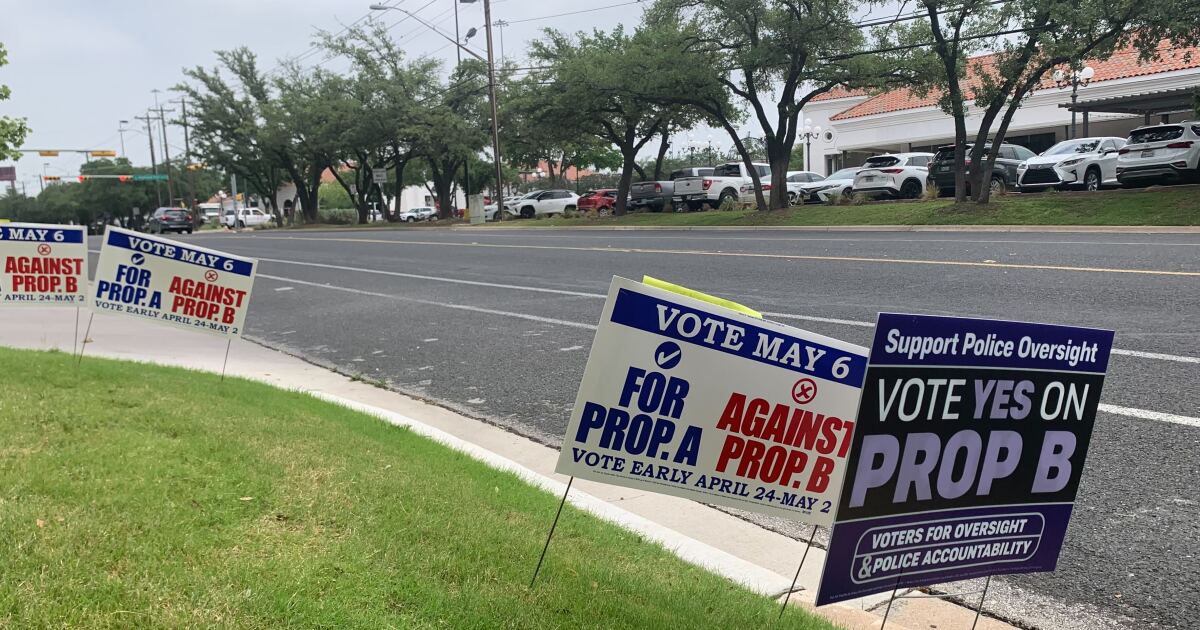
Early voting results show that 80% of Austin voters support Proposition A, which would expand civilian oversight of the police department, while 81% voted against Proposition B, which would curtail citizen oversight and was backed by the police union. Proposition A, backed by Equity Action, would give the citizen-led Office of Police Oversight more access to investigations and expand its role in fielding complaints and disciplinary decision-making. Just under 7% of voters cast a ballot during early voting.
Foul play is suspected in the death of Jude Walton, a former police oversight commissioner, who was found dead in her Ann Arbor, Michigan home. Police found evidence of forced entry and signs of trauma on her body. The death is being investigated as a homicide and an autopsy is scheduled for Friday. Walton was a former commissioner of the Independent Community Police Oversight Commission and worked as a Director of Employee Experience at Avalon Housing.
The Tennessee Legislature is considering a bill that would dissolve community-led police oversight boards in Nashville and Memphis and replace them with advisory groups with little power to investigate citizen complaints. The proposed seven-member “police advisory and review committees” would be selected solely by a city’s mayor and would lack investigatory powers. The committees would exist only in cities that opt to establish them. The bill is one of several this year pitting members of the GOP-controlled state Legislature against the state’s biggest and largely Democratic cities, particularly Nashville.