In New York City, nannies are increasingly demanding higher pay and better working conditions, with some receiving offers over $150,000 annually, as they organize online and push for legal protections amid changing parental expectations and surveillance practices.
The US labor movement faces significant challenges under Trump, including a crippled NLRB, legal delays, and hostile policies, which hinder workers' rights to organize and protect their interests, despite some recent victories like the Whole Foods unionization.
Rockstar Games fired 34 employees, allegedly to prevent unionization, prompting protests and legal action by the IWGB union. The firings, which followed union recognition efforts, are viewed by critics as unlawful, and the situation has sparked wider industry and public support for worker rights at Rockstar.
US Customs has detained Giant bikes and parts from Taiwan over forced-labor allegations, issuing a Withhold Release Order that affects products exported to the US, while Giant works to address the issues and seek revocation of the order.
The Federal Trade Commission is reversing its previous ban on noncompete agreements, citing legal challenges and authority concerns, with the new approach focusing on enforcement rather than a nationwide ban, sparking debate over worker protections and business impacts.
Blizzard's Diablo team has formed a union with over 450 members, joining other Microsoft workers in seeking better job security, fair compensation, and improved workplace conditions following recent layoffs, as part of a broader movement across the gaming and entertainment industries.
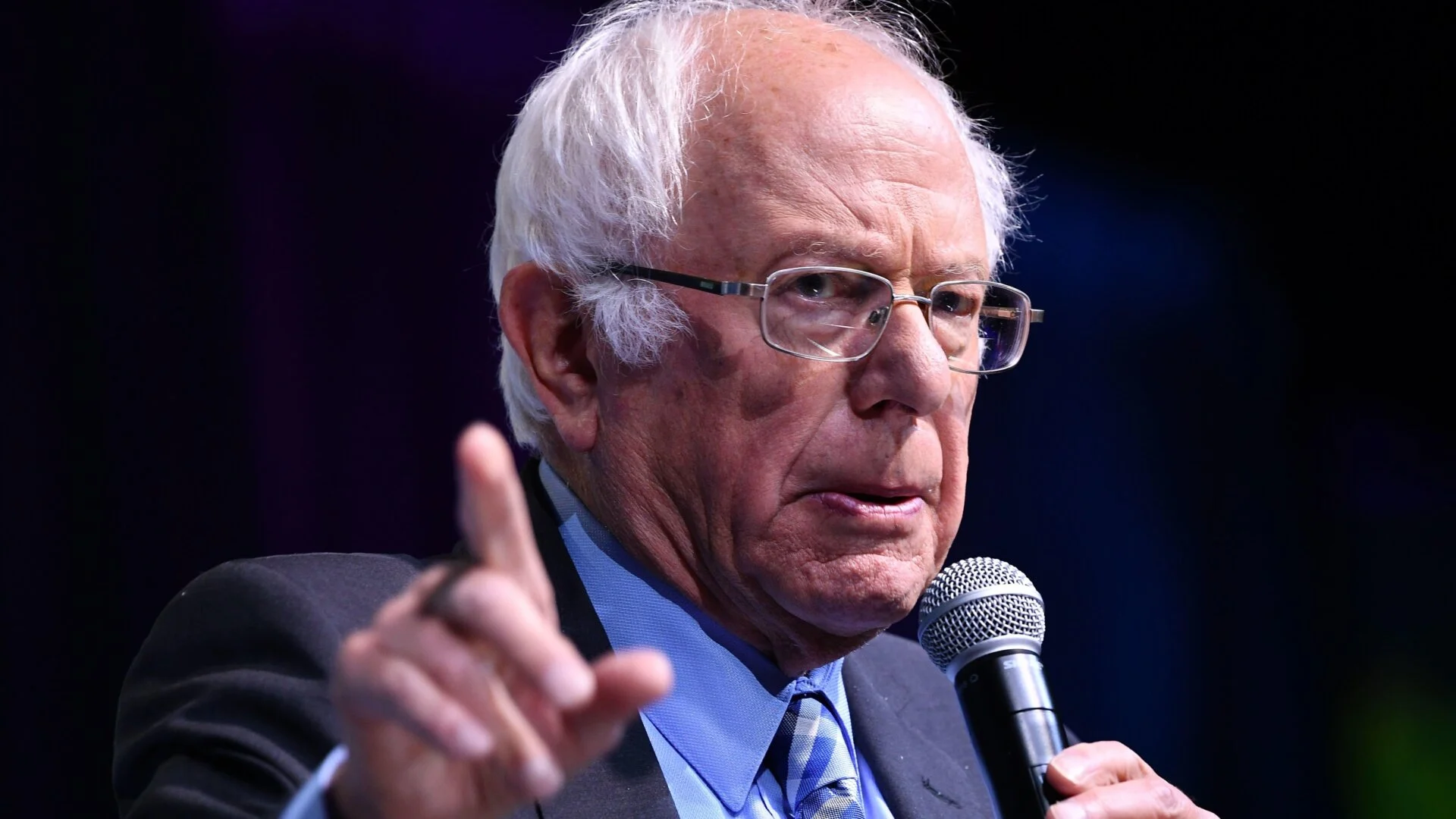
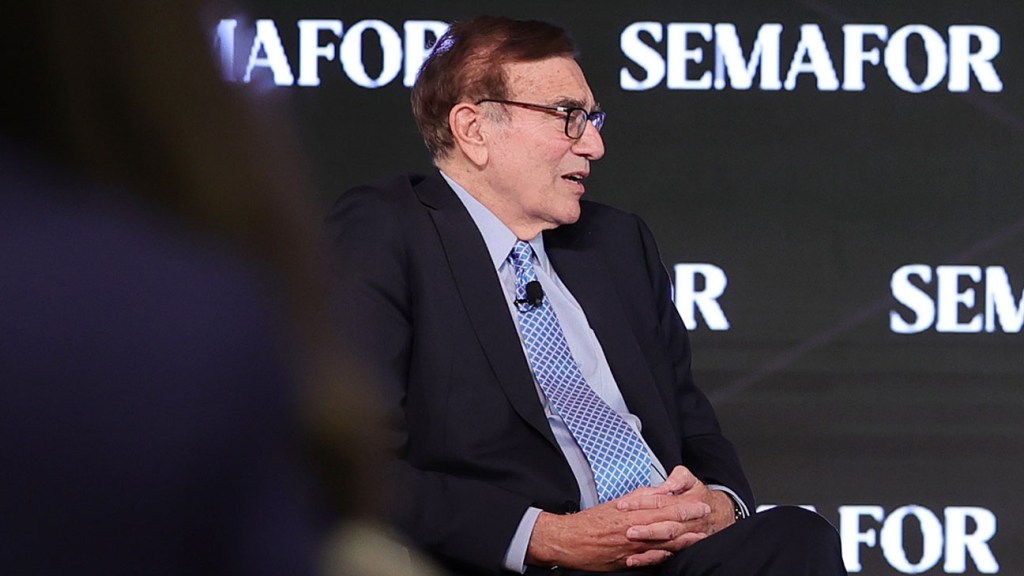
Senator Bernie Sanders warns that AI could exacerbate economic inequality, suppress wages, and threaten mental health, emphasizing the need for policies that ensure workers benefit from technological advancements and cautioning against potential loss of human control over AI. He advocates for shorter workweeks without pay loss and stronger union protections to counteract corporate greed and safeguard human well-being.
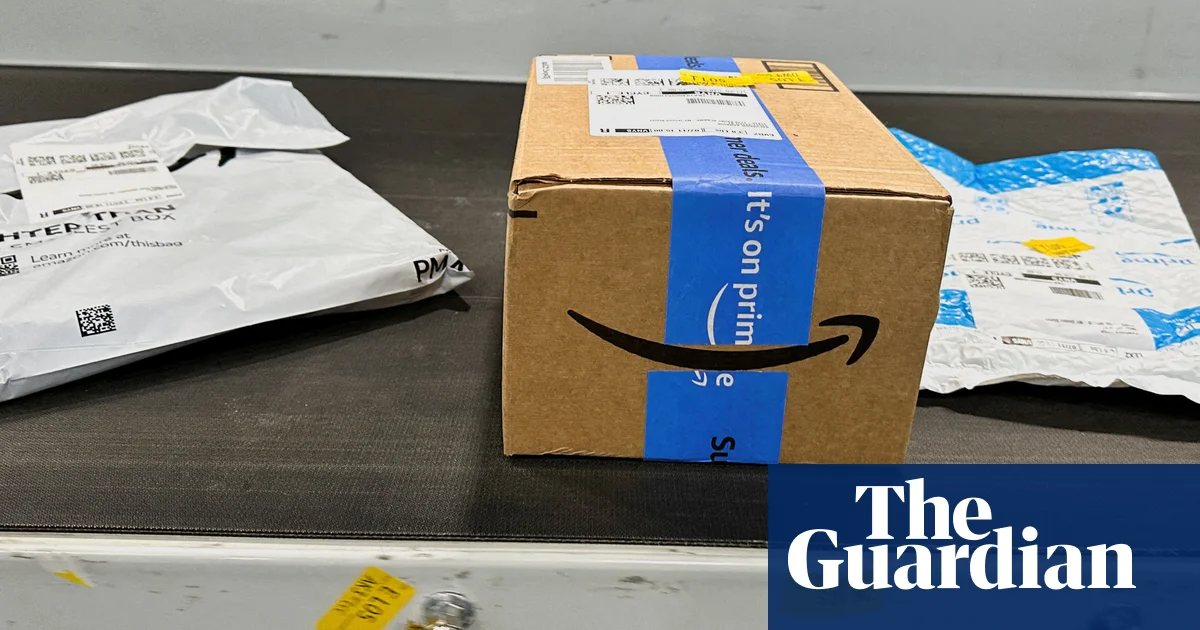
Disabled Amazon workers allege systemic discrimination, retaliation, and unfair treatment, including denial of accommodations and suppression of organizing efforts, with claims of AI-driven processes violating disability laws. Amazon disputes these allegations, asserting their processes are compliant and non-retaliatory.
The article exposes the hidden human toll of AI content moderation, highlighting how workers, mainly in the Global South, face psychological trauma, exploitation, and silence due to NDAs and outsourcing practices. It calls for global reforms to protect these workers' rights, mental health, and to dismantle the oppressive systems that profit from their suffering.
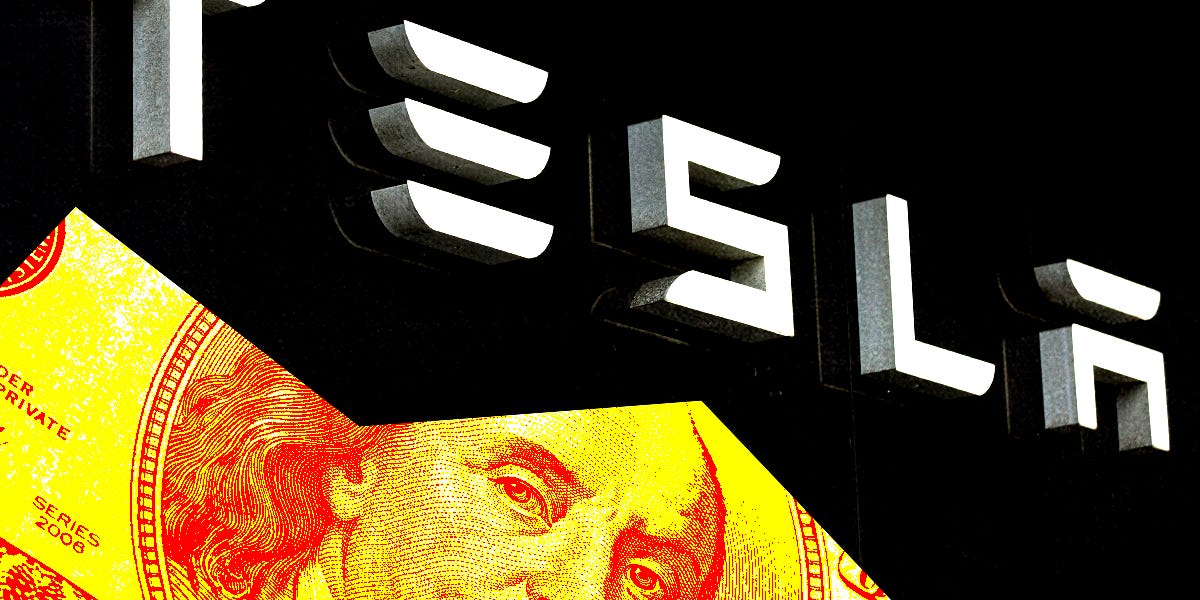
Some laid-off Tesla workers received notifications that their separation agreements had been canceled, with new ones expected, following Elon Musk's acknowledgment of incorrectly low severance packages. The packages didn't seem to account for the length of employment, and some workers had yet to receive any information about severance. This comes after Musk announced plans to cut over 10% of Tesla's workforce, triggering concerns about compliance with labor laws.
Tesla has begun sending out severance information to laid-off workers, offering two months of severance pay and covering the cost of COBRA health insurance for two months. The company is requiring workers to sign a contract that includes clauses prohibiting them from participating in lawsuits against the company, sharing trade secrets, or publicly defaming Tesla. The severance agreement must be signed within five business days, and workers will receive their severance pay 45 days after their termination date. However, some impacted workers have yet to receive severance information, and the agreement does not include details about equity awards or unused paid time off.
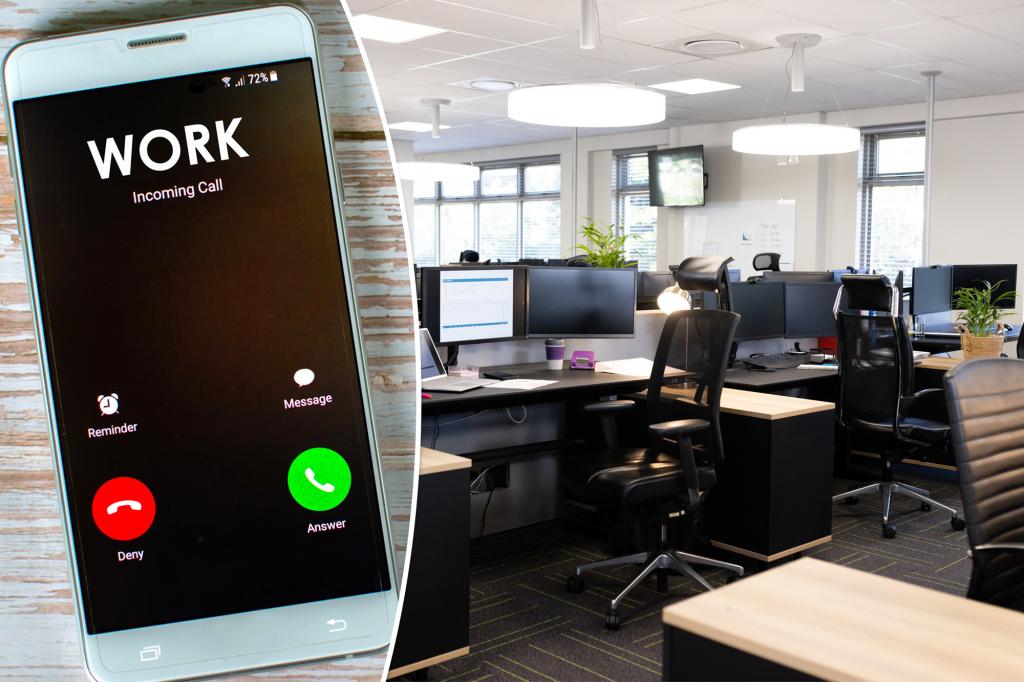
California Assemblyman Matt Haney has introduced a bill that would require employers to establish a policy allowing employees to disconnect from work communications during nonworking hours, except in emergencies or for scheduling. The bill aims to address worker burnout and blurred work-life boundaries, and if passed, California would be the first state in the U.S. to consider such a law. Several countries have already enacted similar laws, and studies have shown that such measures lead to healthier, happier, and more productive workers. Haney believes this law will help California compete for skilled workers and improve the state's tech sector.
The Messenger, a news startup, is being sued by former employees for allegedly failing to provide proper notice of mass layoffs, in violation of New York's Worker Adjustment and Retraining Notification Act. The lawsuit seeks to represent over 300 ex-workers and recover up to 60 days in unpaid wages and benefits. The company claims it was unsuccessful in raising capital to continue operations and therefore sent less than 90 days notice, but ex-employees argue that the layoffs were a foreseeable result of the company's financial situation.
France's CNIL has fined Amazon $35 million for "excessively intrusive" worker surveillance, citing violations of the EU's GDPR. The commission found Amazon's scanning speed systems, data collection practices, and downtime measurements to be "excessive" and in violation of GDPR articles. Amazon defended its practices as necessary for employee safety and efficiency, but workers in the US have also raised concerns about constant surveillance and productivity monitoring.
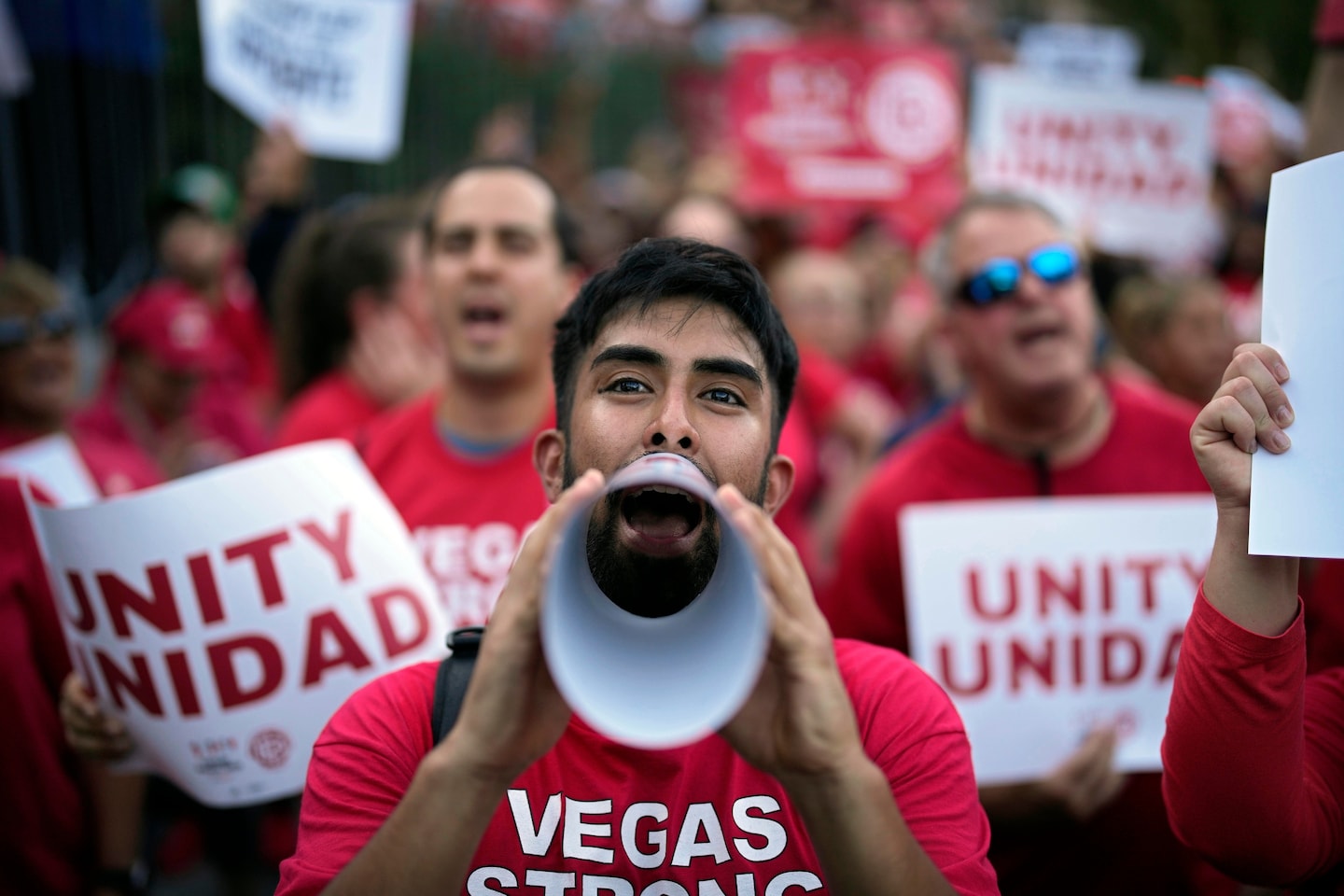
The share of American workers in unions dropped to a record low of 10 percent in 2023, despite unions gaining 139,000 new members. The decline was driven by a surge in nonunion job growth, particularly in the private sector. President Biden's emphasis on creating union jobs contrasts with the shrinking U.S. labor movement, although support for unions has surged among Americans. Challenges in joining unions and labor laws stacked against workers contribute to the decline, with recent efforts to secure union contracts at companies like Amazon and Starbucks facing pushback.