Tag

Winemaking

All articles tagged with #winemaking

food-and-drink1 year ago

"Revealing the True Taste of Roman Wine: New Research Surprises Experts"

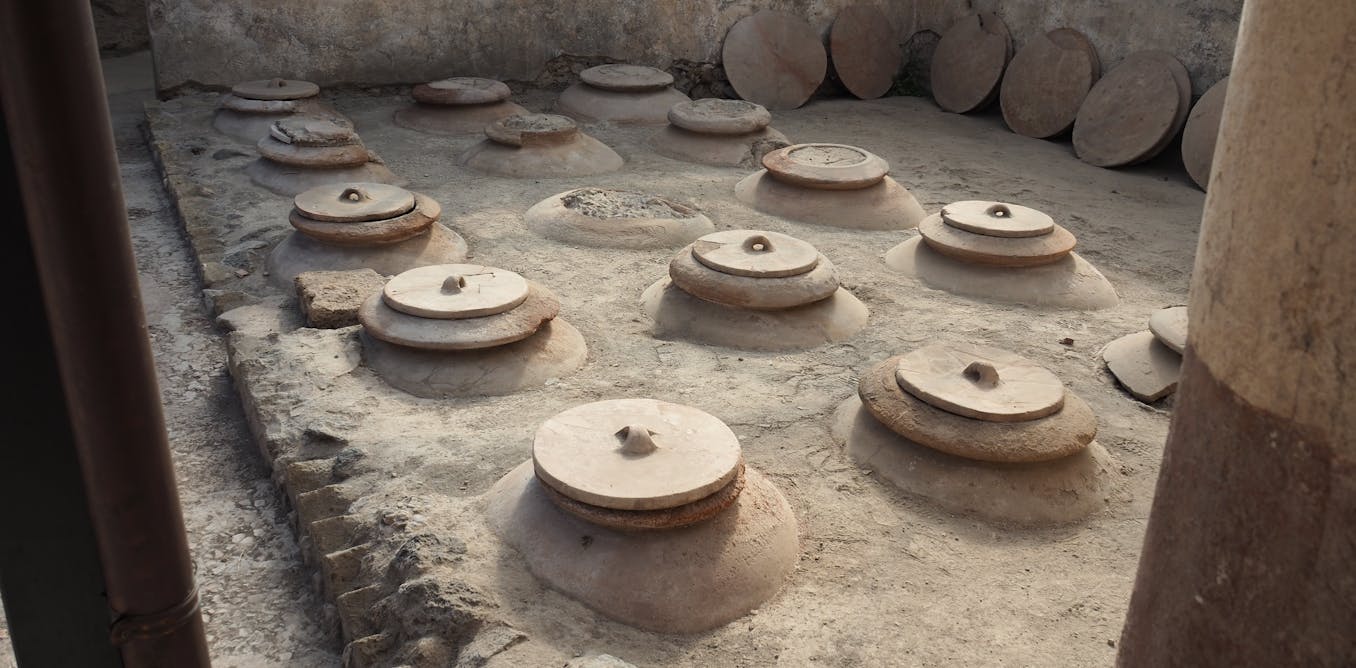
Recent research challenges the traditional view of Roman wine as unpleasant, revealing that Roman winemakers may have produced wines comparable to fine wines of today. The study compared Roman dolia with traditional Georgian qvevri, finding similarities in taste and aromas. The use of porous clay jars, controlled air contact, and burying the vessels in the ground allowed for temperature control and the development of protective yeasts, resulting in rich, balanced wines with grassy, nutty, and dried fruit flavors. This research highlights the value of comparing ancient and modern wine production techniques and the revival of ancient methods in some parts of Europe today.

science-and-technology1 year ago

"Innovative Technique Enhances Wine Quality, Say Scientists"

Scientists have discovered that using Torulaspora delbrueckii yeast in carbonic maceration wines enhances their color, aroma, and overall quality, while also accelerating the fermentation process. This breakthrough provides winemakers with a valuable tool to differentiate their products in a highly competitive industry. The research conducted by the Universitat Rovira i Virgili found that the quality of these wines can be increased by using this unconventional yeast, which considerably improves their organoleptic properties and speeds up the malolactic fermentation process. This discovery has the potential to produce high-quality wines and gives wine producers a new tool for differentiating their products in the market.

archaeology2 years ago

Luxurious Ancient Roman Winery Unearthed at Villa of the Quintilli

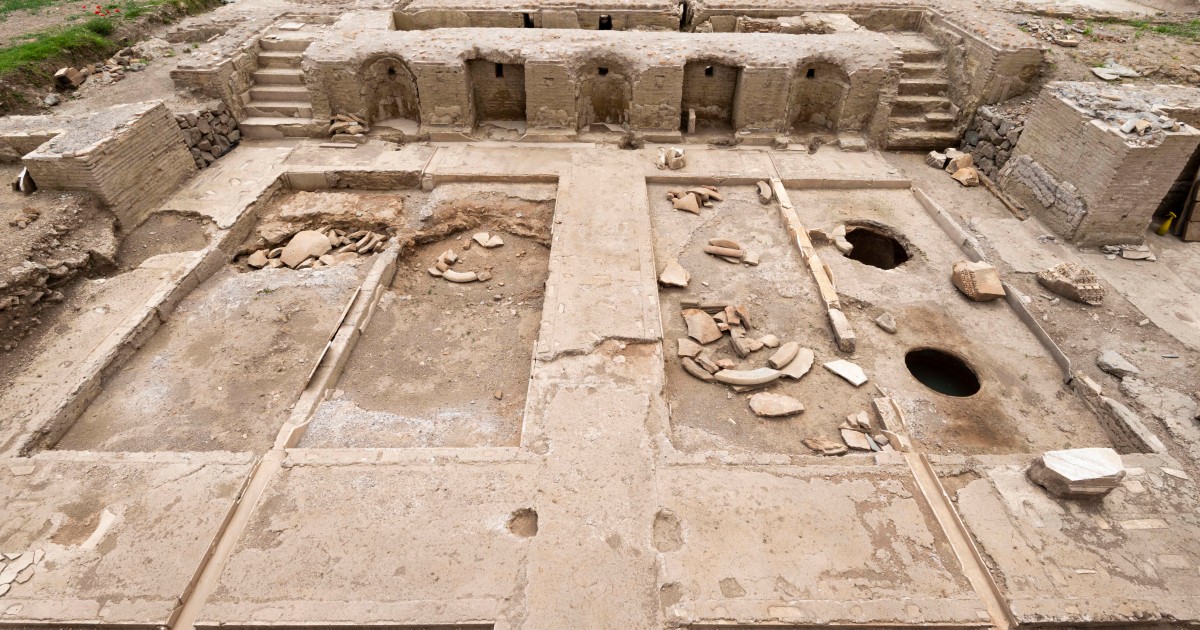
A newly discovered winery at the Villa of the Quintilii, south of Rome, sheds light on the luxurious lifestyle of ancient Roman aristocrats who gathered annually to watch wine being made at a purpose-built facility complete with marble-lined areas for treading grapes and gushing fountains of wine. The complex was built or expanded around 240 AD to allow the elite of the Roman world, possibly including emperors, to view the traditional production process. The level of decoration and comfort was "comparable to the sort of place the emperor would have been living in and staying in," according to an expert.