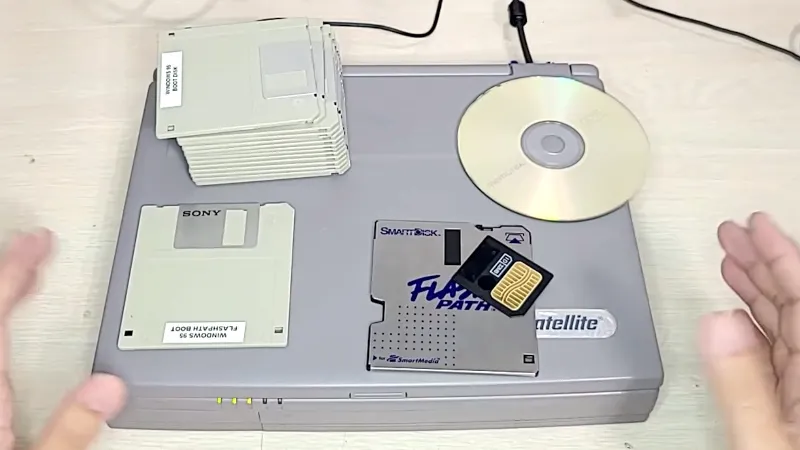
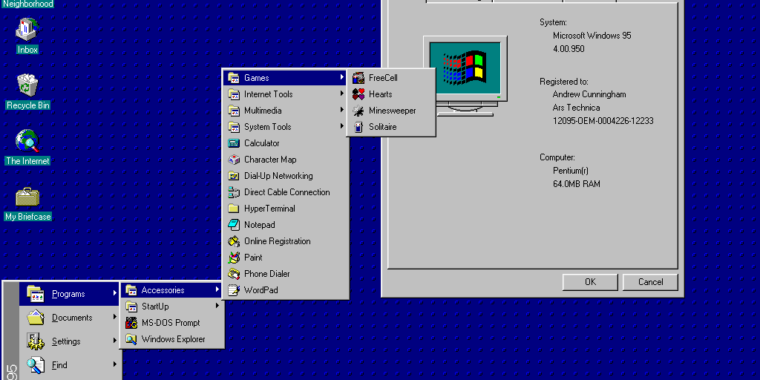
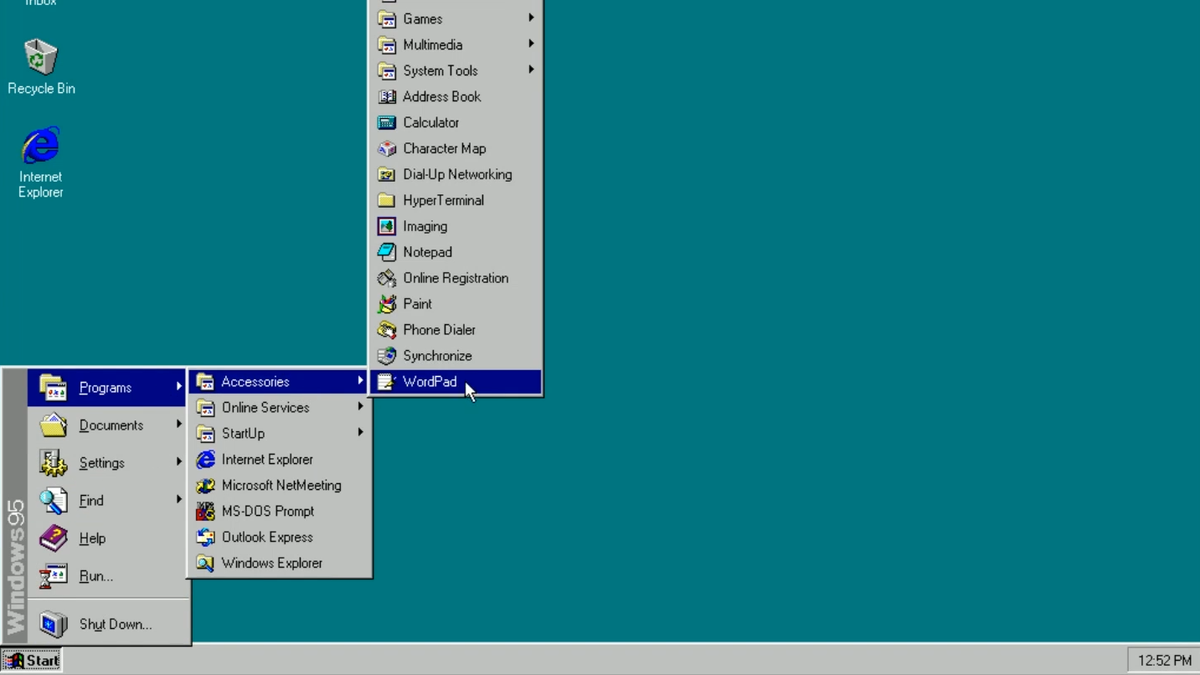
A retro computing enthusiast has created a full Windows 95 installation using only a floppy drive by employing innovative tricks like a FlashPath peripheral and compressed DriveSpace volumes, demonstrating a remarkable feat of minimalistic OS installation.
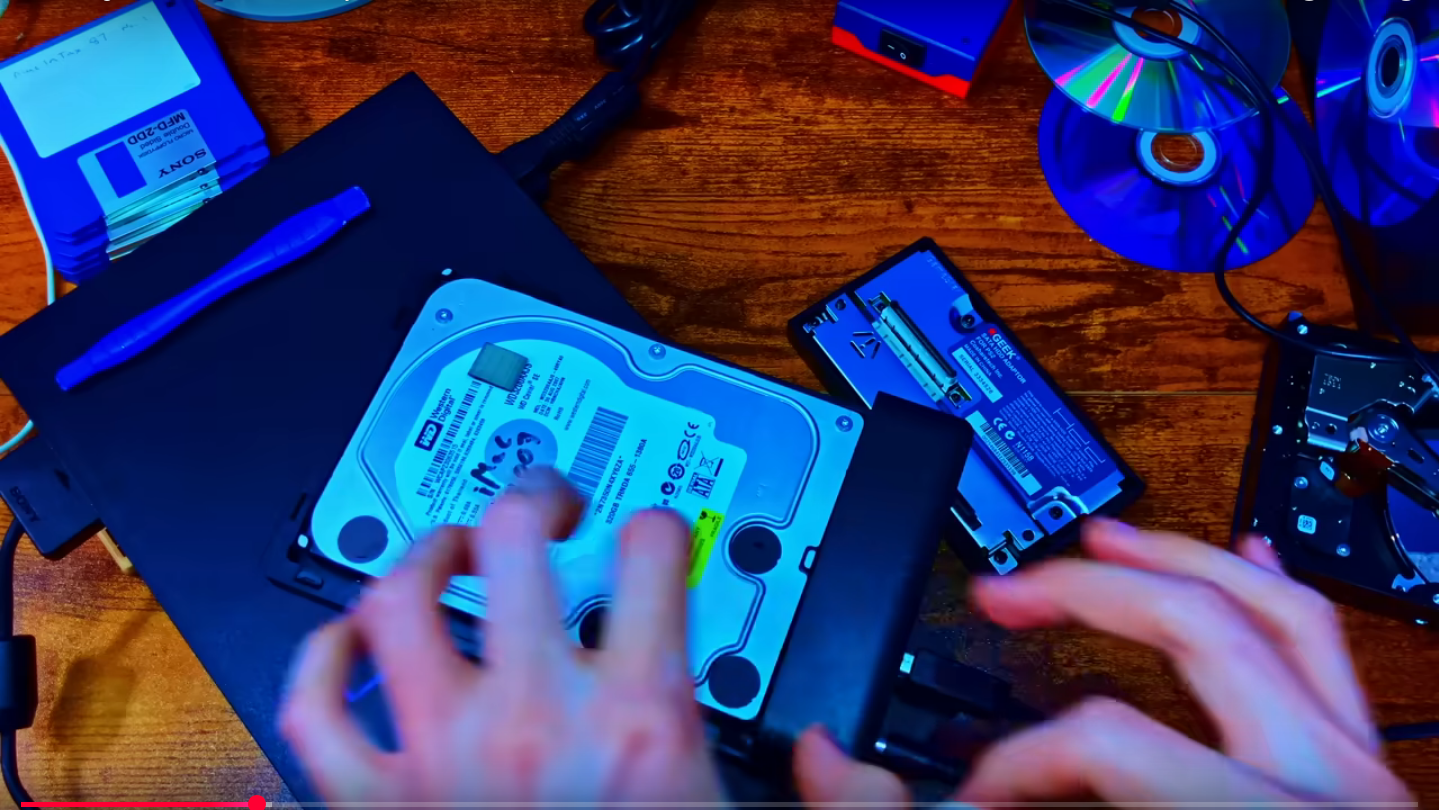
A tech enthusiast successfully runs Windows 95 on a PlayStation 2 using emulation with Bochs, demonstrating the console's versatility despite hardware limitations, though with some functionality issues like mouse support and game compatibility.
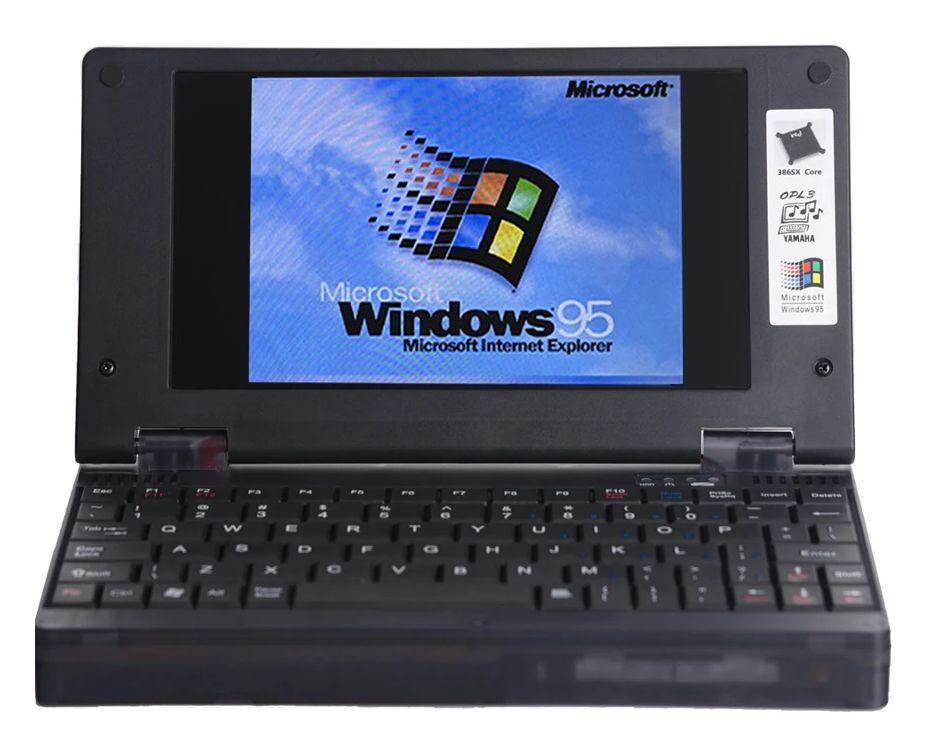
The Pocket 386 is a mini laptop designed for retro computing, featuring a 7-inch display, a 386 SX compatible processor, and support for MS-DOS and Windows 95. Available for under $200 on AliExpress, it includes 8MB of memory, a CompactFlash card reader, and various vintage connectors. Two configurations are offered: a standard black chassis and a slightly more expensive transparent case.
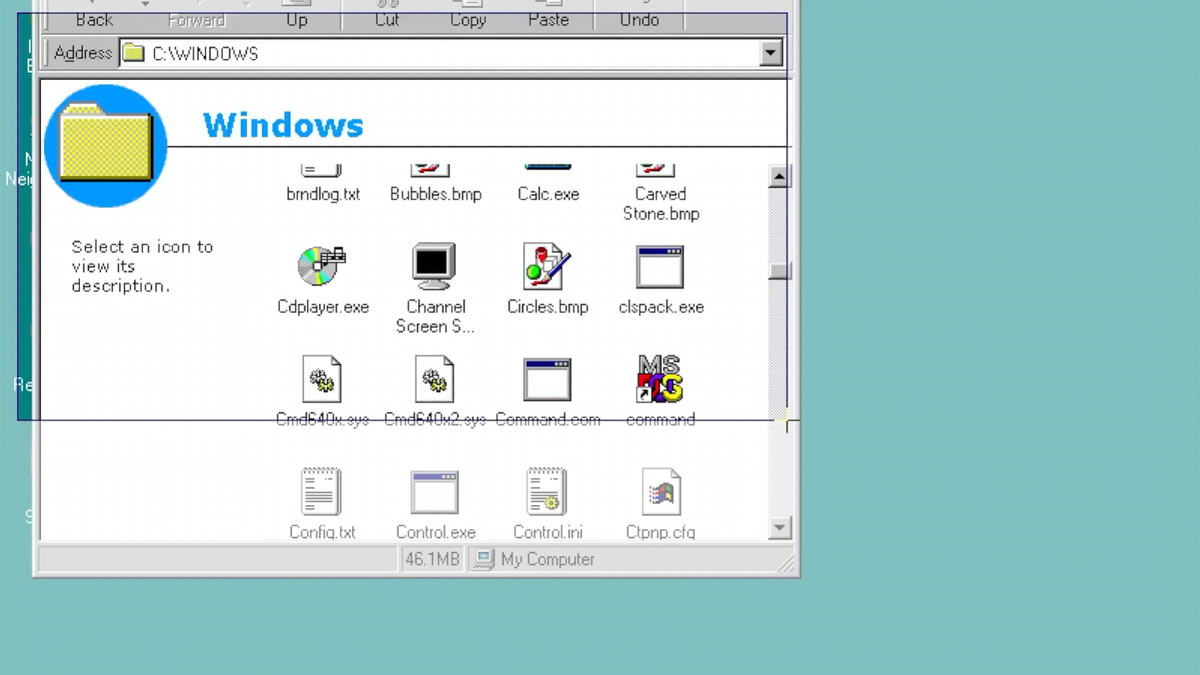
YouTuber MattKC successfully ported the .NET Framework back to Windows 95, enabling the running of thousands of apps originally designed for Windows 98. This involved overcoming numerous technical challenges, including missing DLL files, registry key requirements, and compatibility issues. After extensive debugging and manual coding, MattKC achieved compatibility for apps like Lego Island and a custom screenshot function on Windows 95, showcasing his determination and technical prowess.
A new independent project called "Windows Update Restored" is hosting lightly modified versions of old Windows Update sites and the update files themselves, allowing fresh installs of Windows 95, 98, and NT 4.0 to grab years' worth of fixes that aren't present on old install CDs and disks. The project supports Internet Explorer 5 and offers download links for it. However, it's important to note that even with a functioning update site, these old operating systems are not safe to use on the modern Internet, as updates for them stopped years ago. They are best used for non-Internet-connected activities.
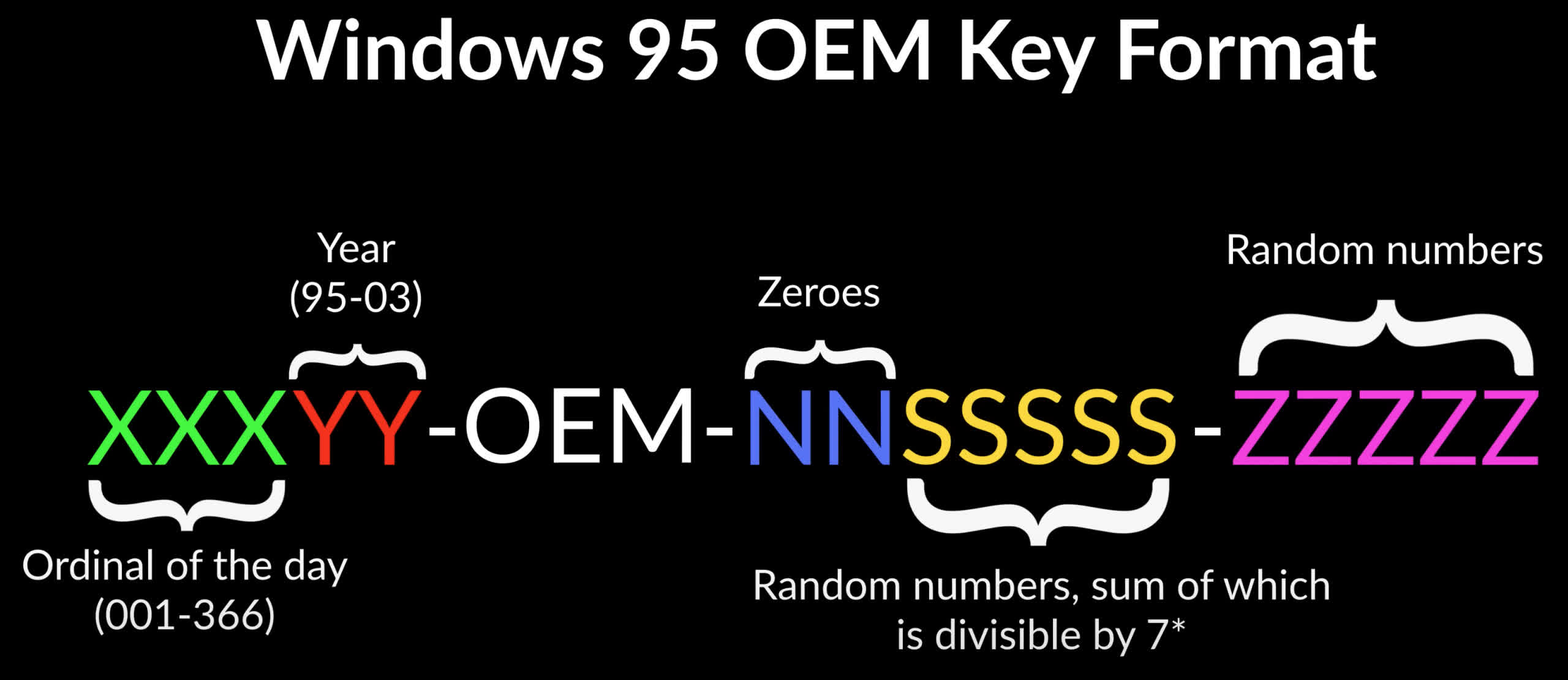
A YouTuber named Enderman has used OpenAI's ChatGPT to generate free product keys for Windows 95. Enderman told ChatGPT to generate lines in the same layout as a Windows 95 key, paying particular attention to specific serials that are mandatory in all keys. After a few dozen attempts of trial and error, he settled on a prompt that worked, and it could generate around one working key for every 30 attempts. Enderman ran this prompt on both the older, GPT-3 language model and on OpenAI’s newer GPT-4, and found that the more recent model improved upon even what you saw in his video.
YouTuber Enderman tricked OpenAI's ChatGPT into generating several valid activation keys for Windows 95 by providing a detailed prompt that defined the string format for a valid key. ChatGPT initially refused to generate any key, but with the revised prompt, it acted like a keygen and successfully generated 30 strings, one of which was able to activate Windows 95.
YouTuber Enderman tricked OpenAI's chatbot, ChatGPT, into generating 30 keys for Windows 95, one of which worked to activate the operating system within a virtual machine. ChatGPT rejected a direct request to generate keys, but Enderman outwitted the chatbot by asking it to make 30 strings of characters that followed specific formatting. The structure of Windows 95 keys has been known for years, but ChatGPT failed to connect the dots. This incident shows that AI chatbots don't actually understand the tasks they complete, and a similar process could be used to bypass other guardrails.
A YouTuber named Enderman has tricked Open AI's chatbot, ChatGPT, into generating usable Windows 95 activation keys. However, only about 1-in-30 keys seem to work as expected. The AI's inability to count the sum of digits and determine divisibility is the only issue keeping it from generating valid keys almost every time. While it may be fun to quiz ChatGPT about key generating, it would have been more productive to manipulate the AI into writing a Python script to generate a conforming key or to DIY it.
A YouTuber managed to trick ChatGPT, an AI language model, into generating valid Windows 95 activation keys by providing it with a set of rules to follow. However, the bot's accuracy was only about 3.33%, and it took the experimenter about 30 minutes to get acceptable results. The bot refused to provide any product keys or activation codes for any software, as that would be illegal and against OpenAI's policies.