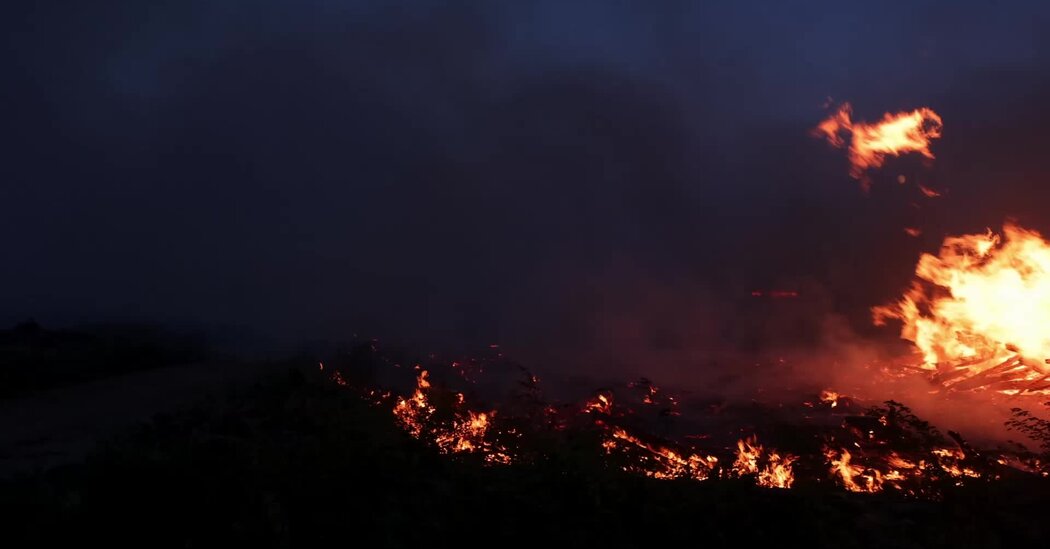
During Canada's intense wildfire season, farmers in British Columbia actively fought fires to save their farms, forming an ad hoc fire brigade using their land knowledge and equipment, highlighting community resilience amid slow official response times.
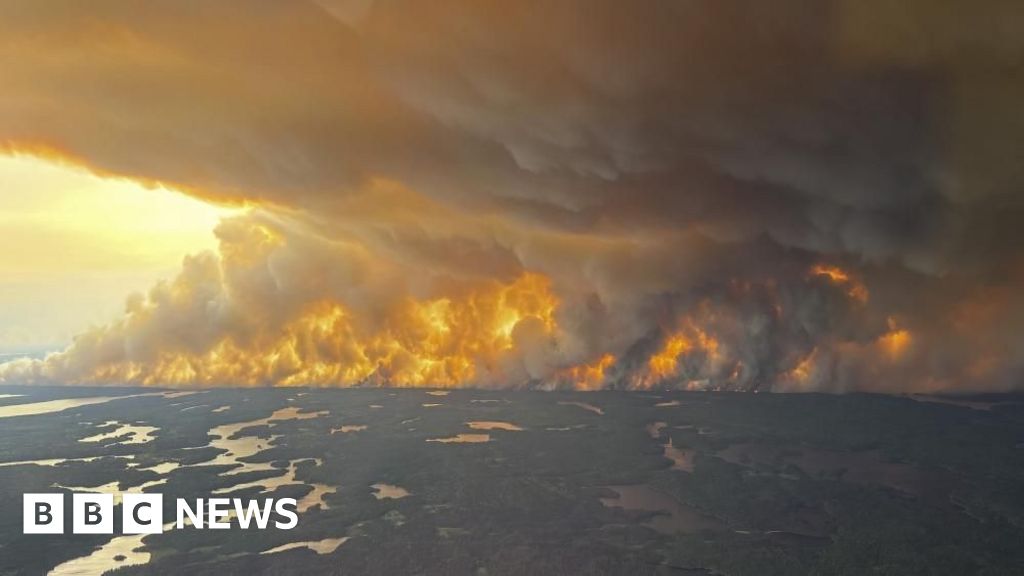
Canadian wildfires in Saskatchewan and Manitoba have led to evacuations and air quality alerts across North America, with hot, dry, and windy conditions fueling the fires amid concerns over climate change's role in worsening wildfire seasons.
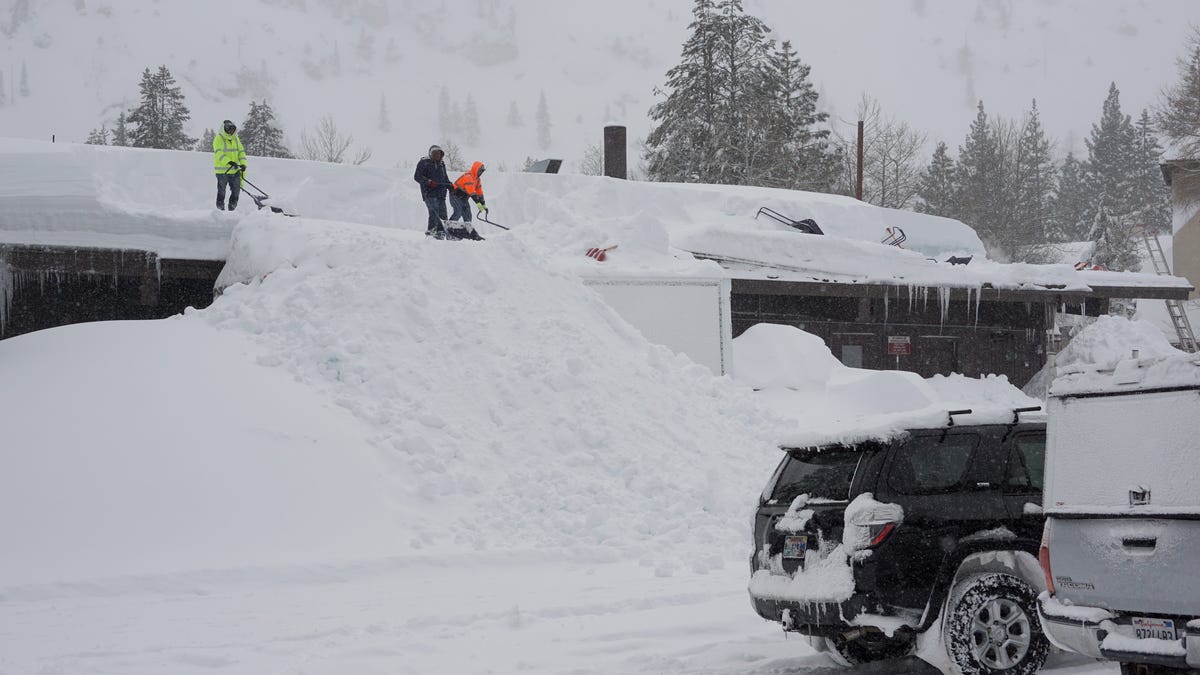
Recent storms have significantly improved the drought situation in the Western U.S., with California and Nevada essentially drought-free at the moment. While the wet winter has boosted snowpack levels and reservoirs, the long-term water crisis in the West remains a challenge due to outdated water laws, infrastructure, population growth, and climate change. The Colorado River Basin's giant reservoirs, Lakes Mead and Powell, are still at dangerously low levels despite recent increases. The improved snowpack and rainfall may decrease wildfire severity in California, but Arizona and New Mexico remain at high risk.
Police responded to a domestic disturbance call involving shots fired in northwest Albuquerque, resulting in an officer-involved shooting and one person in custody. Meanwhile, crews are preparing for wildfire season in New Mexico, with new rules in place for prescribed burns. A high wind warning is in effect for most of the state, with gusts up to 70 mph, and Bernalillo County has unveiled an initiative to keep guns off school grounds, with violators facing felony charges.