President Zelensky and ten Western leaders support Trump's proposal to base Ukraine peace negotiations on the current front line, emphasizing the need for Ukraine to be in a strong position and condemning Russia's obstruction, while planning further coordination at upcoming European meetings.
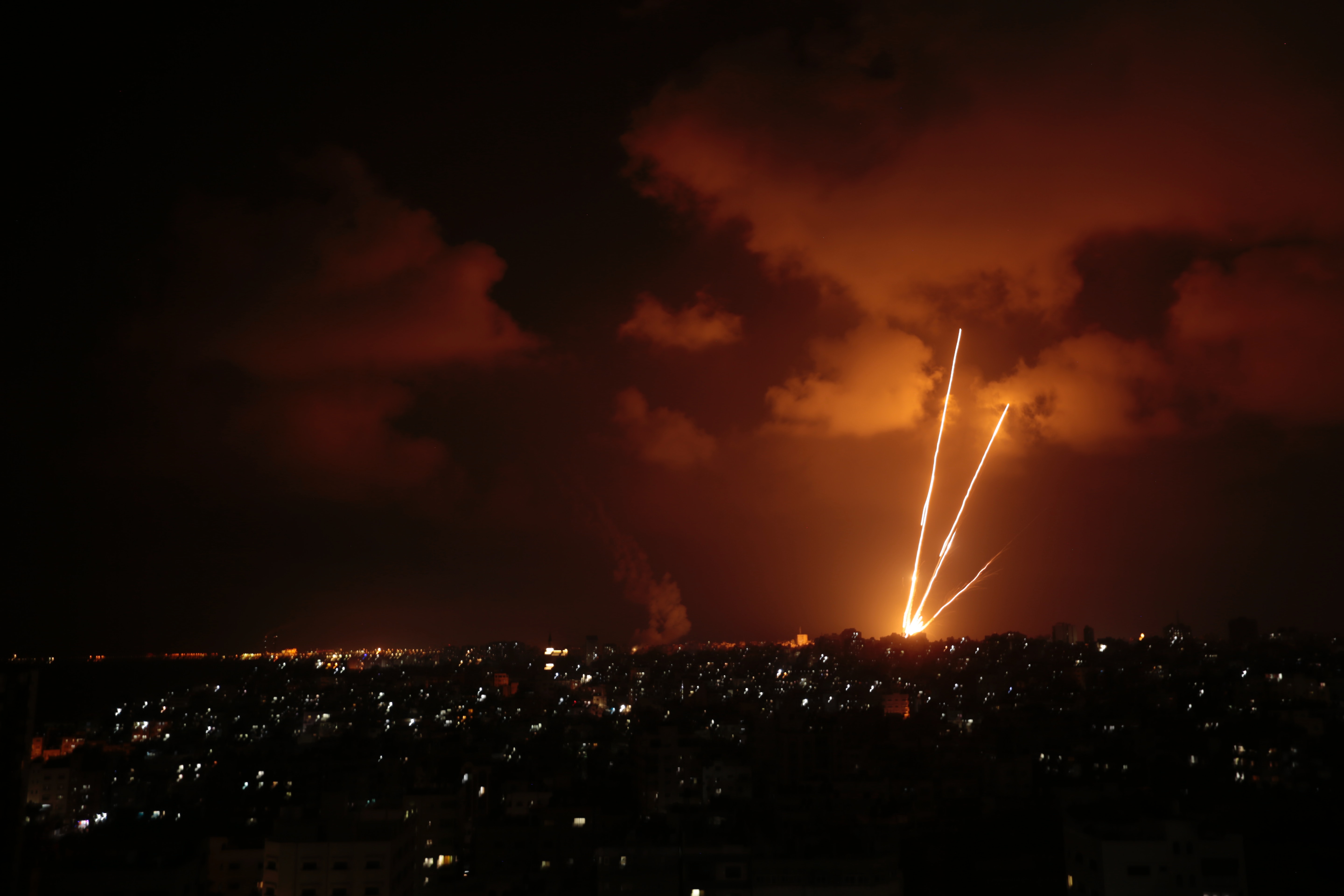
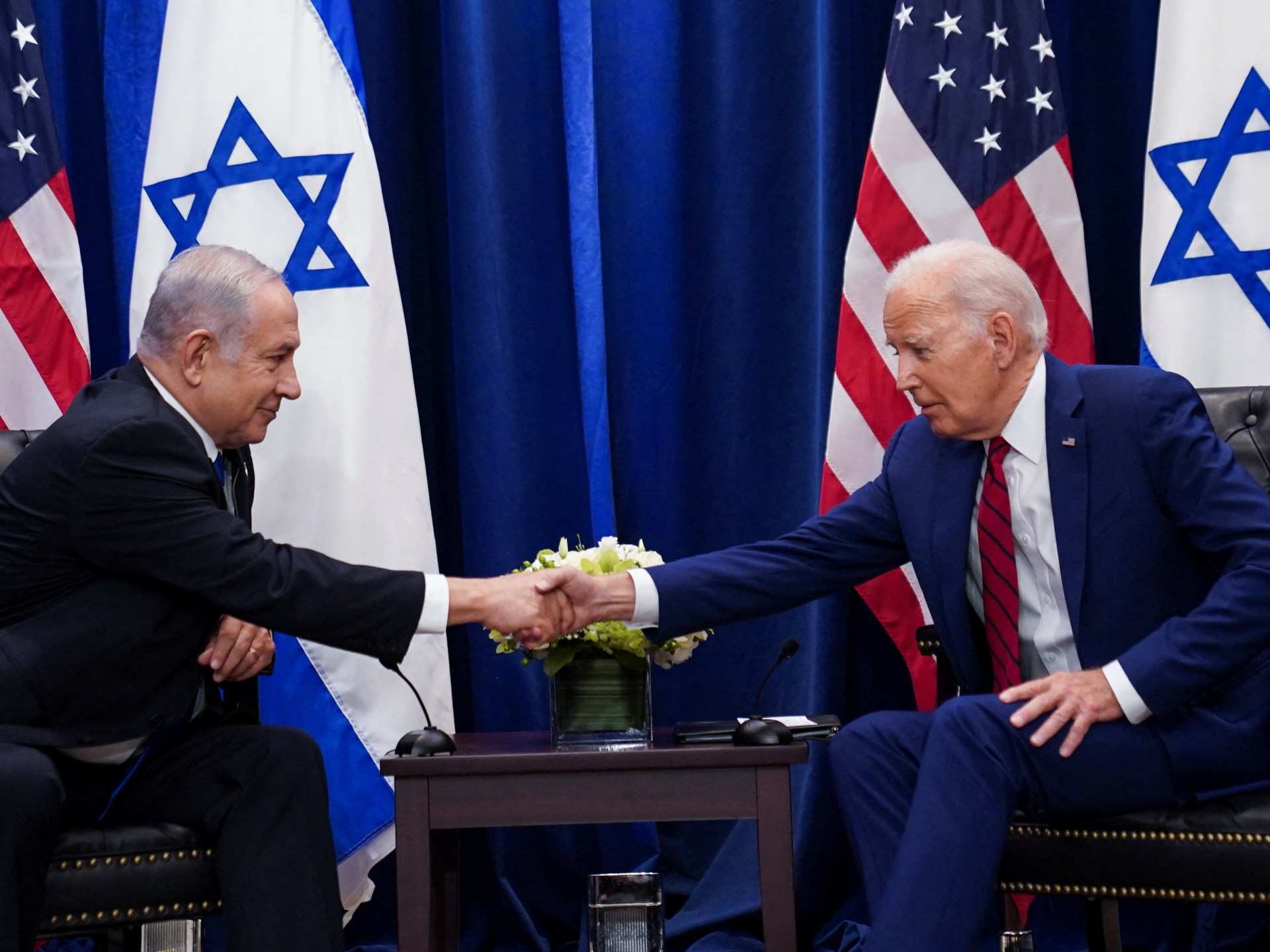
Israel's war cabinet convened as western leaders urged restraint following an Iranian attack. Tensions escalated after an Israeli-operated tanker was struck by a drone off the coast of Oman, resulting in the death of two crew members. The incident prompted concerns about a potential military response from Israel against Iran. Amid international calls for de-escalation, Israel's war cabinet met to discuss the situation and consider potential courses of action.
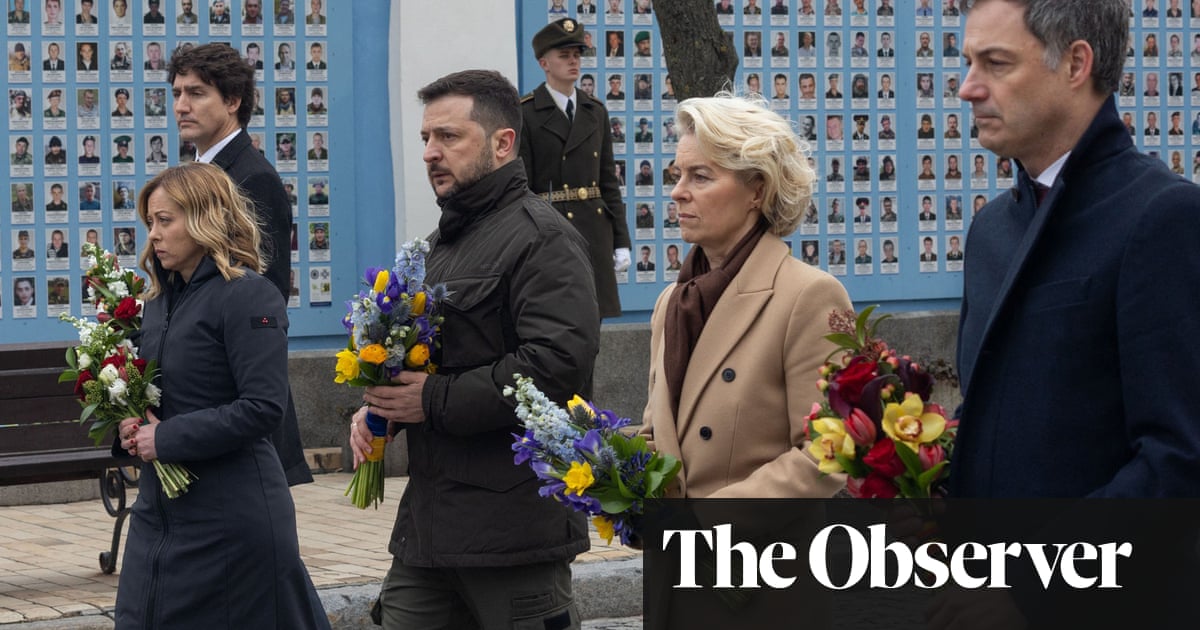
Volodymyr Zelenskiy hosted western leaders in Kyiv to mark the second anniversary of Russia's invasion of Ukraine, declaring that Vladimir Putin "must lose absolutely everything." The leaders visited Hostomel airport, near Kyiv, which Russian paratroopers seized at the start of the attack. Zelenskiy also spoke with Joe Biden and Boris Johnson, with the latter expressing confidence in US approval of a military aid package for Ukraine. Despite ongoing attacks, including Russian drones hitting Odesa and Dnipro, Ukraine's national security adviser complained about the lack of long-range systems from the west.
Four Western leaders, including the prime ministers of Italy, Canada, and Belgium, arrived in Kyiv to show solidarity with Ukraine on the second anniversary of Russia's invasion. They traveled to the Ukrainian capital together overnight by train from neighbouring Poland, and Italy's Giorgia Meloni was due to host a videoconference involving leaders from the Group of Seven major democracies, with Ukrainian President Volodymyr Zelenskiy invited to join the discussion.
Western leaders, including Joe Biden, Emmanuel Macron, and Rishi Sunak, are facing intense domestic pressure to tackle immigration, which is derailing their governments. The issue of migration is becoming a major challenge for leaders in Europe and America, with far-right, anti-migrant populists gaining support and mainstream parties struggling to find long-term solutions. The upcoming elections in 2024 add to the stakes. Leaders such as Rishi Sunak, Emmanuel Macron, Joe Biden, Olaf Scholz, Geert Wilders, Leo Varadkar, Justin Trudeau, Pedro Sánchez, Kyriakos Mitsotakis, and Nikos Christodoulides are all grappling with the political consequences of migration and the need to find effective policies to address the issue.
This article criticizes Israeli Prime Minister Benjamin Netanyahu and Western leaders for their support of Israel's actions in Gaza, accusing Israel of engaging in ethnic cleansing and targeting hospitals and evacuation centers. The author argues that Israel's goal is to make life unlivable in Gaza and force the civilian population to abandon their homes. The article also highlights the complicity of Western media in normalizing Israeli actions and calls out the hypocrisy of Western leaders who express concern for civilian casualties while providing support to Israel.
Western leaders are increasing pressure on Israel to end the killing of civilians in Gaza, as the conflict between Israel and Hamas continues. Calls for a ceasefire and the protection of civilians have intensified, with leaders from the United States, United Kingdom, and other Western countries urging Israel to exercise restraint and avoid disproportionate use of force. The escalating violence has resulted in a growing death toll and widespread destruction in Gaza, prompting international concern and calls for a peaceful resolution to the conflict.
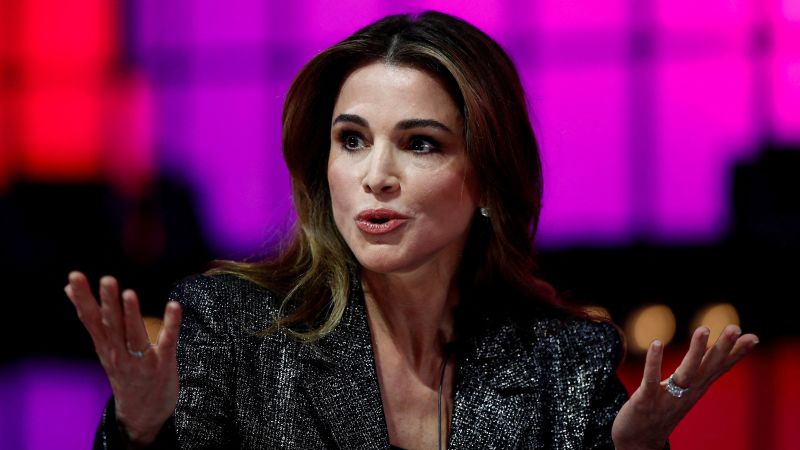
Queen Rania of Jordan has criticized Western leaders for their "glaring double standard" in failing to condemn the deaths of civilians in Gaza under Israeli bombardment. She expressed disappointment in the world's reaction to the unfolding catastrophe and highlighted the silence surrounding the suffering in Gaza. The death toll from Israeli strikes in Gaza has surpassed 5,000, including over 2,000 children, according to the Palestinian Ministry of Health. Arab leaders have expressed frustration with the US's support for Israel's actions, and there are growing concerns that the conflict could escalate and displace millions of Palestinians. Queen Rania emphasized the need for a two-state solution to establish a free and independent Palestine living alongside Israel.
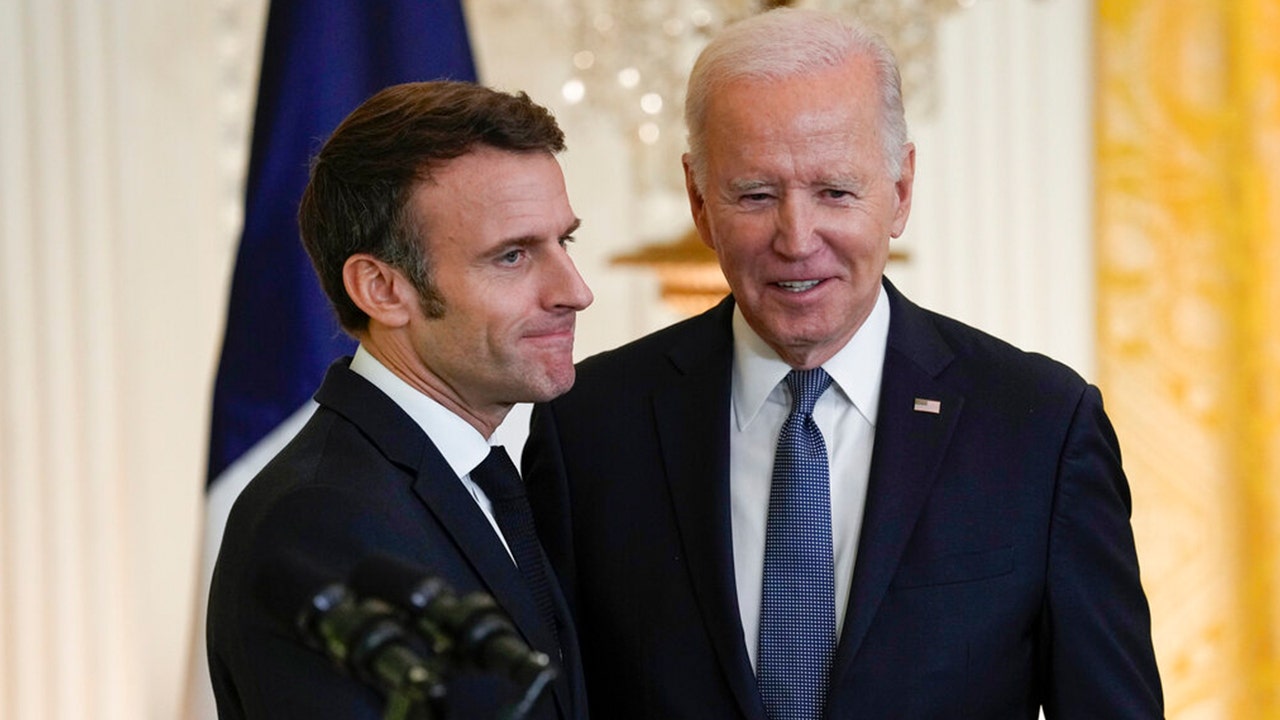
President Biden and Western leaders, including Canada, France, Germany, Italy, and the UK, have reaffirmed their support for Israel's right to defend itself against Hamas attacks while urging the protection of civilians and adherence to international humanitarian law. They welcomed the release of two hostages and called for the immediate release of all remaining hostages. The leaders also committed to coordinating efforts to support their nationals in the region, including those wishing to leave Gaza. They discussed the arrival of aid convoys in Gaza and pledged to continue providing humanitarian assistance. Efforts to secure the release of additional hostages and assist civilians wishing to evacuate were also discussed.
Western leaders, including US President Joe Biden and UK Prime Minister Rishi Sunak, have faced accusations of hypocrisy over their response to the conflicts in Palestine and Ukraine. Critics argue that while they support Ukraine's right to defend itself against Russian aggression, they condemn Palestinians fighting against Israeli occupation. Social media users have highlighted the alleged double standards, pointing out that Western diplomats and media often label Palestinians as "terrorists" while praising Ukrainians defending their land. The issue of Western double standards in their stance on the Ukraine war and the Israeli-Palestinian conflict has been raised before, with Amnesty International highlighting the West's "double standards" on global human rights. Some caution against comparing conflicts, while others argue that Hamas and the Palestinians should not be seen as one and the same.
Joe Biden has reached out to western leaders to provide reassurance and support for Ukraine, amid concerns over Russian aggression. The US President's calls aim to strengthen alliances and ensure continued aid to Ukraine, as tensions escalate in the region.
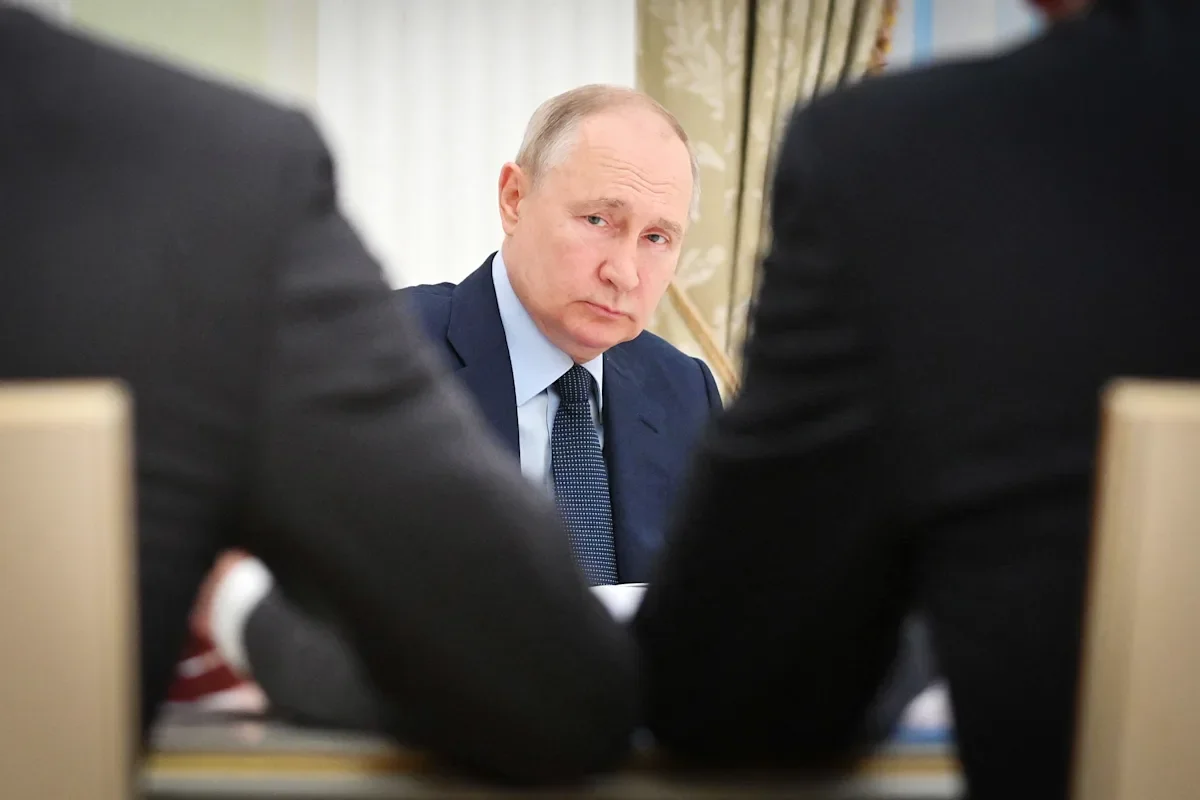
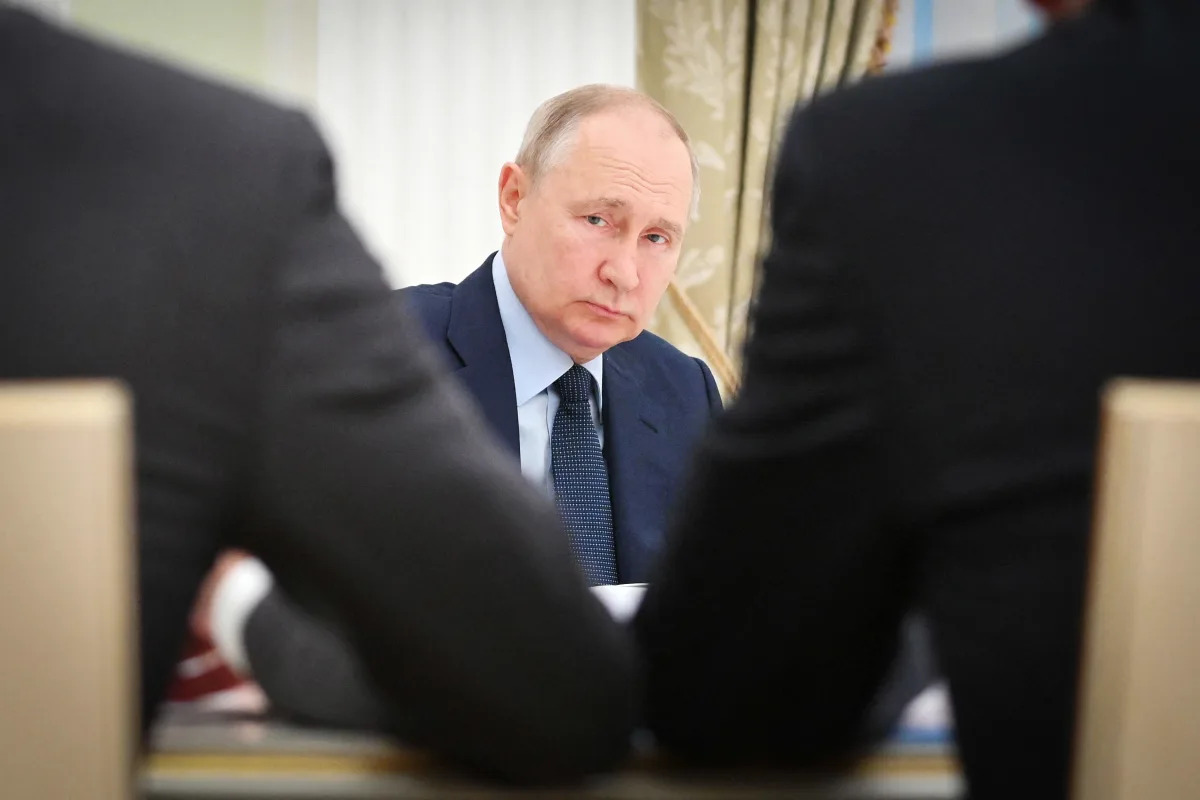
Russian President Vladimir Putin is considering attending the G20 summit in person, which would be his first in-person meeting with Western leaders since the invasion of Ukraine in 2022. Putin, who is facing an election in nine months, wants to relaunch himself on the world stage and woo countries that are not aligned with the West. However, attending the summit comes with risks, as he would face challenging questions from journalists and potential confrontation over alleged war crimes in Ukraine. The G20 summit is already expected to be contentious, with differences over Ukraine causing tensions among member countries. Putin's decision to attend will depend on guarantees of being able to present the Russian point of view and the possibility of bilateral meetings with world leaders.
Russian President Vladimir Putin is considering attending the G20 summit in person, which would be his first in-person meeting with Western leaders since the invasion of Ukraine in 2022. Putin wants to relaunch himself on the world stage and woo countries that are not aligned with the West. However, attending the summit comes with risks, as he would face challenging questions from journalists and potential confrontation over alleged war crimes in Ukraine. The G20 summit is already expected to be contentious, with countries taking different positions on Ukraine. Putin's decision will depend on guarantees of presenting the Russian point of view and the possibility of bilateral meetings with world leaders.
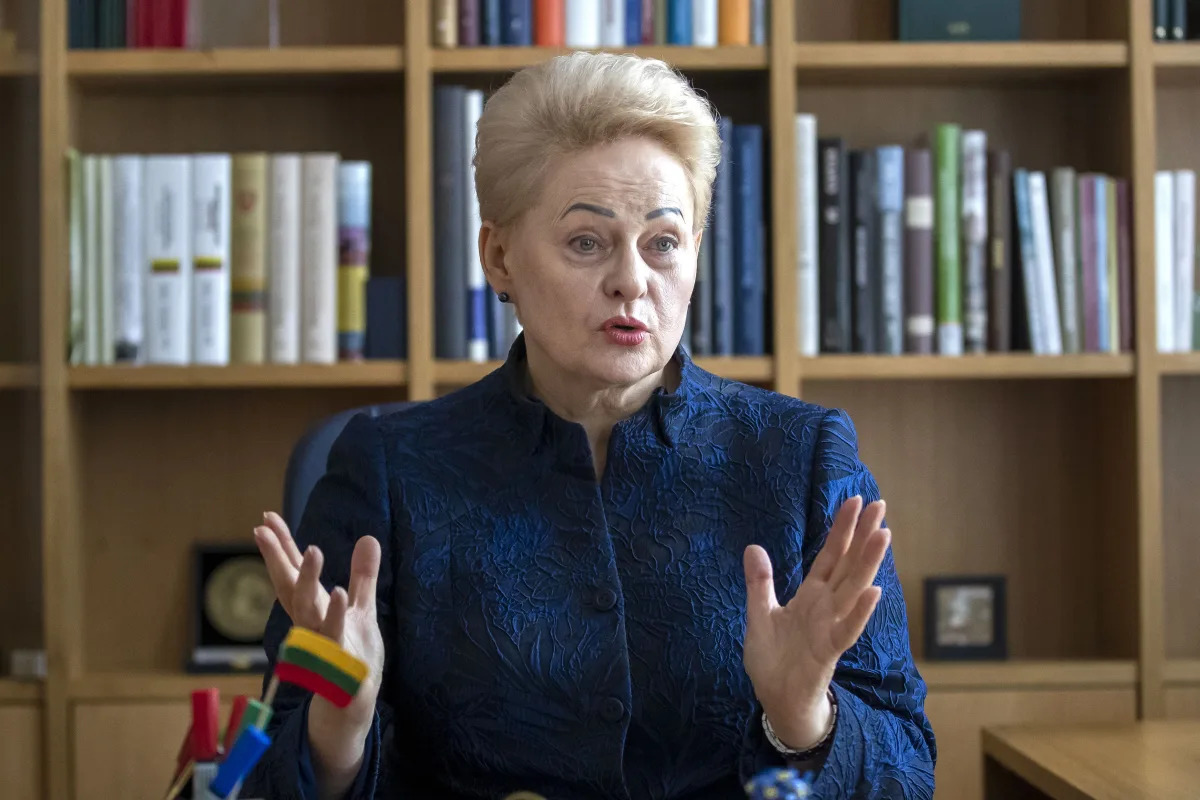
Lithuania, hosting the upcoming NATO summit, hopes for a historic outcome that addresses the threat posed by Russia. However, skepticism remains among some locals, including Lithuania's former president, Dalia Grybauskaite, who believes that Western leaders still fail to understand the true intentions of Moscow. Resentment towards Russia runs deep in Lithuania and its Baltic neighbors, and they remain skeptical of peaceful coexistence. Lithuania is investing heavily in its military and advocating for Ukraine's inclusion in NATO, emphasizing the need to address the security of NATO territory.
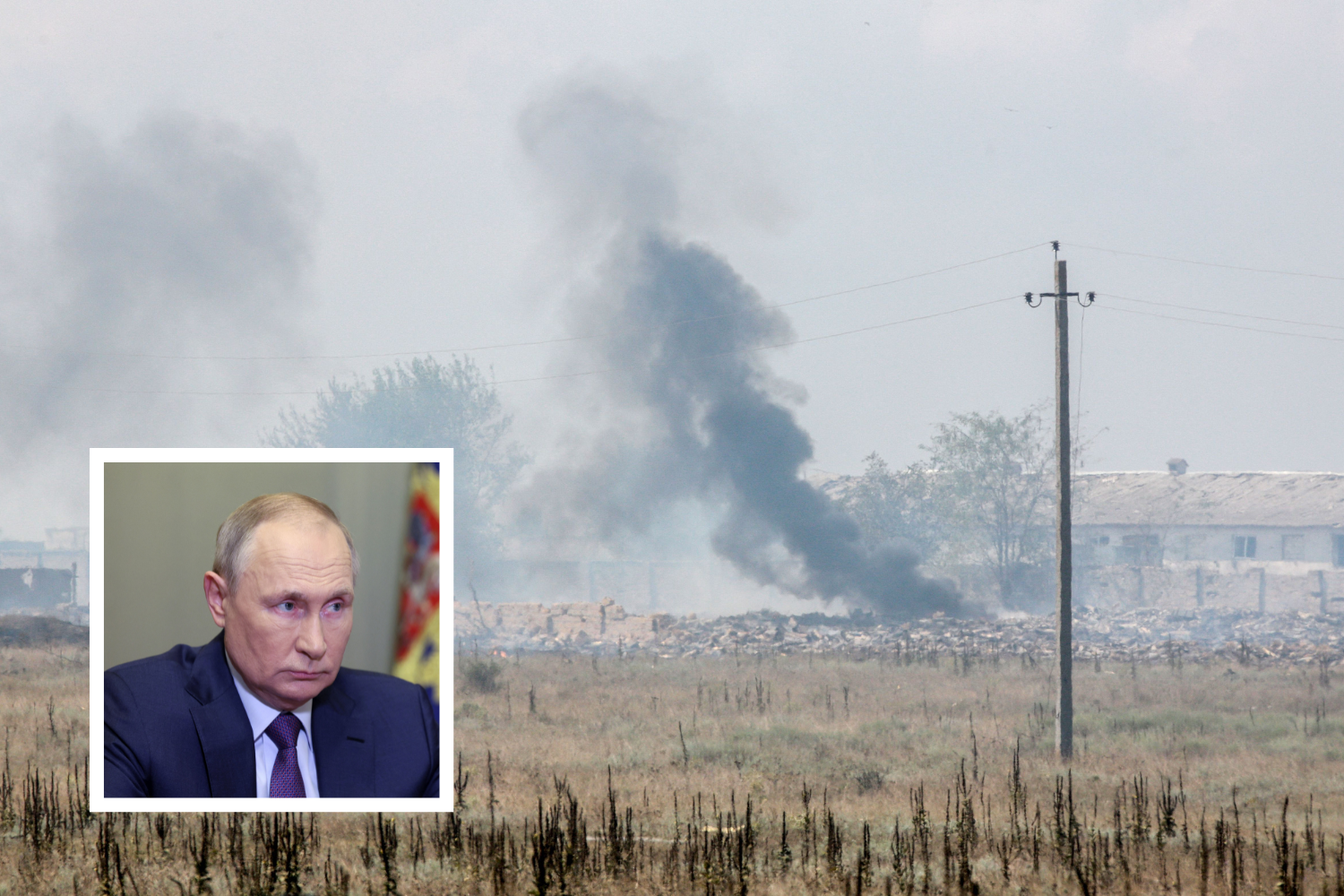
Western officials are reportedly changing their tone on the idea of Ukraine taking back Crimea, which is seen as a red line for Russian President Vladimir Putin. Ukraine's representative for Crimea, Tamila Tasheva, said that Western leaders have changed their rhetoric on the matter, possibly due to Ukraine's explanation of the significance of Crimea. Recent fighting near Crimea has also brought attention to the ongoing conflict. While it is unclear which specific leaders Tasheva is referring to, some officials note that Ukrainian capacity to hurt Russia in Crimea may strengthen Ukraine's hand in eventual negotiations.