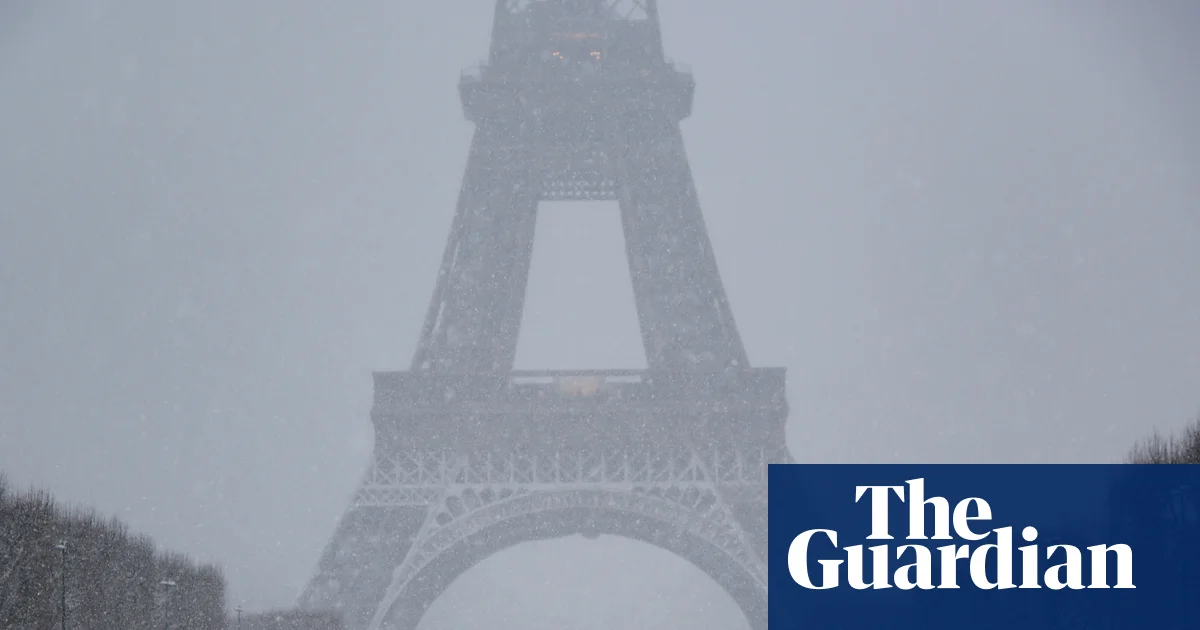
Severe snow, ice, and freezing temperatures across Europe have caused six deaths, widespread travel disruptions, and property damage, with notable incidents in France, Bosnia, the Netherlands, Britain, Italy, and Balkan countries.
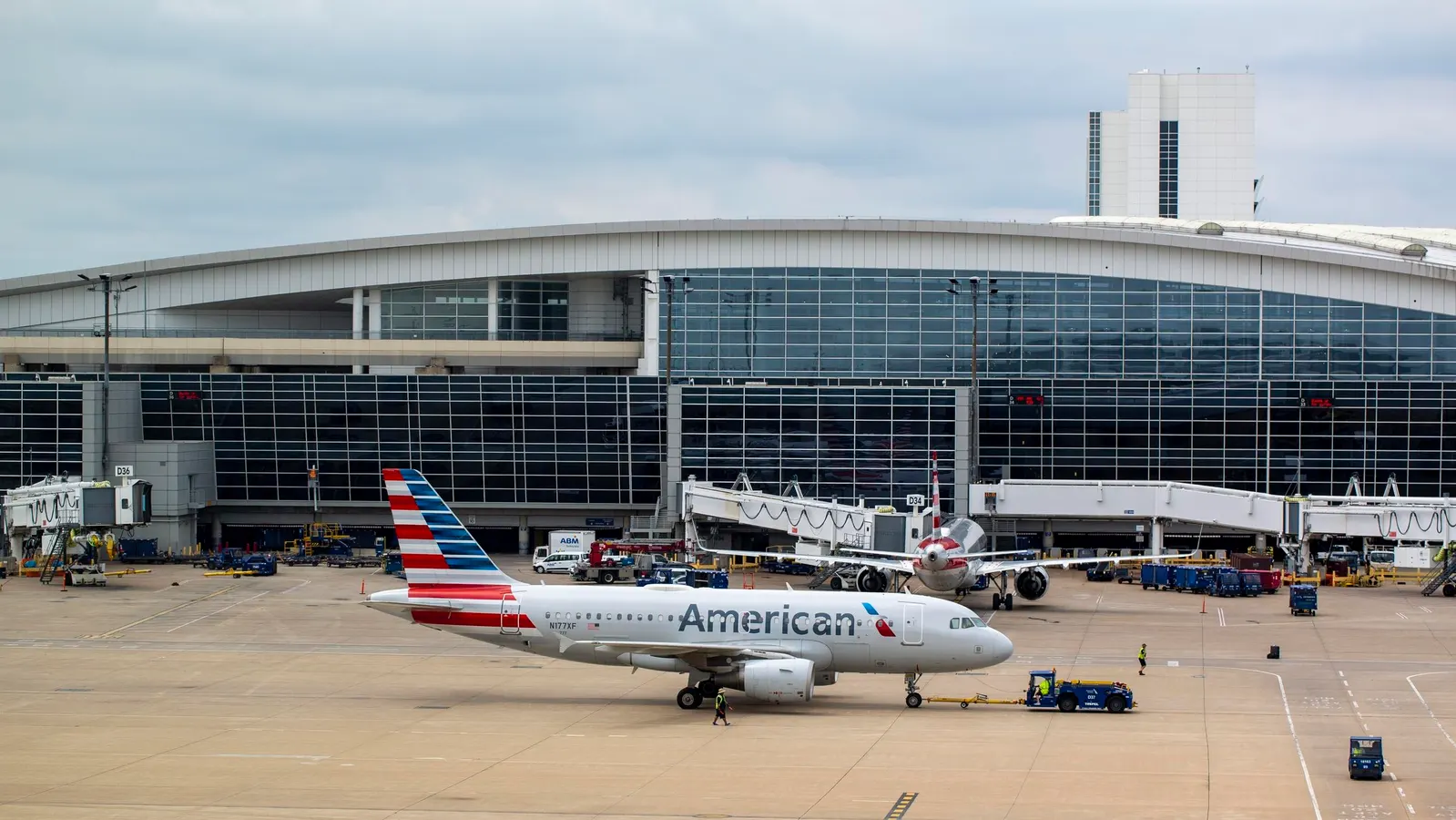
Thunderstorms and flash flood warnings in Dallas caused significant flight delays and cancellations at Dallas Fort Worth International Airport during Labor Day weekend, impacting hundreds of flights and thousands of travelers amid record travel numbers.
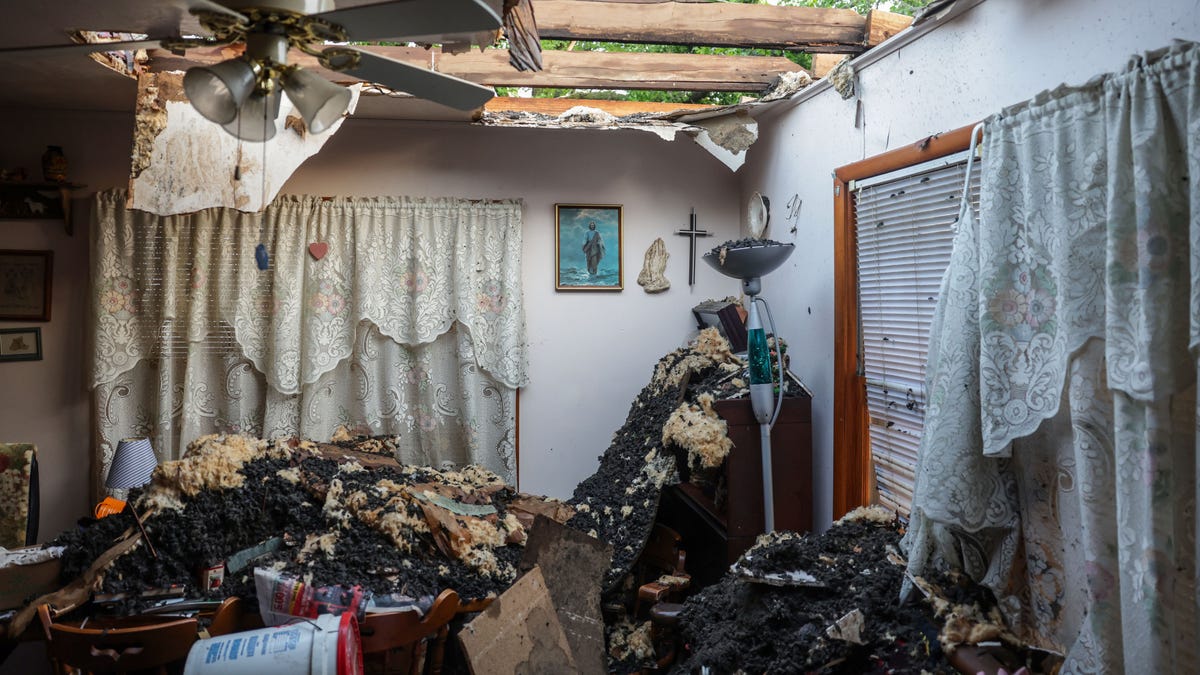
Two females were killed in Oklahoma on Saturday as severe storms, including at least three tornadoes, swept through the state, causing significant damage and disrupting events. The National Weather Service forecasts more severe weather on Tuesday.
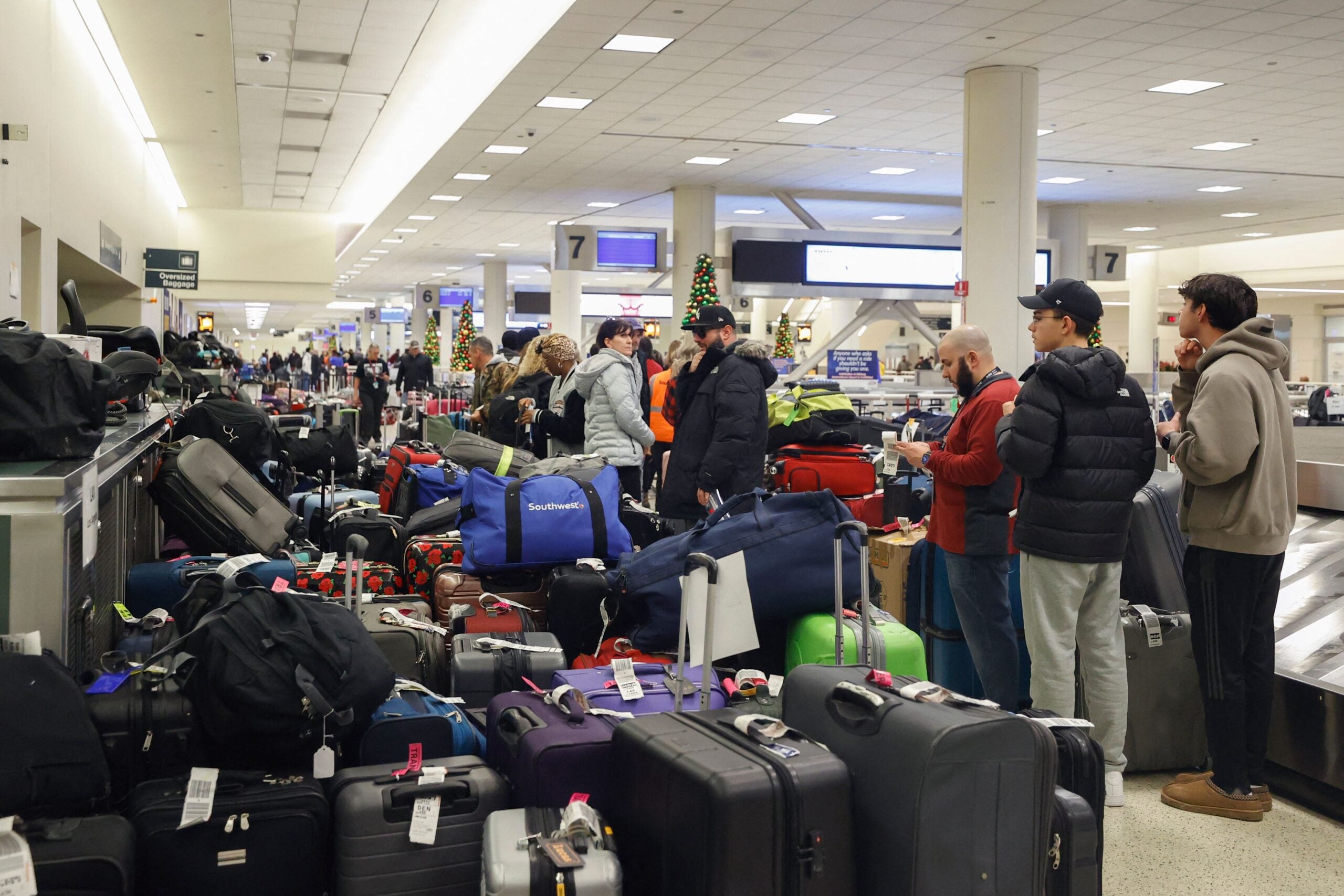
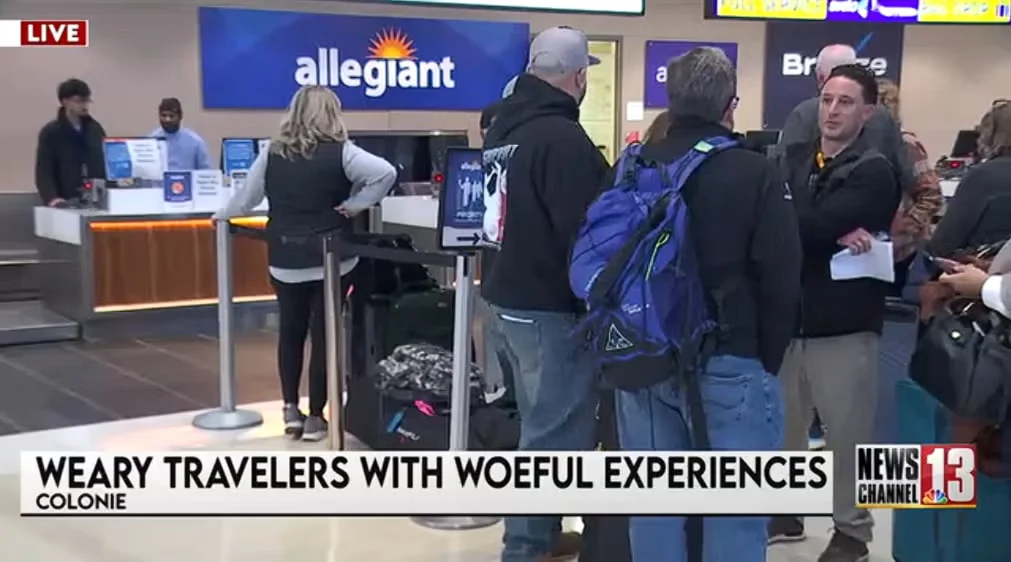
Southwest Airlines experienced a major meltdown at Austin Airport following the post-eclipse storms, with check-in lines extending outside the terminal and down to the freeway, causing significant delays and missed flights for passengers. While the airport itself was busy, other airlines did not experience the same issues. The airport is predicting even higher passenger volumes for the following day and advises travelers to arrive at least 2.5 hours early for domestic flights and 3 hours early for international flights. Southwest's poor staffing management under challenging circumstances is highlighted as a contributing factor to the turmoil.
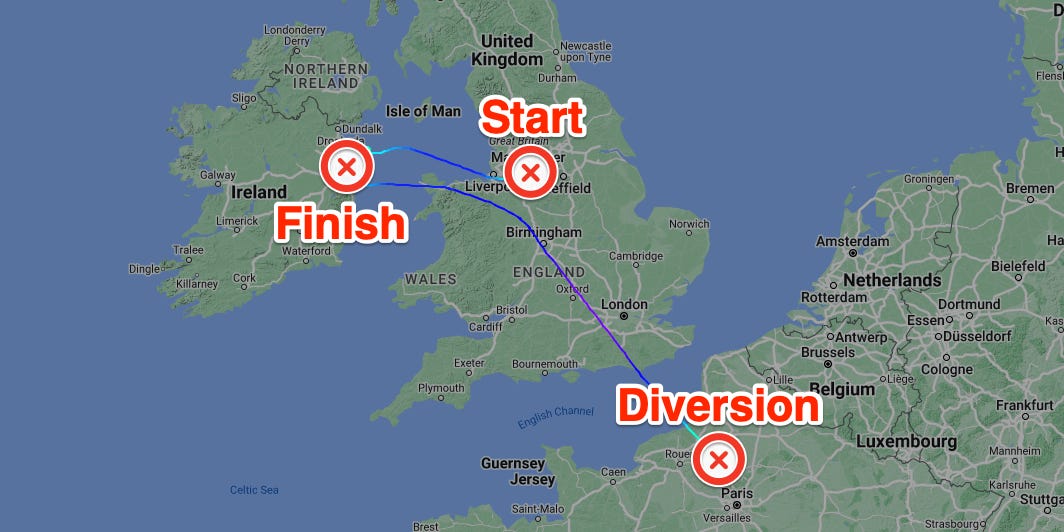
Storm Isha caused chaos for air travel across the UK and Ireland, leading to numerous flight diversions. Passengers found themselves hundreds of miles away from their intended destinations, with some flights ending up in different countries altogether. Ryanair was particularly affected, with several of its flights diverted to locations far from their original routes. The storm-related disruptions impacted multiple airlines, leading to widespread travel chaos and lengthy delays.
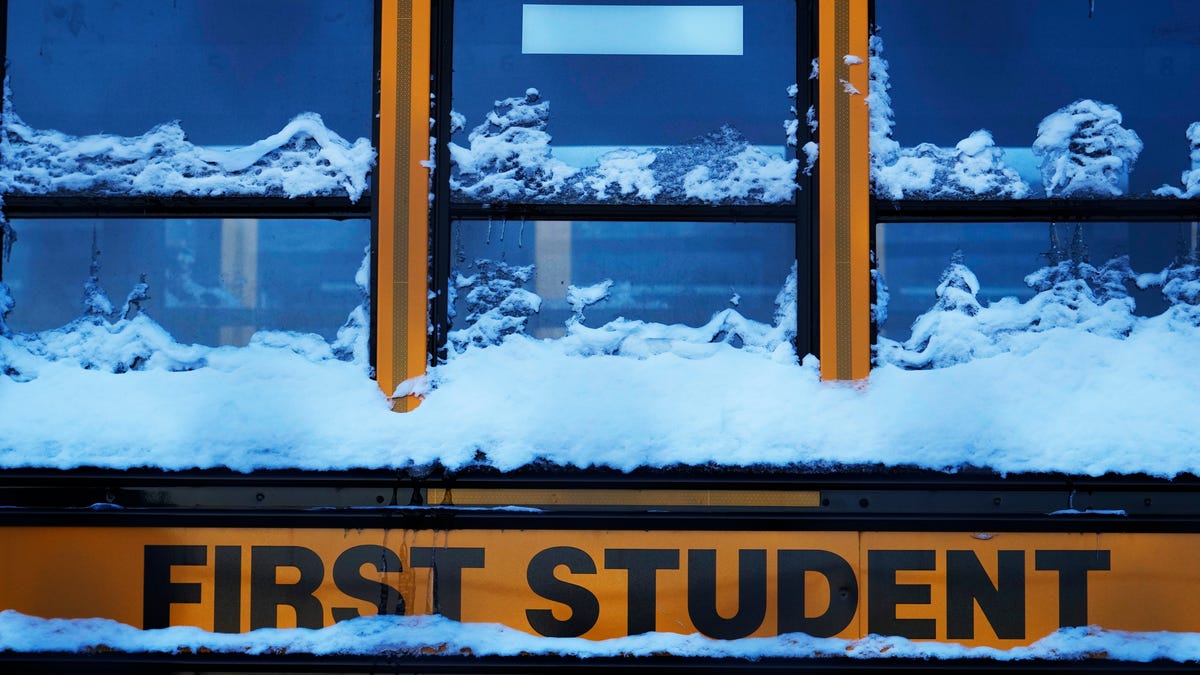
A cold front from Canada brought bitter cold temperatures, ice, and snow to the US, ending snow droughts in major East Coast cities. The coldest cities in the US included Babbitt, Minnesota at -2°F, Dubuque, Iowa at 0°F, and Madison, Wisconsin at 1°F. Over 9,000 flights were delayed or canceled, and at least 9 people died due to the extreme weather. Classes were canceled for millions of students, and many schools also canceled classes for Wednesday.
As holiday travel approaches, travelers may be concerned about a repeat of last year's airline meltdowns caused by severe winter storms and operational issues. However, airlines like Southwest have made improvements to their crew scheduling systems and expanded their de-icing infrastructure to better handle disruptions. While airlines are always vulnerable to bad weather, these preparations aim to help them recover more quickly. The holiday travel period is expected to be busy, with over 115 million Americans traveling, but airlines like American, Delta, and United express confidence in their ability to handle the rush. Safety remains a priority, and weather conditions will ultimately determine the success of holiday travel.
JetBlue Airways has cut its revenue forecast for the third quarter due to weather disruptions and staffing gaps. The airline expects the disruptions to have a significant financial impact, leading to a decrease in revenue.
Natural gas prices fell 2.7% as Tropical Storm Hilary and Tropical Storm Harold failed to significantly disrupt natural gas production in California and the Gulf of Mexico. The storms Franklin and Gert also pose no real threat to gas production.
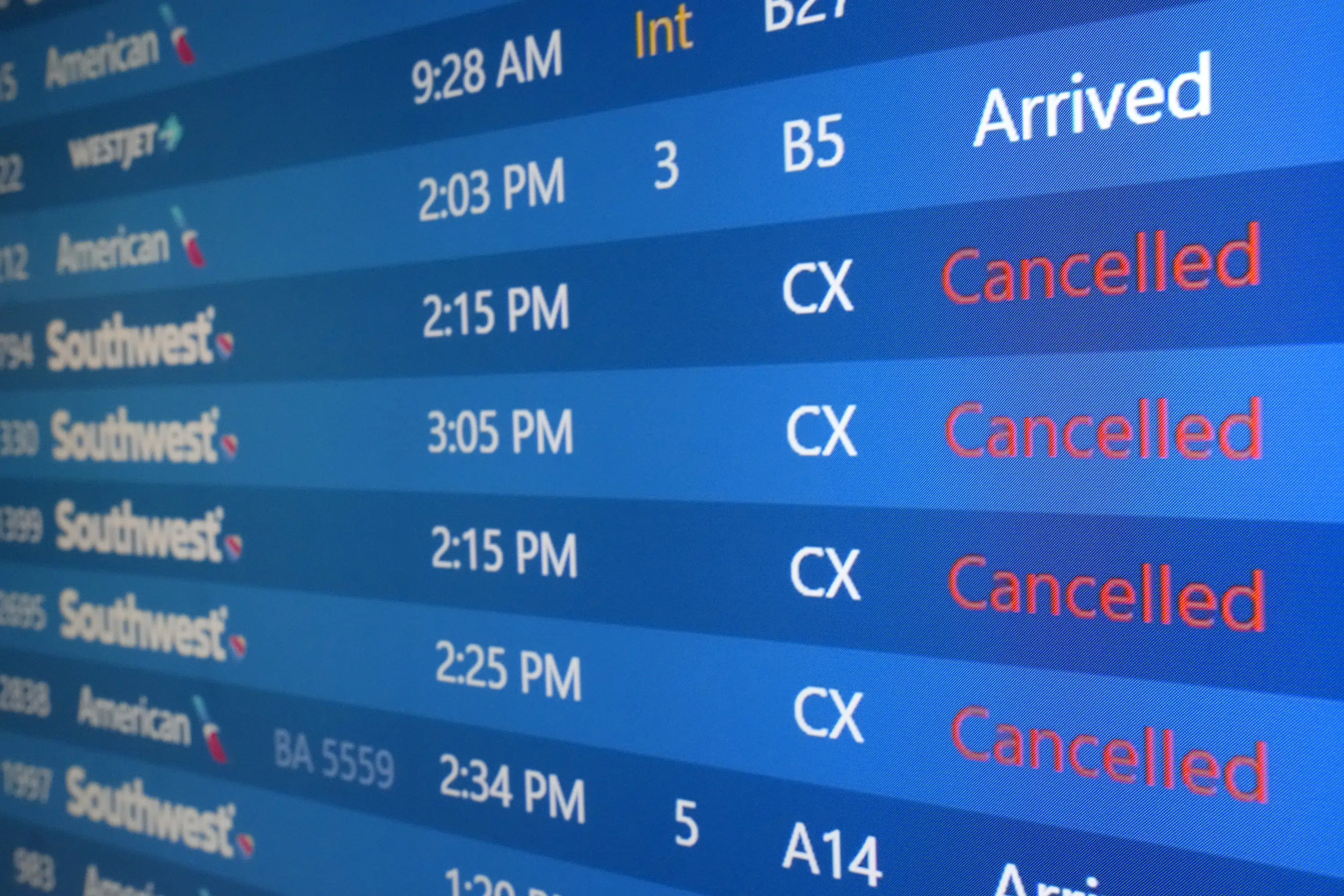
Thousands of flights were canceled or delayed due to thunderstorms and a technology failure at a major air traffic control facility. Passengers are entitled to a full refund if their flight is canceled, and airlines may rebook passengers on another airline's flight. Airlines are not required to provide hotel rooms or compensation for canceled flights, but many do. To avoid future disruptions, travelers should consider booking nonstop or morning flights and flying outside of busy dates. Flight cancellations have trended lower this year, but staffing shortages among air traffic controllers remain a concern.