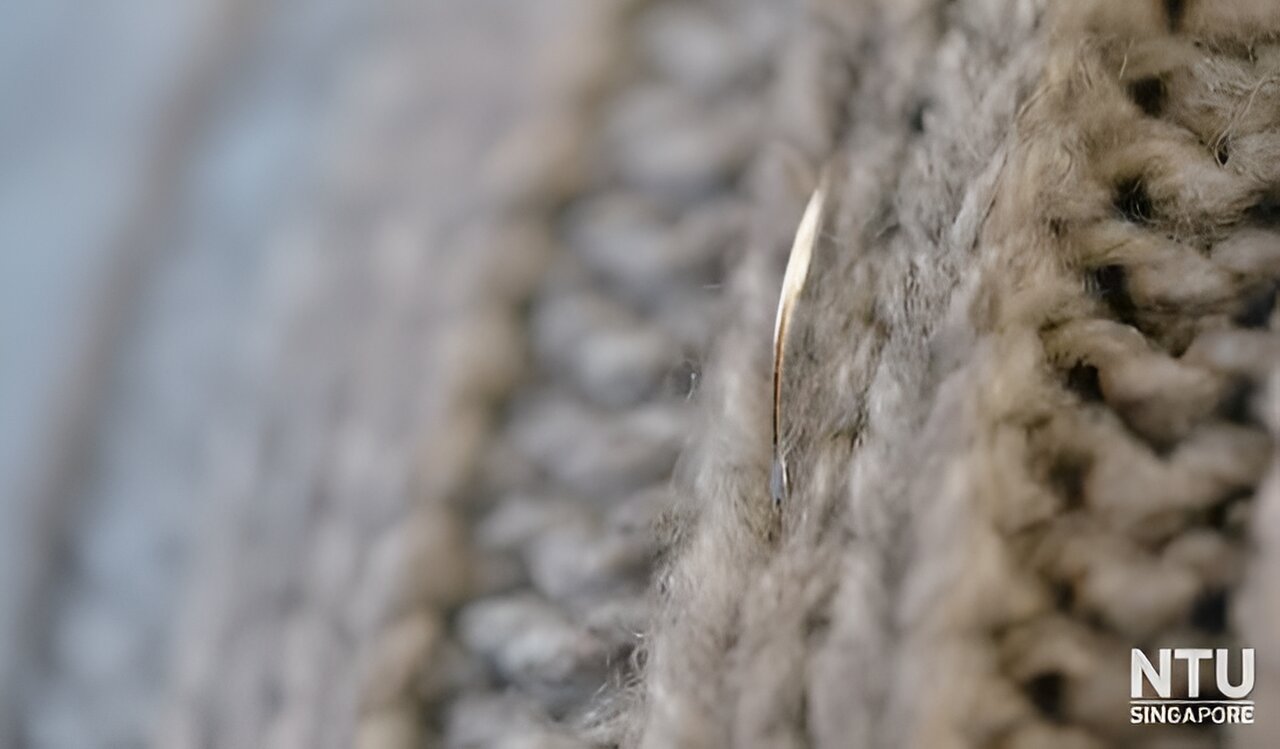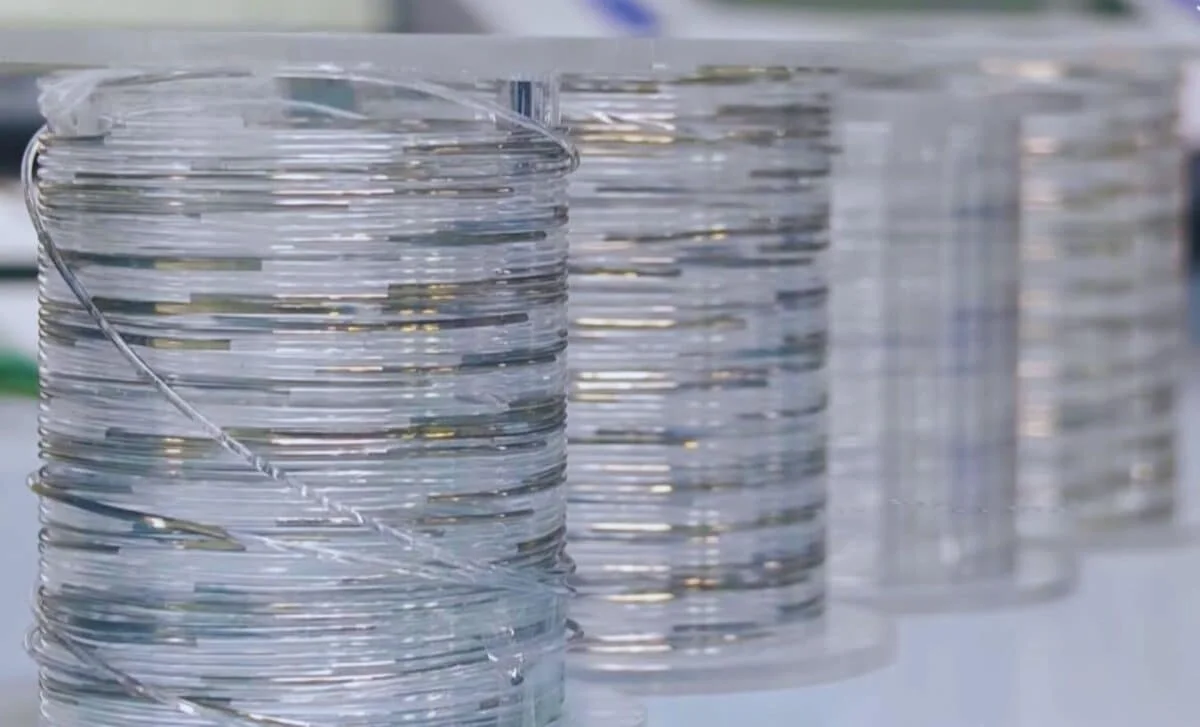
Scientists from NTU Singapore have developed ultra-thin semiconductor fibers that can be woven into fabrics, turning them into smart wearable electronics. The fibers are defect-free and can be woven into fabrics using existing methods. They have been successfully used to create prototypes including a smart beanie hat for the visually impaired, a shirt that functions as a museum audio guide, and a smartwatch with a flexible sensor for heart rate measurement. The innovation is a fundamental breakthrough in the development of semiconductor fibers that are ultra-long and durable, offering excellent electrical and optoelectronic performance. The team plans to expand the types of materials used for the fibers and come up with semiconductors with different hollow cores to expand their applications.
Researchers at the University of California, Merced, have developed a conductive polymer film that toughens up upon impact, similar to the behavior of "oobleck," a non-Newtonian fluid. The material, made by combining long spaghetti-like polymers with shorter molecules, deforms and stretches in response to impact without breaking apart. This "adaptive durability" could be applied to wearable electronics and flexible health monitoring devices, with potential for 3D printing compatibility.
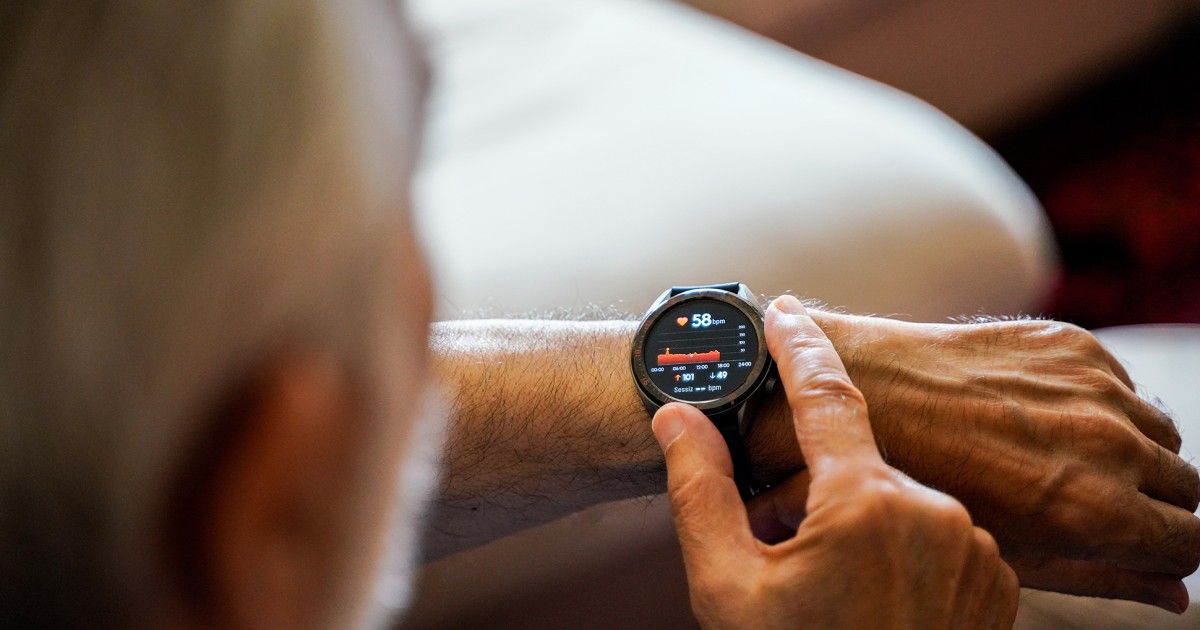
Engineers at Northwestern University have developed a nanoelectronic device that performs machine-learning classification tasks with 100-fold less energy than current technologies. The device can process large amounts of data and perform AI tasks in real time without relying on the cloud for analysis. It is ideal for integration into wearable electronics such as smartwatches and fitness trackers, enabling real-time data processing and near-instant diagnostics. The device was tested on electrocardiogram (ECG) datasets and achieved near 95% accuracy in identifying irregular heartbeats and determining arrhythmia subtypes. The device's tunability, achieved through a mix of materials, allows for dynamic reconfigurability and low energy consumption. The researchers envision these nanoelectronic devices being incorporated into everyday wearables for personalized, real-time applications.
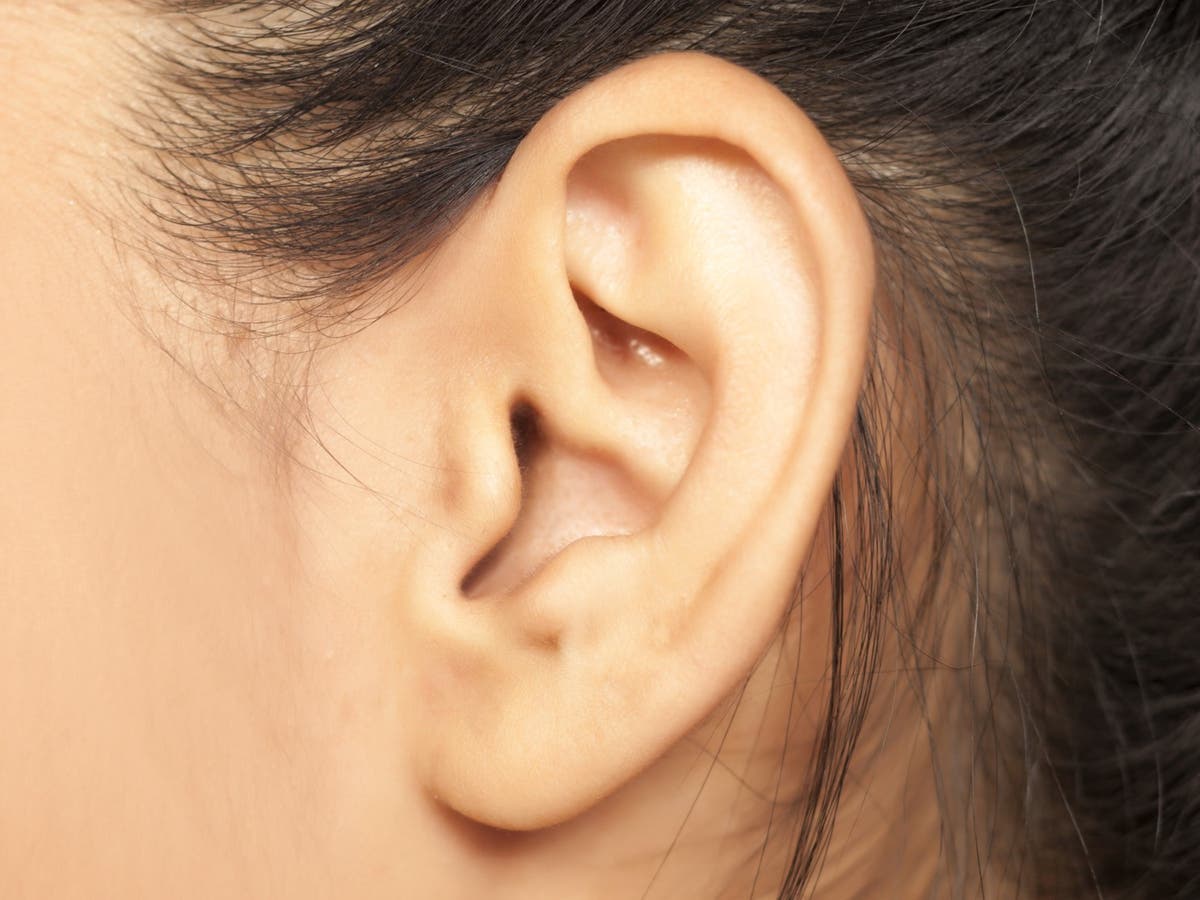
Chinese scientists from Tsinghua University have developed a brain-computer interface (BCI) called SpiralE that can connect to the brain via the inner ear. Unlike other BCIs, SpiralE does not require surgery and can be easily inserted and removed without blocking the wearer's hearing. The technology has the potential to enable applications such as thought-to-text translation, thought-controlled digital objects, and human memory augmentation. However, ethical concerns regarding privacy and human rights need to be addressed before widespread adoption.
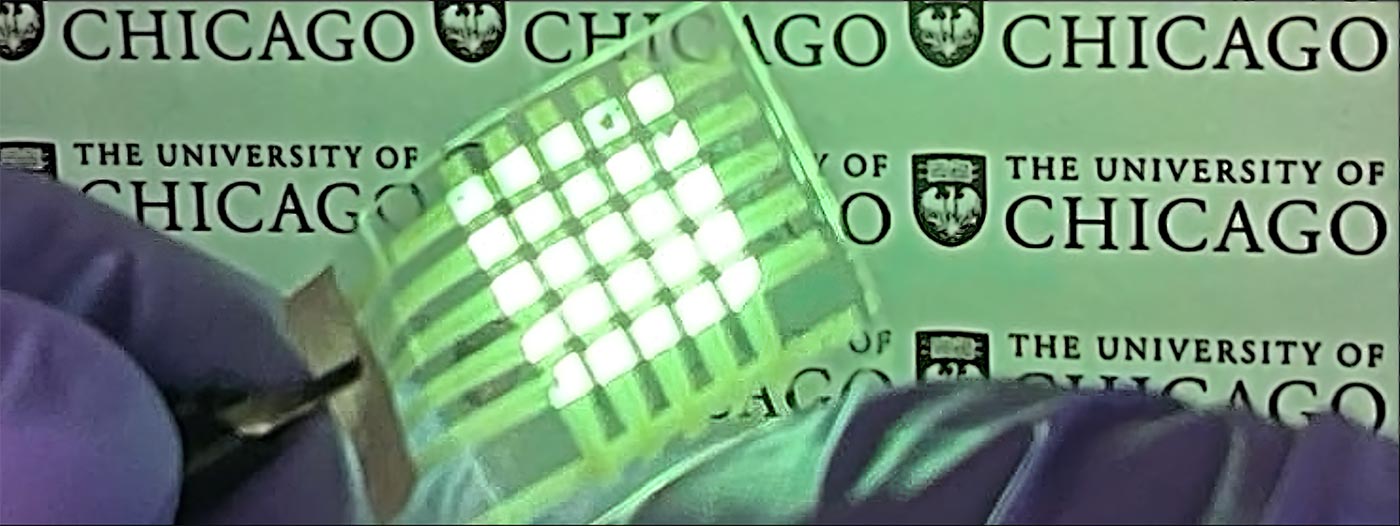
Researchers at the University of Chicago have developed a highly flexible and stretchable digital display material that emits a fluorescent pattern, with potential applications in wearable electronics, health sensors, and foldable computer screens. The material can bend in half and stretch to more than twice its original length while still emitting a clear image. The researchers combined knowledge from various fields to create a new class of material that integrates stretchable polymers and thermally activated delayed fluorescence, allowing for highly efficient light emission. The team is working on further developments, including additional colors and improved efficiency and performance.