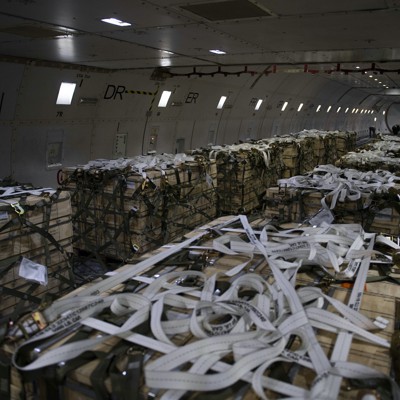
The US is urging the EU to press China to stop the transfer of weapons parts to Russia, as the conflict in Ukraine escalates. The US has accused China of providing military assistance to Russia, which is facing sanctions from the West over its invasion of Ukraine. The EU is being called upon to use its influence with China to halt the transfer of these crucial parts, as the situation in Ukraine continues to worsen.
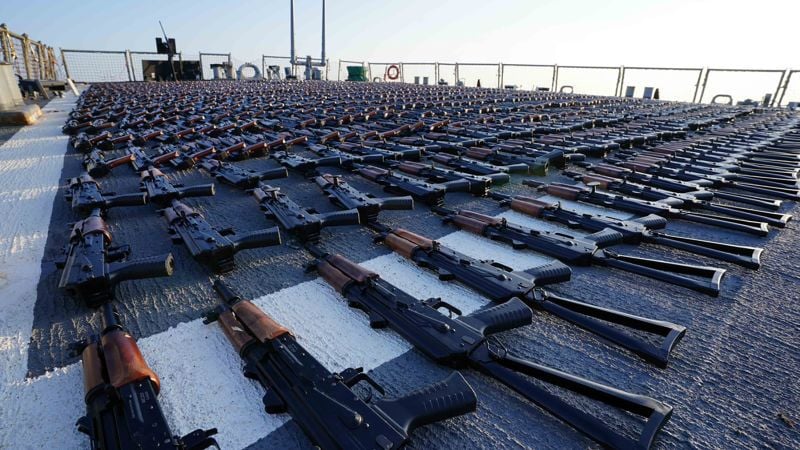
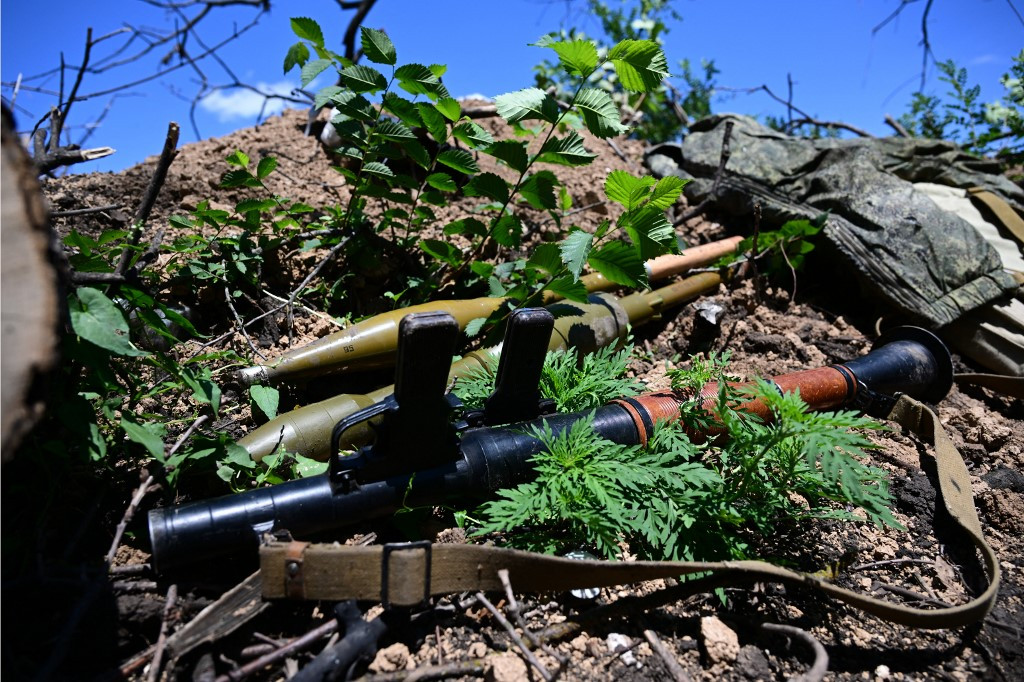
The US has transferred thousands of seized Iranian machine guns, sniper rifles, rocket launchers, and ammunition to Ukraine to help the country defend against Russia's invasion. The weapons were originally seized from stateless vessels and obtained through the Justice Department's civil forfeiture process. This transfer follows previous shipments of seized Iranian ammunition to Ukraine and is part of the Biden administration's efforts to legally send the seized weapons to the Ukrainians.
The US military has transferred seized weapons and ammunition, including over 5,000 AK-47s and machine guns, to Ukraine to help defend against Russia's invasion, as the country faces significant shortages. The arms and ammunition were seized from Iranian forces en route to Yemen's Huthi rebels, and while the US has provided substantial aid, crucial artillery and air defense munitions have been delayed by Republican lawmakers' impasse over a support package. Washington has been a major donor of security aid to Ukraine, committing tens of billions of dollars since Russia's invasion in 2022.
Former House Speaker Nancy Pelosi and other congressional Democrats have urged President Biden to halt weapons transfers to Israel in light of the ongoing conflict with Gaza and the humanitarian crisis it has caused. The call for a halt to the transfers reflects a growing sentiment within the Democratic Party. The letter also called for an investigation into an Israeli airstrike that killed aid workers, and comes after Biden's warning to Israel to do more to protect civilians or face a change in U.S. policy.
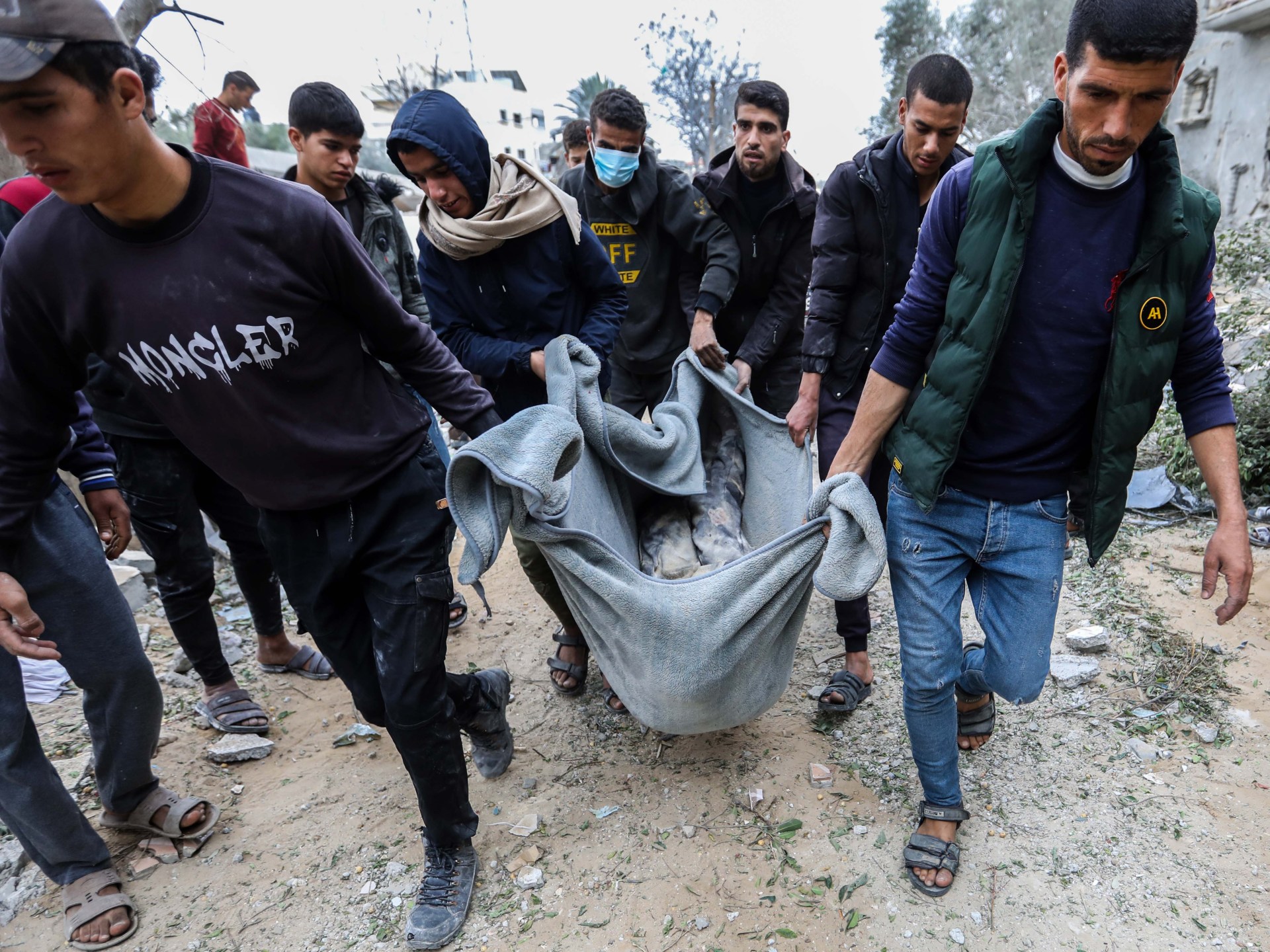
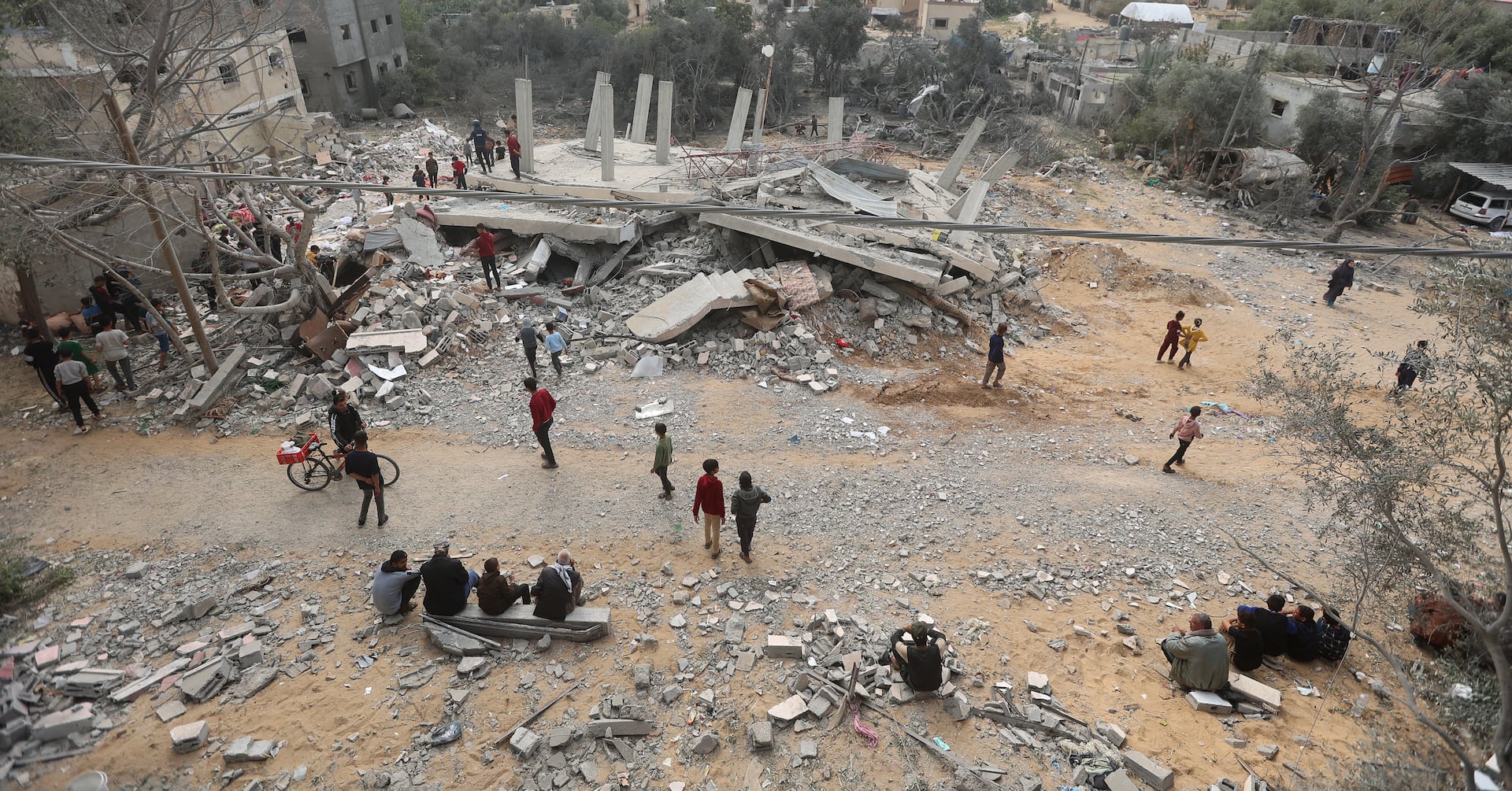
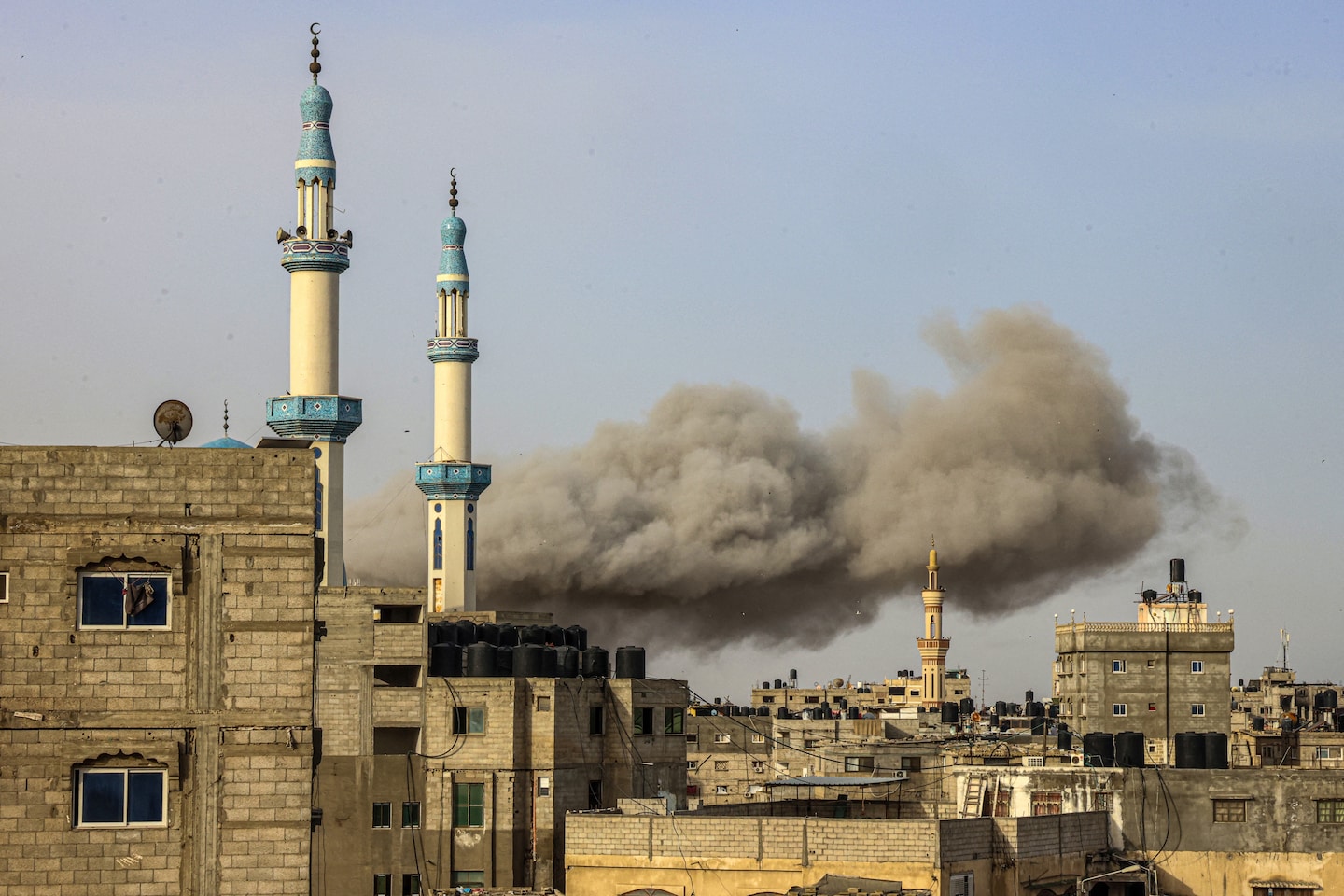
The US has approved the transfer of billions of dollars worth of bombs and fighter jets to Israel, despite publicly expressing concerns about the potential Israeli invasion of Gaza's Rafah and the escalating civilian casualties. This move comes amid growing international outcry and calls for an end to weapons flowing to Israel, as the country faces widespread condemnation for its military campaign in Gaza. Despite the US pushing for a ceasefire, its continued military assistance to Israel is seen as undermining efforts to position the US as a moral authority in the world.
The US has reportedly approved the transfer of billions of dollars worth of bombs and fighter jets to Israel, despite public concerns about an anticipated Israeli military offensive in Rafah. The new arms packages include over 1,800 MK-84 2,000lb bombs and 500 MK-82 500lb bombs. This decision comes amid strong international criticism over Israel's bombing campaign and ground offensive in Gaza, and as some members of Joe Biden’s party call for cutting US military aid to Israel.
The US has authorized the transfer of billions of dollars worth of bombs and fighter jets to Israel, despite public concerns about an anticipated Israeli military offensive in Rafah. The new arms packages include over 1,800 MK84 2,000-pound bombs and 500 MK82 500-pound bombs. This decision comes amid strong international criticism over Israel's bombing campaign and ground offensive in Gaza, and as some members of President Joe Biden's party call for cutting US military aid to Israel.
The Biden administration has quietly approved the transfer of billions of dollars in bombs and fighter jets to Israel, despite concerns about potential civilian casualties in an anticipated military offensive in southern Gaza. The new arms packages include over 1,800 MK84 2,000-pound bombs and 500 MK82 500-pound bombs, raising questions about U.S. influence on Israel's actions. Some Democrats argue that the U.S. should withhold weapons until Israel commits to limiting civilian casualties and easing humanitarian aid restrictions. Despite the rift, Biden continues to support Israel's right to defend itself, drawing criticism from some lawmakers and former officials.
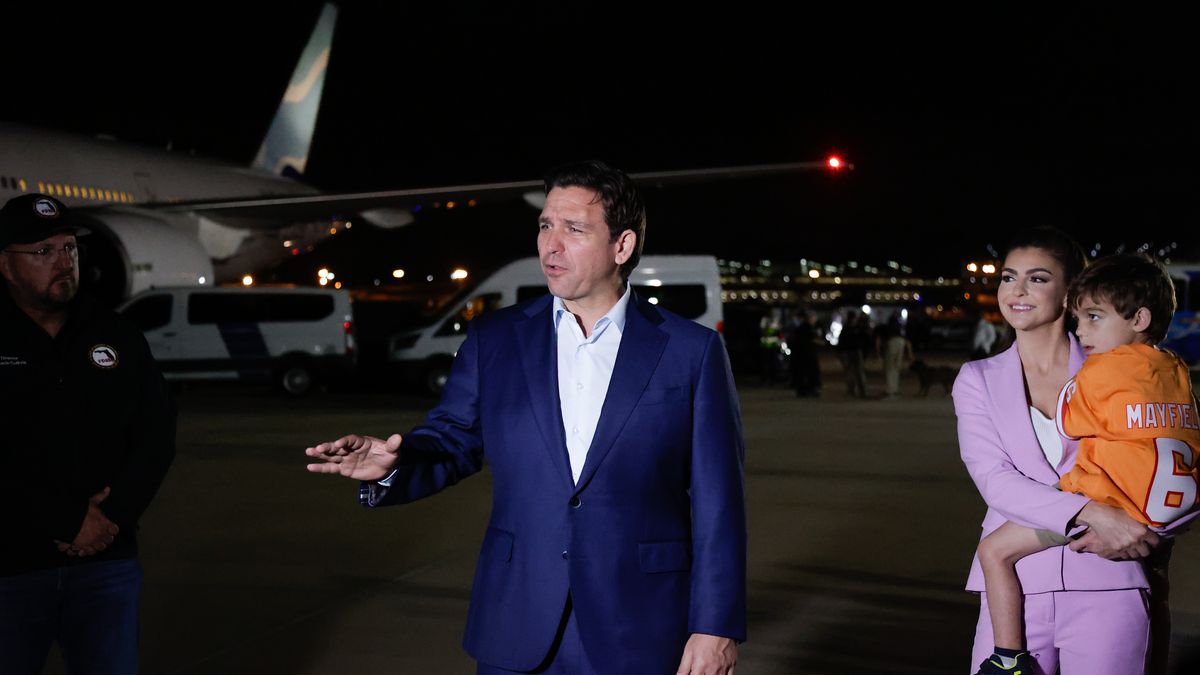
Florida Governor Ron DeSantis assisted in facilitating the transfer of weapons and ammunition to Israel during the conflict with Hamas, according to Israel's consul general in Miami. The consul general stated that he asked the governor's office for final clearance to send a private shipment of weapons parts, which required bureaucratic approval. DeSantis' office and presidential campaign confirmed his involvement but provided few details. The state of Florida also funded the shipment of medical equipment and protective vests to Israel. The secrecy surrounding the acquisition and shipping of weapons has drawn criticism from Florida Democrats, who argue that it violates federal laws. The cost of the rescue flights for U.S. citizens from Israel is estimated to be around $32 million, with three private vendors and a nonprofit organization involved in the operations. The DeSantis administration has been slow to provide information about the expenditures.
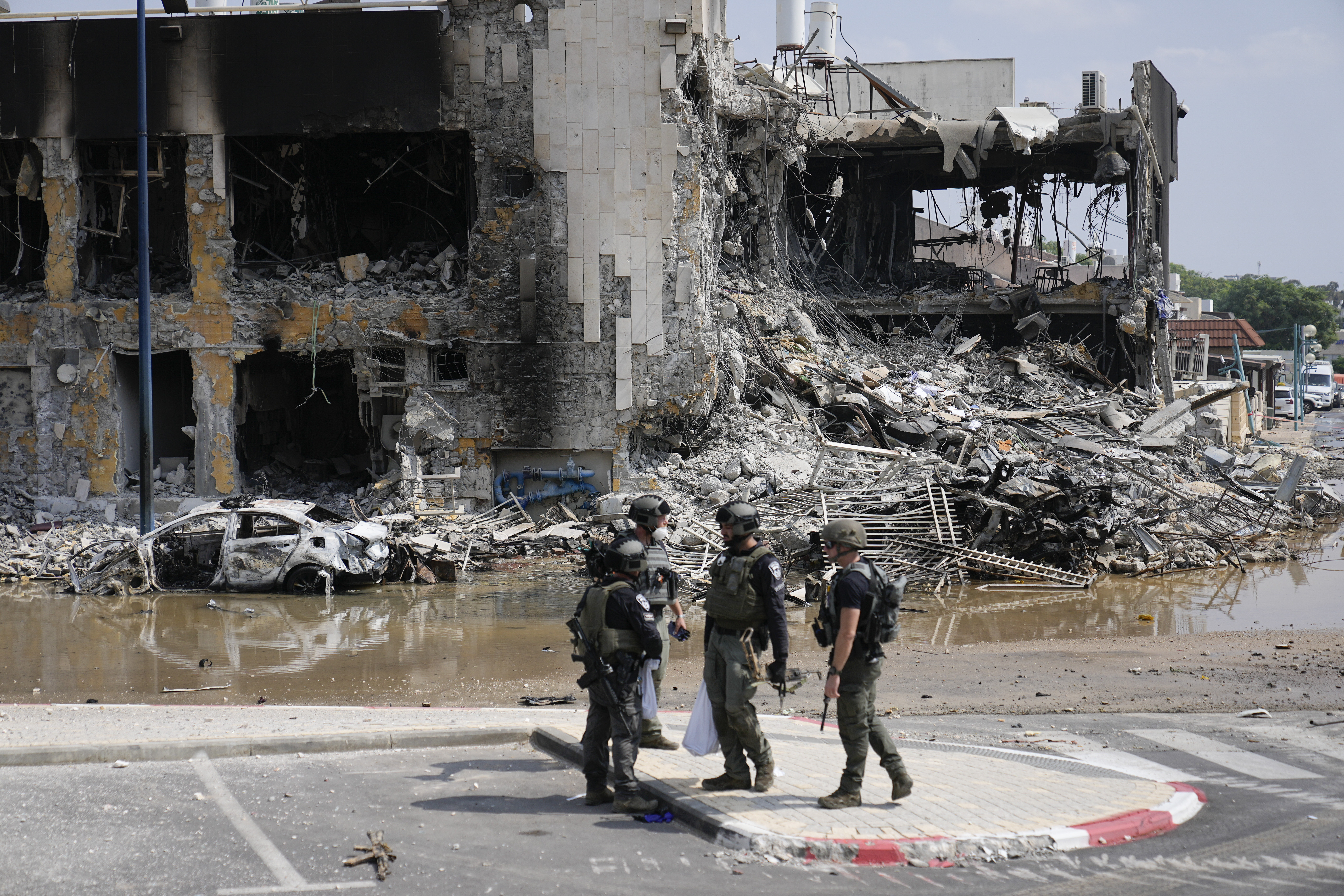
The Biden administration is working to fulfill Israel's urgent request for weapons transfer following a wave of attacks by Hamas militants. The specific weapons systems requested have not been disclosed for operational security reasons. The transfers may be part of a new assistance package for Israel, which Secretary of State Antony Blinken mentioned would be announced later. President Biden has directed additional support for Israel in the face of the ongoing conflict, and one option being considered is the release of a stockpile of American ammunition stored in Israel. The administration does not anticipate any impact on military assistance to Ukraine, as the two countries use different defense systems.
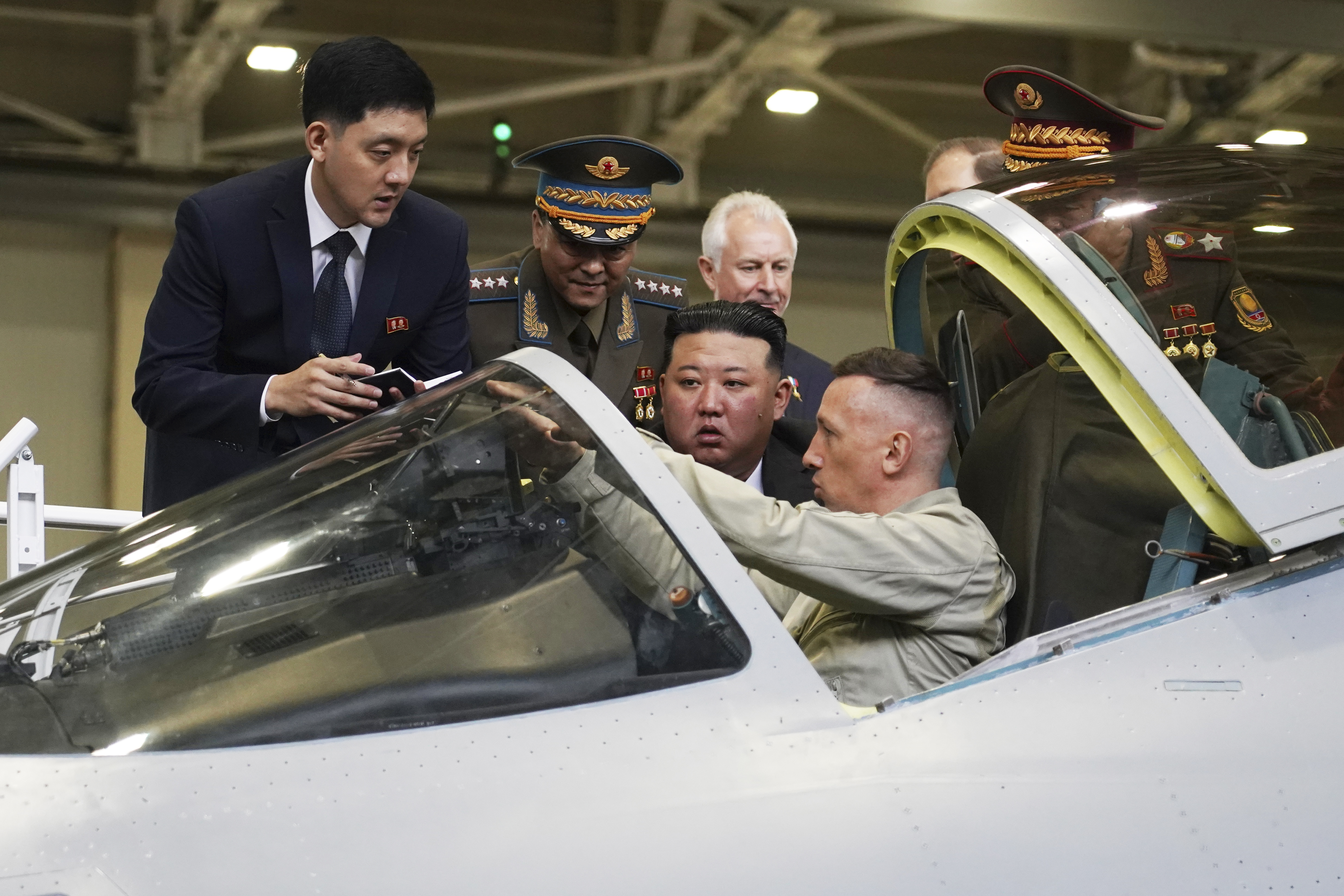
North Korean leader Kim Jong Un is returning home after a six-day trip to Russia, where he met with President Vladimir Putin and visited military and technology sites. The trip raised concerns about potential weapons transfer deals between the two countries, both of which are facing confrontations with the West. U.S. and South Korean officials have suggested that North Korea could provide munitions to Russia in exchange for advanced weapons technology, despite U.N. Security Council resolutions banning such trade. Experts believe that North Korea may seek economic aid and technology transfers to enhance its missile capabilities.
The State Department's Bureau of Political-Military Affairs, with less than 10 staff members, has been responsible for approving military aid to Ukraine worth tens of billions of dollars. The bureau's workload has increased exponentially, with three offices playing a crucial role in approving the delivery of U.S. military aid, as well as the transfer of U.S.-made weapons and Ukraine's purchases from U.S. arms dealers. The unique funding and support for Ukraine have posed challenges in terms of staffing, technology limitations, and the complexity of the work. While the offices have managed to process transfers efficiently, the increasing sophistication of weapons and policy considerations may slow down the approval process. Additional staff and technological upgrades are needed to handle the current workload and potential increases in aid to Ukraine. Despite the challenges, the staff feels a sense of purpose and meaning in their mission.