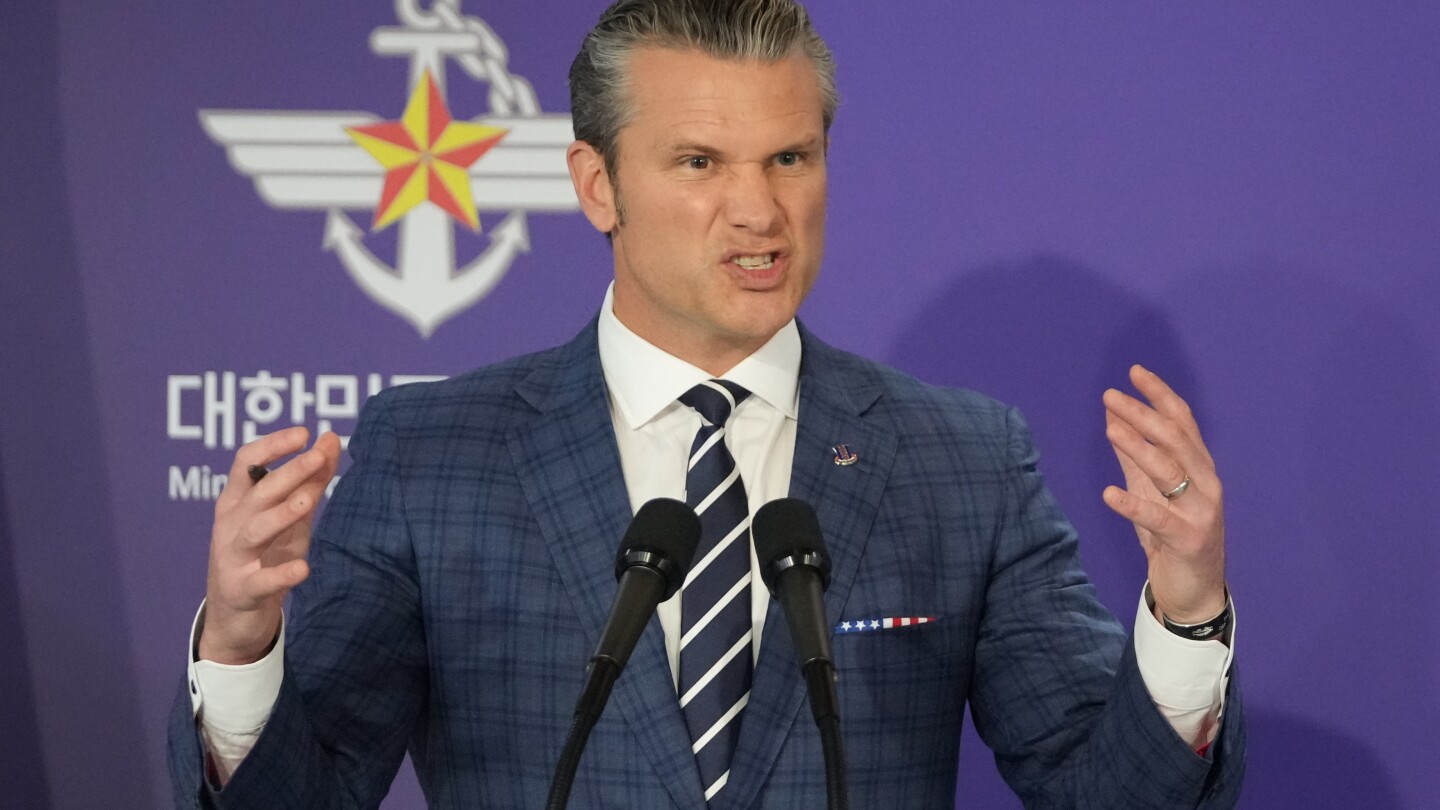
The Pentagon, under Secretary Hegseth, is shifting its weapons acquisition process to a 'wartime footing' to accelerate technology procurement and streamline bureaucracy, reflecting a focus on rapid military readiness amid global threats.
Defense Secretary Pete Hegseth announced a major overhaul of the Pentagon's weapons buying process, shifting focus from complex, high-tech products to faster, more practical solutions to enhance military readiness, especially in response to recent conflicts like Ukraine. The new approach aims to deliver 85% solutions quickly, potentially at the expense of some transparency and thoroughness, and seeks to involve more innovative and smaller companies in defense contracting.
The U.S. Treasury has designated 21 entities and 17 individuals involved in networks supporting Iran's missile and military aircraft programs, reimposing sanctions to curb Iran's weapons proliferation and support for terrorist proxies, following the UN Security Council's snapback of restrictions.
The U.S. Treasury has imposed sanctions on 32 individuals and entities linked to the Houthis, targeting their global illicit activities including fundraising, smuggling, and weapons procurement, to curb their threat to regional security and U.S. interests.
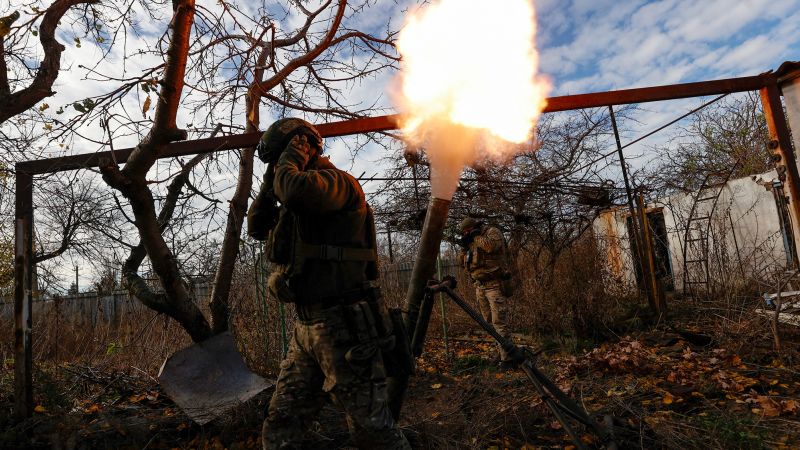
Ukraine's Security Service uncovered a $40 million corruption scheme in the procurement of weapons for the country's military, involving the purchase of 100,000 mortar rounds that were never received. Former and current high-ranking defense officials, as well as the head and chief commercial of the arms supplier, were implicated in the fraud. The investigation has led to indictments and one detention, with potential consequences for Ukraine's efforts to resist Russia's invasion and pursue European Union membership, which requires combating corruption. This is not the first corruption scandal involving Ukraine's defense ministry, and the country's president has faced pressure from the United States to address government corruption.
The Biden administration has imposed sweeping Russia-related sanctions, designating over 250 individuals and companies in Turkey, the United Arab Emirates, China, and the two Koreas for accusations including sanctions evasion and acting as a Kremlin weapons procurer. The sanctions aim to cut off Russia's weapons supplies and sanctions evasion activities, with the U.S. Defense Department arming Ukraine while the Treasury and State Departments target Russia's ability to make war. The sanctions restrict Russia's future energy production and export capacity, hinder its metals and mining sectors, disrupt its North Korea munitions deals, and constrain its defense industry. The United States is Ukraine's largest backer, and officials warn that the conflict is not just about Ukraine's sovereignty but also world order, democracy, and U.S. national security.