
Tag

Wasp 18 B

All articles tagged with #wasp 18 b

Webb Telescope Discovers Water on Exoplanet and Enceladus
astronomy2 years ago

Webb Telescope Discovers Water on Exoplanet and Enceladus

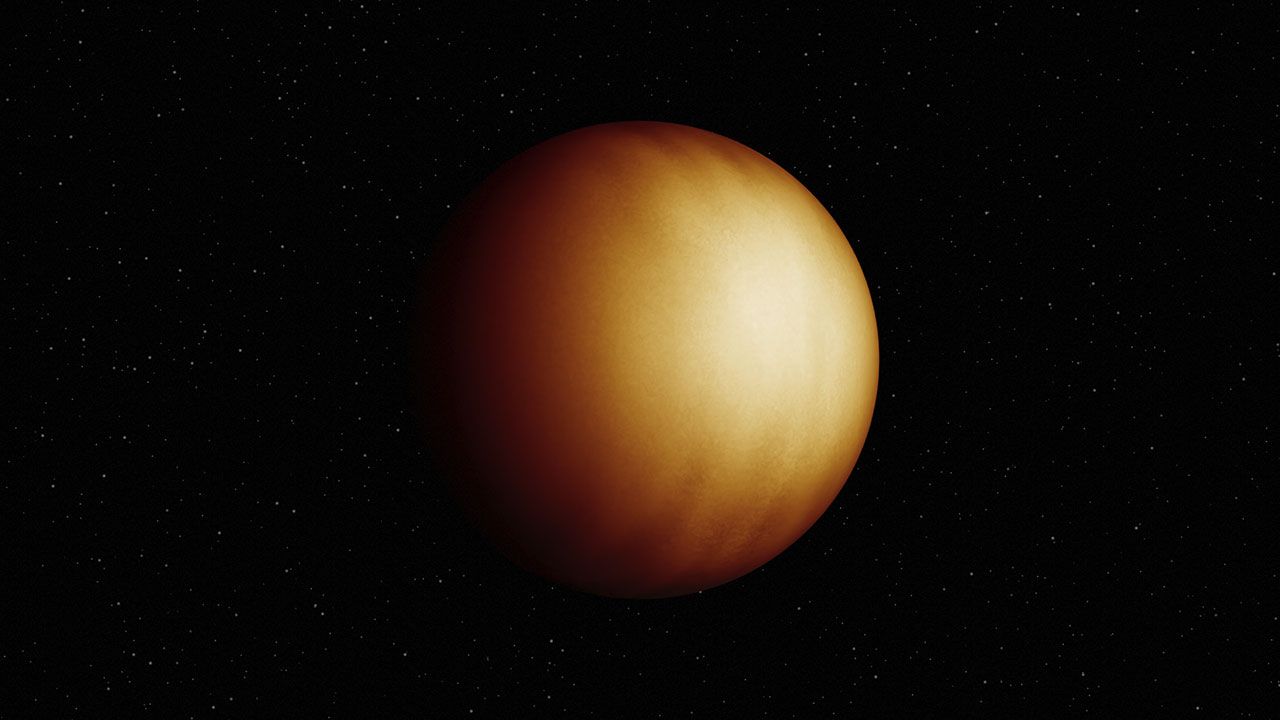
NASA's James Webb Space Telescope has detected water vapor in the atmosphere of WASP-18 b, a massive exoplanet located hundreds of light-years away. Despite some parts of the planet reaching temperatures of up to 5,000 degrees Fahrenheit, the telescope identified "multiple small but precisely measured water features" in various locations. The discovery provides scientists with a unique opportunity to study and understand the formation of such exotic planets and draw inferences about their origin and evolution.
Webb Telescope Discovers Water in Atmosphere of Super-Hot Exoplanet
science-and-astronomy2 years ago

Webb Telescope Discovers Water in Atmosphere of Super-Hot Exoplanet

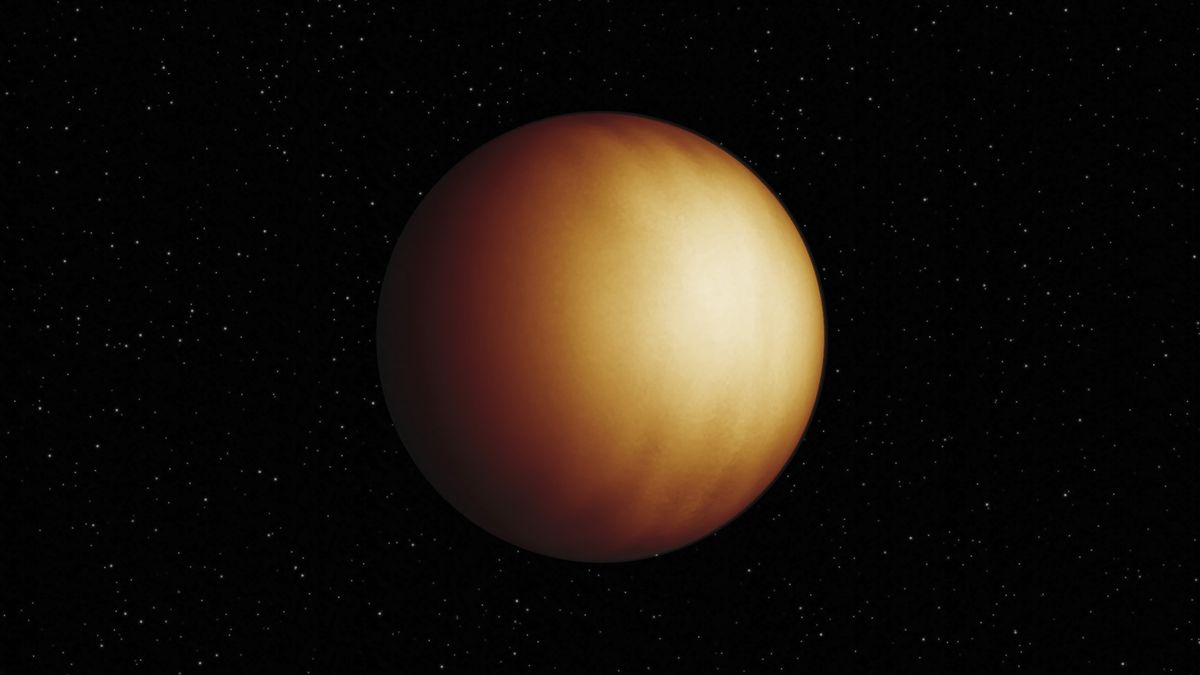
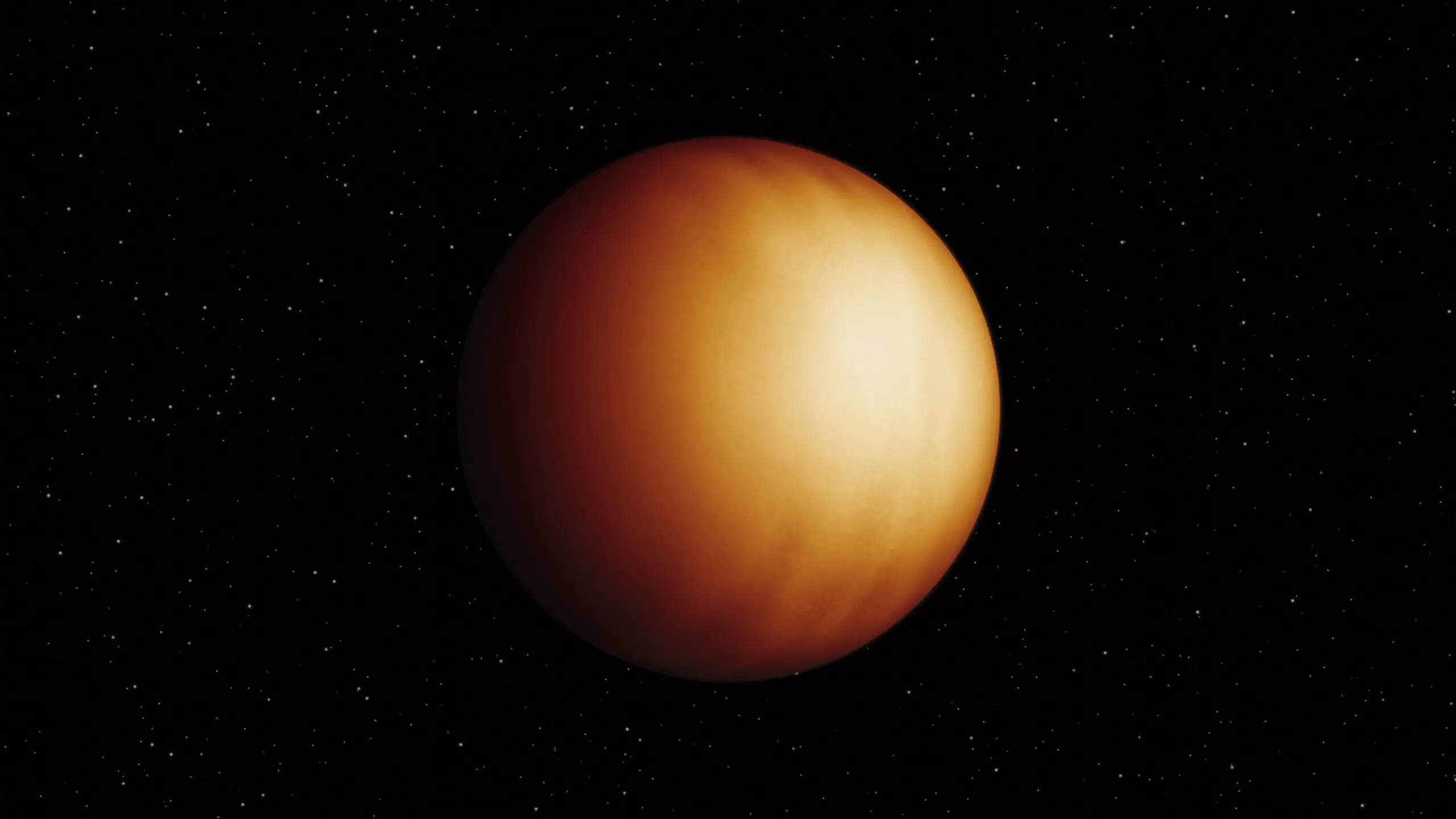
The James Webb Space Telescope has detected water vapor in the atmosphere of WASP-18 b, a super-hot gas giant exoplanet that orbits its star in less than one Earth day. The planet is 10 times more massive than Jupiter and is located some 400 light-years away from Earth. Due to its close proximity to the parent star, temperatures in WASP-18 b's atmosphere reach up to 5,000 degrees Fahrenheit. The Webb measurements enabled scientists to map temperature differences across the planet's surface and found that the most intensely illuminated parts of the planet can be up to 2,000 degrees F hotter than those in the twilight zone.

Webb Space Telescope Discovers Water on Ultra-Hot Exoplanet
astronomy2 years ago

Webb Space Telescope Discovers Water on Ultra-Hot Exoplanet

Scientists have used the James Webb Space Telescope to create the first detailed temperature map of exoplanet WASP-18 b and identified water vapor in its extremely hot atmosphere. The planet is an ultra-hot gas giant 10 times more massive than Jupiter, and one orbit around its star takes just 23 hours. The temperature map shows a huge change in temperature from the hottest point facing the star to the terminator, where day and night sides of the tidally-locked planet meet in permanent twilight. The discovery is providing valuable insights into the planet's formation, suggesting it likely emerged from the leftover gas after its star's birth.