A powerful earthquake off Russia's Kamchatka Peninsula triggered a tsunami that caused minimal damage due to effective early-warning systems and preparedness, highlighting the importance of international disaster response efforts and the need for continued support and improvements in warning infrastructure.
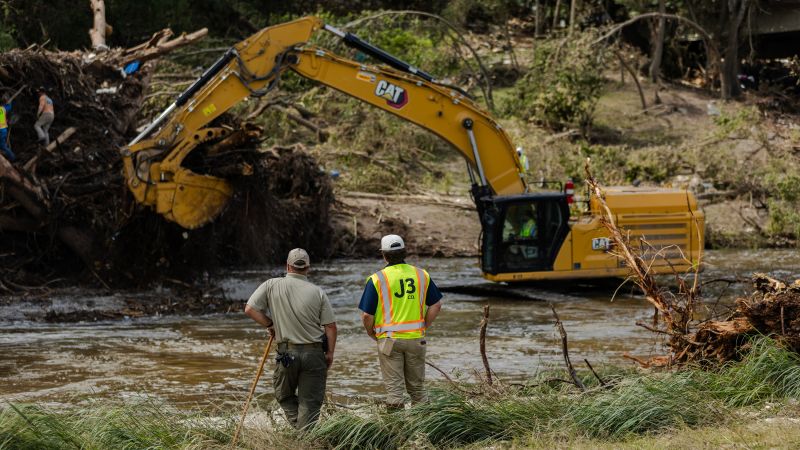
A week after deadly flooding in Texas, officials face criticism over their response during the critical early hours, with questions about warning alerts, evacuation procedures, and leadership, as at least 120 people died and many remain missing, highlighting concerns about preparedness and communication failures.
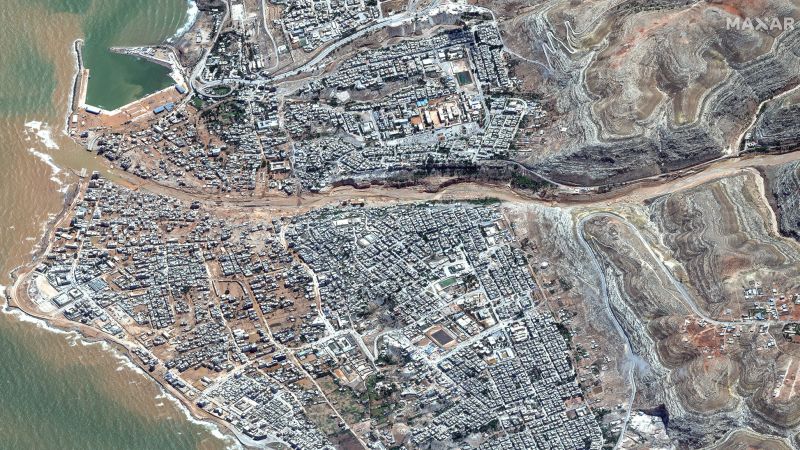
The deadliest flooding disaster in Africa in over a century occurred in the eastern Libyan city of Derna, where two aging dams burst, resulting in a massive wave of water that killed thousands and swept away entire neighborhoods. The catastrophe was exacerbated by a combination of factors, including crumbling infrastructure, inadequate warnings, and the impacts of climate change. The storm, known as Storm Daniel, brought extreme rainfall to Libya, causing the dams to fail. The dams had not undergone maintenance since 2002, despite warnings of their flood risk. The lack of a functioning meteorological service and political instability further hindered early warning systems and evacuation efforts. The incident highlights the global risk that climate-fueled extreme weather poses to infrastructure, emphasizing the need for better preparation and adaptation measures.