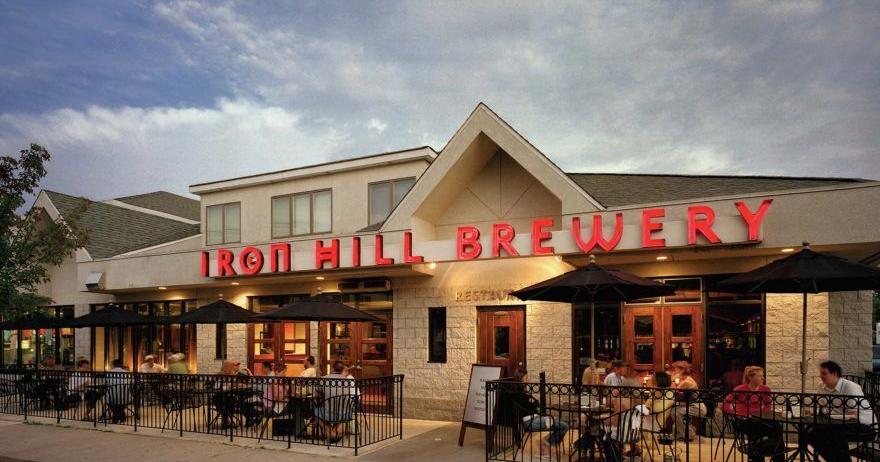
A Pennsylvania brewery, Iron Hill, abruptly closed all its locations without notice, prompting a law firm to investigate a potential class action lawsuit for violating the Worker Adjustment and Retraining Notification Act, which could entitle affected employees to back pay and benefits; the company filed for bankruptcy shortly after the closures.
Nine former employees of the University of the Arts have filed a class-action lawsuit against the institution, claiming it violated federal law by not providing the required 60 days' notice before announcing its sudden closure. The plaintiffs, including professors and administrators, are seeking two months' pay and benefits. The Pennsylvania Attorney General's Office is also reviewing the closure, and the university's board has acknowledged the community's distress. Temple University is exploring a potential merger to save the arts institution.
Eau Claire's city attorney has written a letter to HSHS and Prevea, expressing concerns about the potential illegality of the hospitals' closure and the reported violation of the WARN Act. The letter urges the health system to meet its legal obligations and emphasizes the impact of the closures on the community, particularly in terms of regional inpatient behavioral health care. The city attorney calls for cooperation from HSHS to minimize the impact of the closure on the community.
The Messenger, a digital news site, abruptly shut down and fired all remaining staff, prompting a proposed class action suit against owner Jimmy Finkelstein for violating the WARN Act by terminating 300 employees without notice, severance, or healthcare. The startup, which launched with high ambitions, faced economic challenges and lost about $38 million after a $50 million funding round. This closure adds to the trend of media outlets undergoing severe layoffs amid industry upheaval, with former employees expressing shock at the sudden shutdown and lack of support.
California's WARN Act requires large employers to give 60 days of advanced notice when they are cutting a large number of jobs, and even medium-sized businesses or nonprofits to comply. The state law applies to any organization that has employed at least 75 people, part-time or full-time, in the past 12 months. Recent notices include a Safeway grocery store closing in San Francisco, permanent layoffs at multi-level marketing company Herbalife in Los Angeles County, and 953 jobs lost at a Walmart in San Bernardino County.
The Worker Adjustment and Retraining Notification Act (WARN Act) requires employers with 100 or more full-time employees to give 60 days of advanced notice for plant closings or mass layoffs. Some states have even stricter rules, requiring WARN notices from smaller companies or employers planning layoffs that affect fewer people. Many states make filed WARN notices publicly available online, and searching your state’s name plus “WARN notices” will point you in the right direction to find your state’s database, if it’s available online. The latest jobless claims numbers show 13,000 more people applied for unemployment benefits in the last week of April when compared to the week before.
Texas companies planning mass layoffs or closures are required by the federal law called the WARN Act to give 60 days of advanced notice for plant closings or mass layoffs. Recent filings show planned job cuts at several businesses, including Walmart in Grapevine, where more than 1,000 jobs are set to be cut in the coming months. Texas makes its WARN notices publicly available online. The latest jobless claims numbers show 13,000 more people applied for unemployment benefits nationwide in the last week of April when compared to the week before.
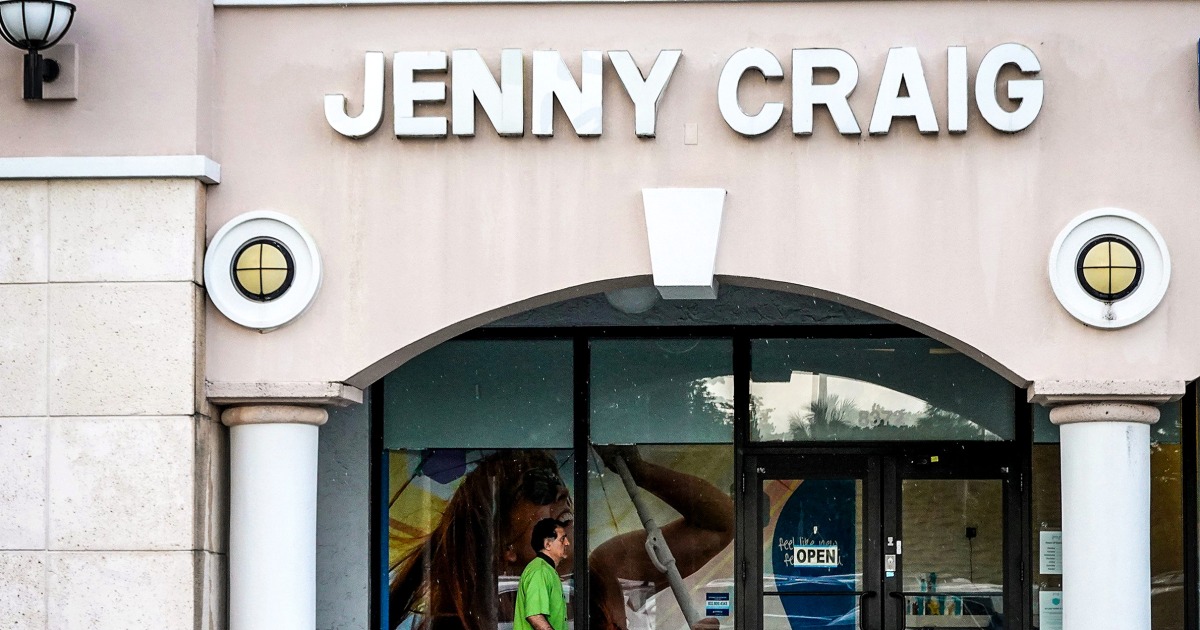
Jenny Craig employees have filed a class-action lawsuit alleging that the company violated federal and state WARN Acts, which require companies to give employees a 60-day notice ahead of any mass layoffs or facility closures. The lawsuit was filed in the New Jersey District Court on May 4, two days after the company sent an email to its employees announcing it would fully close. The employees are seeking pay for the full 60 days since the original notice was sent, as well as the monetary value of the benefits they would have enjoyed during that time.
A new law in New Jersey guarantees workers in a business with 100 or more full-time employees one week of severance pay for every year of service when layoffs impact 50 or more workers. The law expands the New Jersey WARN Act to guarantee workers at least 90-days notice when downsizing is on the way. Companies are affected if they’ve been in business in New Jersey for at least three years. A failure to comply with the new law will trigger an extra four weeks of severance payouts for employees.