
Tag

Wallace Line

All articles tagged with #wallace line

science2 years ago

Lost Continent of Argoland Rediscovered After 155 Million Years

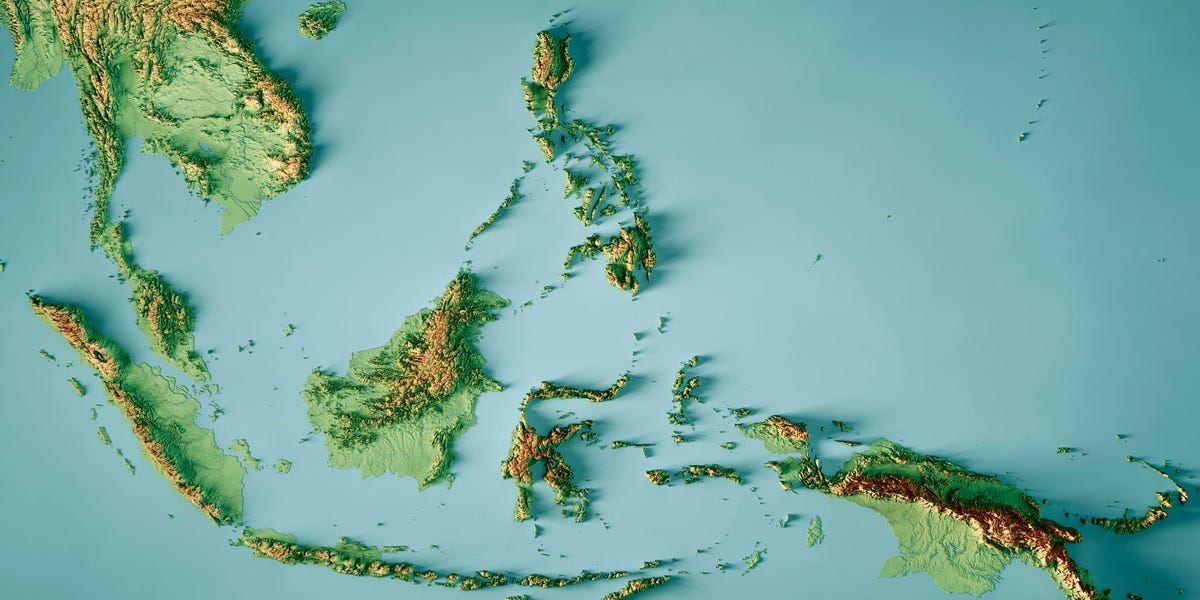
Scientists believe they have discovered the lost continent of Argoland, which vanished over 115 million years ago. Argoland, which split off from Australia, is believed to be lying dormant under the Eastern islands of Southeast Asia. The discovery of traces of Argoland beneath the ocean has helped explain ecological differences in the region, such as the Wallace line, which separates Australian and Southeast Asian fauna. The continent broke into small fragments when it separated from Australia, obstructing views of its journey. The largest pieces potentially became small island masses off the coast of East Indonesia. This research has shed light on the history of Argoland and solved geographical mysteries in the region, providing a better understanding of the barriers between different wildlife species.
science2 years ago

"Scientists Rediscover 'Lost' Continent Argoland in Asia after 155 Million Years"

Scientists at Utrecht University have discovered the missing continent of Argoland, which split from Australia 155 million years ago. The continent was found hidden under the eastern islands of Southeast Asia, explaining the mysterious Wallace line that separates Southeast Asian and Australian fauna. The researchers determined that Argoland had splintered into fragmented microcontinents, coining the term "Argopelago" to describe it. This discovery sheds light on the evolution of biodiversity, climate, and the distribution of species in the region.

science2 years ago

"Lost Continent of Argoland Rediscovered in Asia After 155 Million Years"

Scientists from Utrecht University have rediscovered the ancient continent of Argoland, which broke off from Australia 155 million years ago. The landmass was found hidden under the eastern islands of Southeast Asia, explaining the invisible barrier known as the Wallace line that separates Southeast Asian and Australian fauna. Argoland shattered into fragmented ribbons, obstructing its discovery until now. This discovery could provide insights into the evolution of biodiversity, climate, and the distribution of wildlife in the region.