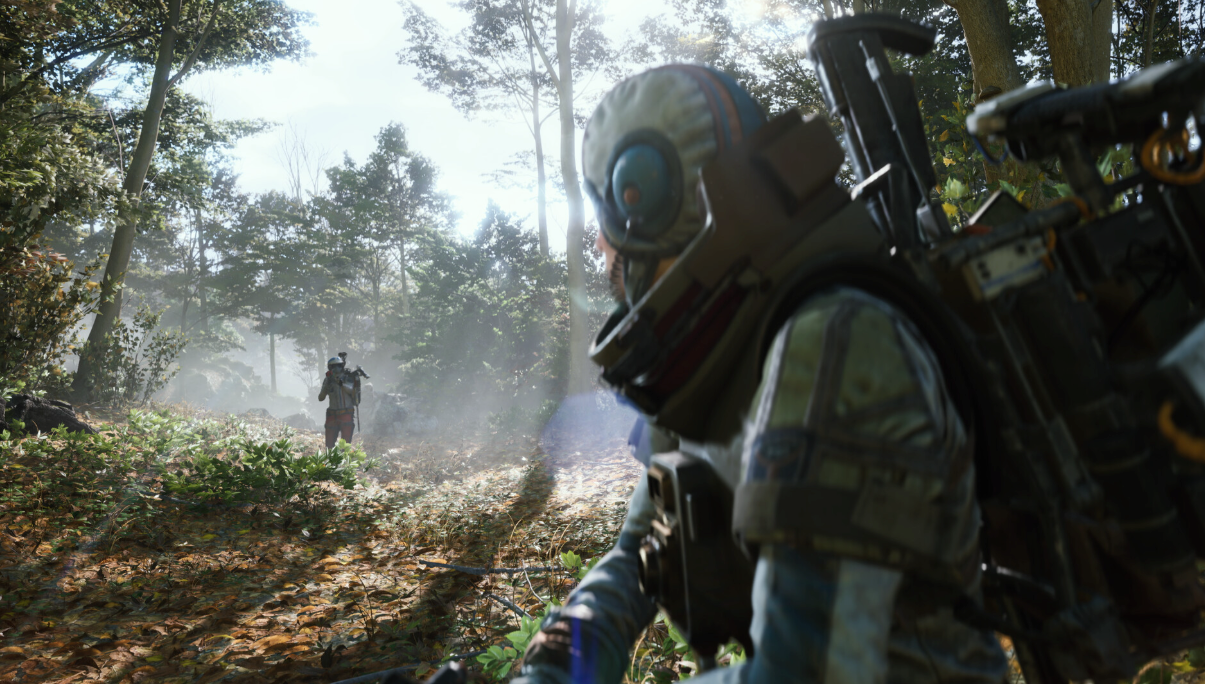
Arc Raiders' developer Embark defends the use of AI-based text-to-speech technology, emphasizing its role in improving game development efficiency and quality without replacing human jobs, amidst ongoing industry discussions about AI's impact on employment and creative processes.
OpenAI has developed Voice Engine, a text-to-speech AI model that can create synthetic voices based on a 15-second segment of recorded audio, but the company has decided not to widely release the technology due to ethical implications. While the technology has potential benefits, such as providing reading assistance and supporting non-verbal individuals, it also raises concerns about potential misuse, including phone scams and security risks. OpenAI is working with select partners and has implemented rules to mitigate misuse, but is urging for societal adaptation and responsible deployment of synthetic voices.
Musician Grimes has announced that she will split 50% royalties on any successful AI-generated song that uses her voice, stating that she has no label or legal bindings. Grimes is known for her interest in AI and tech, and has previously written music about AI. She is currently working on a program to simulate her voice well. However, she has also expressed concerns about the potential for AI-generated songs with "toxic lyrics" using her voice and is working on a system to collect and pay out royalties using "smart contracts."