Walmart has paused hiring new H-1B visa candidates due to the Trump administration's $100,000 visa fee, impacting its ability to hire international talent and adding to industry-wide workforce challenges.
The US has clarified that the recent $100,000 H-1B visa fee will not apply to current visa holders or those applying for change of status, providing relief to Indian professionals and students, amid political and community concerns over the fee's impact on the Indian-American community and US tech industry.
Rural schools and healthcare providers in the U.S. are facing significant challenges in hiring skilled workers due to a new $100,000 fee on H-1B visa applications, which could lead to staffing shortages and impact service quality, especially in remote areas relying heavily on immigrant professionals.
President Trump announced a $100,000 fee for new H-1B visa applications, which has received mixed reactions; some tech leaders see it as a move towards a more transparent and skill-based system, while concerns remain about its impact on smaller companies and potential job outsourcing.
The White House announced that doctors may be exempt from the $100,000 H-1B visa fee, which could help address healthcare shortages in rural areas by making it easier to recruit medical professionals through potential exemptions based on national interest. This move is in response to concerns about the impact of high visa fees on healthcare staffing, especially in underserved communities.
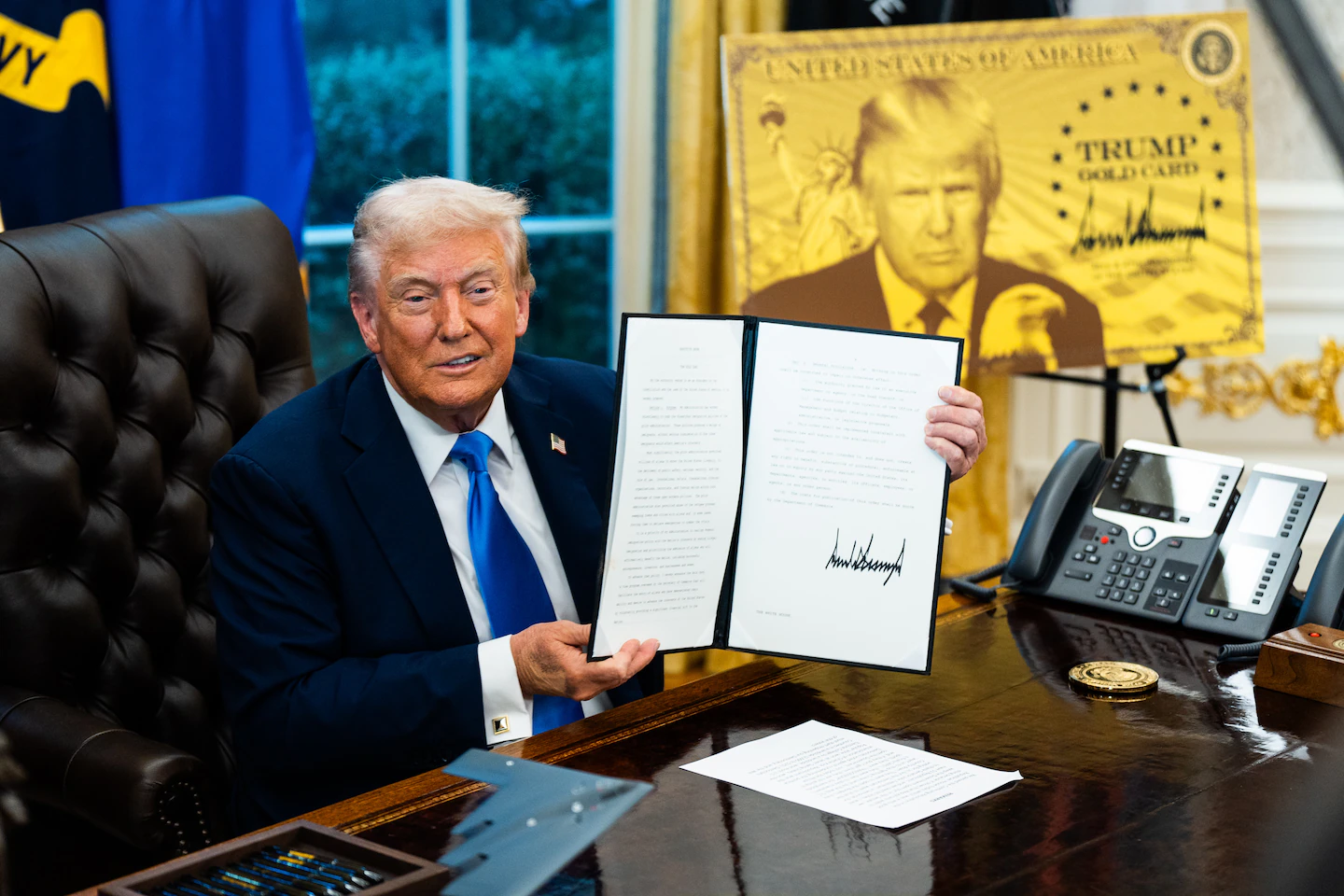
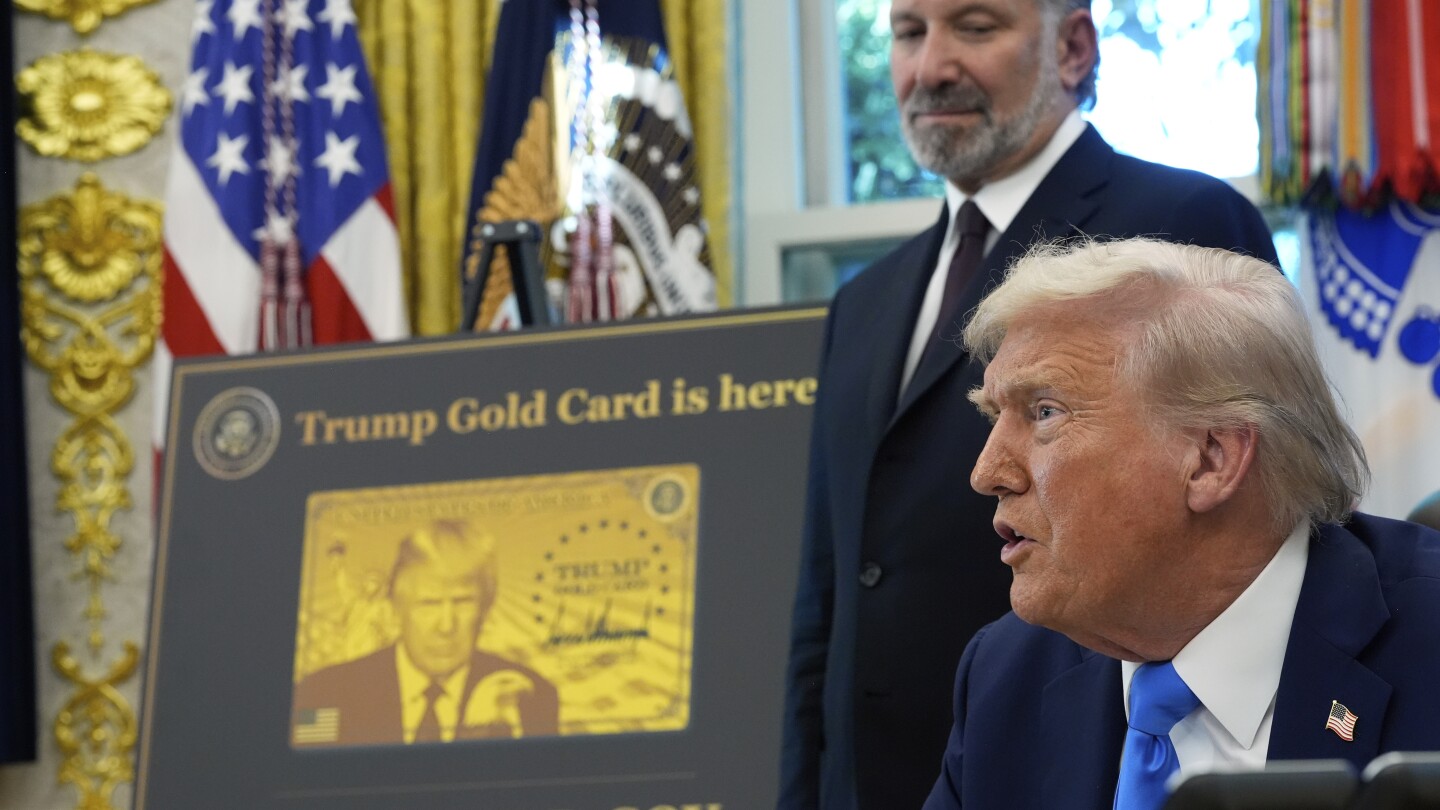
The White House clarified that President Trump's new $100,000 fee for H-1B visas applies only to new petitions and not renewals or existing visa holders, after initial confusion caused panic among U.S. companies relying on H-1B workers. The policy, which also includes a $1 million 'gold card' visa for investors, has led to warnings from major tech firms and banks urging affected employees to return to the U.S. and cancel travel plans, amid ongoing debates over immigration and skilled labor in America.
The article discusses the emergency guidance issued by companies in response to Trump's new H-1B visa fee, which has prompted concern and the need for immediate action from organizations involved in sponsoring or employing H-1B visa holders.
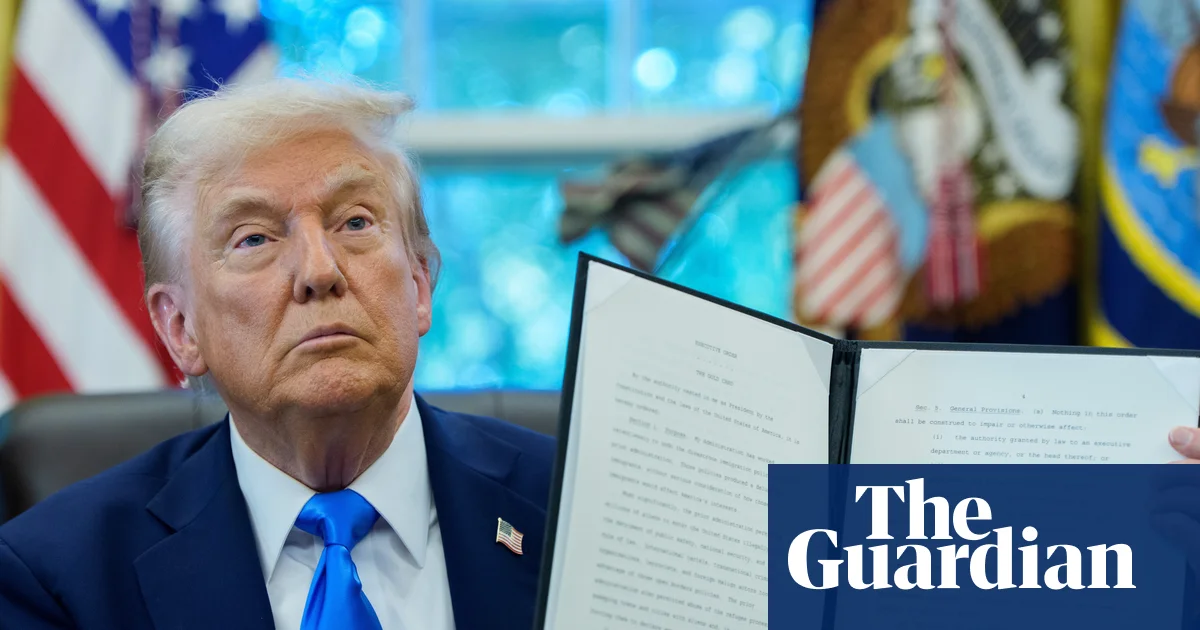
President Trump signed an executive order imposing a $100,000 fee on new H-1B visas, which could impact major tech companies that rely on foreign high-skilled workers, amid ongoing debates over the program's use and abuse.
President Trump announced a new $100,000 fee for H1-B visa applicants, causing confusion and concern among companies and potential workers, with the new rules taking effect soon.
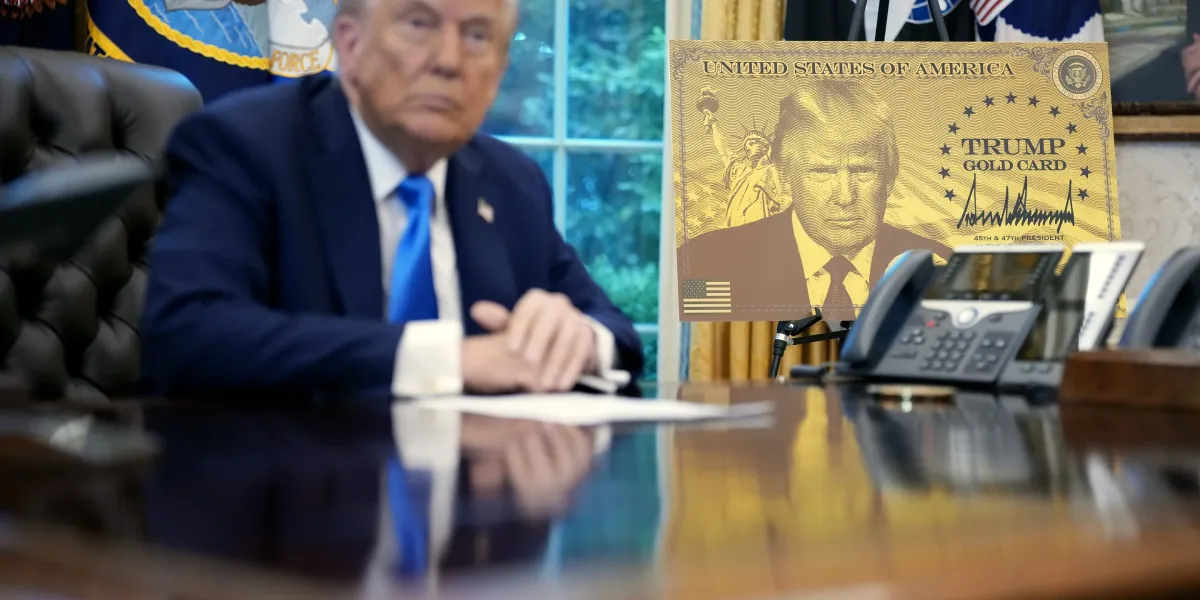
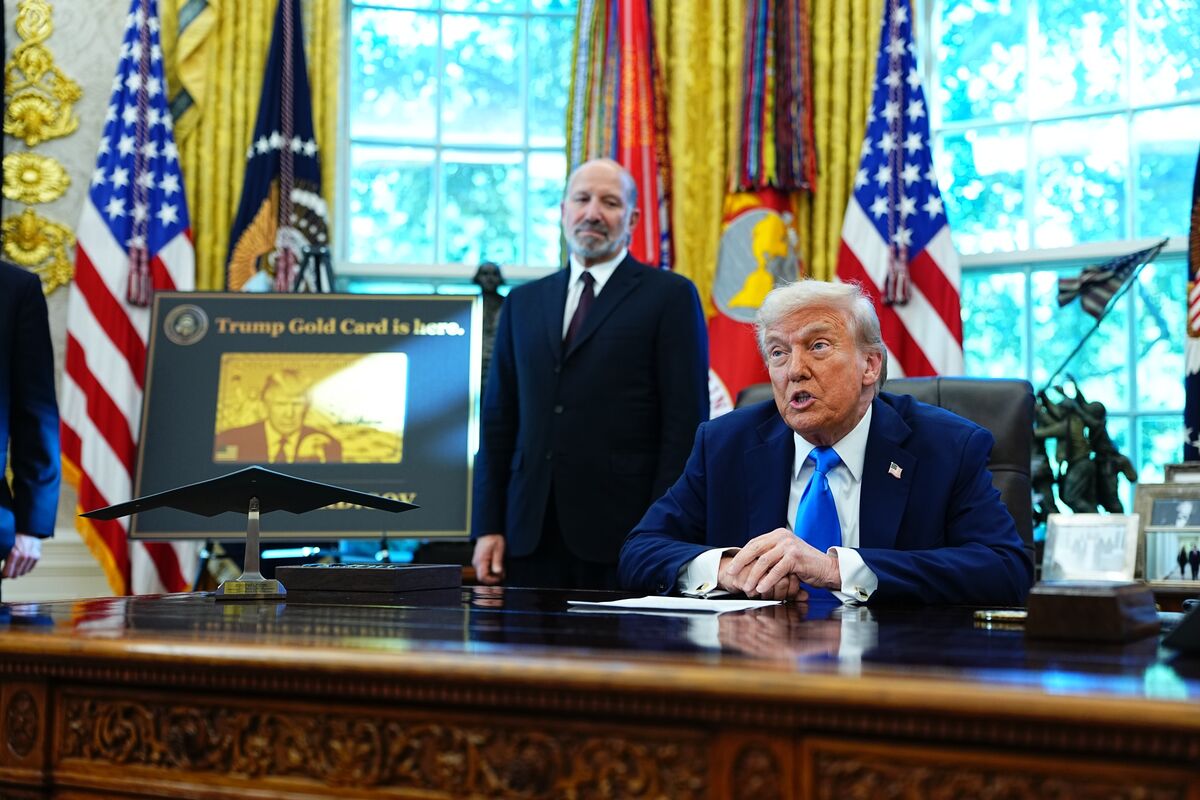
President Trump has introduced a controversial overhaul of US immigration policies, including a $100,000 fee for H-1B visas and a 'Trump Gold Card' residency program costing up to $5 million, favoring wealthy applicants and potentially disrupting the current visa system and US economy.
U.S. President Donald Trump announced a $100,000 annual fee on H-1B visas, prompting major tech companies and foreign governments to respond, as the move threatens to significantly impact highly skilled immigrant workers and disrupt international relations and industries reliant on these visas.
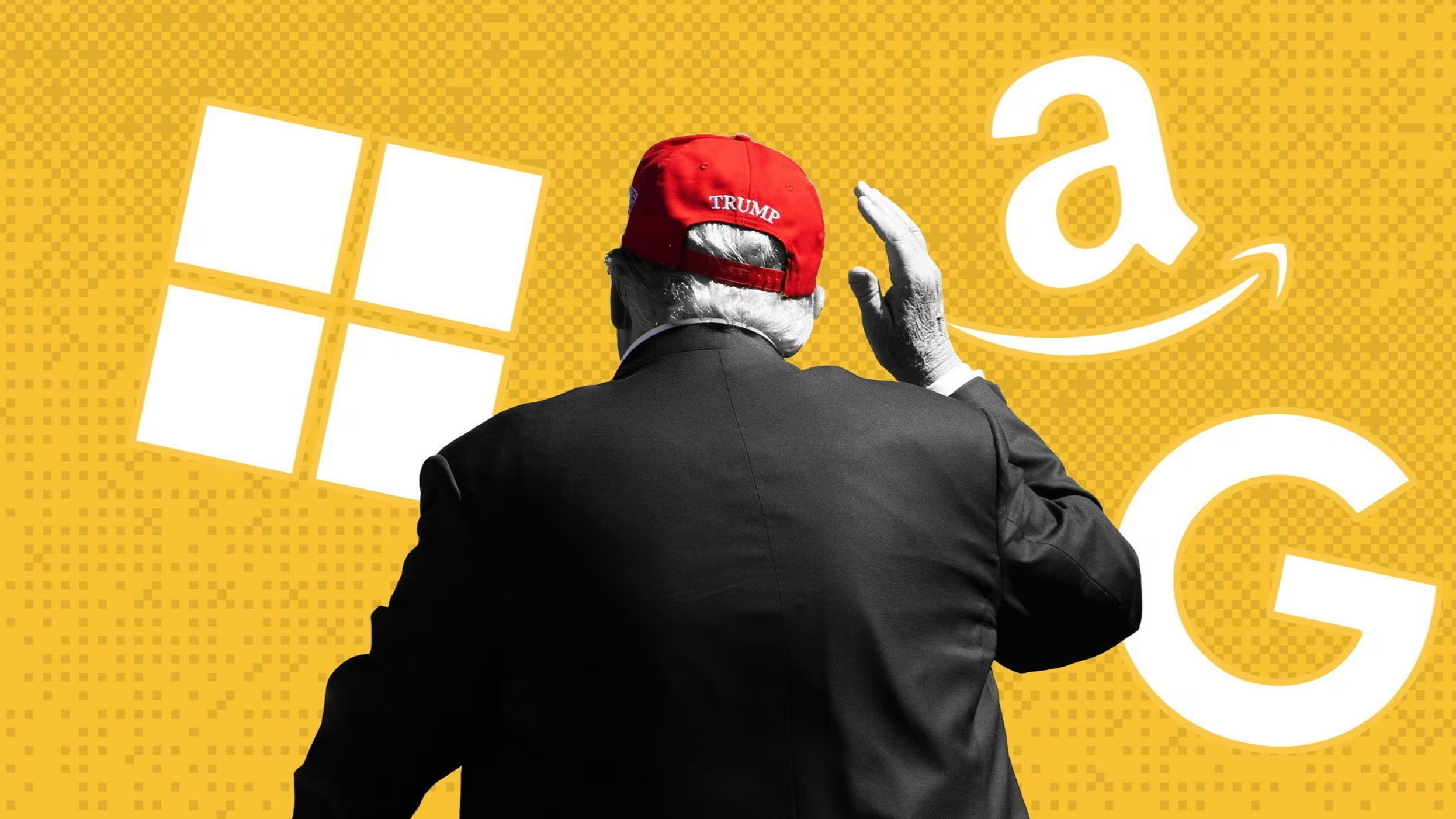
The Trump administration announced a new $100,000 annual fee for H-1B visa applications, prompting tech giants like Amazon and Microsoft to advise their employees on travel and visa status amid new restrictions and deadlines.
Big Tech and finance companies are instructing H-1B visa employees to stay in the US due to a new executive order by President Trump that significantly increases visa application fees and restricts reentry for travelers, causing potential disruption in the tech sector.
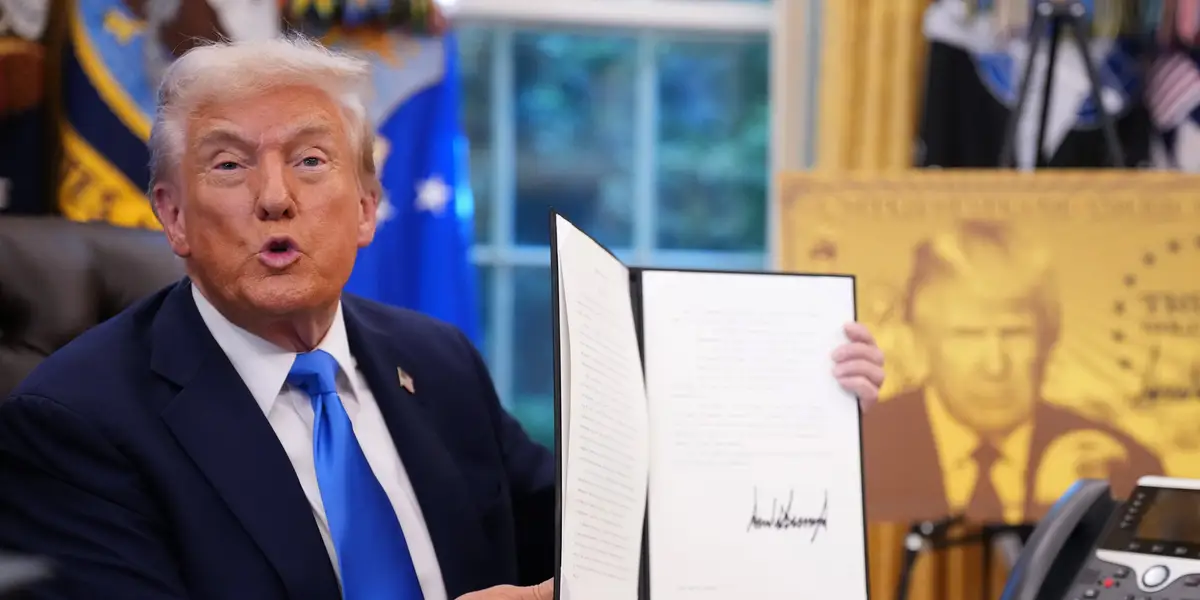
Donald Trump signed a proclamation to impose a $100,000 annual fee on H-1B visa applications, potentially impacting the US tech industry heavily reliant on foreign workers, raising legal and economic concerns about the move's authority and implications.
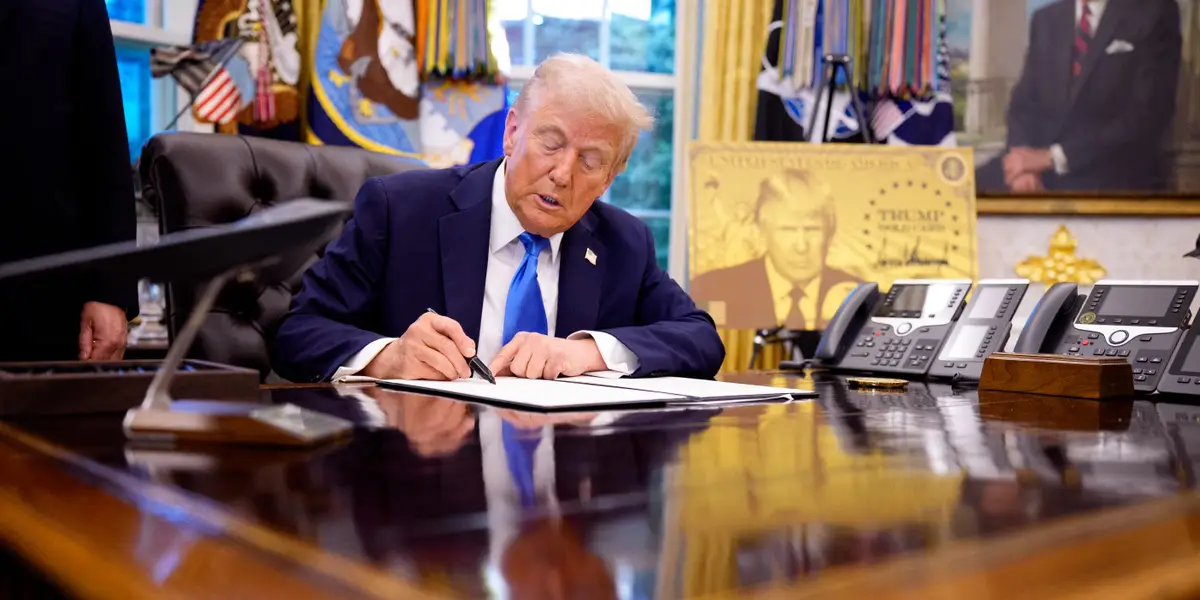
President Trump signed a proclamation imposing a $100,000 annual fee for H-1B visa applications and introduced a $1 million 'gold card' visa, aiming to reshape the U.S. visa system for highly skilled workers and investors, though these measures face legal challenges and criticism for exceeding presidential authority.