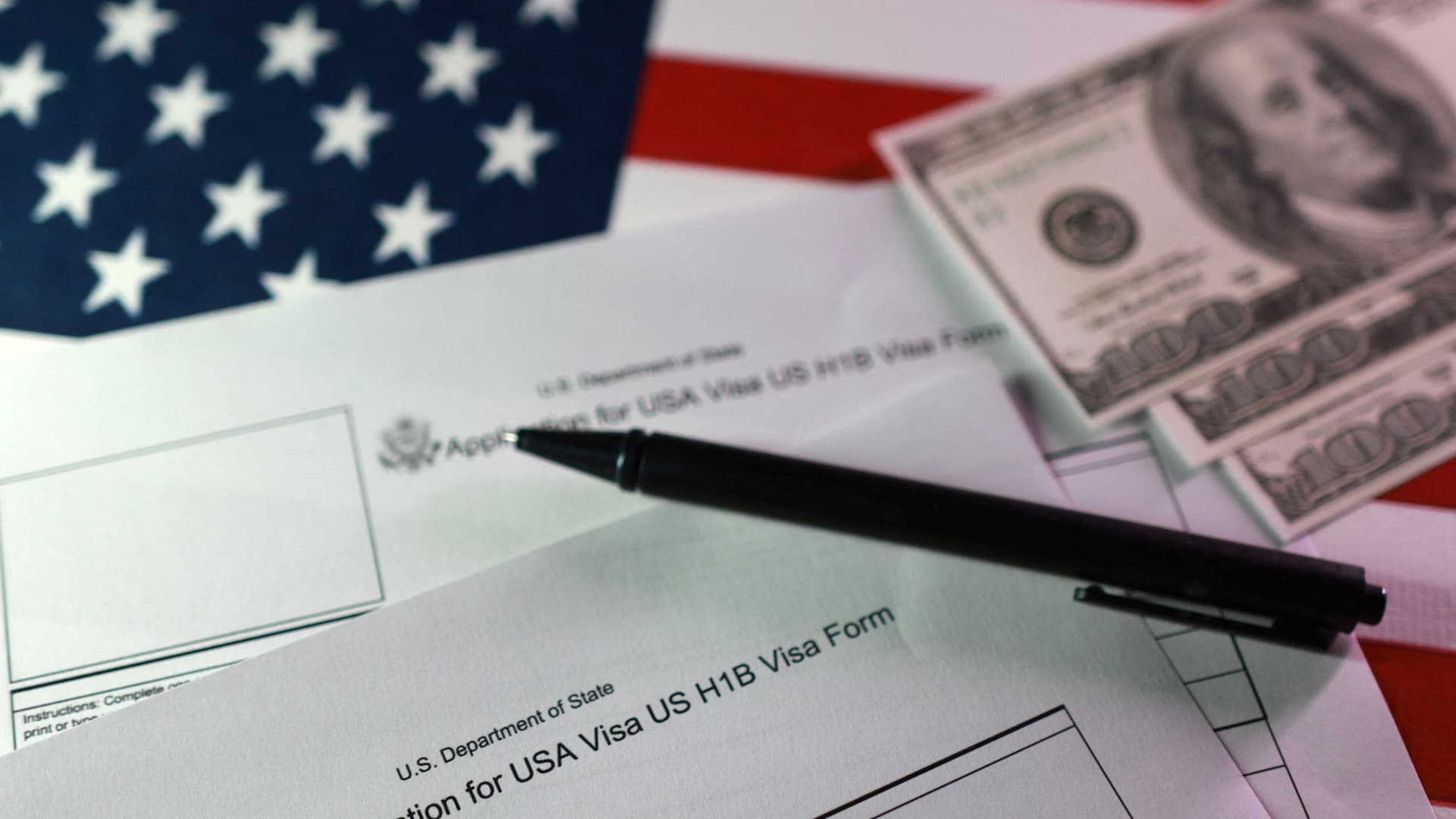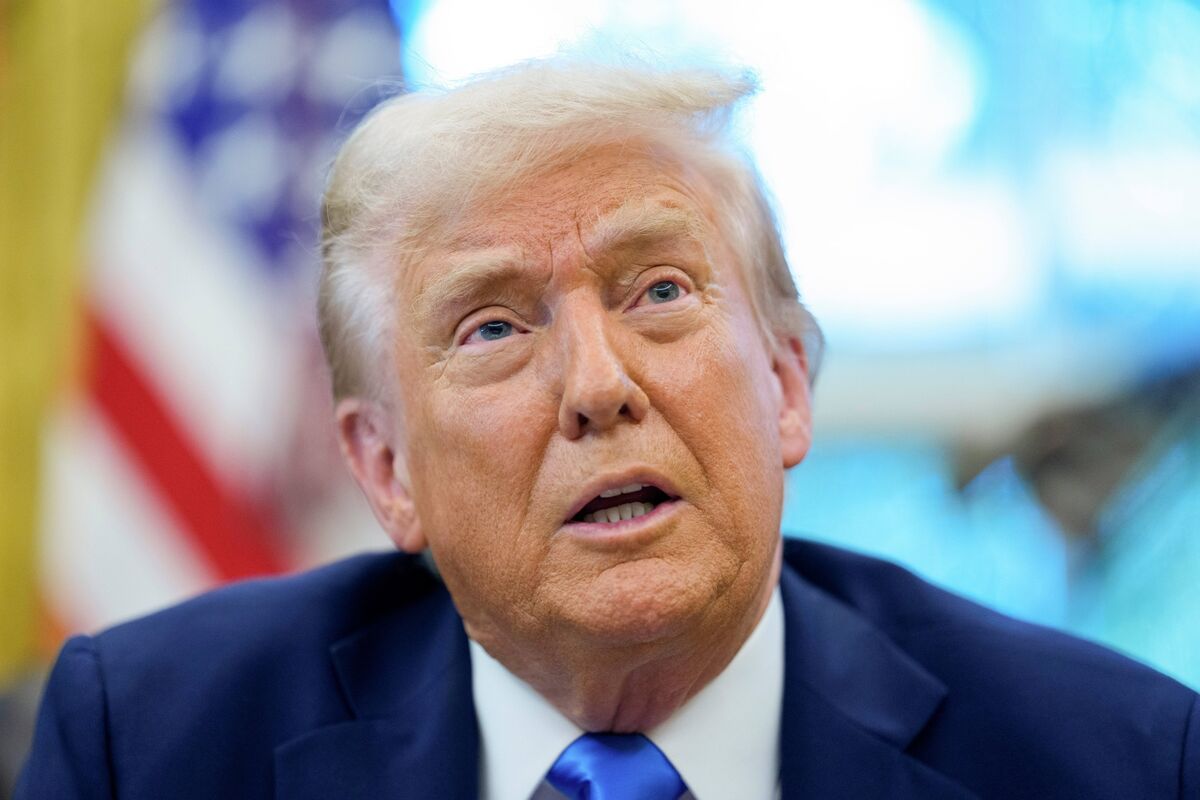
A US federal judge upheld the Trump administration's decision to impose a $100,000 fee on new H-1B visa applications, ruling it lawful under broad presidential authority, despite opposition from the US Chamber of Commerce and other legal challenges, signaling a potential restriction on skilled foreign worker immigration.
Walmart has paused hiring H-1B visa candidates in response to the Trump administration's new $100,000 fee, which aims to curb perceived abuse of the visa program and has caused controversy among business groups and policymakers.
The U.S. Chamber of Commerce has filed a lawsuit against the Trump administration over a proposed $100,000 fee for H-1B visas, arguing that it is unlawful and would hinder U.S. businesses' access to skilled foreign workers, especially impacting startups and small to midsize companies. The fee increase is part of broader immigration policy changes aimed at limiting immigration and promoting domestic hiring.
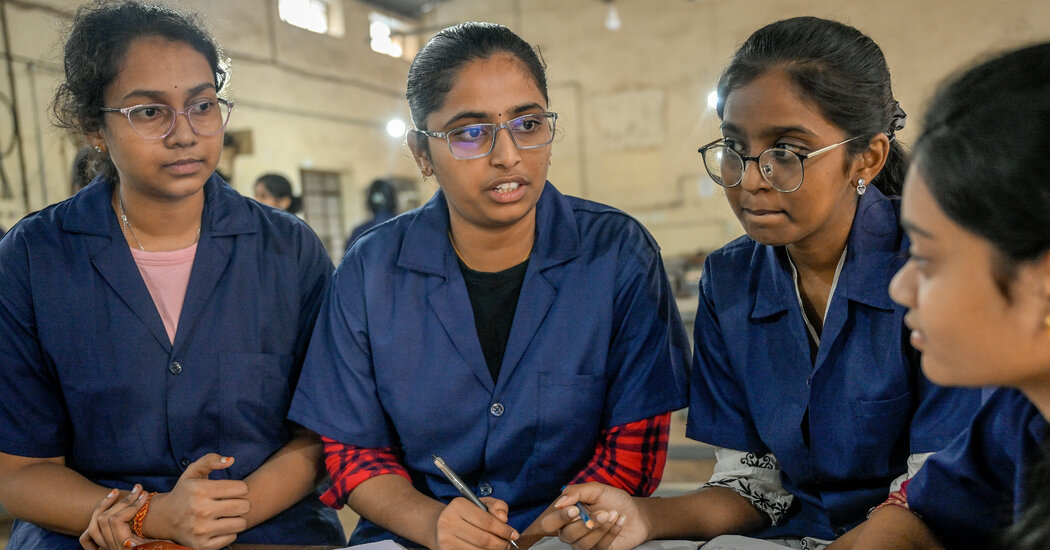
A new U.S. policy requiring a $100,000 fee for H-1B visas has devastated Indian students and workers who saw these visas as a pathway to better opportunities in the U.S., shattering their dreams and plans for a future abroad.
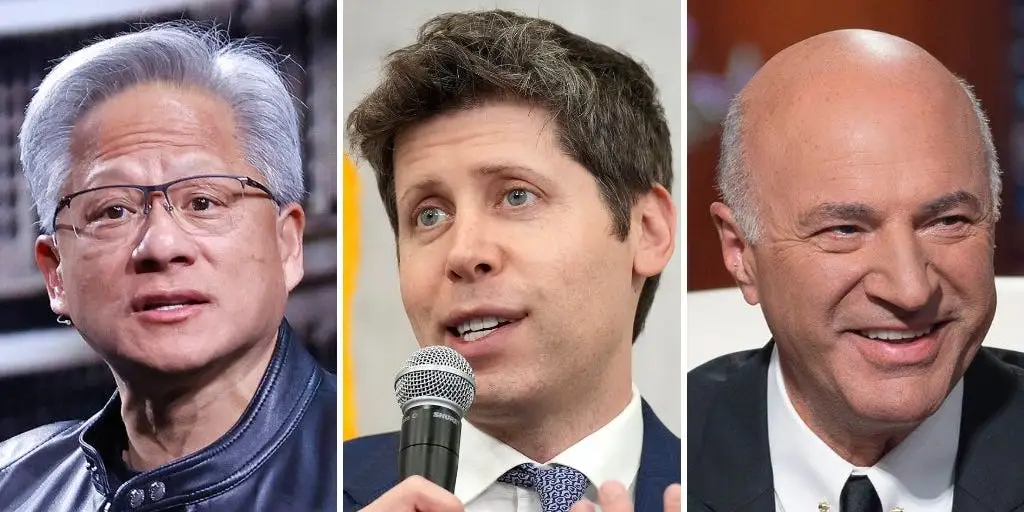
Business leaders including Jensen Huang, Sam Altman, Reed Hastings, and Kevin O'Leary have reacted to President Trump's new $100,000 fee for H-1B visas, with opinions ranging from support for the move to concerns about its long-term impact on innovation and talent acquisition in the US.
The Trump administration introduced a new $100,000 fee for H-1B visa applications, primarily affecting new applicants and potentially deterring employers from hiring foreign skilled workers, with some confusion and uncertainty remaining about its impact on current visa holders and travel. The fee aims to prioritize American workers and curb abuse of the visa system, but its implementation and exemptions are still unclear.
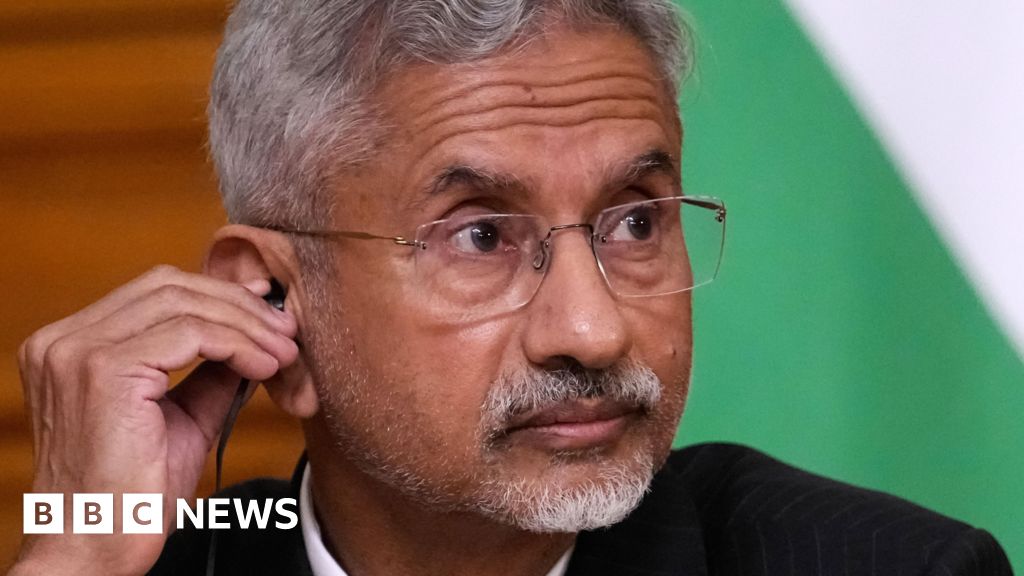
India's Ministry of External Affairs criticized the U.S. decision to impose a $100,000 fee on H-1B visa applications, citing potential humanitarian and economic disruptions, especially for Indian professionals who make up over 70% of H-1B recipients. The policy, aimed at addressing systemic abuse, has caused chaos among Indian communities and raised concerns about its impact on U.S.-India relations and the tech industry. Major U.S. tech companies clarified that the fee applies only to new visa petitions, and current visa holders can continue traveling as before.
The White House clarified that the new $100,000 fee on H-1B visas for high-skilled tech workers applies only to new applicants, not current visa holders, amid confusion and criticism over the move which aims to reduce visa numbers and increase costs for foreign tech workers, especially from India, with potential legal challenges and significant impacts on U.S. tech industry and immigration policy.
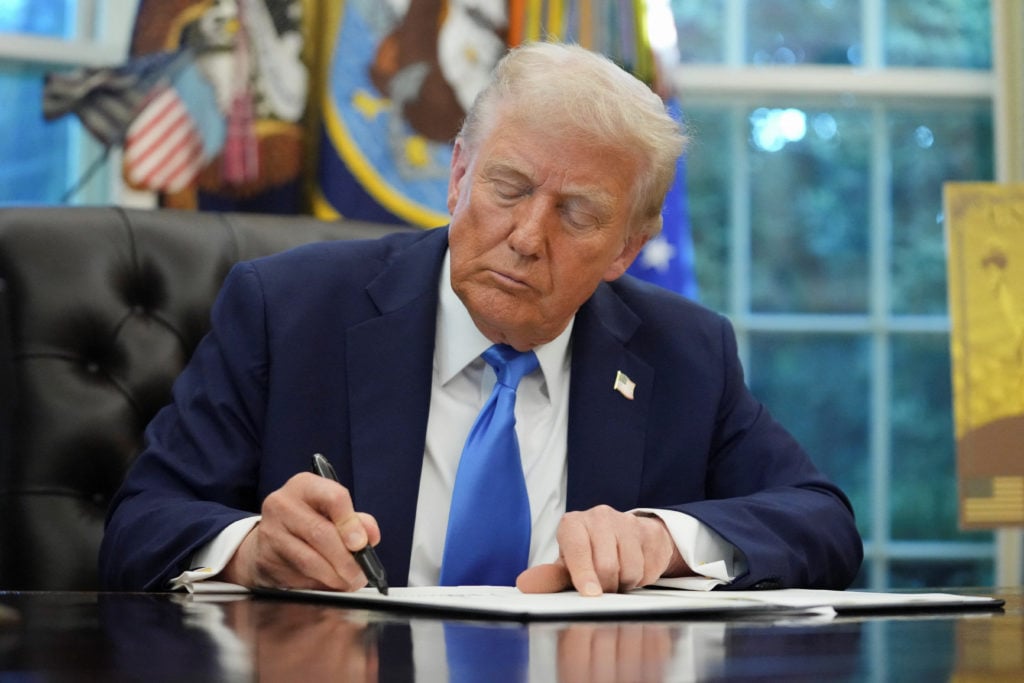
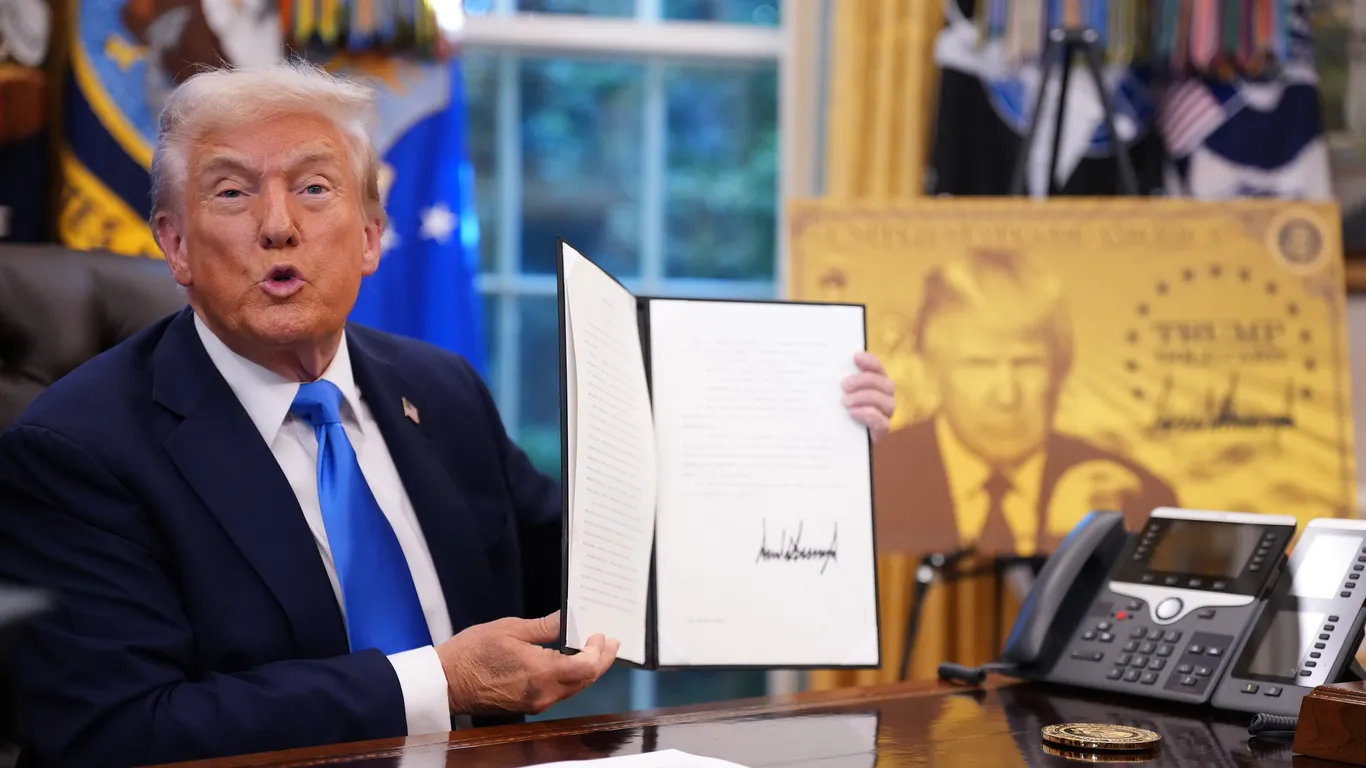
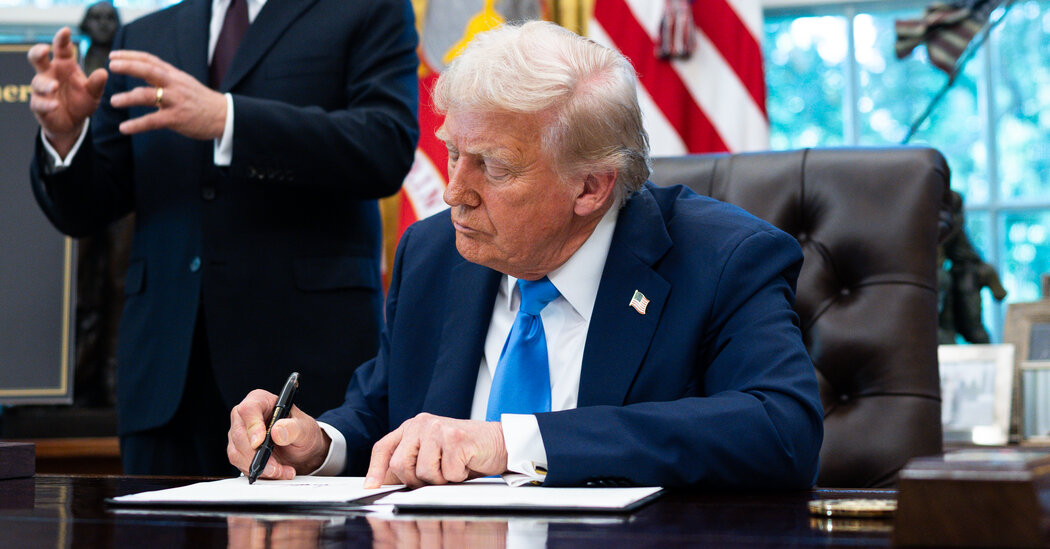
President Trump signed a proclamation imposing a $100,000 fee on certain highly skilled foreign workers' visas, causing confusion among companies about its application, though the White House clarified it only affects new applicants, not current visa holders.
India has expressed concern over a new $100,000 fee for US H-1B visa applicants, citing potential humanitarian and family disruption, amid tense trade negotiations and policy changes by the US government aimed at addressing visa misuse.
A new $100,000 fee for H-1B visas will only apply to new applicants starting Sunday, not to existing visa holders or renewals, clarifying earlier confusion caused by an executive order.
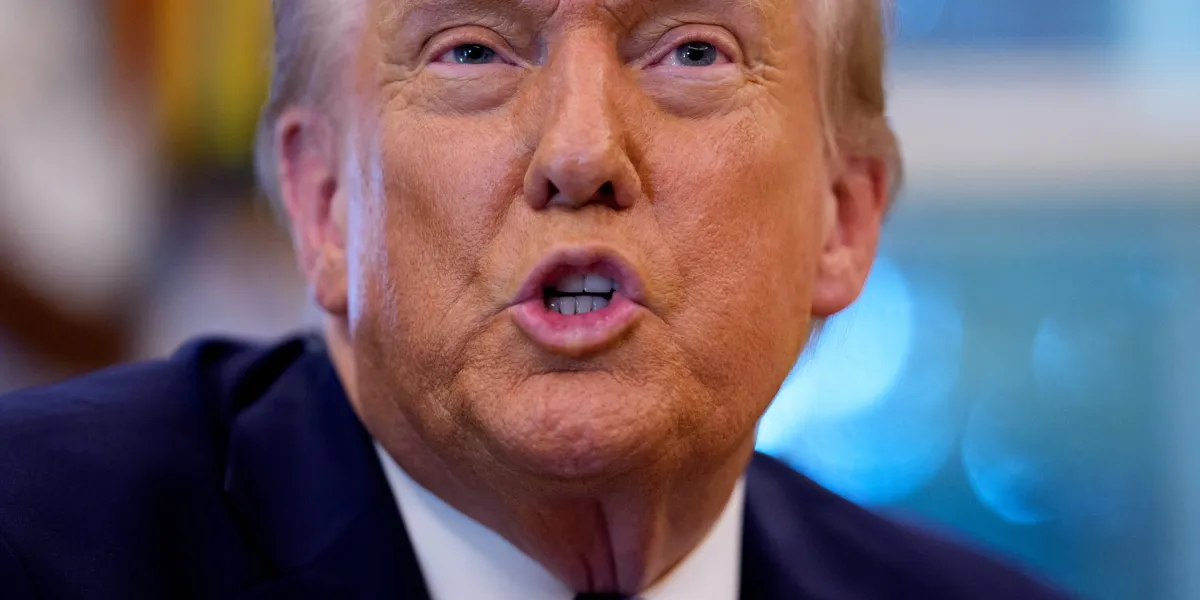
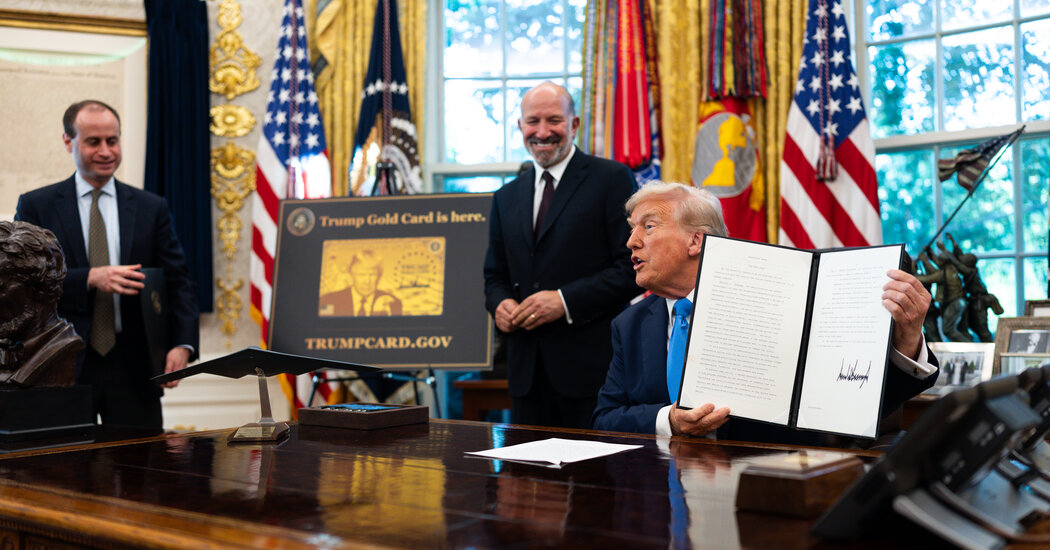
President Trump announced a new $100,000 annual fee for certain skilled foreign worker visas (H-1B), aiming to prioritize American workers and overhaul the visa system, alongside a costly 'gold card' program intended to generate revenue and potentially replace existing green card processes, sparking legal and industry concerns.
President Trump is expected to sign an executive order imposing a $100,000 fee on H-1B visa applications to curb program abuse, which could significantly impact industries relying on these visas, especially tech. The move reflects ongoing efforts to tighten immigration controls, despite Trump's previous support for the program.
President Trump plans to implement a $100,000 fee for H-1B visa applicants, citing abuse of the program, which is used to bring skilled foreign workers to the US. The move aims to restrict entry and address concerns about program misuse, while the debate over its impact on American workers continues. The number of applications has recently hit a four-year low, with major tech companies being significant beneficiaries of the program.
The United States will introduce a $250 'visa integrity fee' for non-immigrant visa holders starting October 2025, aimed at ensuring compliance with visa rules. This fee, added to existing visa costs, is intended as a deposit refundable upon adherence to visa conditions, but the refund process remains unclear. The fee could impact tourism, especially from countries with growing visitor numbers, amid a broader decline in US tourism and international spending.