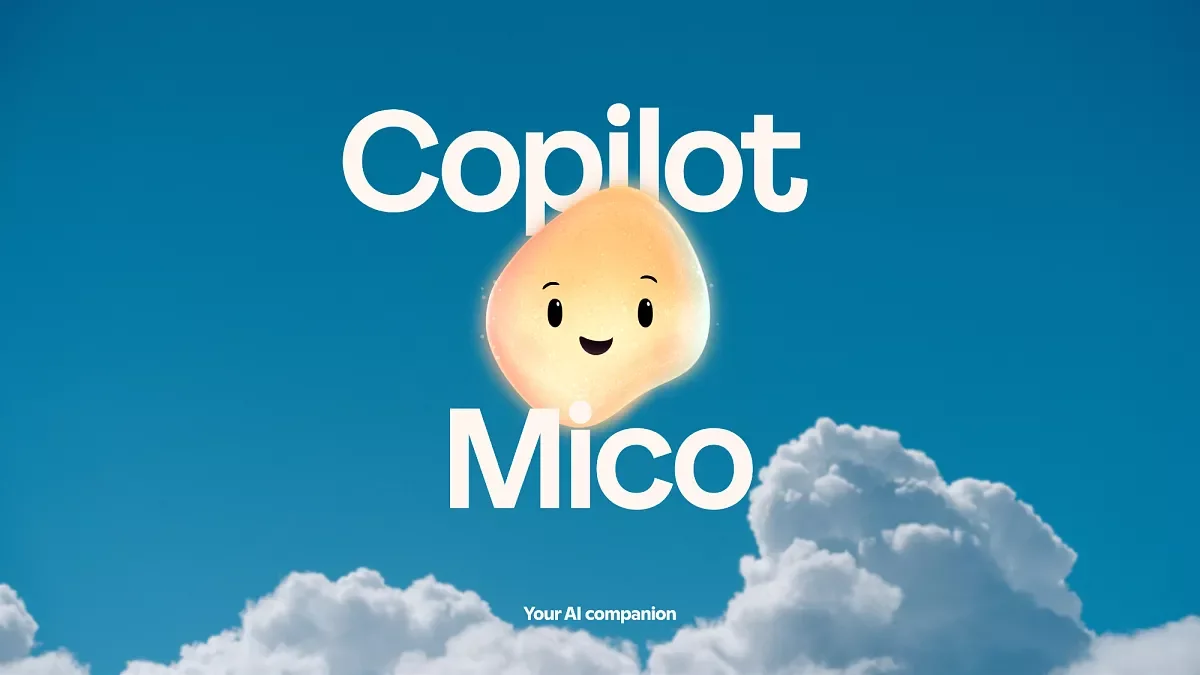
Microsoft introduces Mico, a friendly, expressive AI character for its Copilot virtual assistant, aiming to balance personality and usefulness while avoiding the pitfalls of past AI prototypes like Clippy. The move reflects a broader industry trend to humanize AI chatbots with varying degrees of personality, tailored to user trust and safety concerns, especially in educational and social contexts.
Suzanne Somers' widower, Alan Hamel, has created an AI clone of the late actress and health icon, trained with her books and interviews, to interact with fans online, fulfilling her wish to provide health information through a 24/7 chatbot that closely resembles her.
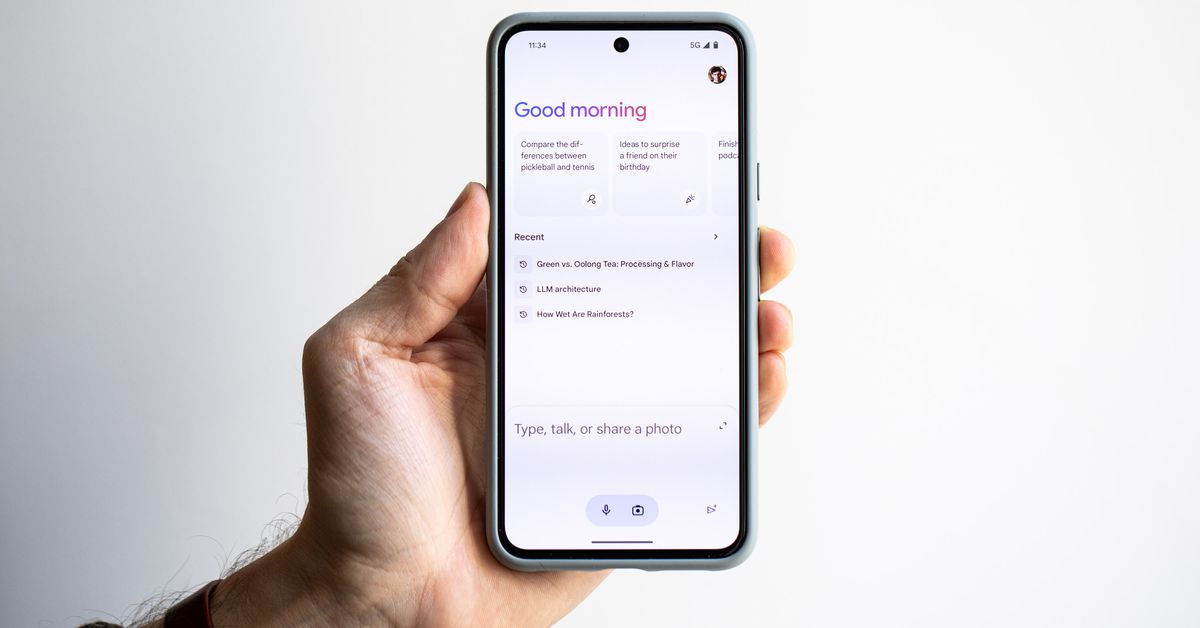
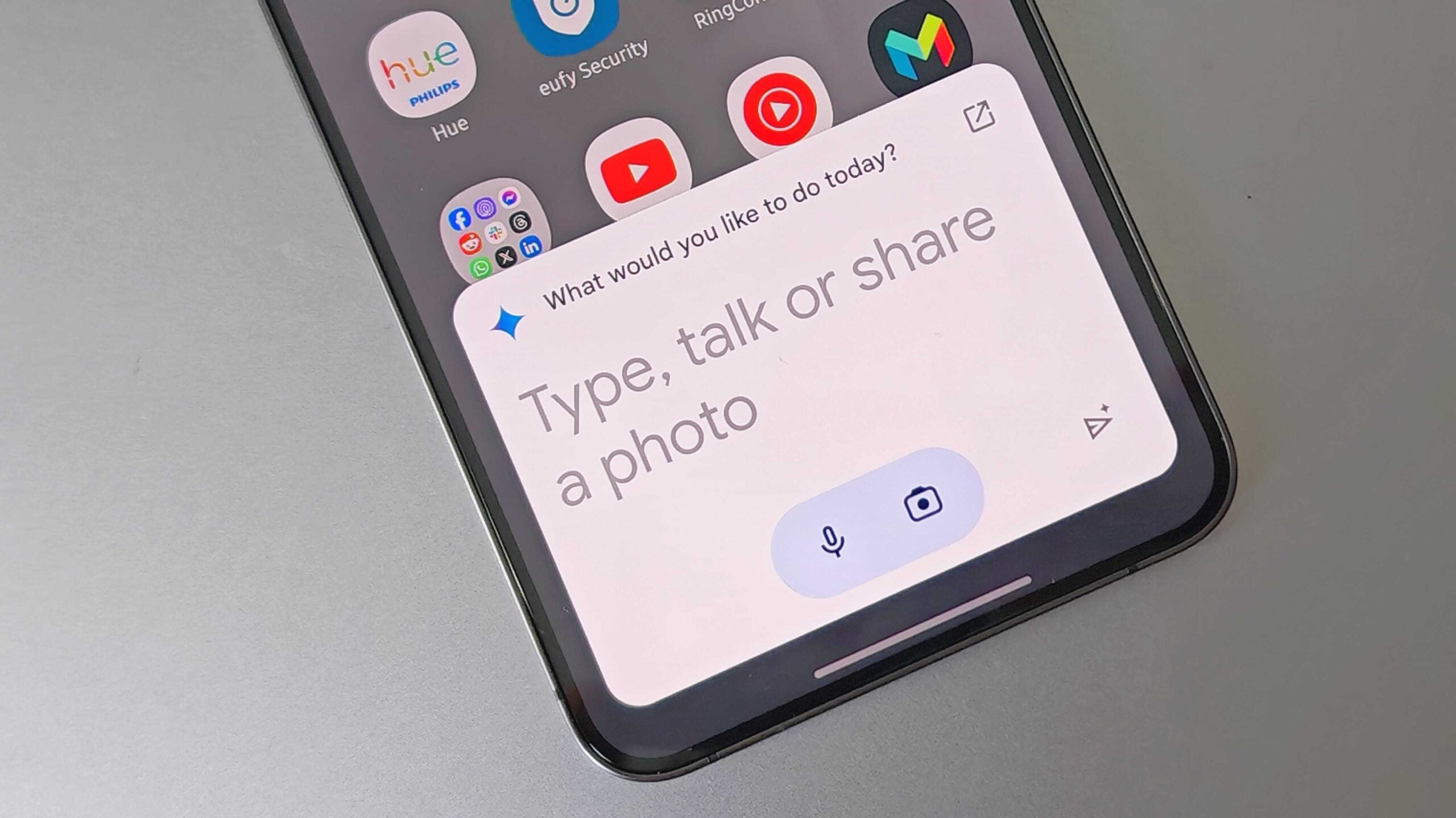
Google has rebranded its Bard chatbot to Gemini, offering an Android app that can replace Google Assistant with the GenAI-powered assistant, providing expanded capabilities such as generating workout plans and writing emails. The Gemini app is available for all Android phones, and the process to replace Google Assistant involves downloading the Gemini app, agreeing to terms and conditions, and activating Gemini. If unsatisfied, users can easily switch back to Google Assistant via the Google app.
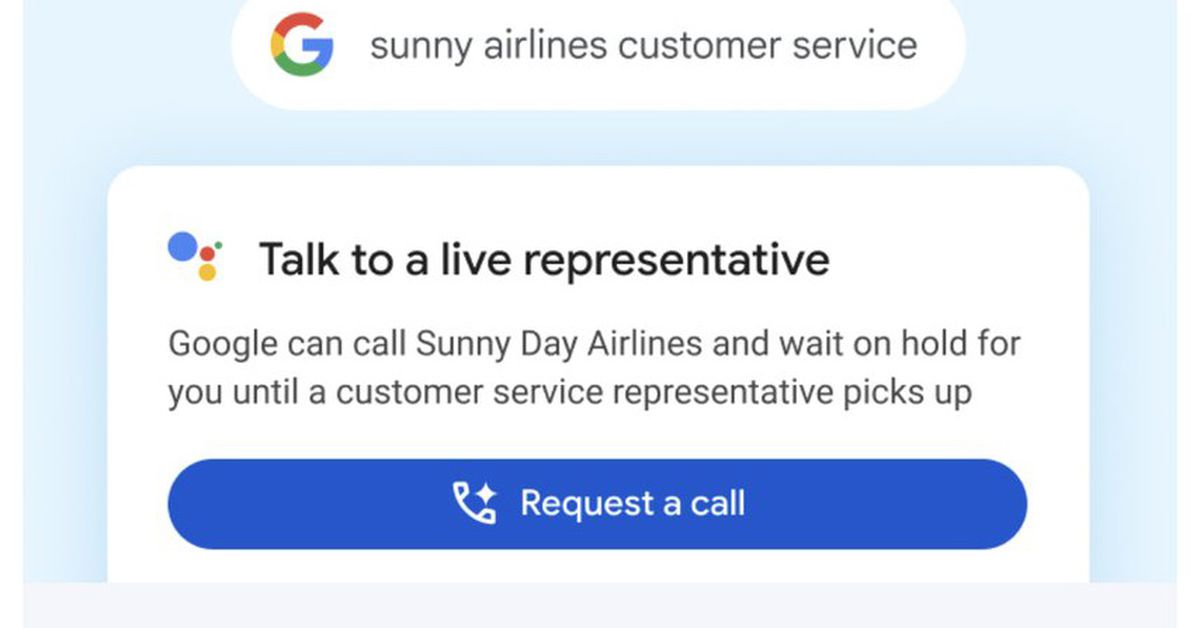
Google is testing a new feature called "Talk to a Live Representative" that allows its software to call a business on behalf of non-Pixel phone users, navigate through phone trees, wait on hold, and notify when a human representative is available. This feature, available as a Search Labs experimental feature, is accessible across all phones and offers proactive calling for customer support. Users can request a call for supported businesses, select the reason for the call, and receive SMS updates on its progress.
Google's new AI chatbot, Gemini, is a promising glimpse of the future of AI assistants, with the ability to integrate with Gmail, Google Maps, and Google Docs to perform tasks like summarizing emails and drafting messages. While it shows potential, Gemini still has limitations in understanding context and lacks the conversational abilities of other AI models like ChatGPT. It also faces challenges in accessing calendar information and providing concise responses. Despite these drawbacks, it presents a more advanced alternative to traditional voice assistants and could potentially replace Google Assistant in the future.
Amazon is reportedly planning to launch a subscription-based version of Alexa, called "Alexa Plus," with generative AI support on June 30. The paid version aims to offer more advanced AI capabilities than the free version but has faced challenges in testing, including long or inaccurate responses and difficulty with multitasking. Amazon executive David Limp previously mentioned the possibility of a subscription model for Alexa, emphasizing the need for the assistant to be remarkable before charging customers. This move could help Amazon catch up with competitors like Google Assistant and Siri.
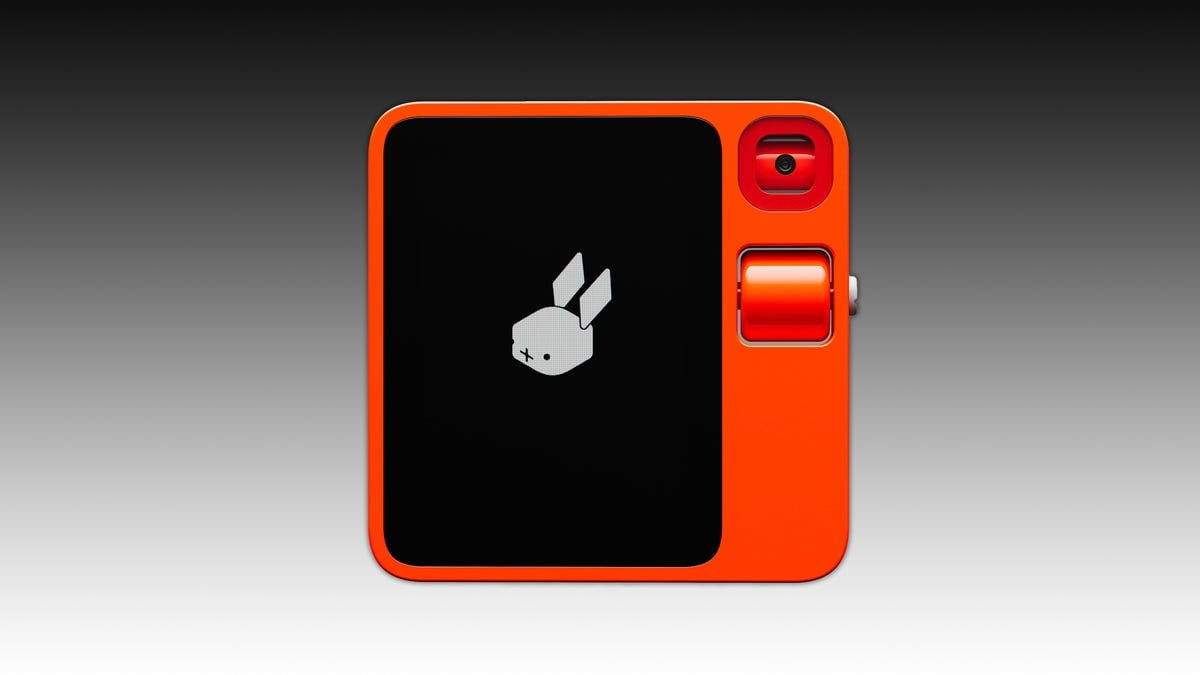
The recently announced Rabbit Handheld R1 AI device is poised to revolutionize smartphone design and our reliance on app-based operating systems, offering the potential for complex tasks to be carried out via voice activation using AI. With a focus on natural language input and proactive technology, the R1 aims to understand user behavior, adapt to preferences, and anticipate needs, while also introducing a unique form factor and embracing an ergonomic design. Priced at just £159, the device promises seamless low-latent 5G integration and a modular design, prompting comparisons to the iPhone's groundbreaking impact on the smartphone industry.
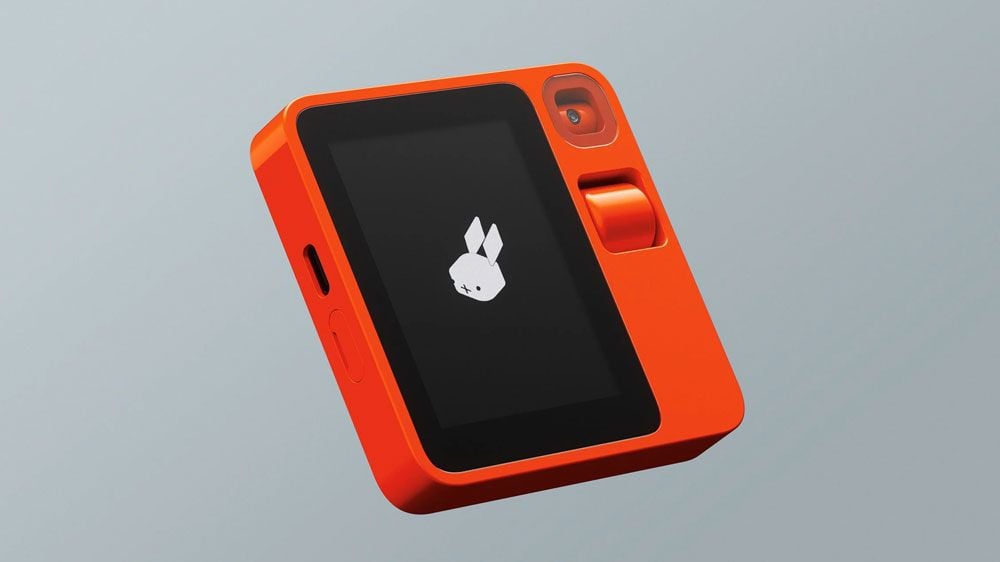
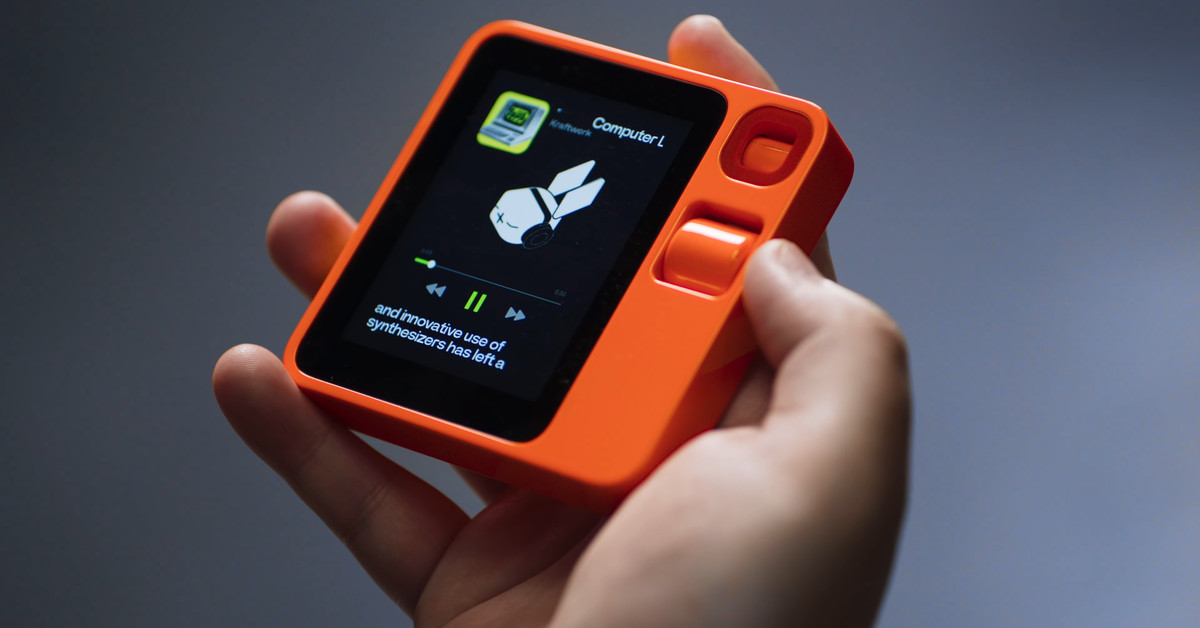
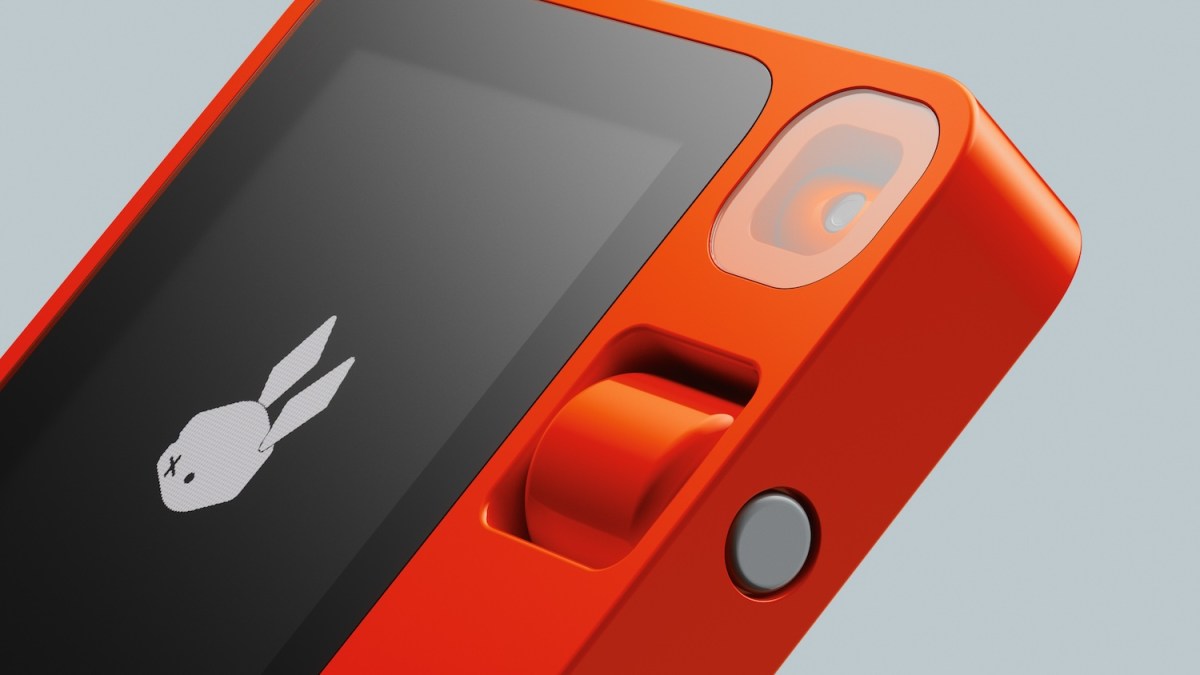
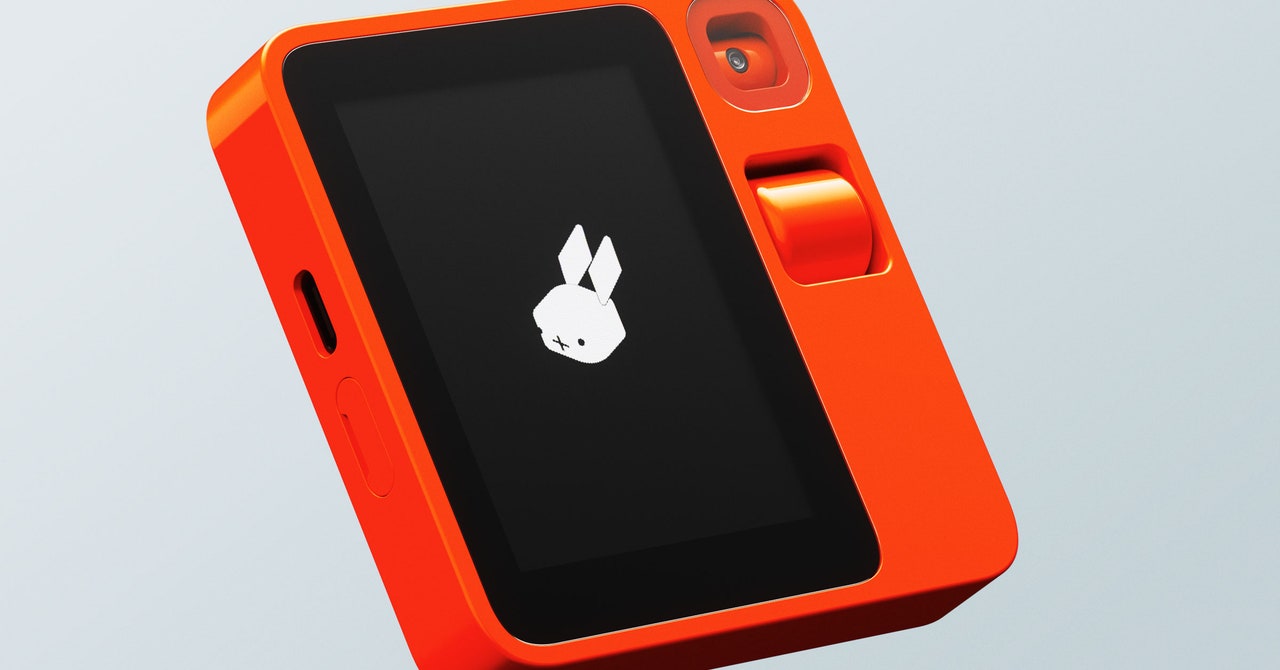
The Rabbit R1, an AI-powered gadget with a dedicated virtual assistant, has sold 40,000 units within eight days of its launch at CES 2024, and the third batch is already up for preorder. The device, priced at $199, features a touchscreen, navigation wheel, and rotating camera, and is designed to interact with common apps like Spotify and Uber. Despite its popularity, some remain skeptical about its privacy and security implications.
Mercedes-Benz unveiled updates to its in-car virtual assistant, MBUX, at CES 2024, featuring an NFT gallery and an AI voice assistant with "emotional profiles." The assistant, powered by generative AI, can interact with drivers using different emotional modes and will launch in early 2025. Additionally, the company is revamping its in-car entertainment systems and introducing an in-car NFT gallery app, while also using blockchain technology for tracking CO2 emissions in its supply chain.
Google Assistant is set to lose 17 underutilized features, including voice-controlled email and audio messaging, personal travel itinerary checks, Fitbit device voice controls, and a meditation integration with Calm, in an effort to create a more consistent user experience. The changes come amidst significant layoffs in Google's hardware and engineering divisions, signaling a pivot towards greater reliance on artificial intelligence.
Rabbit R1 is an AI-powered virtual assistant device co-designed by Teenage Engineering, featuring a small touchscreen, analog scroll wheel, mics, speaker, and a rotating camera. It operates using Rabbit OS, which utilizes the Large Action Model to carry out tasks through user interfaces. The device is available for preorder at $199, with an expected ship date in March or April, and is showcased at CES 2024.
The rabbit r1 is a $200 pocket AI device designed to perform simple tasks like ordering a car or finding restaurants without needing to use a phone, using a language model trained on common apps and services. The device operates apps through an emulated environment and is designed to be smaller, cheaper, and faster than existing AI assistants. However, it faces competition from tech giants and the challenge of convincing users to carry a second device.
Rabbit Inc. debuts the R1, a pocket-friendly AI assistant designed to handle tasks via voice commands without the need for apps. Priced at $199, the R1 features a 2.88-inch touchscreen, push-to-talk button, 4G LTE connectivity, and a rotating camera. It doesn't replace smartphones but can perform tasks like calling an Uber or making reservations. The device uses Rabbit OS to access select apps via a web portal, with a focus on privacy and security. It employs large language models and action models to understand and carry out requests, and will introduce a "teach mode" for users to train their own automated tasks.
The Rabbit R1, a new gadget designed to act as a personal assistant, debuted at CES 2024, aiming to simplify tasks by learning how to use apps on your behalf. Unlike traditional smartphones, the R1 doesn't run apps but connects to services to carry out requests, such as playing music or booking a taxi. With a retro look and a focus on simplicity, the R1 is positioned as a purpose-built device for getting things done, separate from your phone. However, it faces the challenge of convincing consumers to adopt a new device in a world already filled with AI-powered helpers on existing devices.
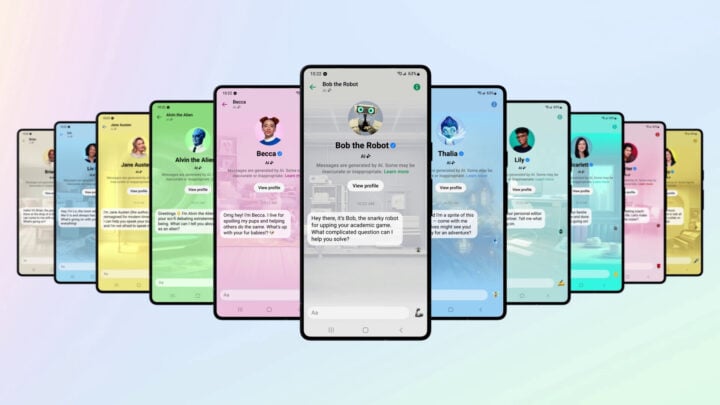
Meta AI chatbot, based on Meta's in-house LLaMA language model, is now available on Facebook Messenger, Instagram, and WhatsApp in the US. Users can converse with the virtual assistant by starting a new conversation or summoning it within chat threads. The chatbot can fetch answers, create images based on text prompts, and has a feature called Reimagine that allows friends to modify AI-generated images. It can also assist with various tasks such as creating birthday greetings, editing feed posts, and converting landscape images to portraits. Additionally, Meta's text-to-image generator is now accessible to everyone as a standalone tool on the web.