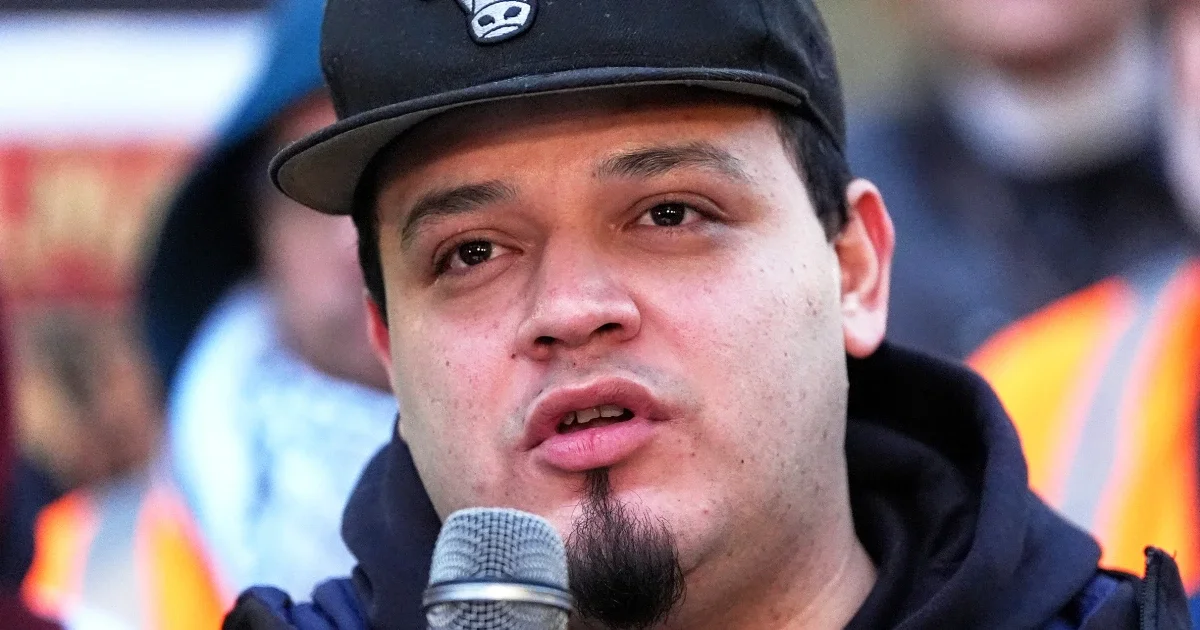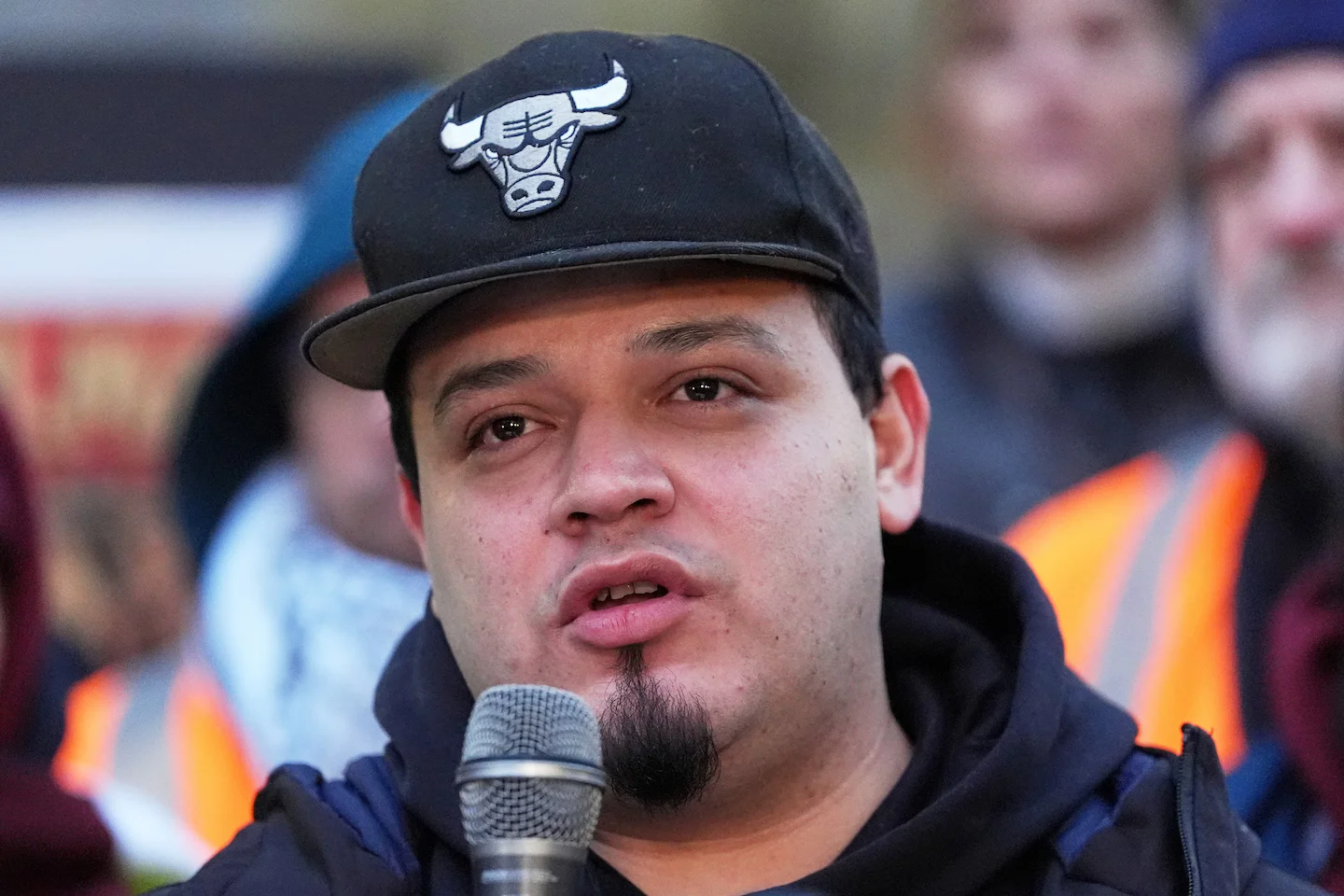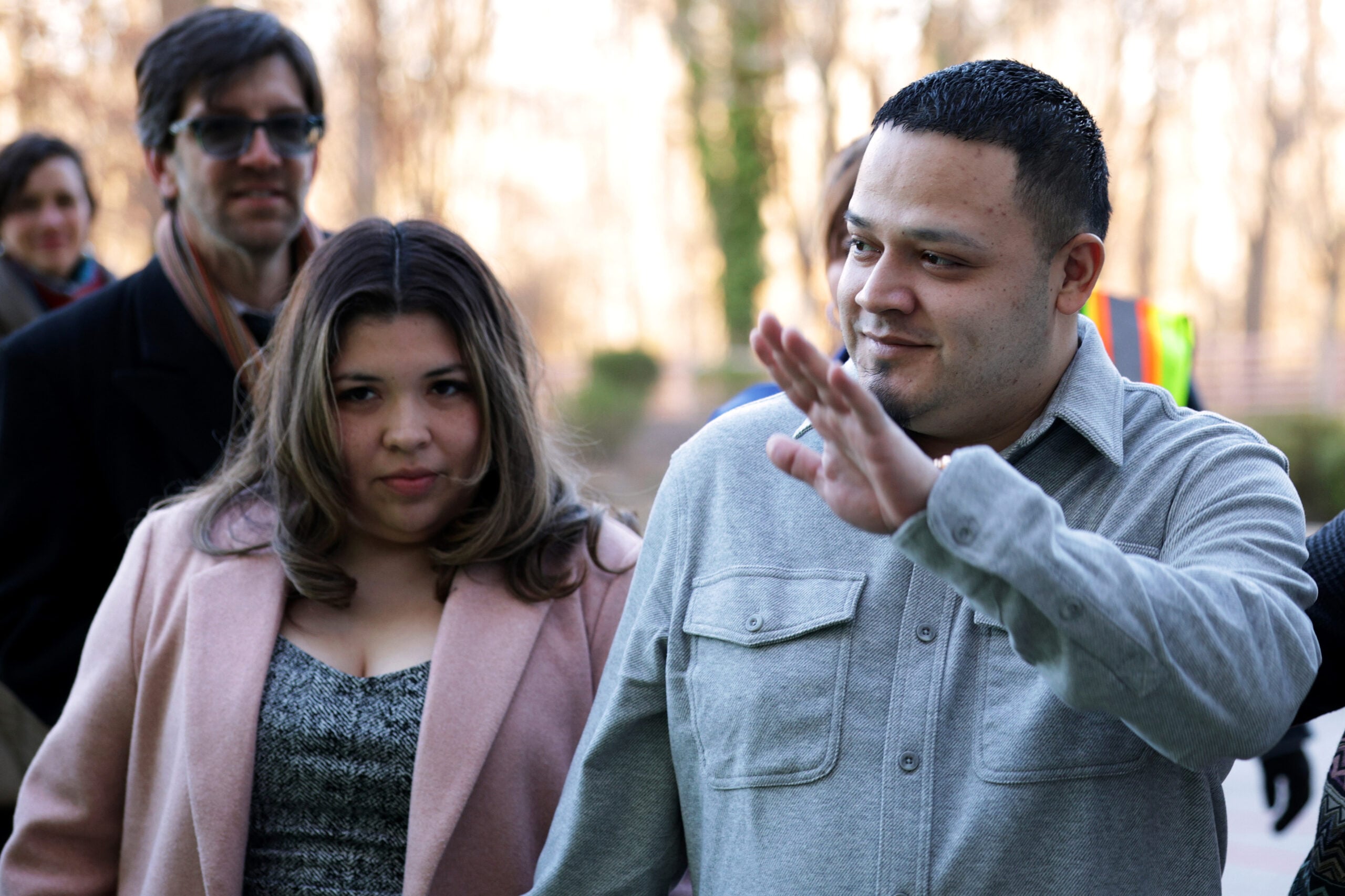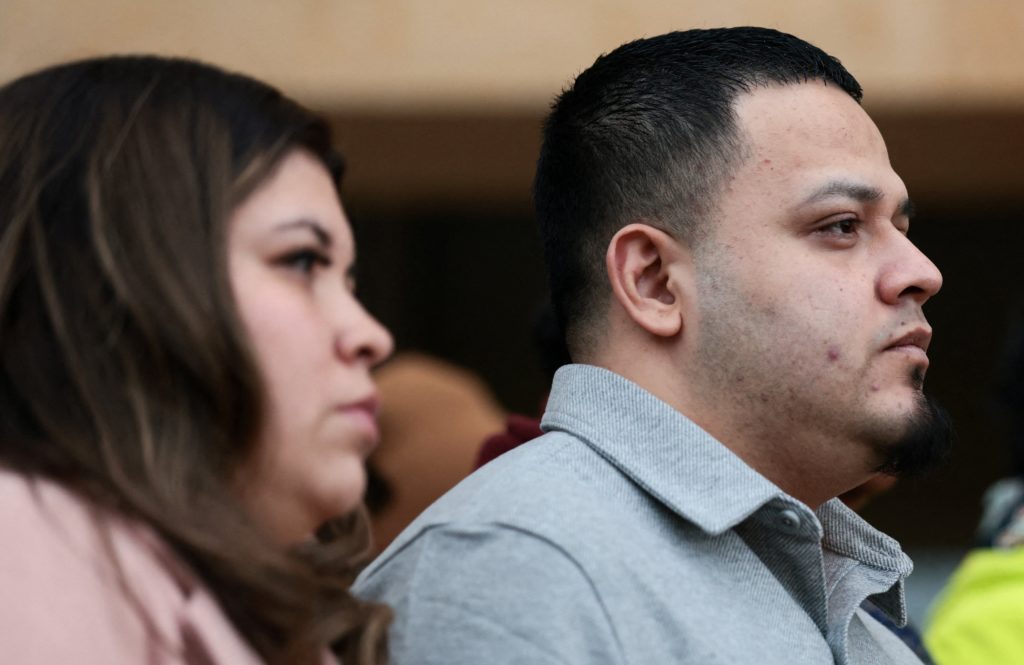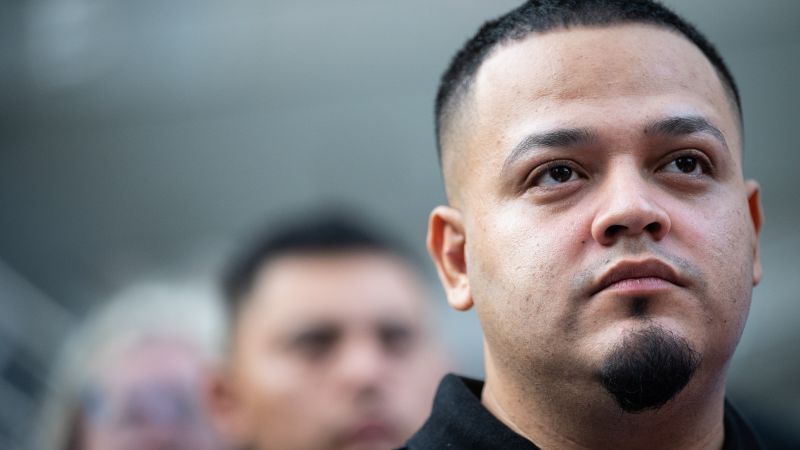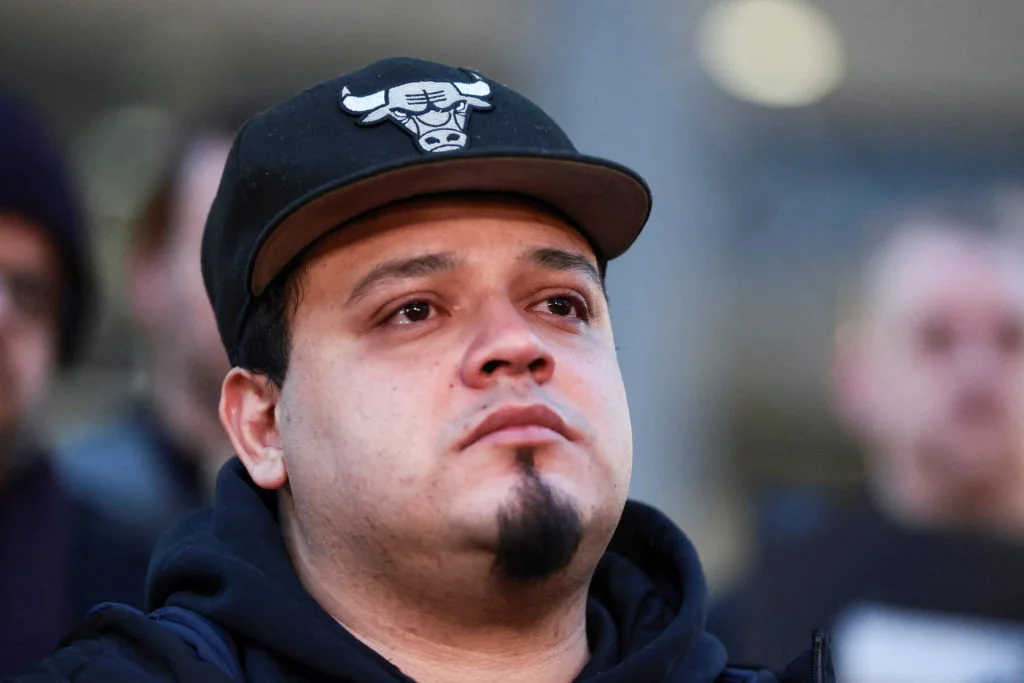
Documents reveal that high-level officials in the Justice Department pushed for the indictment of Kilmar Ábrego García, a man wrongly deported, suggesting the case may be vindictive retaliation for his legal victory against deportation, with a hearing scheduled for January to address these claims.
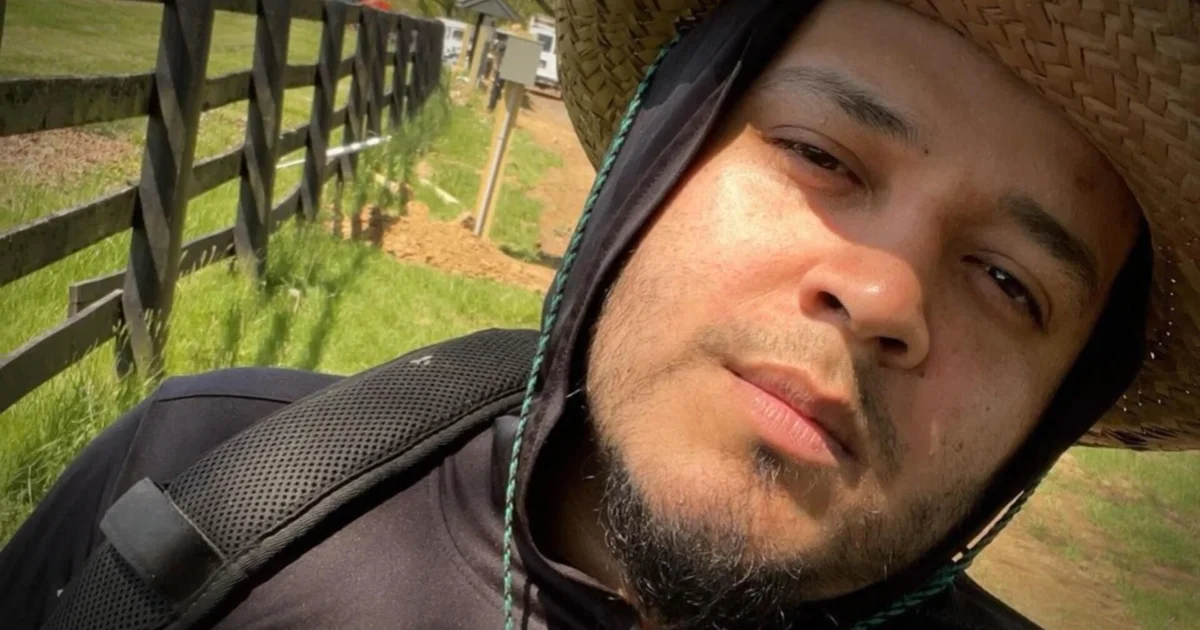
A court unsealed order suggests the DOJ may have targeted Kilmar Abrego Garcia with criminal charges as retaliation for his successful court challenge against his deportation, with evidence indicating high-level department officials prioritized his prosecution shortly after his legal victory, raising concerns of vindictive and politically motivated prosecution.
A court order reveals that high-level Justice Department officials prioritized prosecuting Kilmar Abrego Garcia only after he was mistakenly deported, raising concerns of vindictive prosecution related to his wrongful deportation case, with ongoing legal proceedings scheduled for January 28.
A federal judge suggests that Kilmar Abrego Garcia may have been targeted with criminal charges out of vindictiveness by the Justice Department, possibly in retaliation for his legal actions against the Trump administration's immigration policies. The case involves allegations of improper motives behind his prosecution, with ongoing court proceedings to examine the evidence and the administration's decision-making process.
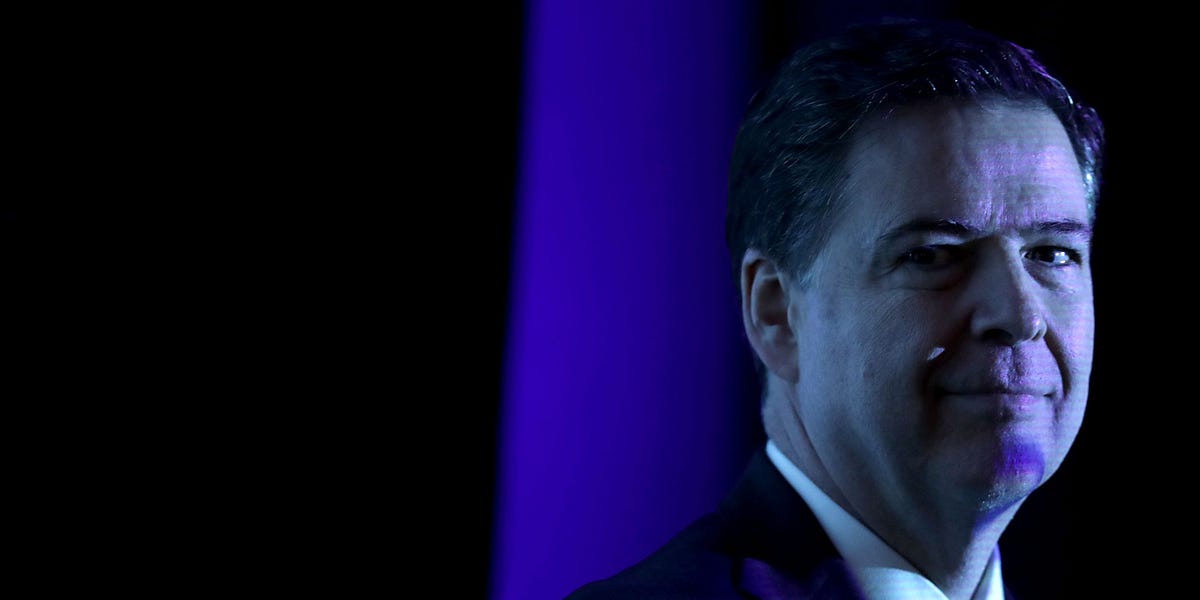
The article argues that the indictment of James Comey is driven by Donald Trump's personal animus and political retribution, citing Trump's own words and actions that show a clear intent to target Comey for political reasons, making the case for dismissing the charges as vindictive and unsupported by sufficient evidence.
Legal experts suggest that former FBI Director James Comey might attempt to dismiss his charges for lying to Congress by claiming vindictive prosecution, especially given Trump's public pressure and accusations of political targeting, though such motions face high legal hurdles. The case highlights concerns over political influence in justice proceedings and the potential for similar tactics in other politically charged cases.
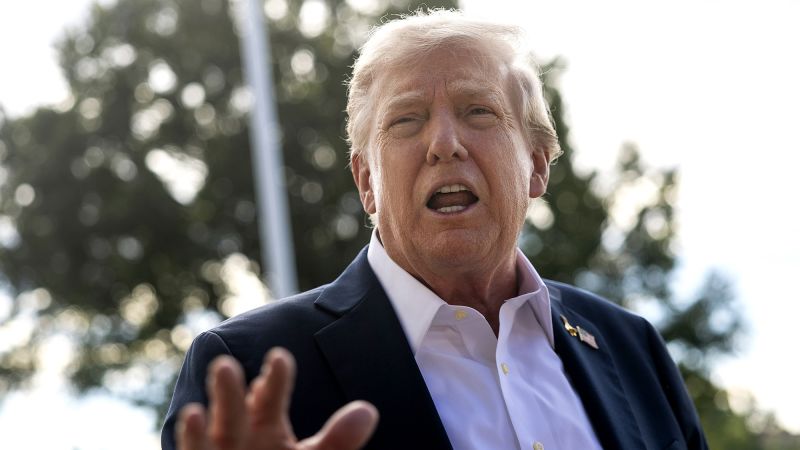
The article discusses how President Trump's public comments and hostility towards James Comey could potentially be used by defense lawyers to argue that the prosecution against Comey is politically motivated or vindictive, although such claims are difficult to prove legally.
Lawyers for Kilmar Abrego Garcia, who was mistakenly deported and then faced smuggling charges, argue in court that the prosecution is vindictive and politically motivated, aiming to punish him for challenging his deportation. They seek his release from detention, claiming the charges are retaliatory and based on discriminatory intent, while the government labels him a gang member and trafficker.
Lawyers for Kilmar Abrego Garcia accuse the Trump administration of vindictive prosecution and misconduct in his wrongful deportation and subsequent criminal case, alleging political retaliation and public smear campaigns aimed at discrediting him after he challenged his expulsion to El Salvador.
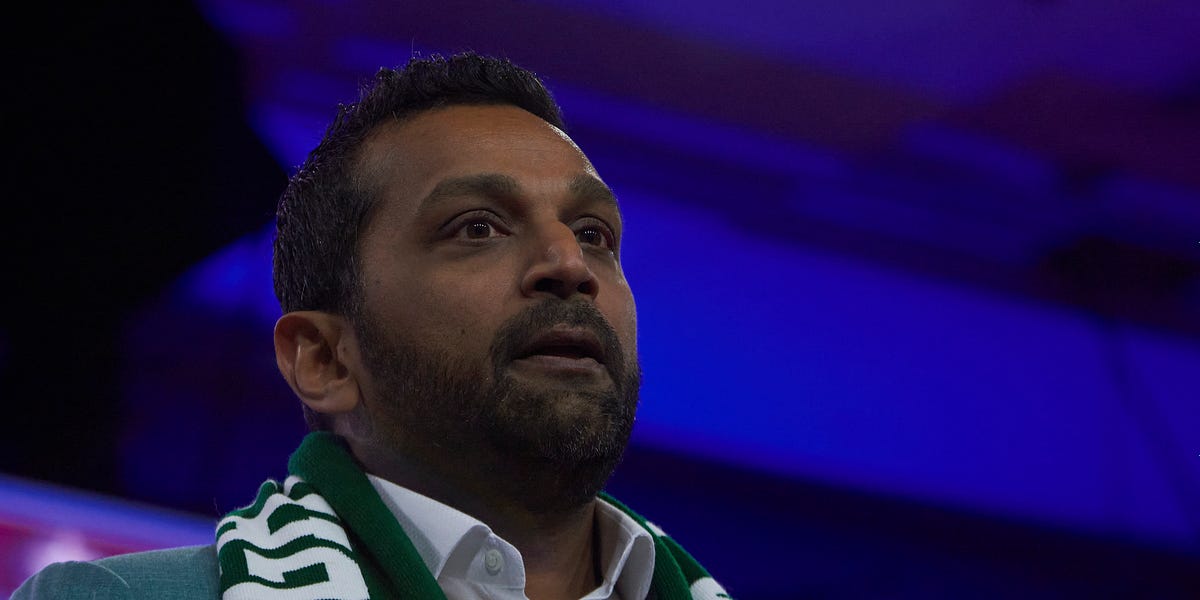
Kash Patel, a potential nominee for FBI director under Trump, is criticized for his public declarations of retribution against political opponents, raising concerns about vindictive prosecution. His statements and actions suggest a predisposition to target perceived enemies, which could lead to legal challenges and dismissals of politically motivated prosecutions. This situation presents a moral dilemma for senators regarding his nomination, as it could undermine the impartiality of law enforcement.
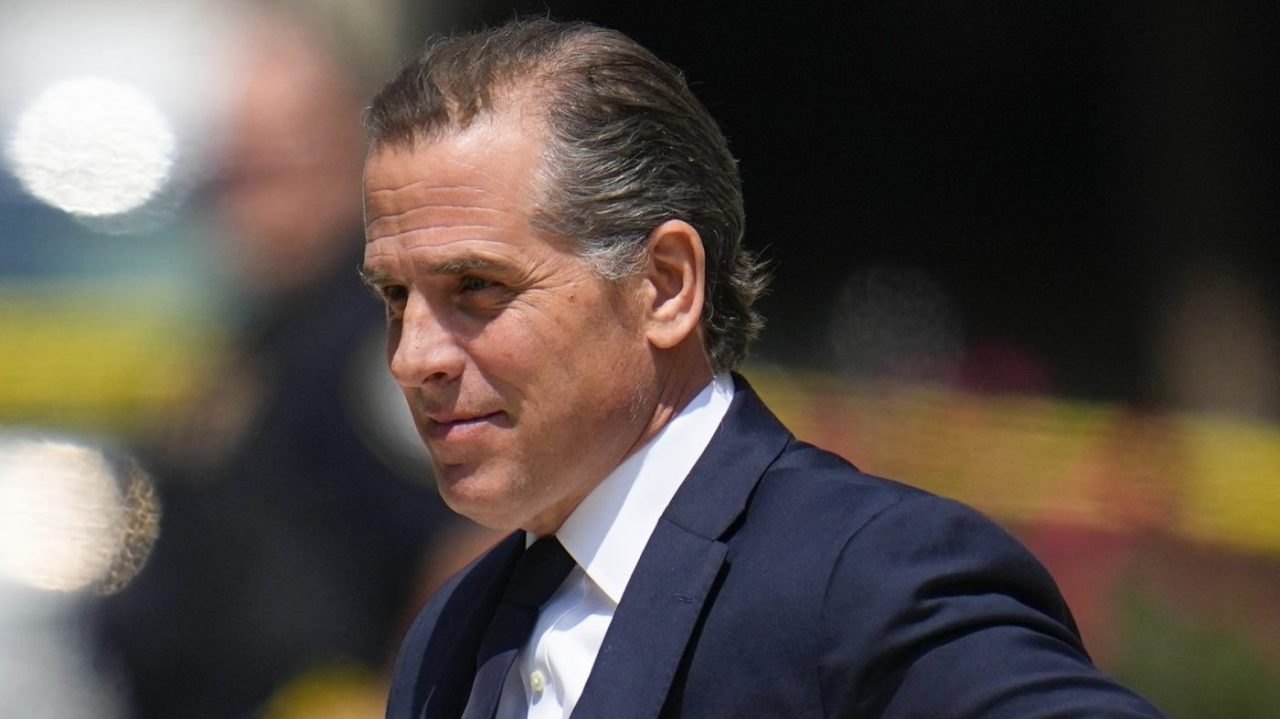
Hunter Biden has filed motions to dismiss gun charges against him in Delaware, claiming that special counsel David Weiss succumbed to political pressure in bringing the case. Biden argues that the charges should be dropped as a vindictive prosecution and that Weiss was illegally elevated to the special counsel role. He also asserts that he should be immune from the gun charges under a prior plea agreement and that his Second Amendment rights protect his right to buy a weapon despite drug use. Biden's legal team argues that Weiss changed his decision due to political pressure and that federal prosecutors reneged on a plea agreement. The filing also challenges the constitutionality of the gun possession charge and questions Weiss's authority as special counsel.
Lawyers for Hunter Biden have requested subpoenas for documents from former President Donald Trump, ex-Attorney General Bill Barr, and two other former top Department of Justice officials, as they argue that Hunter may be the victim of "vindictive" prosecution. The subpoenas are sought to prepare Hunter's defense in a criminal case where he is charged with possessing a handgun while being a drug user. The defense believes the documents could shed light on whether the investigation and prosecution were influenced by executive branch officials, such as Trump, placing undue pressure on government officials. The criminal probe of Hunter began in 2018 during the Trump administration and initially focused on his income taxes and foreign business dealings.