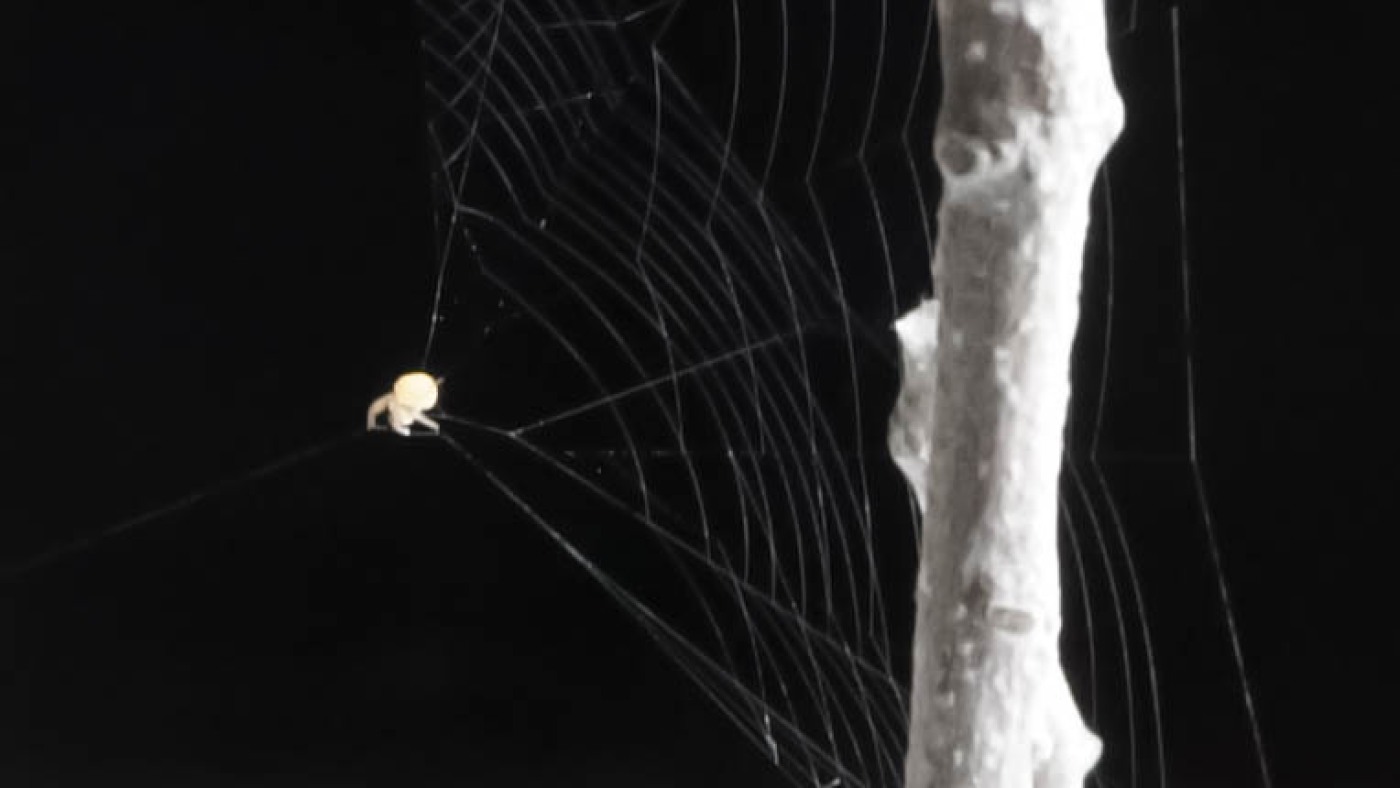
A recent study suggests that the zigzag decorations in spider webs, called stabilimenta, may serve as an alarm system by altering vibration transmission, helping spiders detect prey more effectively. The research highlights how the shape and position of these silk structures influence vibration propagation, offering insights into bio-inspired material design.

Research reveals that tokay geckos use their inner ear saccule to detect ground-borne vibrations, suggesting an ancient vibration pathway linked to balance also contributes to hearing, which may reshape understanding of animal perception and evolution.
Entomologist Sarah Han's research reveals that ray spiders use their webs as slingshots to catch prey by detecting vibrations from airborne insects. The spiders, smaller than a grain of rice, create a conical web that they launch at prey when they sense the right vibrations, showcasing a unique method of prey capture. This discovery highlights the potential for using spider web mechanics as inspiration for designing advanced sensory systems in technology.
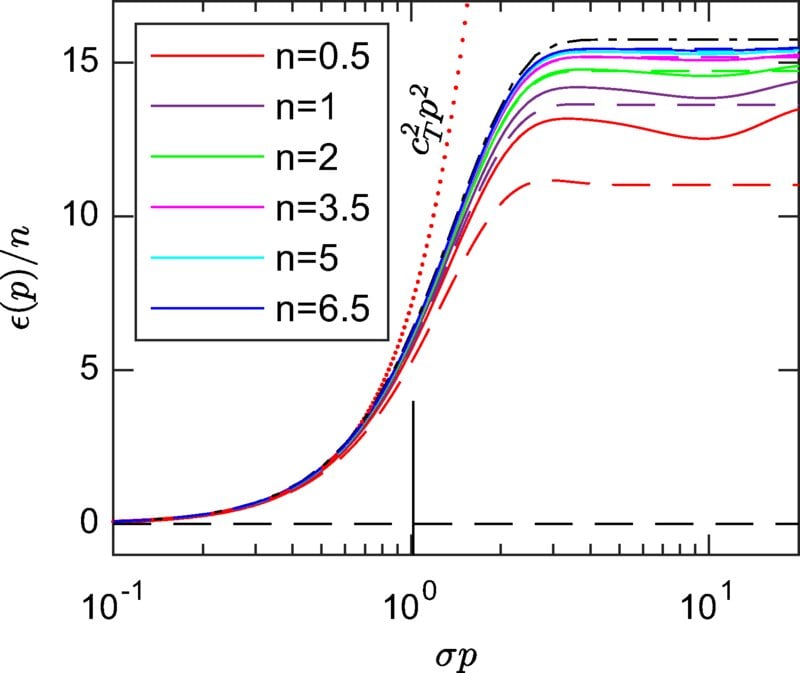
Physicists at the University of Konstanz have solved a 50-year-old mystery regarding how glass conducts sound waves and vibrations differently than other solids at low temperatures. By revisiting and revising an old, discarded model known as the "Euclidean random matrix approach," the researchers were able to accurately explain the unique behavior of glass. The model, which had been previously rejected, provides a framework for understanding the damping of vibrations in glass and has implications for thermal properties and future calculations of sound propagation in glass. The discovery opens the door for further research into quantum mechanical effects in glass.
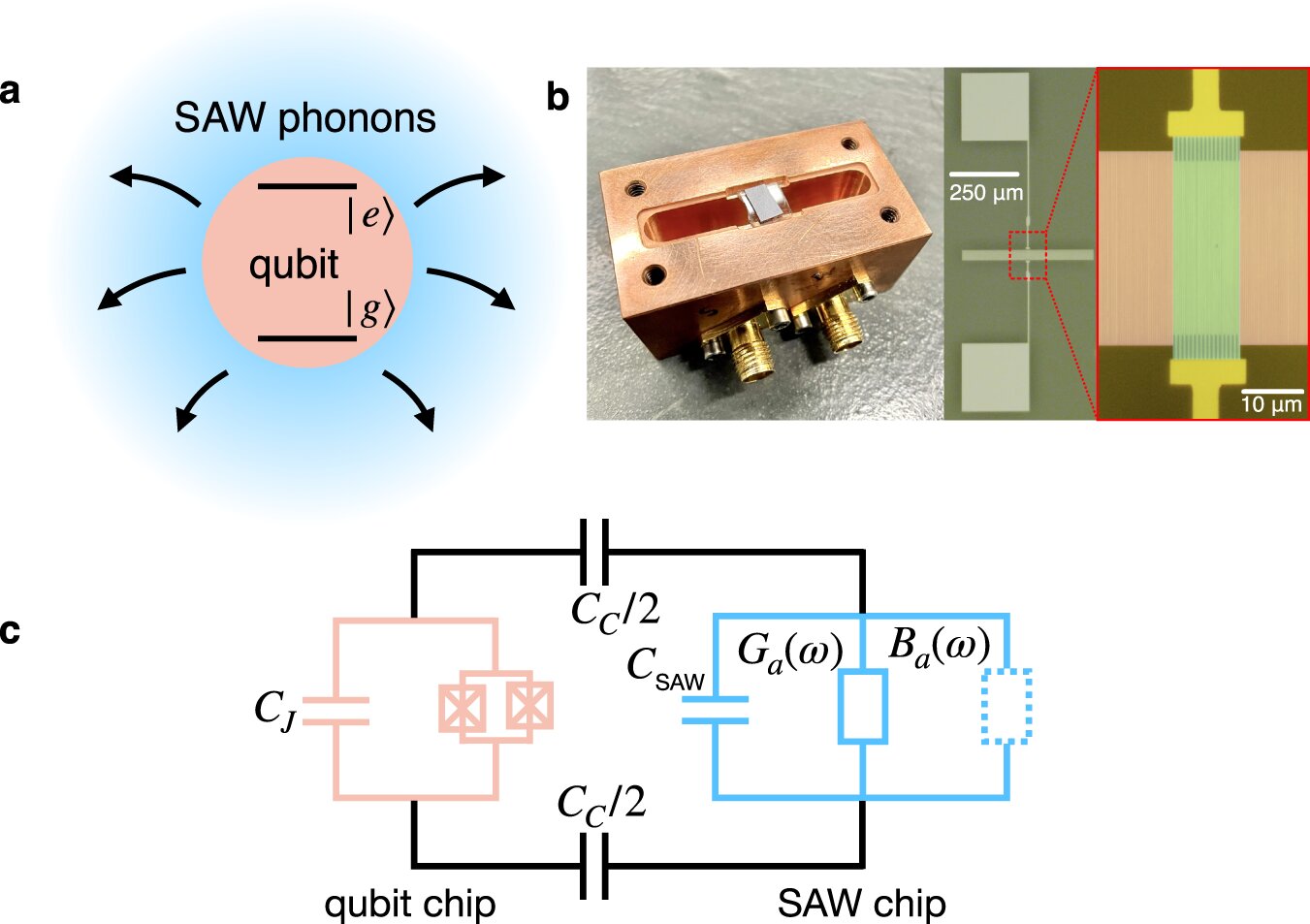
Physicists at Michigan State University have conducted research showing that vibrations, which can cause information loss in quantum computing, can actually be used as a resource and tool for creating and stabilizing certain types of quantum states. By understanding how vibrations couple with quantum systems, researchers can mitigate information loss in qubits, which are the building blocks of quantum computers. This research has implications for the development of quantum technology and provides insights into the behavior of quantum systems.
Physicists at the University of Konstanz have rediscovered and reworked an old model to explain the unique way in which glass carries sound waves and vibrations. Unlike crystalline solids, glass's disordered structure causes vibrations to disperse into smaller waves, resulting in damping. The model, known as the "Euclidean random matrix approach," was initially rejected but has now been found to accurately describe the anomalies of glass at low temperatures. This rediscovery provides a starting point for further calculations and research on quantum mechanical effects in glass.