
Tag

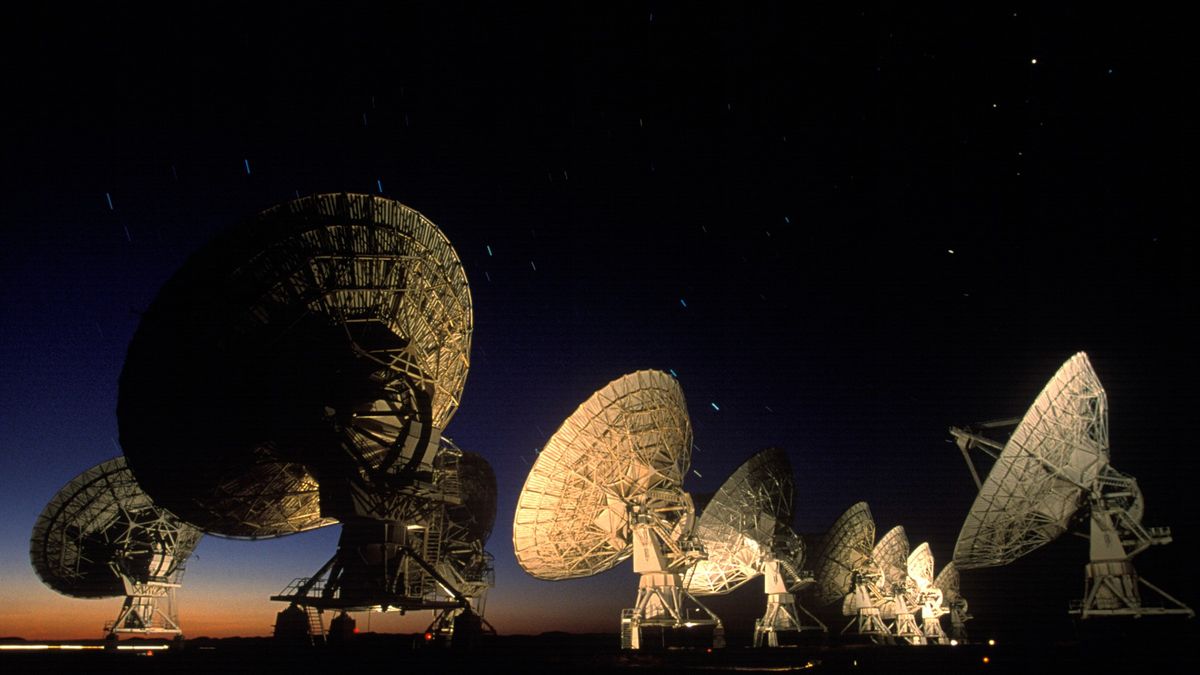
Very Large Array

All articles tagged with #very large array

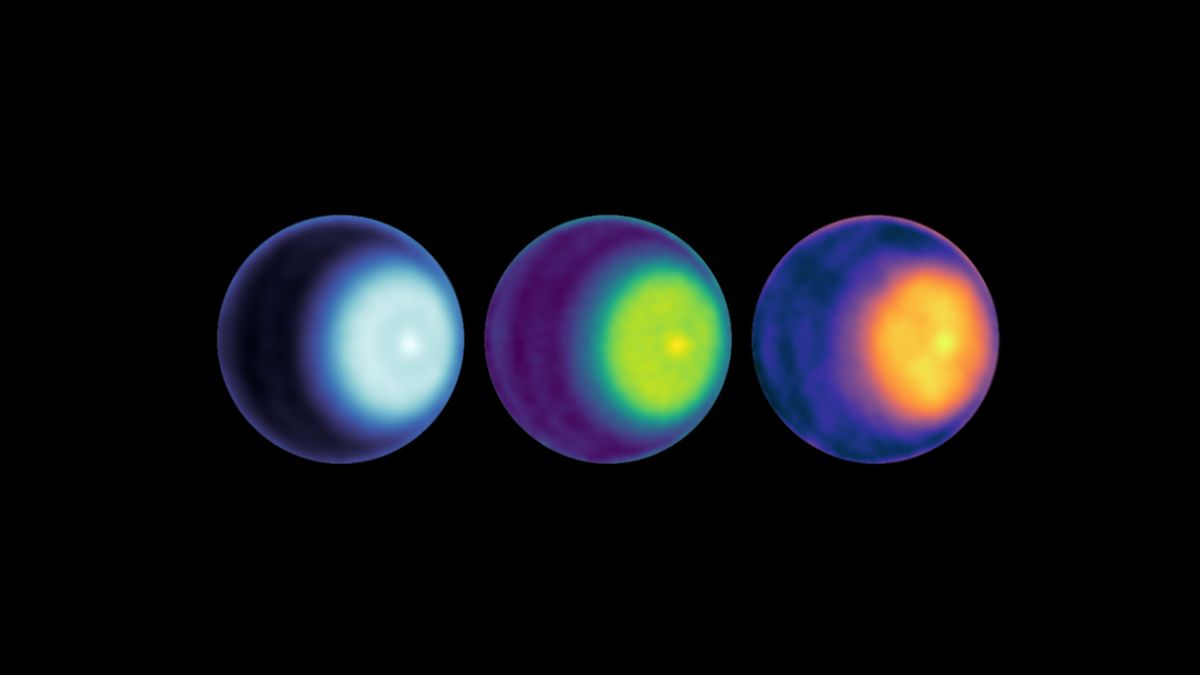
First-ever photo of stormy vortex at Uranus' north pole captured by NASA.
science-and-astronomy2 years ago

First-ever photo of stormy vortex at Uranus' north pole captured by NASA.

Astronomers using the Very Large Array (VLA) of radio telescopes in New Mexico have detected a vortex of relatively warm air swirling beneath Uranus' clouds, providing strong evidence for the existence of a cyclone anchored at the planet's north pole. Polar vortices seem to be a common trait of all planets with atmospheres, at least in our solar system. The discovery of a northern vortex on Uranus was made through the detection of thermal emission in the form of radio waves.
Radio Waves and Magnetic Fields Detected on Distant Exoplanets
science2 years ago

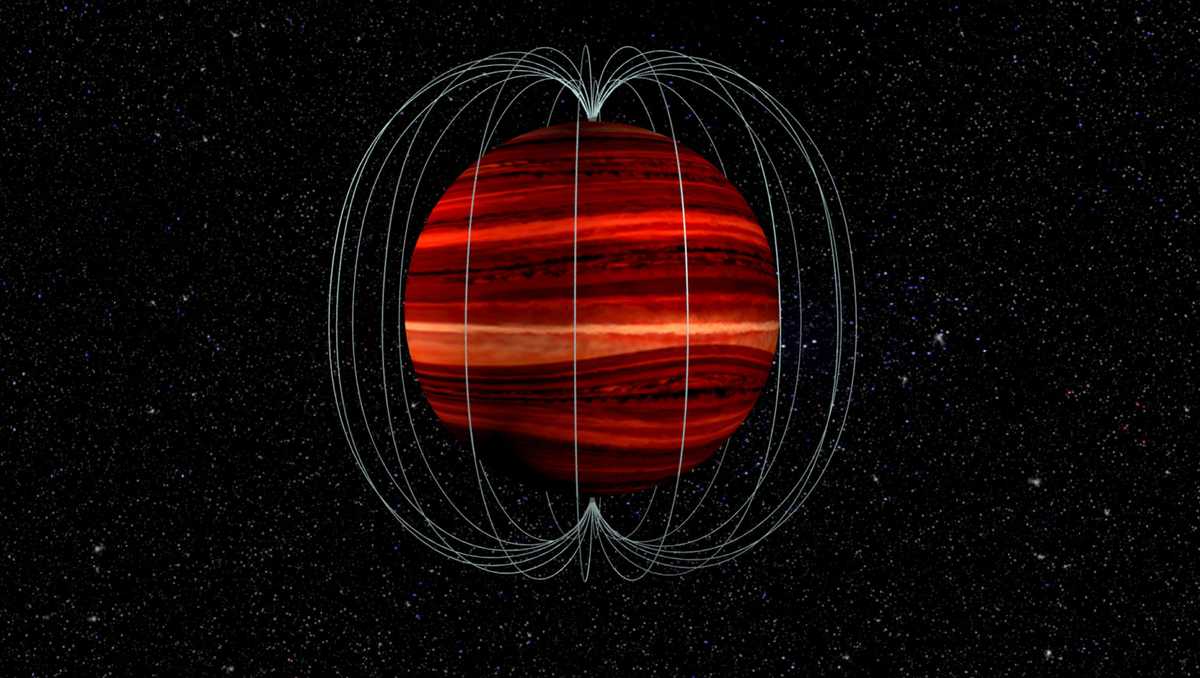
Radio Waves and Magnetic Fields Detected on Distant Exoplanets

The Very Large Array in New Mexico discovered radio waves coming from YZ Ceti B, a planet just 12 light years away from Earth. Scientists are interested in the planet because it might be the first outside our solar system with a protective magnetic field like Earth's. There are four Earth-sized planets in our solar system, and YZ Ceti B is too close to its sun to expect to find life, but could open the door for more research. The discovery raises the question of whether Earth is a common type of planet.

Unraveling the Core of a Distant Galaxy Cluster through Radio Signals
science-and-astronomy2 years ago

Unraveling the Core of a Distant Galaxy Cluster through Radio Signals

Astronomers investigating an anomalous radio emission from the galactic cluster Abell 1213 have discovered that it may come from the 1.66 million light-year-long radio tail of its dominating central galaxy, 4C29.41. The team also found evidence of mergers between galaxies in the cluster, which is located around 647 million light-years from Earth. The radio emission is not a radio halo, but rather a radio relic, possibly caused by a past galactic merger. The cluster's core has an intricate substructure, and star-forming galaxies are not restricted to the edges of Abell 1213.