The article discusses the recent U.S. operation to capture Venezuelan President Nicolás Maduro, the political and diplomatic reactions from various countries, and the implications for international law and regional stability, with ongoing tensions and strategic considerations in Venezuela and beyond.
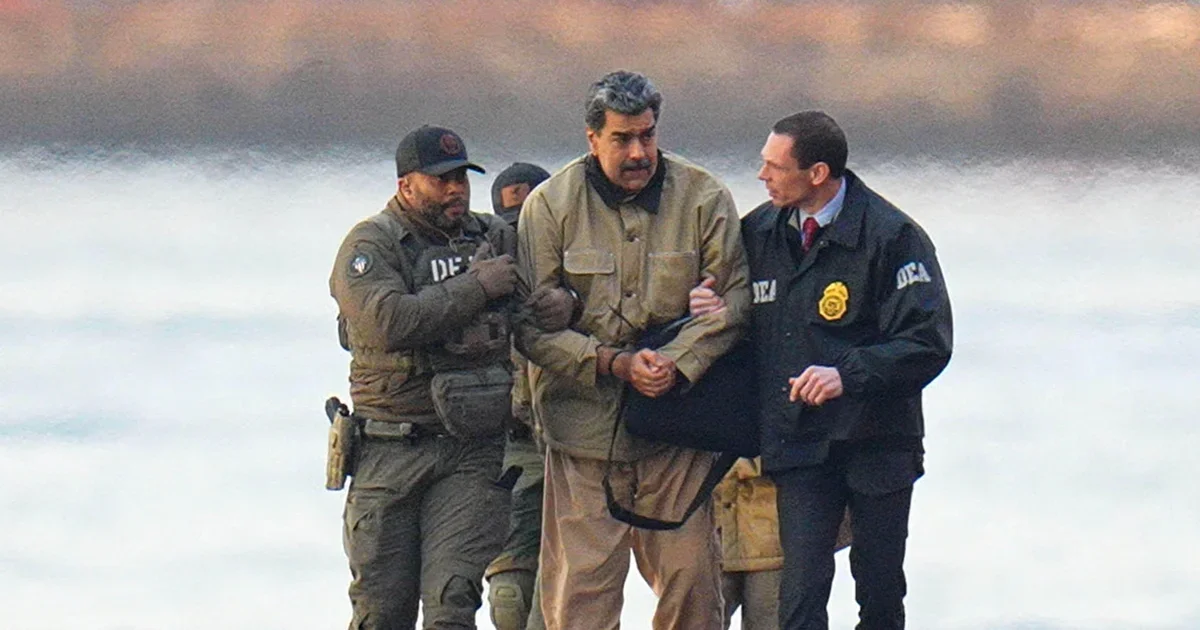
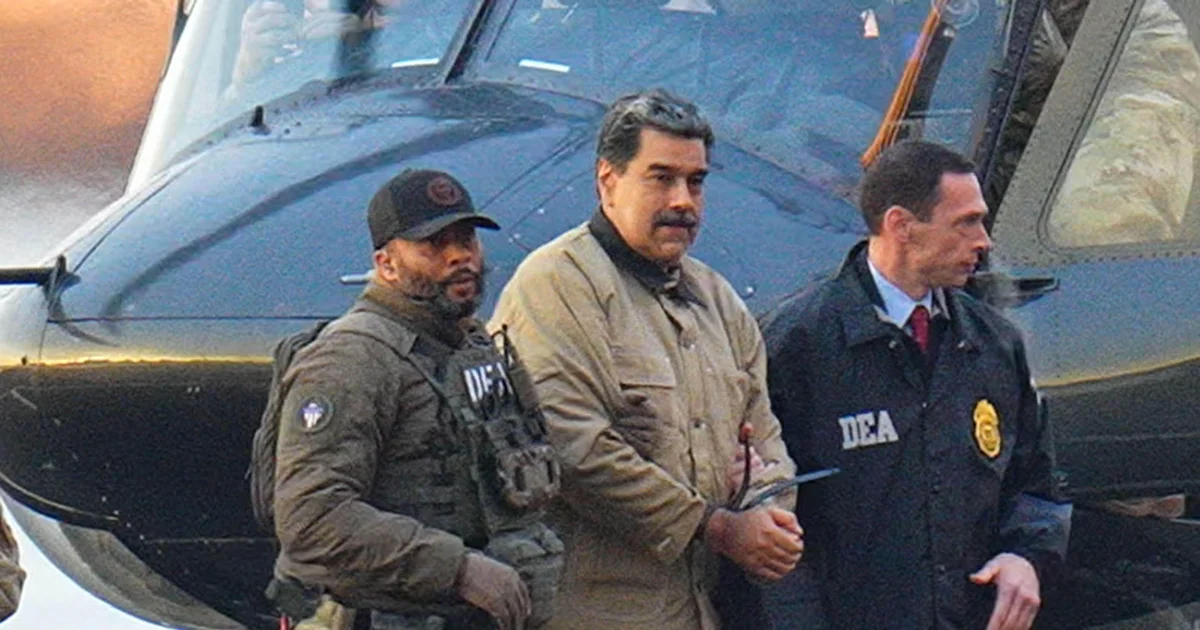
The U.S. captured former Venezuelan President Maduro in a covert military operation, leading to mixed reactions from U.S. lawmakers and Venezuelan officials, with celebrations in Miami and concerns about future stability and U.S. involvement in Venezuela's affairs.
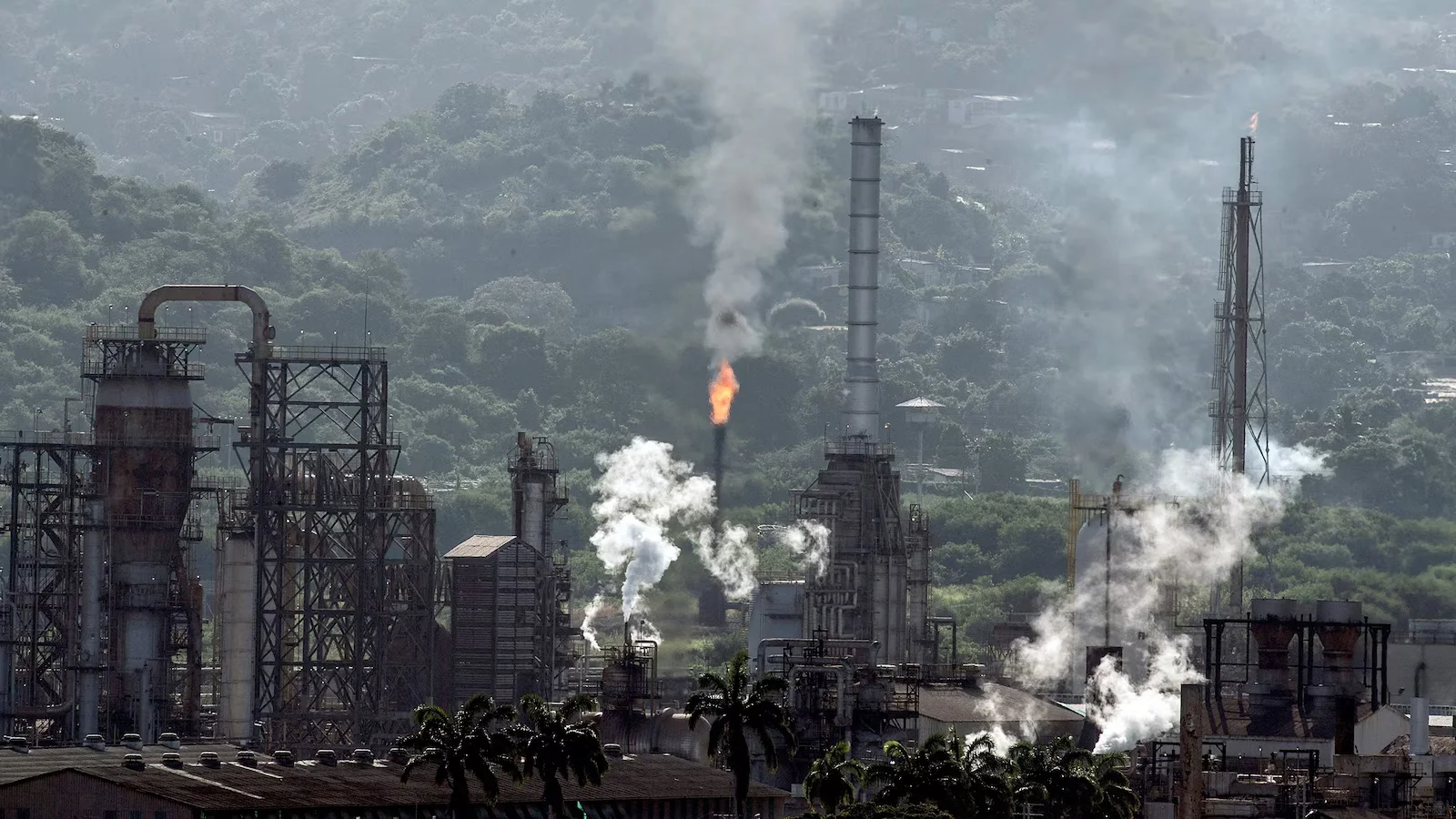
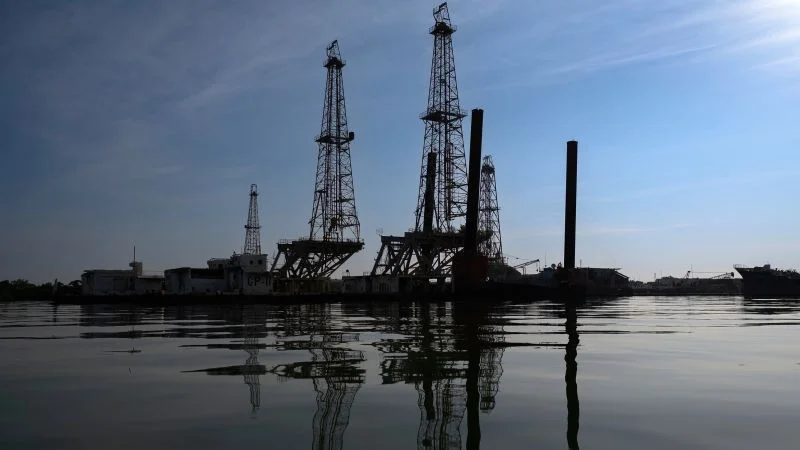
Venezuela's massive oil reserves could benefit US firms, but political instability, infrastructure needs, and low oil prices pose significant challenges to exploiting these resources, amid ongoing geopolitical tensions and legal disputes.
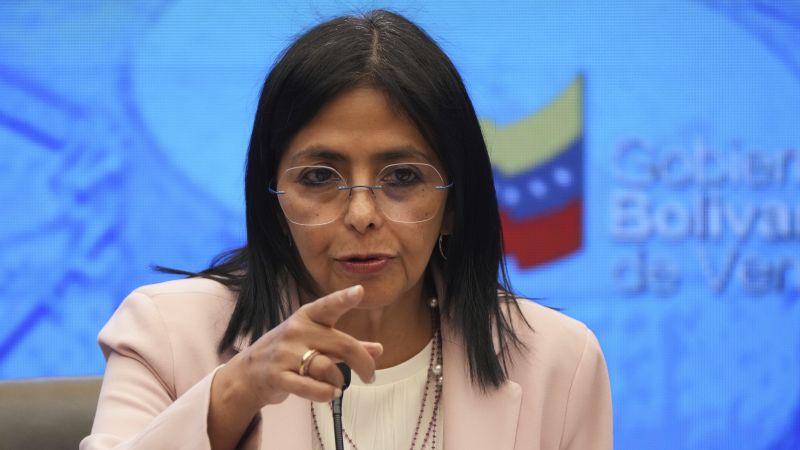
Following Nicolás Maduro's capture during a US military operation, Vice President Delcy Rodríguez has assumed leadership of Venezuela, condemning the US action and asserting Maduro's continued presidency amid regional and international tensions.
The US conducted a strike on Venezuela, capturing President Maduro and raising uncertainty about the country's future and its massive oil reserves. Despite Venezuela's large proven oil reserves, its current output is low due to sanctions and infrastructure decay, so immediate impact on global oil prices is limited. The situation could change if political stability is restored and the oil industry is revitalized, potentially benefiting the US with access to cheaper, heavy crude oil.