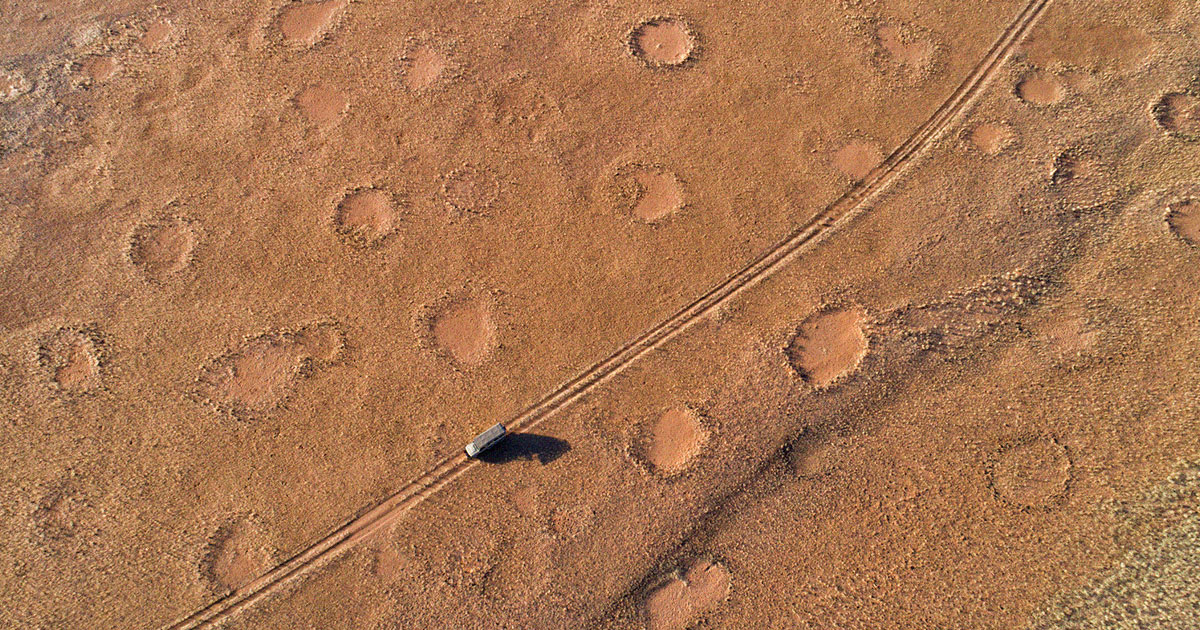
Using artificial intelligence, researchers have discovered mysterious "fairy circles" in various locations worldwide, including Africa, Madagascar, Western Asia, and Southwest Australia. The neural network analyzed satellite images and identified fairy circles in 263 dryland locations across 15 countries. The cause of these vegetation patterns, which have long puzzled experts, remains uncertain, with theories ranging from termite activity to self-organizing plants. The new findings add to the mystery surrounding fairy circles, and further research is needed to understand their formation.
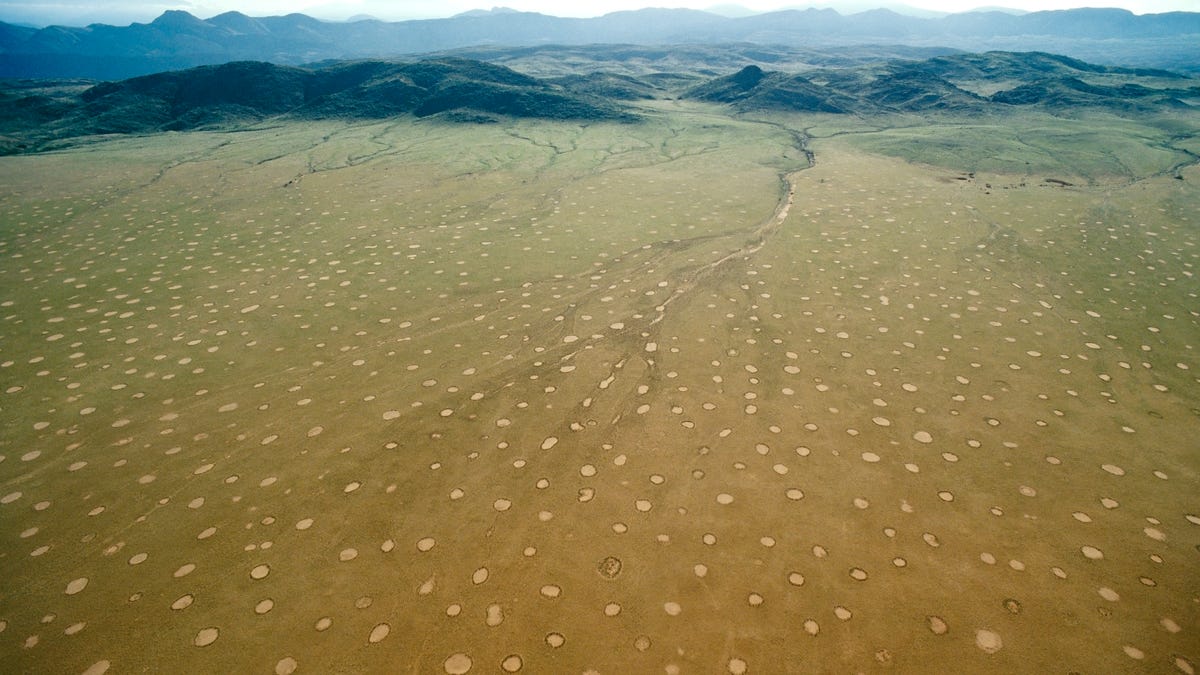
A new study has published the most comprehensive atlas of "fairy circles" to date, documenting 263 new sites in 15 countries across three continents, but sadly none have been officially documented in North America. Fairy circles are patterns of bare soil surrounded by circular vegetation patches that have fascinated scientists for years. The study provides insights into the ecology and biogeography of these patterns and reveals that they are more common than previously thought. The circles are found in arid regions with specific soil and climatic conditions, and the presence of termite nests also plays a role. The study used artificial intelligence-based models and satellite images to discover new locations with similar patterns.
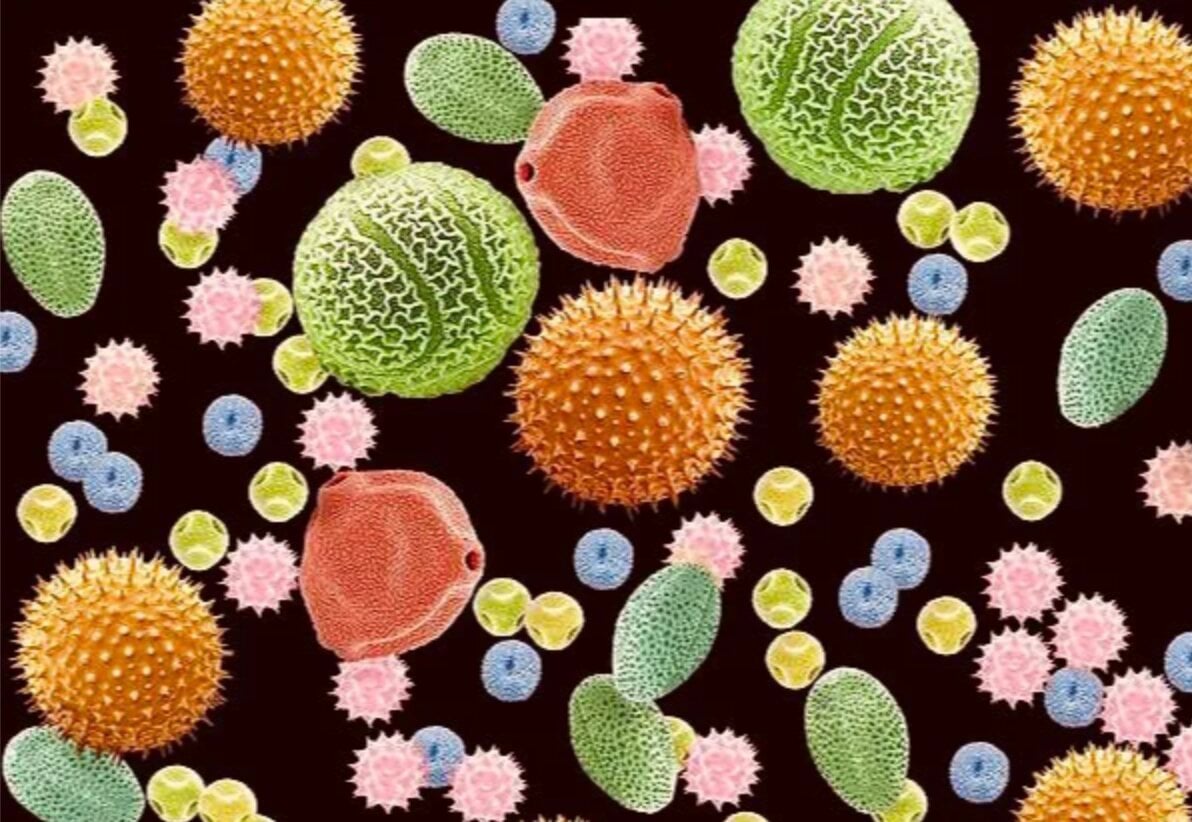
Scientists studying sediment cores from the Gulf of Saint Eufemia in Italy have used pollen analysis to track the colonization of Italy by Greeks and Romans over the past 5,000 years. The analysis revealed three distinct phases of vegetation: dense forest cover, forest decline and aridity, and deforestation with intensive agriculture. These patterns were closely linked to the communities living in the area at the time, with evidence of climate change impacting the vegetation. The final phase of widespread deforestation coincided with the collapse of the Western Roman Empire in the region. This study highlights the importance of palynology in understanding the impact of human occupation and climate change on plant communities.