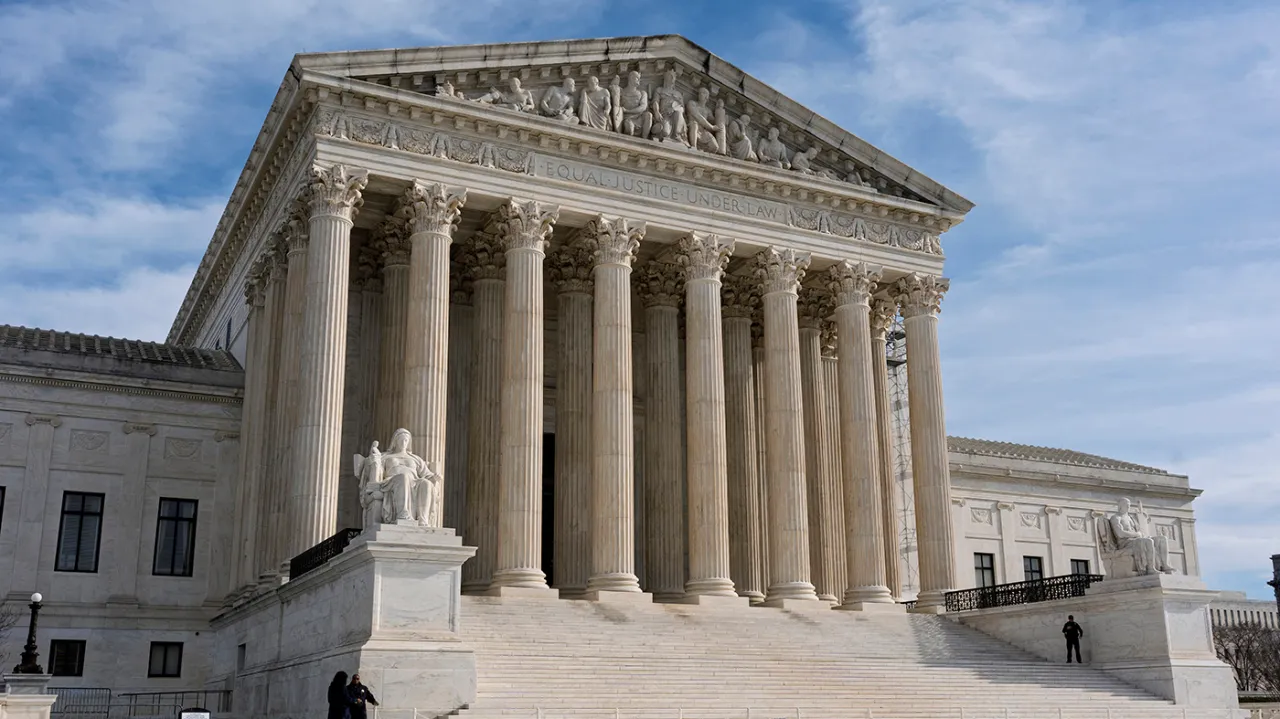
The Supreme Court ruled 7-2 in favor of the vaping industry, allowing R.J. Reynolds to challenge FDA marketing denials in the 5th Circuit Court, though the case faces an uncertain path forward amid ongoing legal disputes over jurisdiction and regulatory standards.
A massive fire engulfed a building in Clinton Township, with explosions caused by butane, nitrous, and lighter fluid from a company that supplies the vaping industry. The fire chief explained that the building contained over 100,000 vape pens and had recently received a truckload of butane, contributing to the explosions. Authorities are investigating the legality of the materials and believe propane was not a major factor in the fire.
The Supreme Court has declined to hear a case challenging the FDA's authority to reject flavored e-cigarette approvals. The case is one of several challenges to the FDA's regulation of the vaping industry, which has become an $8.2 billion market. The FDA has the power to deny applications for flavored e-cigarette products to protect public health and discourage younger people from smoking. Avail Vapor, a vape retailer, argued that the FDA unfairly denied its product applications based on requirements the agency changed without notifying companies. The FDA rejected Avail Vapor's applications because they did not present long-term studies demonstrating the effectiveness of their sweet-flavored vapes in helping adult smokers quit compared to tobacco-flavored e-cigarettes. The decision has implications for the vaping industry, which has seen a rise in sales despite efforts to restrict flavors favored by teens.
The Supreme Court has declined to hear a case challenging the FDA's authority to reject flavored e-cigarette products. The case is one of several challenges to the FDA's regulation of the vaping industry, which has become an $8.2 billion market. The FDA has the power to deny applications for flavored e-cigarettes to protect public health and discourage younger people from smoking. Avail Vapor, a vape retailer, appealed the FDA's denial of its product applications, arguing that the agency changed requirements without notifying companies. The FDA rejected Avail's applications because they lacked long-term studies demonstrating the effectiveness of their sweet-flavored vapes in helping adult smokers quit compared to tobacco-flavored e-cigarettes. The decision has implications for the vaping industry, as efforts to restrict flavors favored by teens have not been successful, and many popular brands on the market are not FDA-approved and illegal.
Juul has agreed to pay $462 million to six states in its largest settlement ever over allegations that it fueled a youth vaping epidemic. The settlement comes as the FDA announced a ban on all flavored e-cigarettes except for tobacco and menthol flavors. The vaping industry is expected to be impacted by the ban, which aims to curb youth vaping.