The US labor market showed signs of moderation in November, with nonfarm payrolls increasing by 227,000, following a revised gain of 36,000 in October, which was affected by storms and strikes. The unemployment rate also rose, indicating a cooling labor market. Over the past three months, payroll growth averaged 173,000, reflecting a slowdown from earlier in the year.
The U.S. job market saw a significant decrease in open positions by the end of 2023, with job postings on Indeed dropping over 15% from the previous year. This change reflects businesses filling more positions and opting not to hire for others, even as the Federal Reserve aims to achieve a soft landing for the economy, balancing low inflation with a strong job market. The decline in job openings has stabilized somewhat in the latter half of the year.
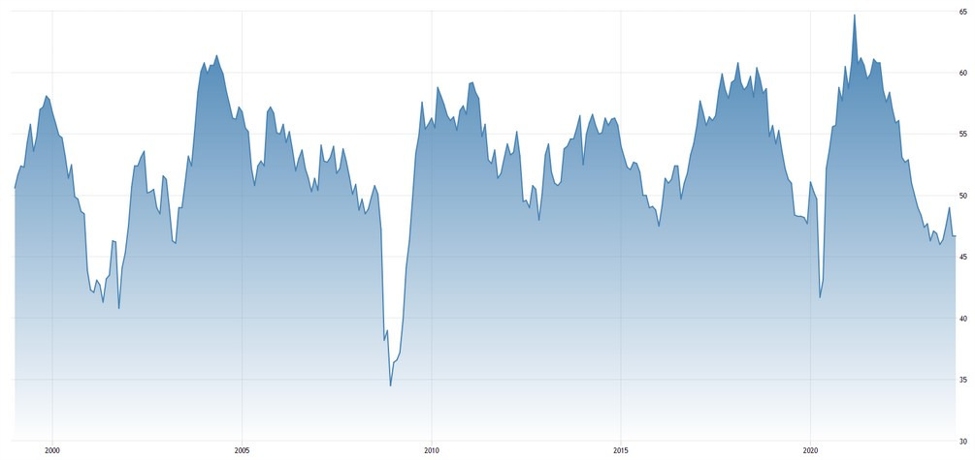
The weekly market outlook highlights key economic data releases from January 2-5, including manufacturing and services PMI reports from China, the US, and the Eurozone, as well as labor market statistics such as the US NFP, job openings, and jobless claims. The US ISM Manufacturing PMI is expected to show continued contraction, while job openings are anticipated to be slightly higher than previous figures. The US ADP report may provide insights into the labor market, despite its limited predictive power for the NFP. Initial jobless claims are expected to remain low, indicating few layoffs, but continuing claims suggest a tougher job market for those already laid off. The Eurozone CPI is expected to show a slight increase, with the ECB pushing back against market expectations for rate cuts. Canadian job data is projected to show a small increase in jobs and a slight rise in unemployment. The US NFP is expected to show a decrease in jobs added and a slight uptick in unemployment, with average hourly earnings growth cooling. The US ISM Services PMI is expected to remain resilient, reflecting the sector's lower sensitivity to rate hikes.