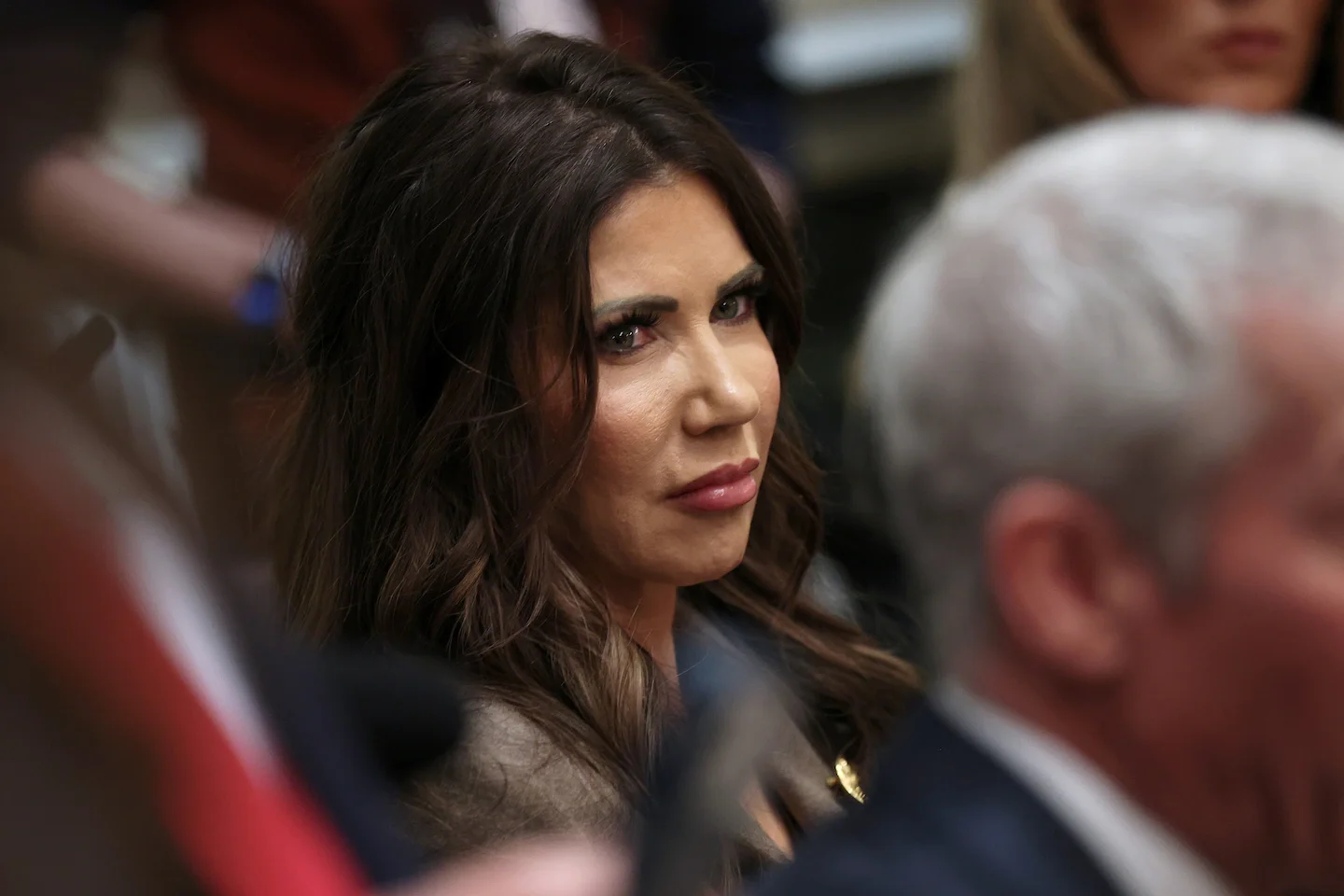
The Fourth Circuit Court of Appeals is weighing whether to overturn a Maryland district court order that bars immigration officials from arresting people during green-card interviews with their U.S. citizen spouses, a tactic used by the Trump administration in immigration enforcement; the case centers on the provisional waiver pathway for marriage-based immigrants seeking legal status.
USCIS announced the FY2027 H-1B cap initial registration will run noon ET March 4 to noon ET March 19, 2026. Employers and their representatives must use a USCIS online account to register each beneficiary electronically and pay a $215 fee per registration; organizations without an online account must create one, and both representatives and employers must wait until March 4 to enter beneficiary information and submit registrations. Selections will be communicated by March 31, 2026, and a cap-subject petition may be filed only if a beneficiary’s registration was selected. The FY2027 season introduces a weighted selection under a DHS rule to prioritize higher-skilled/higher-paid workers when registrations exceed the cap; if enough unique registrations are submitted, all properly submitted registrations may be selected. Additionally, a Sept. 19, 2025 Presidential Proclamation may require an extra $100,000 fee before filing an H-1B petition as a condition of eligibility.
USCIS issued an interim final rule removing the one-year foreign residency requirement for R-1 religious workers, enabling thousands of clergy to resume service in the United States sooner and reducing disruptions for faith communities; the change also aims to address EB-4 visa backlogs and is effective immediately, with a 60-day public-comment window.
The DHS issued an interim final rule that eliminates the one-year foreign residency requirement for R-1 religious workers who have reached the maximum five-year stay, allowing thousands of clergy to seek readmission sooner and resume their services. While these workers must still depart the U.S., there is no longer a minimum outside period before readmission. The move, effective immediately, aims to reduce disruptions for faith communities amid long EB-4 visa wait times and follows EO 14205; USCIS invites public comments within 60 days.
The USCIS will raise premium processing fees starting March 1, 2026, to account for inflation, with the additional revenue used to improve adjudication services and address backlogs, as part of a DHS rule adjustment based on the USCIS Stabilization Act.
The Department of Homeland Security and USCIS have launched Operation PARRIS in Minnesota to reexamine refugee cases through enhanced background checks and verification, referring fraudulent cases to ICE, as part of efforts to combat immigration fraud and ensure national security.
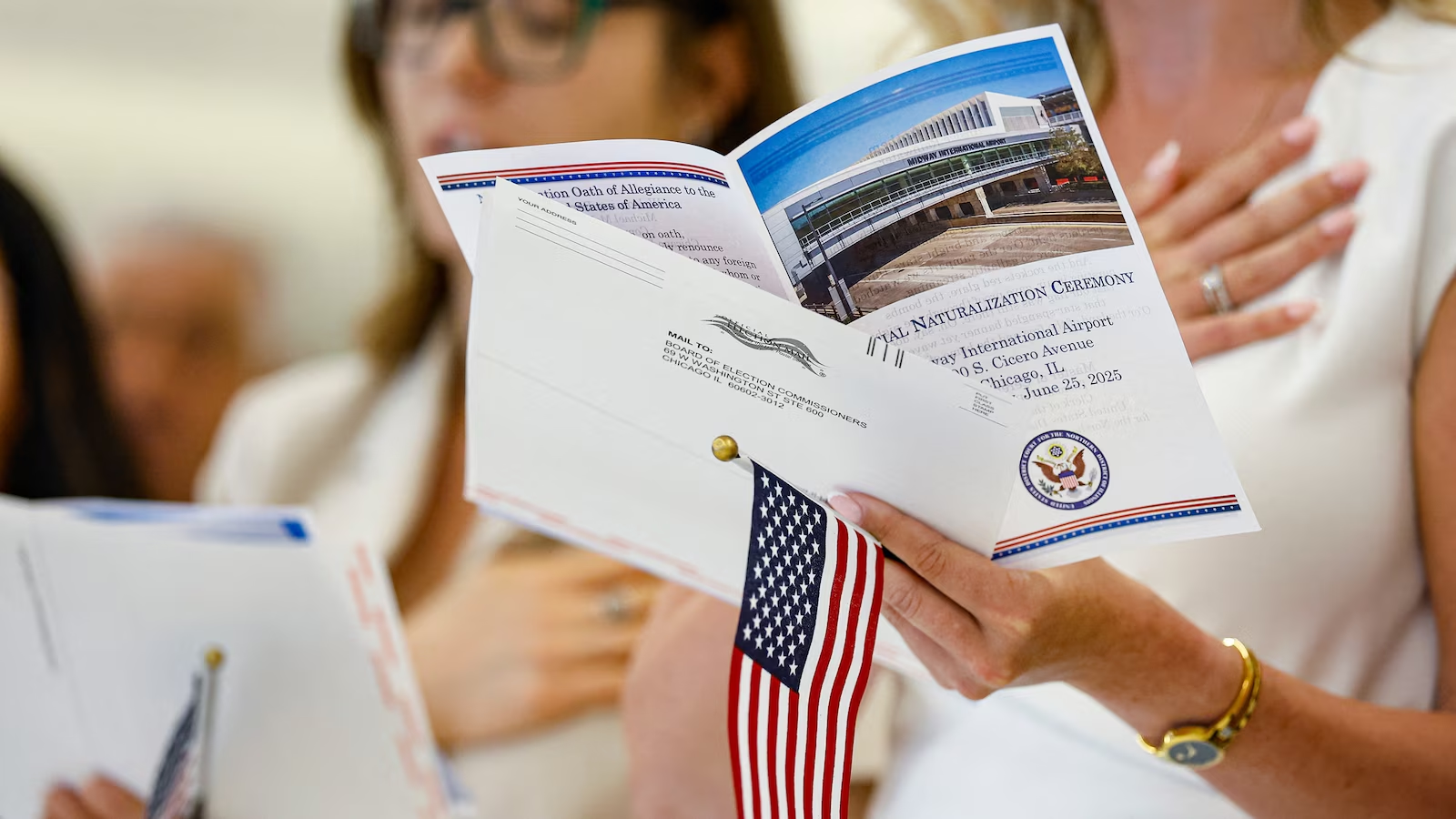
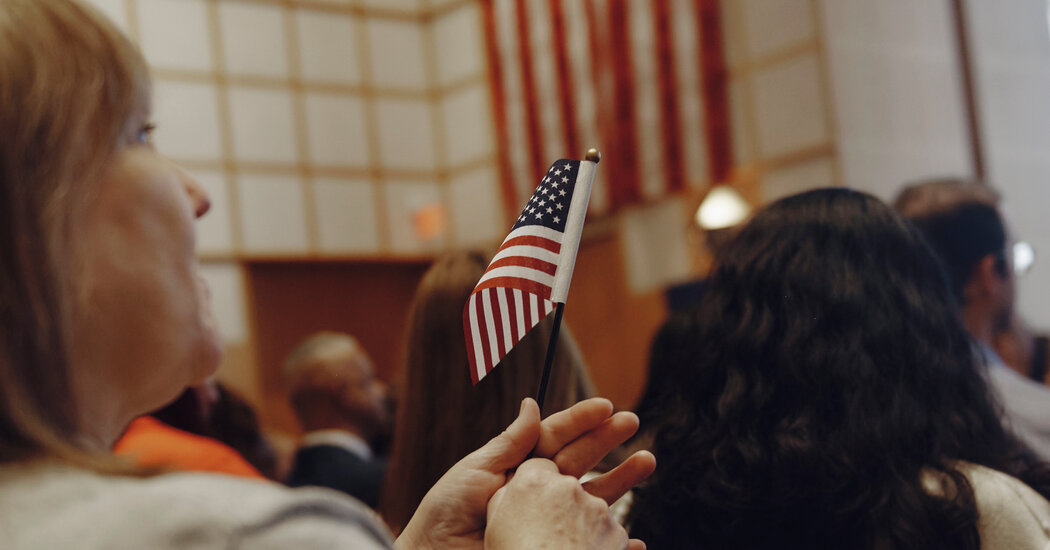
Several immigrants in the US have had their citizenship ceremonies canceled at the last minute due to the Trump administration's pause on immigration decisions for high-risk countries, leading to frustration and legal challenges from advocates who see it as xenophobic and unjust.
USCIS's end-of-year review highlights significant efforts under Secretary Noem to strengthen immigration screening, crack down on fraud, enhance national security, and prioritize American interests through policy reforms, increased enforcement, and technological advancements.
A couple in Kodiak faces potential deportation due to a years-old error by the Alaska DMV that mistakenly registered them to vote as U.S. citizens, leading to their citizenship oath being canceled; the error may have affected dozens of others, highlighting flaws in the state's voter registration process and raising concerns about wrongful deportations.
The Trump administration has expanded its immigration restrictions to include 20 additional countries, mainly in Africa and Asia, further restricting legal immigration and affecting those already in the US seeking to change their status or become citizens, amid ongoing debates over security and discrimination.
USCIS has updated its policy guidance to clarify requirements for immigrant petitions for professional athletes, emphasizing the impact of the DOL's new FLAG system which no longer includes minimum job requirements in labor certifications for athletes, potentially requiring additional evidence for visa approval.
The Trump administration plans to significantly increase efforts to strip naturalized Americans of their citizenship, aiming for 100-200 cases per month in 2026, marking a substantial escalation in denaturalization efforts, which could impact many lawful citizens amid broader immigration crackdowns.
The Trump administration has paused all immigration applications from 19 designated high-risk countries, including Afghanistan and Somalia, following a shooting incident involving an Afghan national, and plans to review all existing benefit requests from these countries entered since January 2021, citing national security concerns.
US immigration authorities have paused all immigration applications from 19 countries on Trump's travel ban list for a comprehensive review, affecting Green Card, naturalization, and asylum processes, with the pause remaining until further notice.
The Trump administration has paused all immigration applications from 19 designated high-risk countries, including green cards and naturalizations, citing national security concerns following a shooting incident involving an Afghan national. The move also involves a comprehensive review of existing immigrants from these countries who entered during the Biden administration, with increased scrutiny and potential law enforcement referrals. Critics argue these measures amount to collective punishment for immigrants.