The Trump administration is auditing immigration cases involving U.S. citizens of Somali origin to identify potential fraud that could lead to denaturalization, amid broader efforts to target Somali immigrants in Minnesota for alleged fraud and misuse of federal funds, sparking criticism over due process and racial targeting.
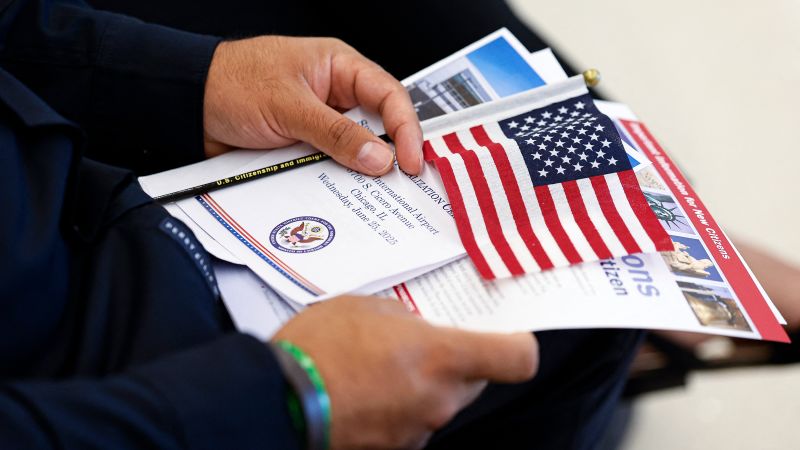
The article reports on the despair and disruption caused by the Trump administration's policies, including travel bans and cancellations of naturalization ceremonies for nationals of certain countries, which have left many hopeful immigrants feeling betrayed and fearful of losing their legal status, amid broader efforts to scrutinize and potentially revoke citizenship.
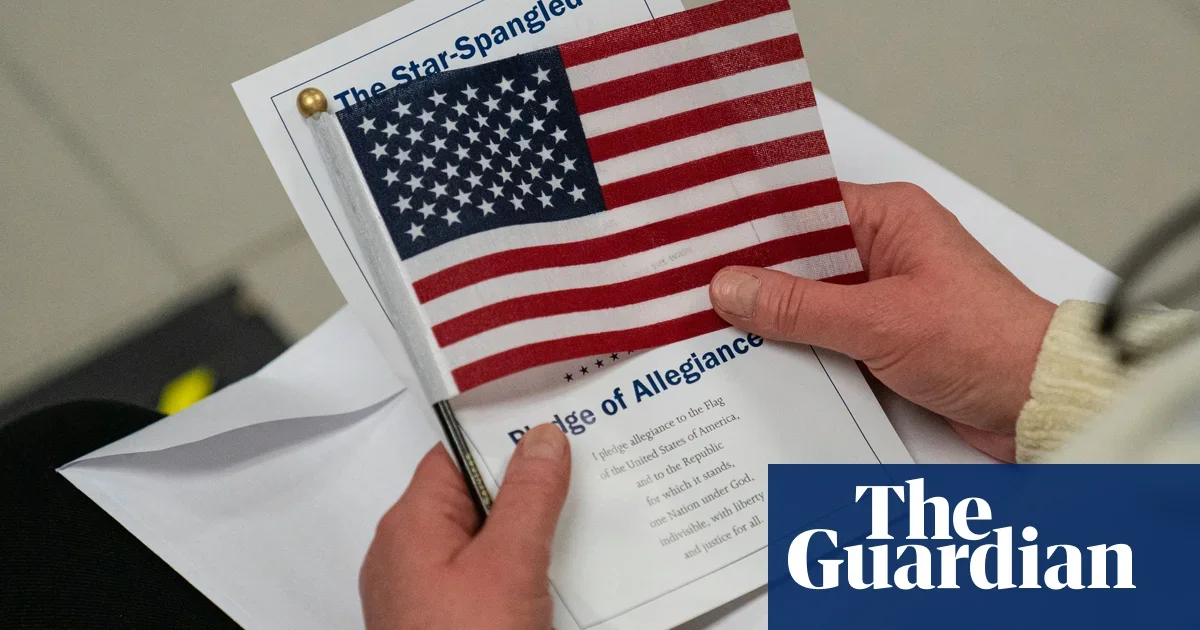
The Trump administration plans to significantly increase efforts to strip naturalized Americans of their citizenship, aiming for 100-200 cases per month in 2026, marking a substantial escalation in denaturalization efforts, which could impact many lawful citizens amid broader immigration crackdowns.
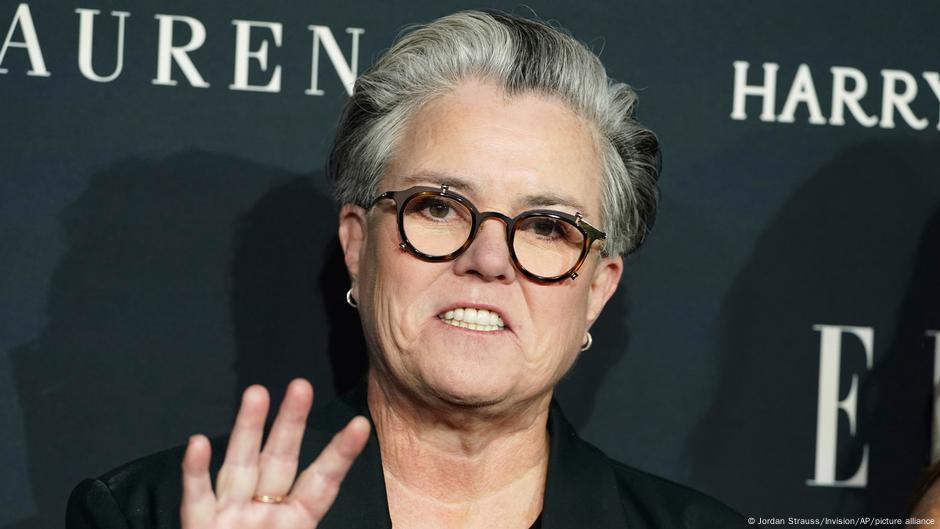
The article discusses Donald Trump's false claim on social media that he might revoke Rosie O'Donnell's US citizenship, which is legally impossible for a native-born citizen due to the 14th Amendment. It also covers broader issues of denaturalization, Trump's threats to strip citizenship from naturalized citizens, and the political feud between Trump and O'Donnell, who now resides in Ireland and criticizes Trump from abroad.
President Trump has publicly considered revoking comedian Rosie O'Donnell's U.S. citizenship, despite lacking constitutional authority to do so for native-born citizens. While the Trump administration has pursued denaturalization of some naturalized citizens involved in crimes, the revocation of citizenship for native-born Americans is constitutionally protected under the 14th Amendment. The administration has also sought to restrict pathways to citizenship and increase denaturalization efforts, but these actions face legal and constitutional limitations.
The US Department of Justice is expanding its use of denaturalization laws, historically used against Nazis and war criminals, to target a broader range of individuals, including naturalized citizens who may pose a threat to national security, raising concerns about politicization and potential misuse against political opponents and immigrants.
The DOJ is moving towards expanding denaturalization efforts, potentially targeting naturalized Americans for political reasons under the guise of national security concerns, raising fears of misuse and political repression.
The U.S. Department of Justice is prioritizing the revocation of citizenship for naturalized Americans involved in crimes, expanding efforts to denaturalize individuals accused of serious offenses, which raises concerns about due process and constitutional rights amid ongoing immigration enforcement policies.
The Trump administration has issued a memo directing attorneys to prioritize denaturalization of naturalized Americans who commit certain crimes, especially those involving fraud or serious offenses, with broader discretion and a lower burden of proof, raising concerns about rights and due process.