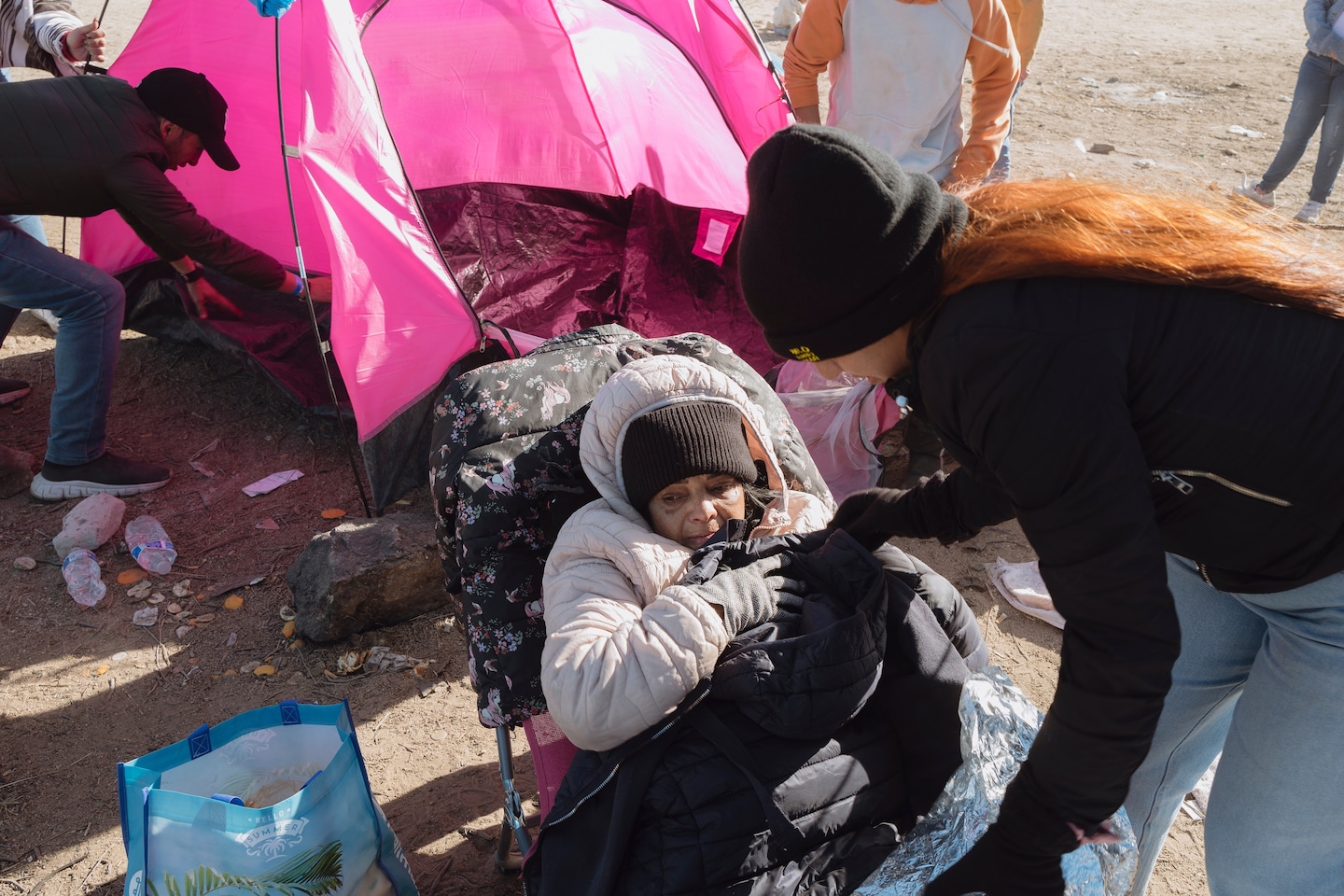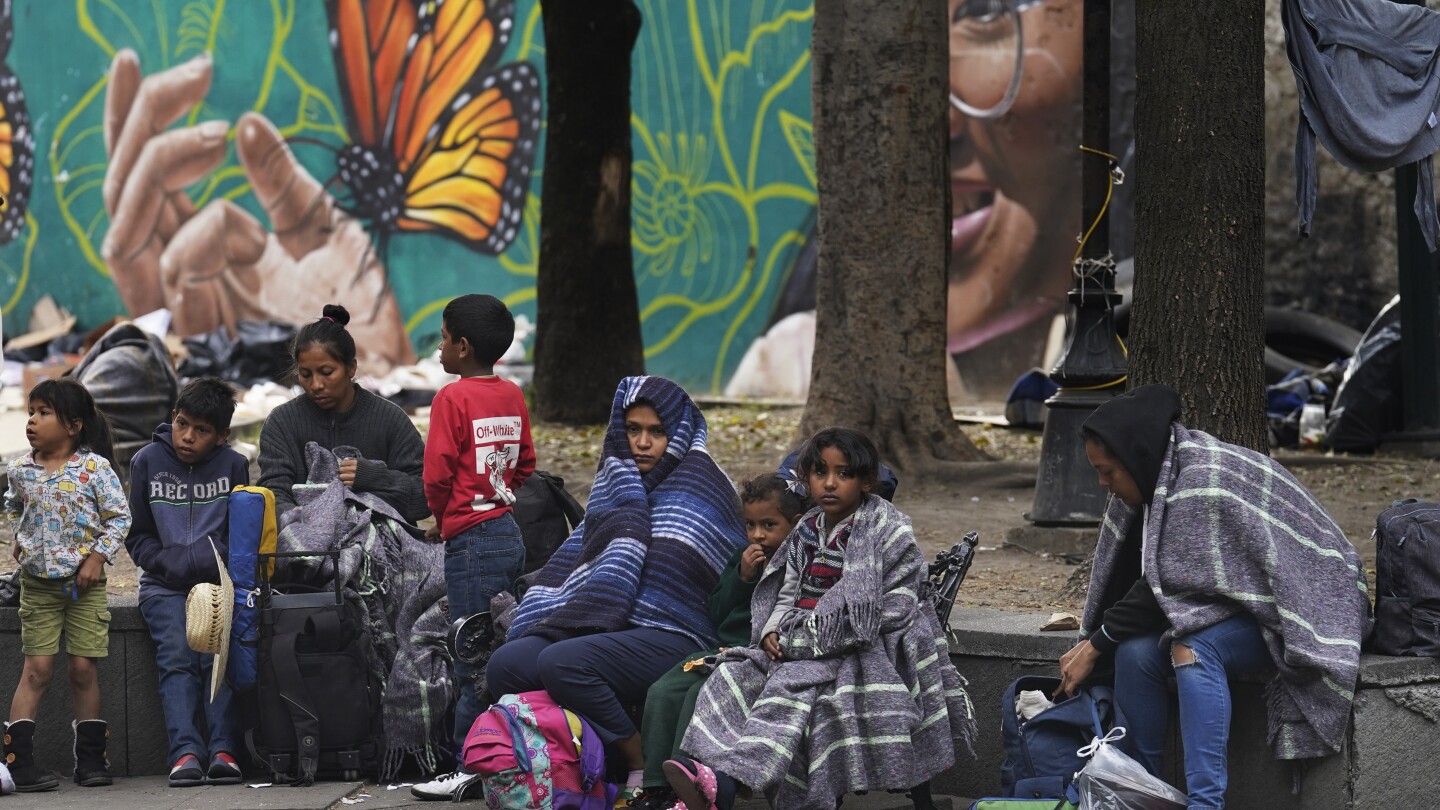
Mexican authorities successfully rescued 31 migrants who had been kidnapped near the U.S. border by criminal cartels. The migrants, from various Latin American countries, were the target of a kidnap-for-ransom scheme, a growing issue in the region. The rescue involved a significant deployment of troops and technology. The incident highlights the dangers faced by migrants and asylum seekers due to the lucrative criminal industry that has developed around migration, and it calls into question the effectiveness of current migration policies that leave individuals vulnerable to such crimes.
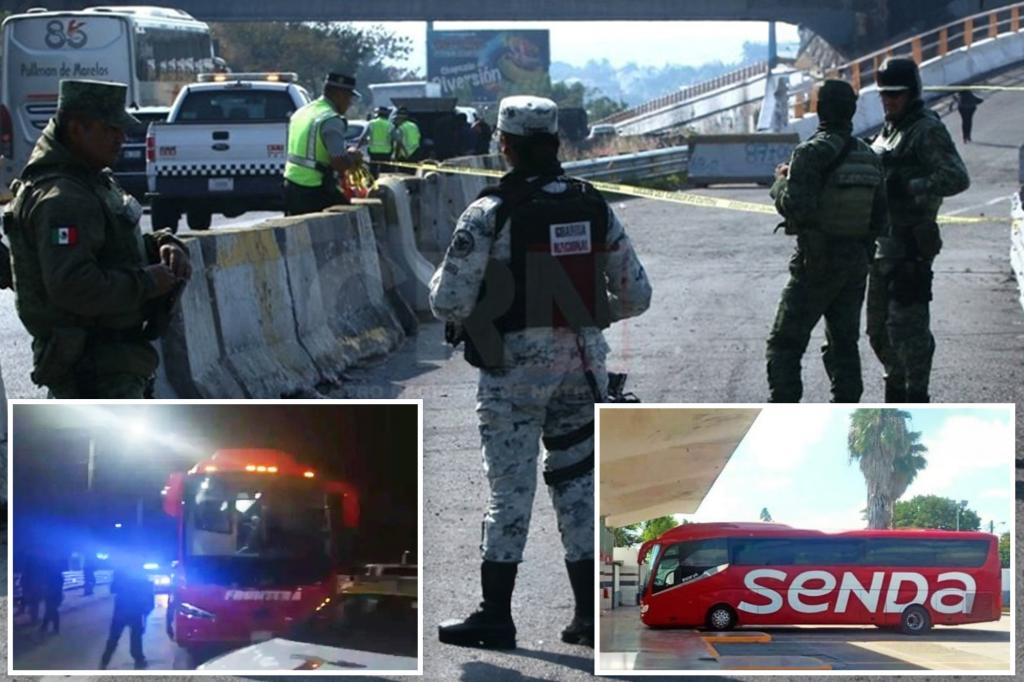
In Mexico, 31 migrants from various Latin American countries were kidnapped at gunpoint from a bus en route to the US border. The abduction occurred in Reynosa, a city notorious for gang violence and human trafficking. Mexican authorities, including the National Guard, Army, and Navy, are actively searching for the missing individuals, employing methods such as tracking cell phones and reviewing surveillance footage. The incident highlights the ongoing dangers faced by migrants in the region, where kidnappings for ransom by criminal organizations are a persistent threat.
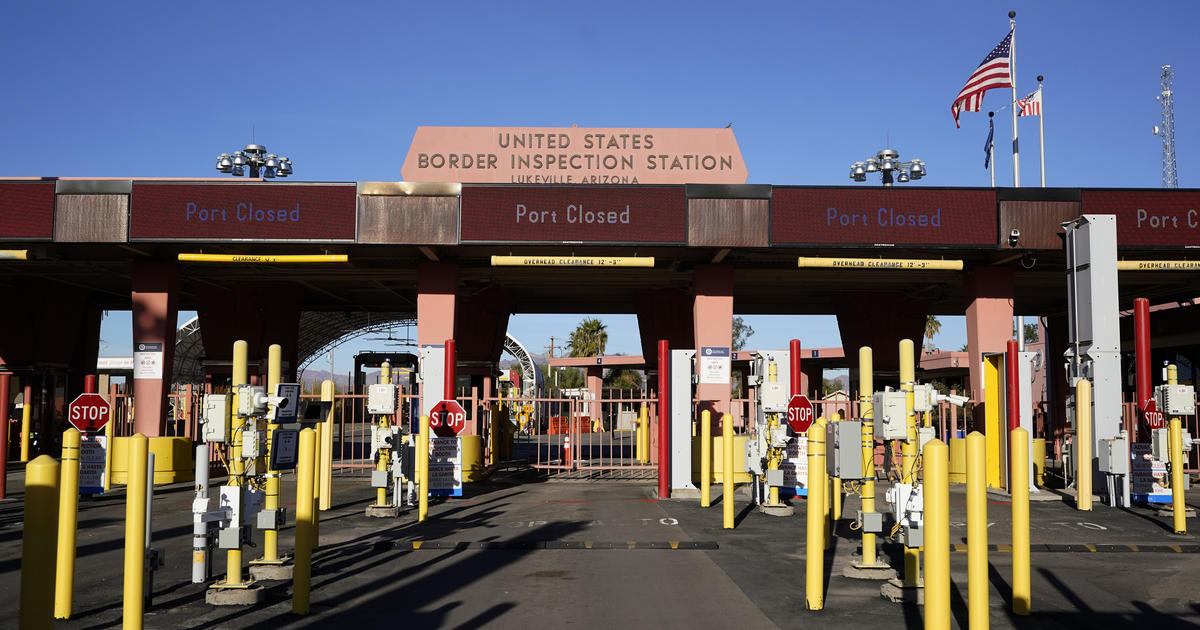
The United States is set to reopen four official border crossings with Mexico after a significant decrease in migrant crossings. These ports of entry had been partially or fully closed due to a surge in migration. The reduction in crossings is attributed to enhanced enforcement actions by the Mexican government, including increased deportations. The U.S. has also repatriated over 460,000 migrants since May. High-level meetings between U.S. and Mexican officials are ongoing, and the White House is negotiating with Congress on asylum and border security reforms, indicating a willingness to impose stricter asylum limits and expand detention and deportation efforts.
The Biden administration is set to reopen several southern U.S. border crossings that were closed due to a surge in migrant arrivals. The decision follows a decrease in illegal crossings, attributed to tighter enforcement by Mexico and a seasonal decline. This comes as House Republicans, led by Speaker Mike Johnson, plan to visit the border. The U.S. saw a record number of illegal crossings in December, prompting the closures to redirect resources to processing migrants. Discussions on border policy and funding continue in Congress, with Republicans pushing for more restrictive measures.
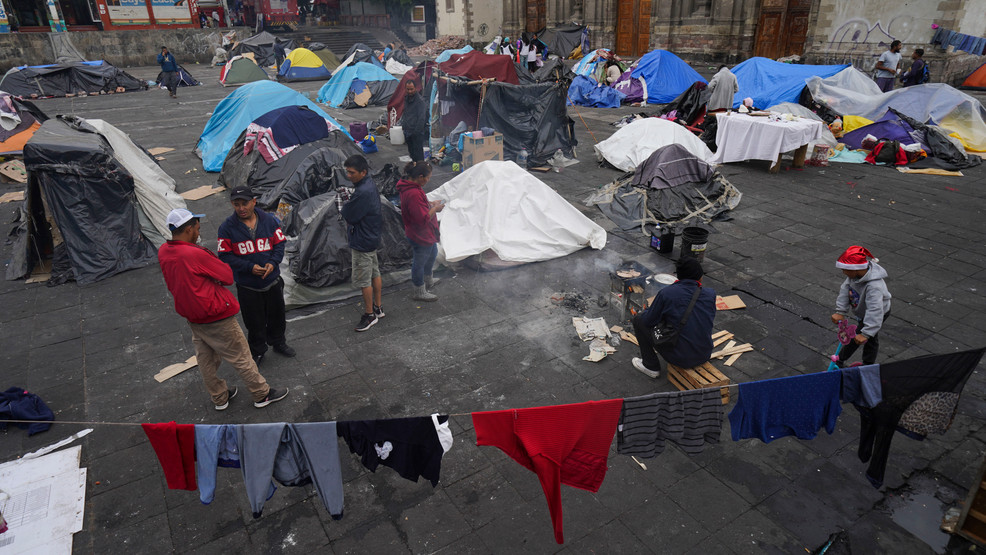
Mexico and Venezuela have resumed a program to repatriate Venezuelan migrants from Mexico, with recent flights landing in Caracas as part of an effort to manage the high levels of migration towards the United States. This initiative follows an agreement from a regional summit to address migration issues and includes social and work programs for returnees. The relaunch coincides with a significant increase in migrants arriving at the U.S.-Mexico border and a large migrant caravan moving through southern Mexico. The U.S. has been pressuring Latin American countries to control migration flows, and discussions on the issue have taken place between U.S. and Mexican officials, with Mexico's President López Obrador seeking U.S. development aid for migrants' home countries and a reduction of sanctions against Cuba and Venezuela in return for cooperation.
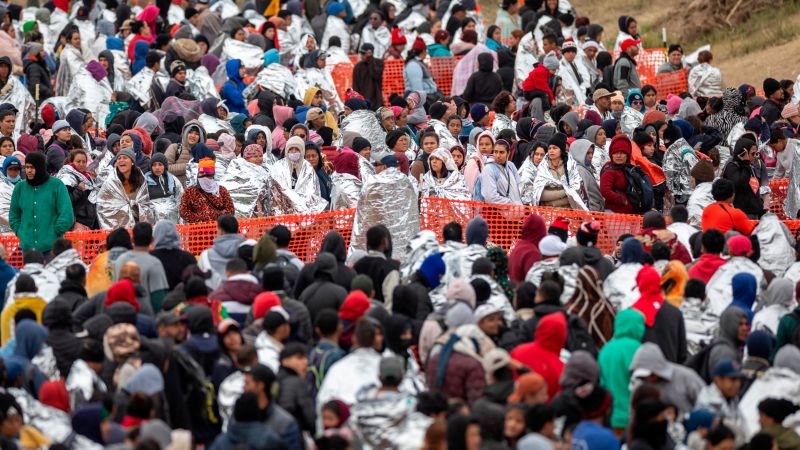
In December, U.S. authorities encountered over 225,000 migrants at the border, a significant number that continues to challenge immigration systems. Cities like New York and Chicago are responding by requiring buses transporting migrants to provide advance written notice before arrival, as reported by CNN's Camila Bernal. This measure aims to better manage the influx and resources needed to accommodate the migrants upon their arrival.
Mexico and Venezuela have resumed repatriation flights for Venezuelan migrants in Mexico, in response to the surge of migrants heading towards the U.S. border. This initiative is part of a regional agreement to address the high levels of migration and includes social and work programs for returnees. The U.S. has been pressuring Latin American countries to manage migration flows, and Mexican President López Obrador has discussed the issue with U.S. President Joe Biden, seeking more development aid for migrants' home countries and a reduction of sanctions against Cuba and Venezuela.