The pipeline for Ph.D. students in U.S. universities is shrinking rapidly due to funding cuts, international visa restrictions, and changing perceptions of higher education, risking America's leadership in science and technology as other countries fill the gap.
Many international students are unable to attend U.S. universities this fall due to Trump's travel bans, visa delays, and increased vetting, leading to a significant drop in enrollment and concerns about talent loss and cultural exchange.
The Trump administration's plan to revoke a record number of Chinese student visas has sparked controversy over the impact on U.S. higher education and the country's status as a top destination for international students amid rising national security concerns.
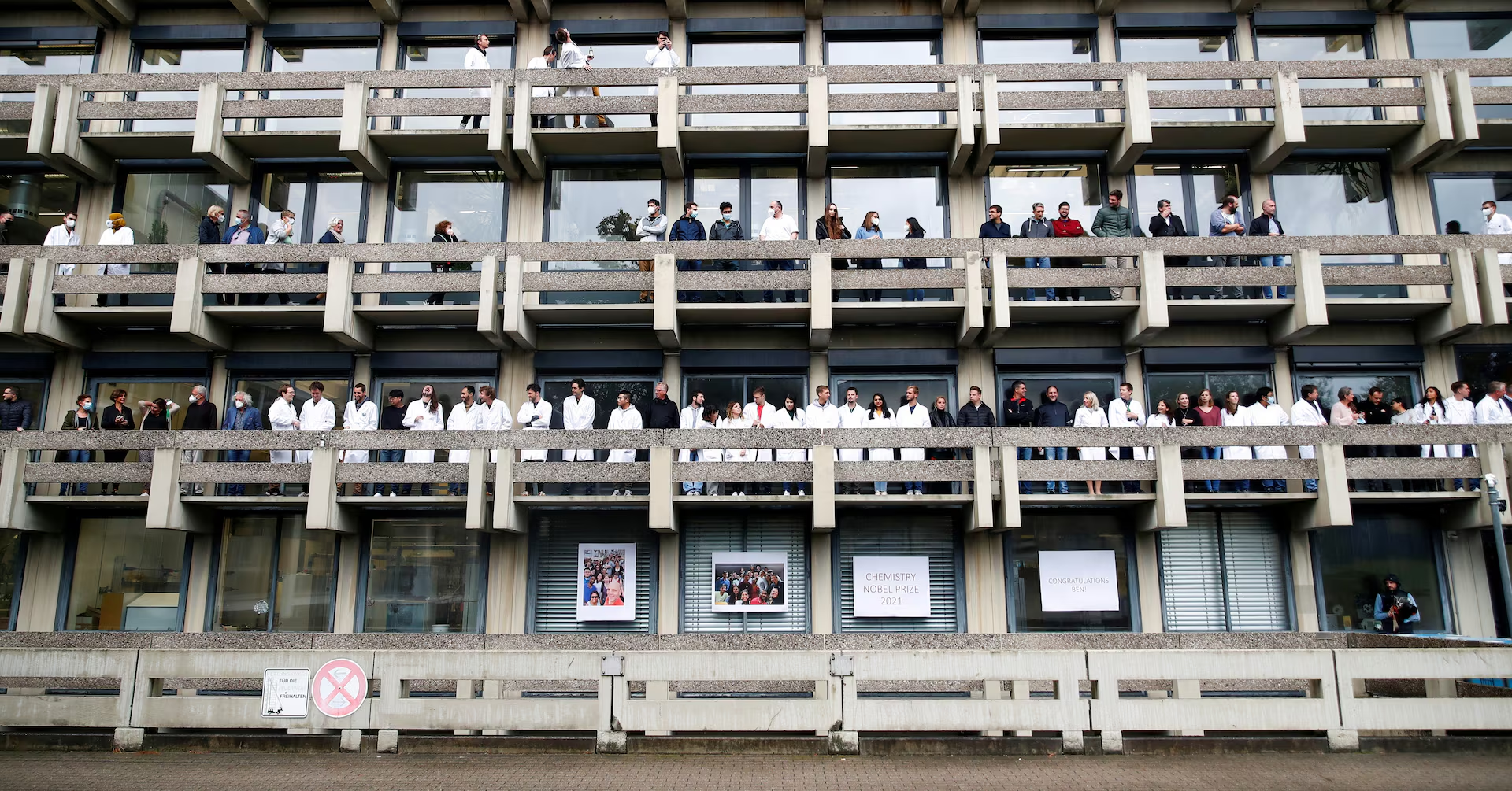
The Max Planck Society has seen a threefold increase in applications from US scientists seeking research opportunities in Europe, driven by uncertainties and restrictions imposed by the Trump administration on US higher education and international students, prompting European institutions to prepare for an influx of top talent.
The Trump administration's decision to pause all visa interviews for foreign students seeking to study in the US, pending a review of social media vetting, is seen as a harmful move that threatens America's reputation as a leader in higher education, despite potential policy adjustments.
The Trump administration's decision to pause all visa interviews for foreign students aiming to study in the US, pending a review of social media vetting, is seen as a detrimental move that threatens America's reputation as a leader in higher education, despite potential modifications to the policy.
U.S. universities, including Columbia and Harvard, are advising international students to return to campus before President-elect Donald Trump's inauguration on January 20, due to concerns over potential travel bans and stricter immigration policies. This caution stems from past experiences with Trump's travel bans, which affected students from Muslim-majority countries. The uncertainty surrounding future immigration policies is causing anxiety among international students, potentially impacting university enrollments, especially from countries like China and India.
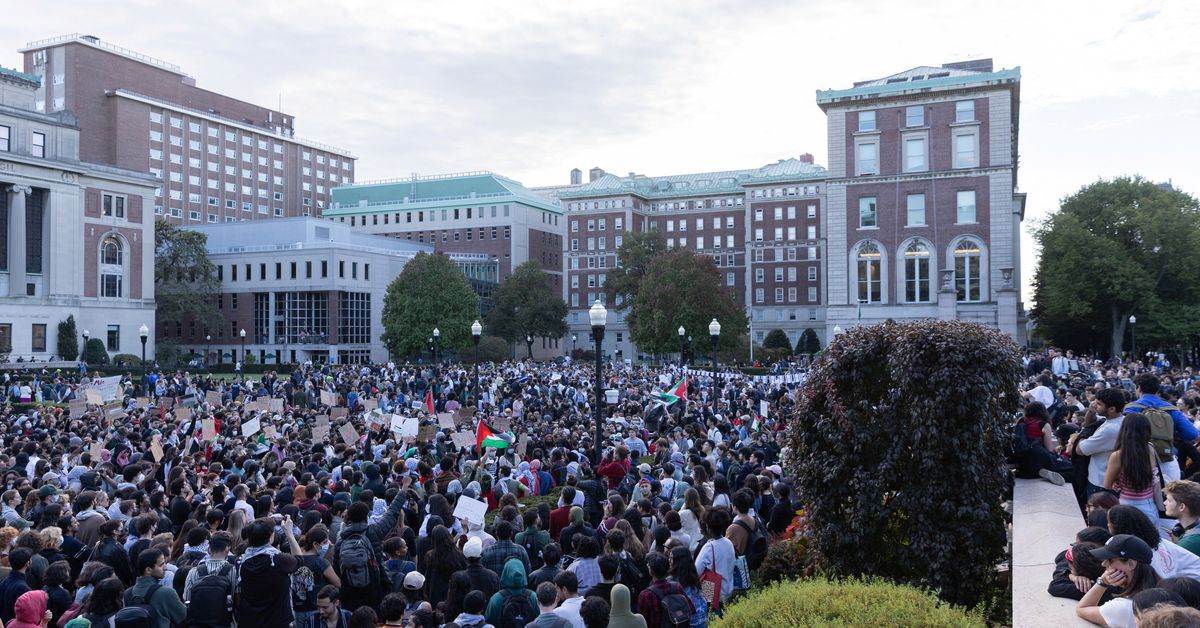
A report by the Anti-Defamation League graded 85 top US universities on their efforts to combat antisemitism, with only Brandeis University and Elon University receiving an "A" grade. Thirteen elite schools, including Harvard and Princeton, were given an "F". The report documented 746 alleged antisemitic incidents at these campuses, with reports skyrocketing amid the Israel-Hamas conflict. The ADL praised Brandeis for revoking recognition of its Students for Justice in Palestine chapter, while also commending Elon University for promoting informed dialogue. Several Ivy League institutions, including Columbia and Cornell, received disappointing grades, with disturbing incidents of antisemitism reported on their campuses. The ADL called for serious changes in school leadership to support Jewish communities and address the historic levels of antisemitic incidents on campus.
A record number of Indian students are pursuing higher education in the United States, driven by aspirations for better job prospects and higher pay. India's growing economy is unable to provide adequate job opportunities, leading many students to seek education abroad. U.S. universities are benefiting from the surge in enrollment, particularly in fields facing labor shortages. However, the high cost of education and challenges with student visas present obstacles for many aspiring students. Despite these challenges, the trend reflects a growing interest in overseas education among India's young population.
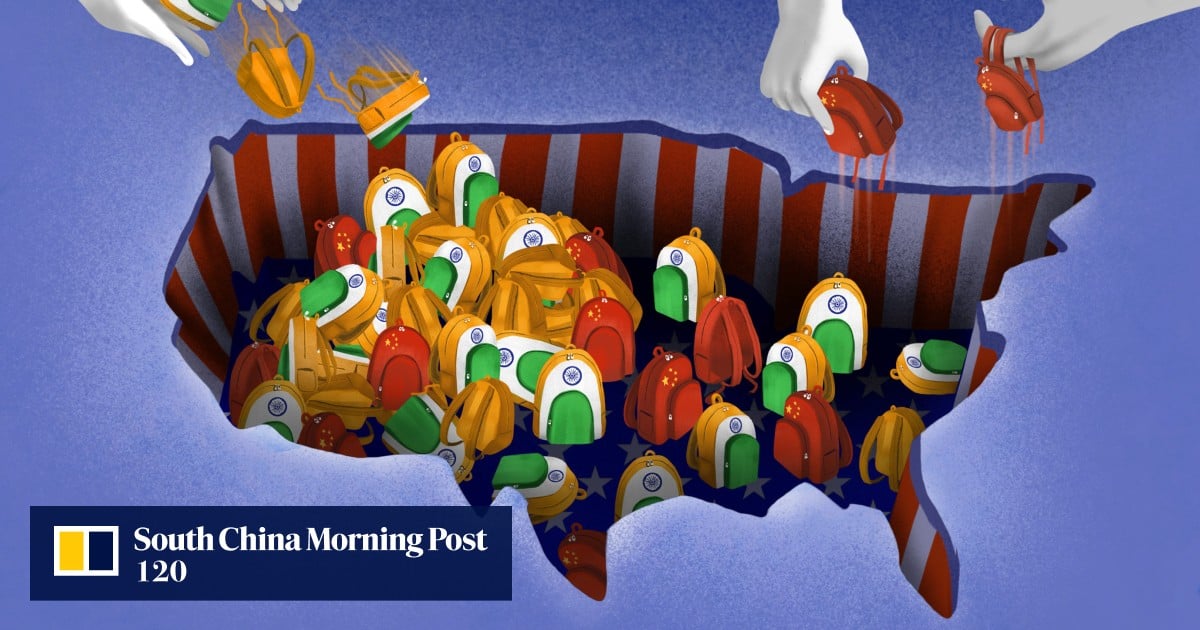
Indian students have surpassed Chinese students as the largest group of international students in the US, with over 320,000 active Indian student visa holders compared to about 254,000 from China. The enrollment of Indian students in US campuses has doubled over the last decade, while the number of Chinese students has declined. This shift in the talent pool has implications for the US in maintaining its leadership in scientific research, defense technology, and the hi-tech industry. While there are similarities and differences between Indian and Chinese students, such as work ethic and communication skills, the US will need to attract a diverse population of international students from various countries to fill the talent gap.
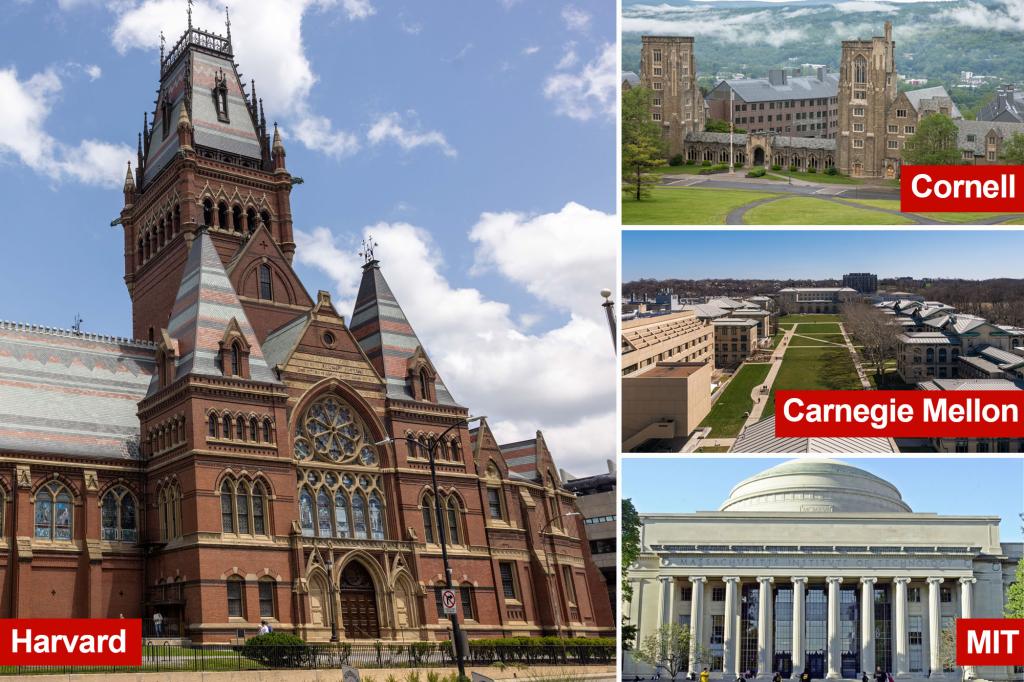
Over 200 US universities, including prestigious institutions such as Carnegie Mellon, Cornell, Harvard, and MIT, have allegedly received $13 billion in "undocumented contributions from foreign governments," with a significant portion coming from authoritarian regimes like Qatar, Saudi Arabia, China, and the UAE. The funds were not recorded with the US Department of Education between 2014 and 2019. Qatar was the largest donor, contributing $2.7 billion, followed by England with $1.4 billion. The report raises concerns about the potential harm to democratic norms and highlights incidents of antisemitism on campuses during the period covered by the donations.
US officials from the Biden administration met with American Jewish leaders to address the surge in antisemitic incidents on US campuses, particularly in the wake of tensions between pro-Israel and pro-Palestinian groups. The White House condemned any antisemitic threats or incidents and pledged to counter anti-Jewish actions and threats across the country. The Anti-Defamation League reported a nearly 400% spike in antisemitic incidents since an Oct. 7 Hamas attack on Israel. The Biden administration is taking action to combat the rise in antisemitic incidents, including ensuring campus law enforcement is engaged with state and local law enforcement. The Department of Education's Office for Civil Rights is clarifying that certain forms of antisemitic and related discrimination are prohibited under Title VI of the 1964 Civil Rights Act.
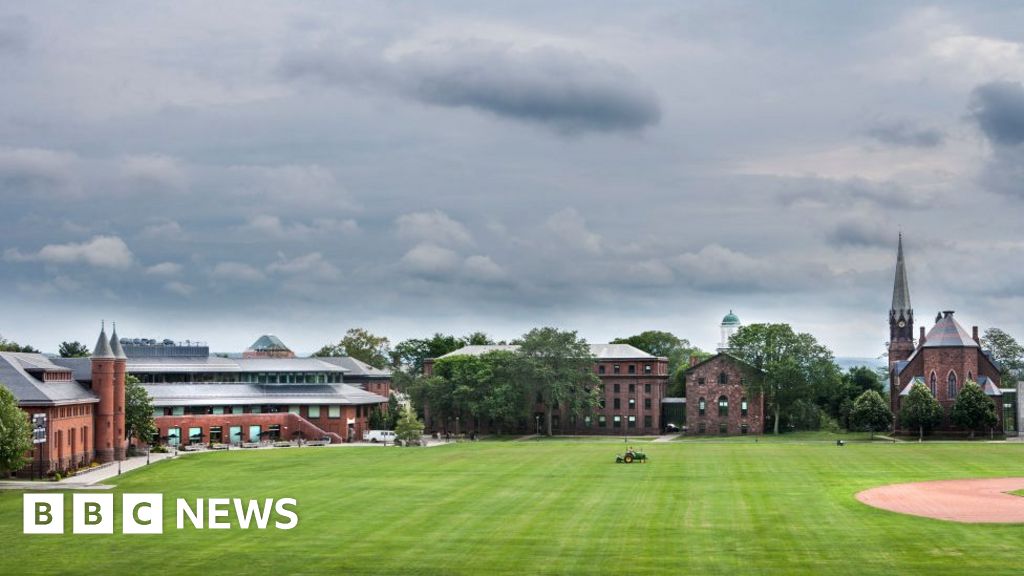
Wesleyan University, an elite US liberal arts college, has announced that it will no longer give preference to student applicants with family or donor ties, ending the practice of legacy admissions. The move comes in response to criticism that legacy admissions perpetuate privilege and hinder diversity. Wesleyan joins other universities, including Johns Hopkins and MIT, in eliminating legacy admissions. A majority of Americans are against legacy admissions, and US President Joe Biden has called for considering adversity in the college admissions process. The decision follows the Supreme Court's ruling against affirmative action, prompting a civil rights complaint against Harvard's legacy admissions.