Japan's exports in November increased by 6.1% year-on-year, the fastest in nine months, surpassing expectations and driven by strong shipments to Western Europe and the US, despite ongoing trade tensions with China and a recent GDP contraction.
President Donald Trump signed a historic US-Japan framework agreement that enhances trade relations, provides over $15 billion in market access for US producers, and commits Japan to invest $550 billion in the US, creating jobs and boosting domestic industries across sectors like energy, agriculture, and manufacturing.
US Treasury Secretary Scott Bessent stated that reciprocal tariffs are expected to decrease if trade imbalances between the US and other countries, such as Japan, improve, indicating a potential easing of trade tensions as economic conditions normalize.
Global equities hit new highs as optimism grew over potential trade agreements between the US, Japan, and the EU, easing fears of a prolonged trade war and boosting investor confidence, with markets reacting positively to signs of de-escalation in trade tensions.
Global stock markets surged to new highs following positive developments in U.S.-Japan and U.S.-Europe trade negotiations, with investor optimism supported by strong foreign demand for U.S. Treasuries and a calm bond market despite economic concerns. The market's resilience is attributed to increased foreign private sector purchases and potential regulatory changes, although some risks remain due to upcoming debt issuance and geopolitical uncertainties.
Global stocks surged following a US-Japan trade deal easing tariff concerns, with Asian markets leading gains and US tech giants preparing for earnings reports amid ongoing trade negotiations and economic uncertainties.
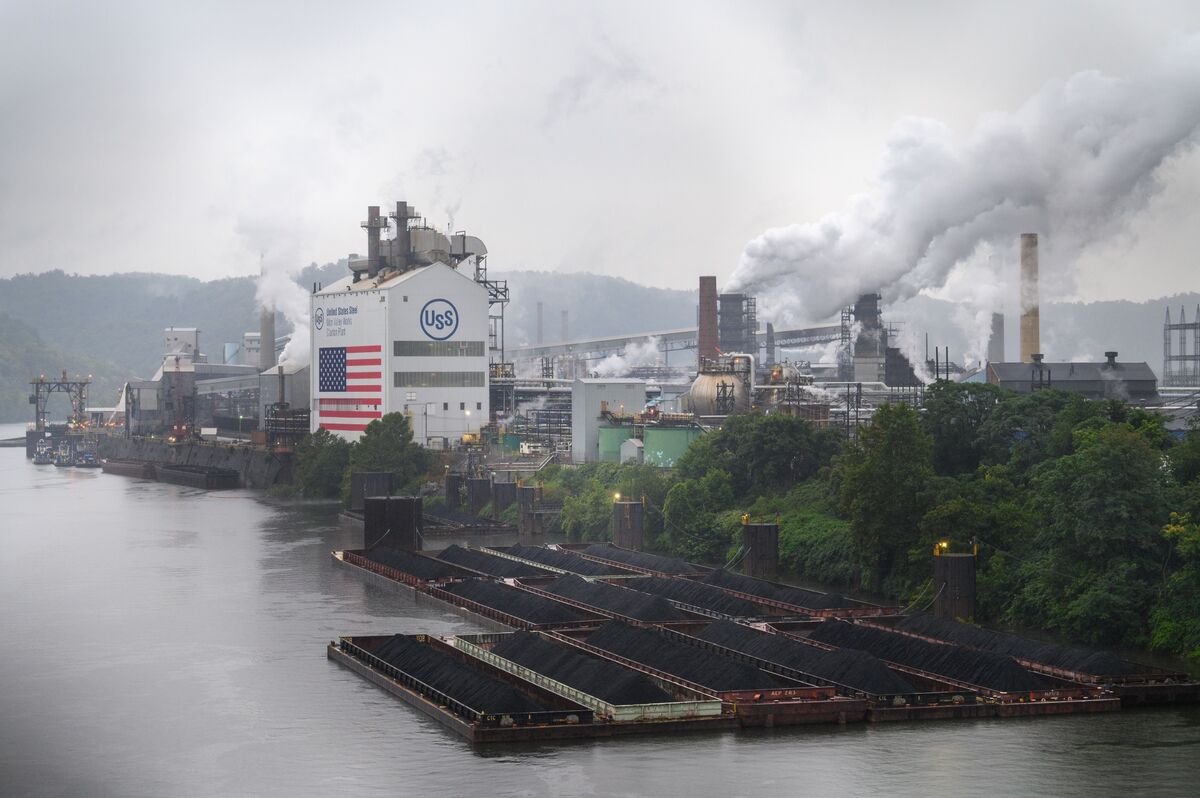
President Trump appeared to support a deal for Nippon Steel to acquire US Steel, claiming it would create jobs and boost the US economy, but his comments lacked clarity on whether he fully endorsed the $14.1 billion takeover, leaving investors and officials uncertain about the deal's future.
Members of Congress are urging the Biden administration to take action on PlayStation-Xbox console competition in Japan, claiming that Sony's business practices in its native Japan are blocking US companies from competing in that country's gaming market and could be running afoul of US-Japan trade deals. Sony has had a steep advantage over Xbox in Japan for decades, though the secrecy around gaming contracts obscures the underlying causes. The pressure on Sony coincides with the Japanese company's own pressure on antitrust regulators to block Microsoft's $69 billion bid to buy Activision-Blizzard.