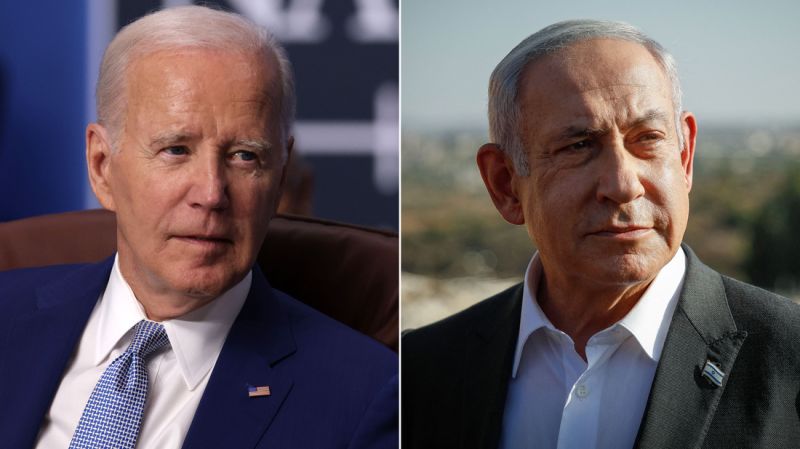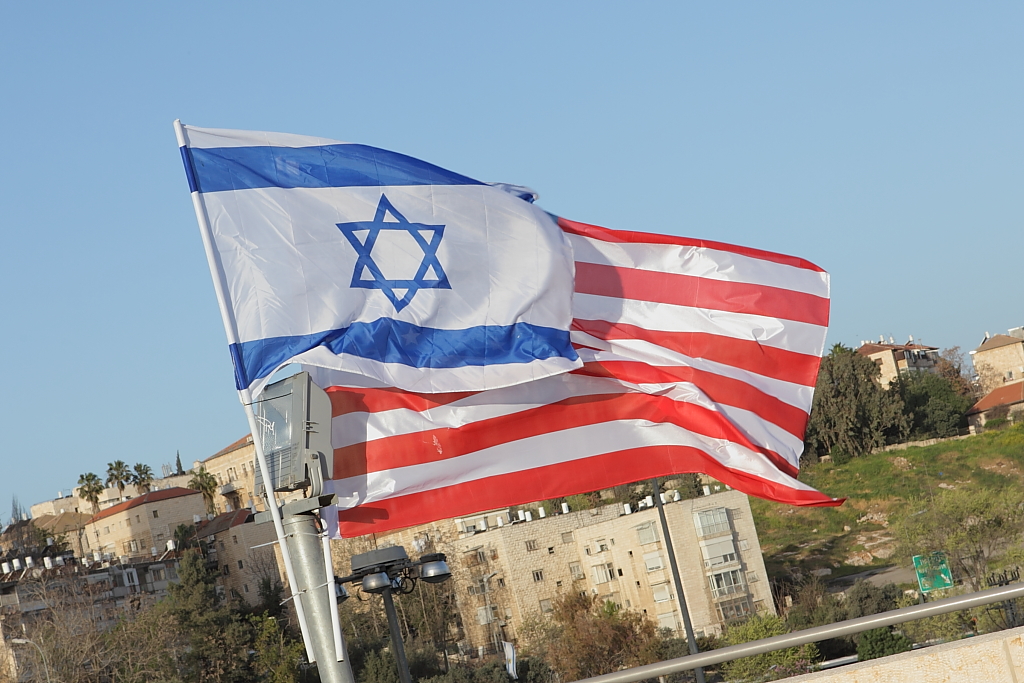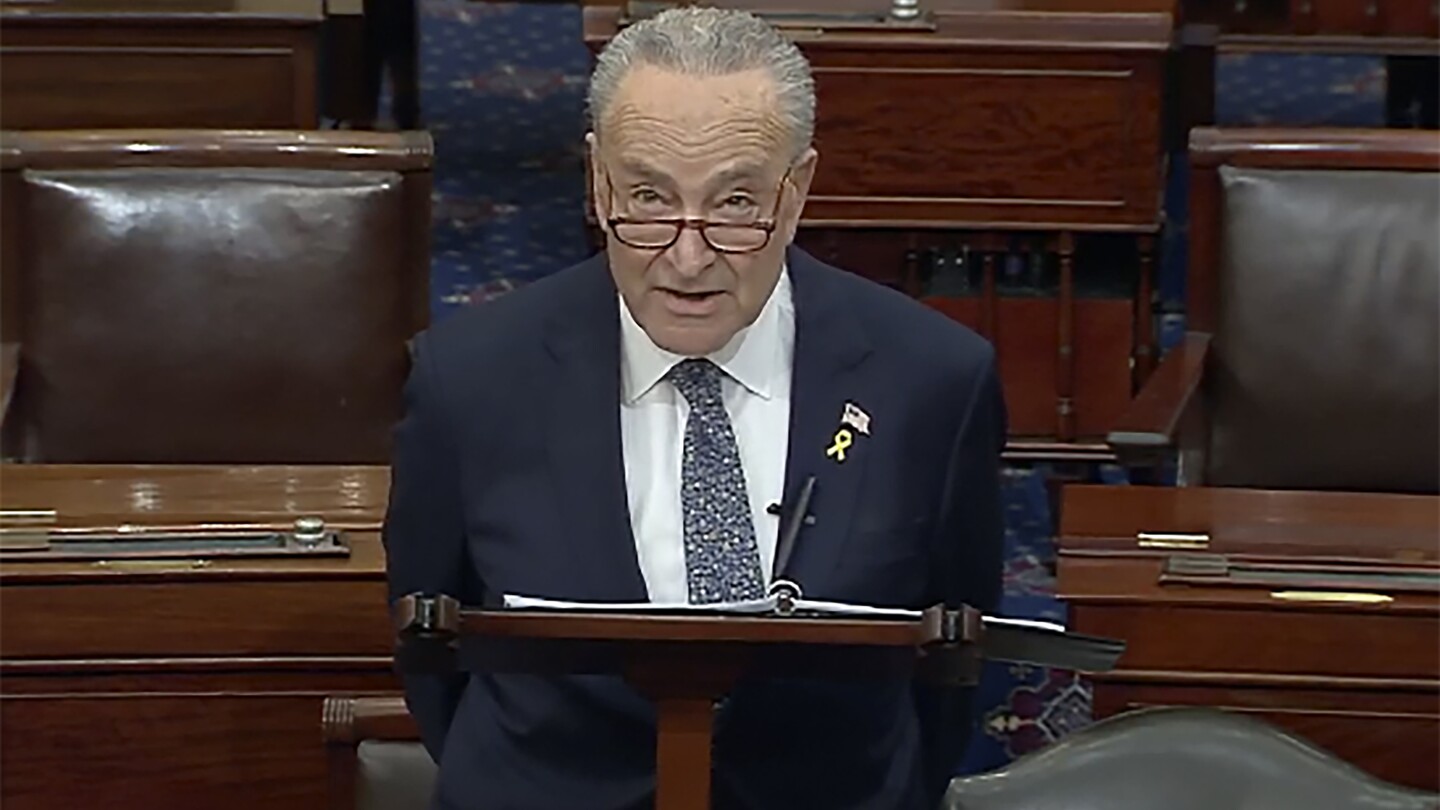
Senate Majority Leader Chuck Schumer's criticism of Israeli Prime Minister Benjamin Netanyahu's handling of the war in Gaza and call for new elections has sparked outrage from Republicans and Israeli officials, highlighting the delicate balance the US and its allies navigate when it comes to interfering in each other's electoral politics. This incident is just one example of the long history of US leaders and American allies butting into each other's electoral politics, with instances ranging from President Donald Trump's recognition of Israel's sovereignty over the Golan Heights to President Bill Clinton's invitation of Israeli Prime Minister Shimon Peres to the White House before an Israeli election. The blurred lines of interference in elections are being further tested as world leaders approach the upcoming Biden-Trump rematch, with recent comments from Polish Prime Minister Donald Tusk and Hungarian Prime Minister Viktor Orbán drawing attention.
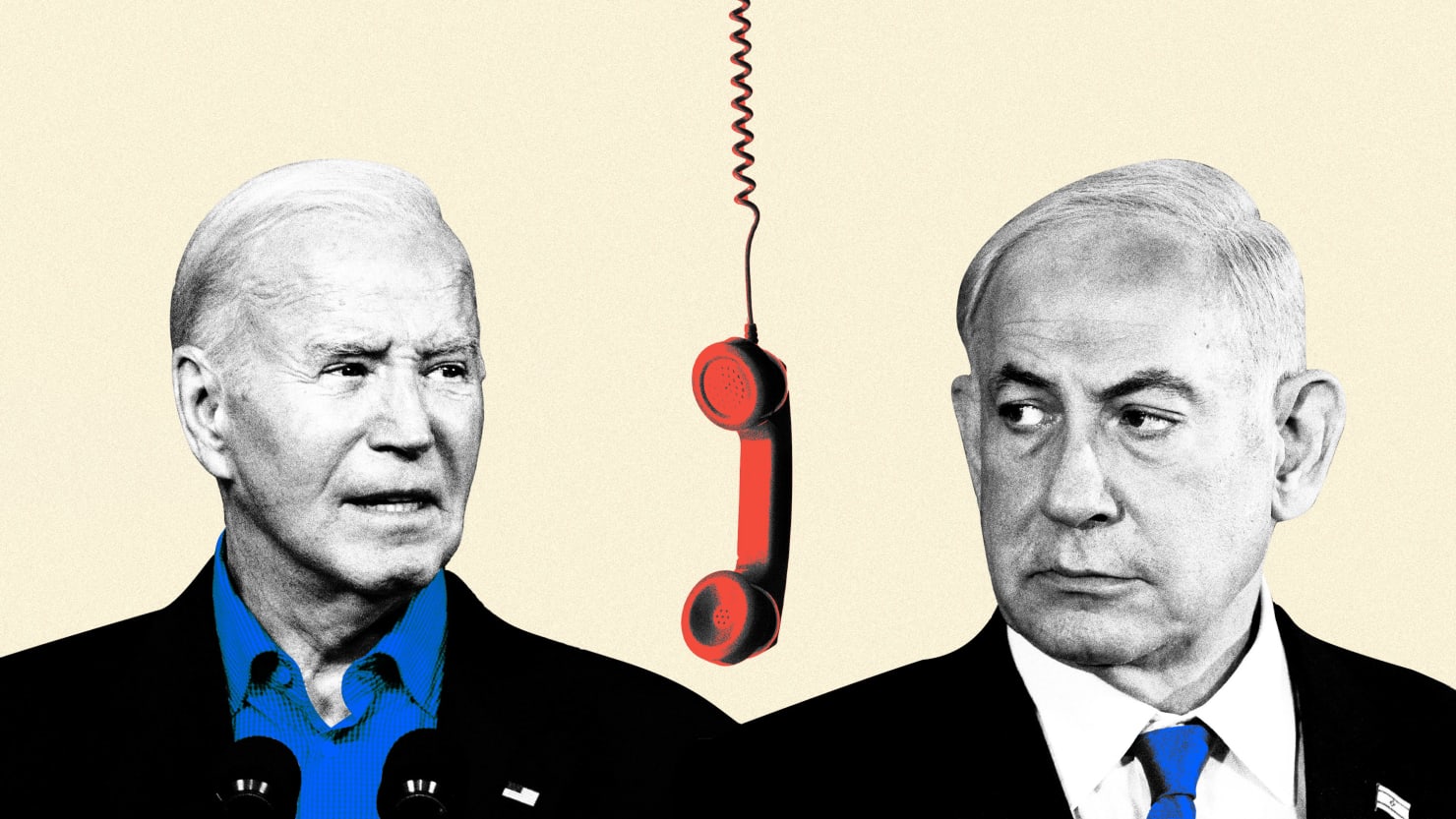
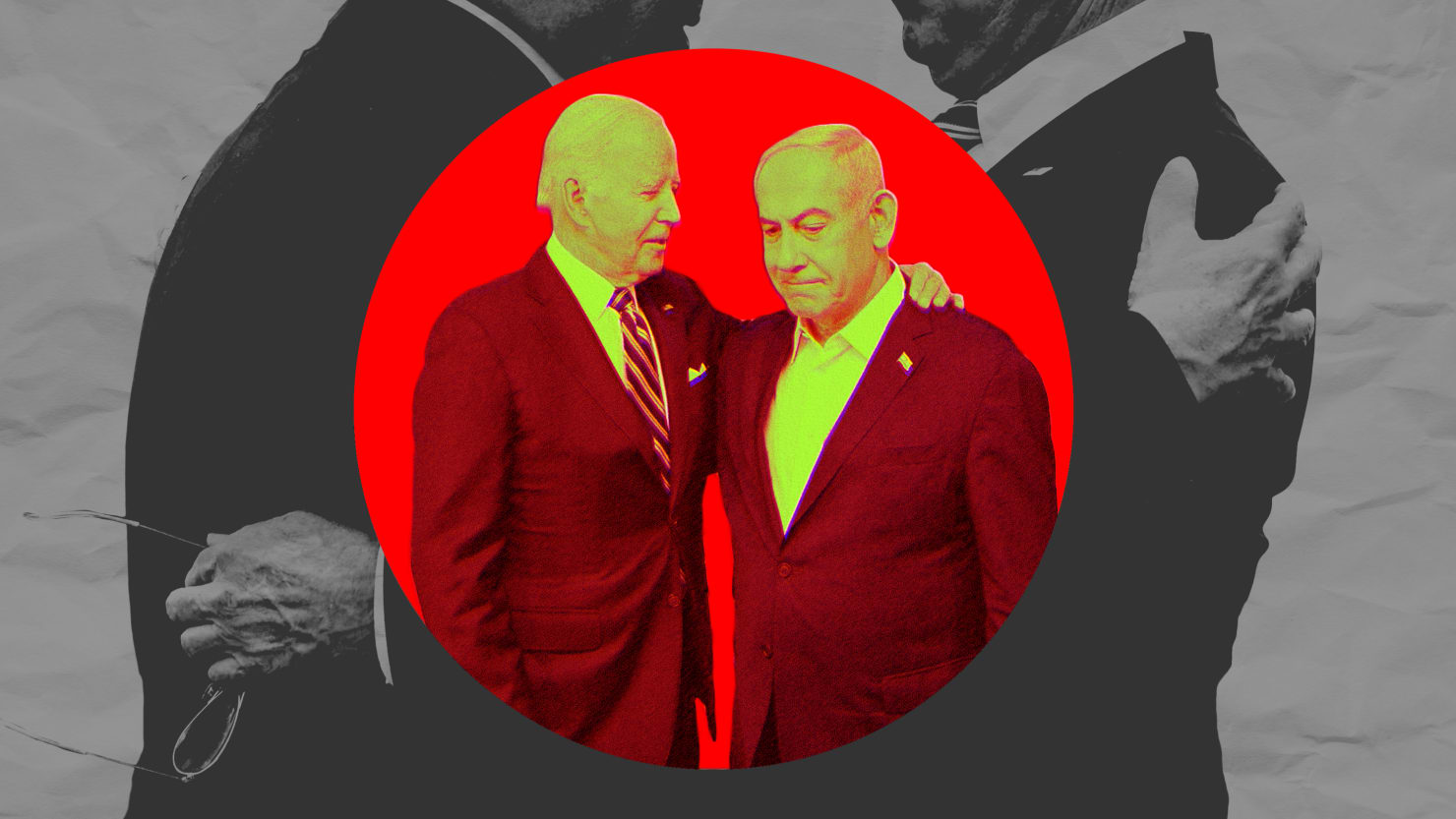
Tensions between the Biden administration and Netanyahu’s government have escalated, with Biden warning Israel against invading Rafah and Netanyahu vowing to proceed. Biden has hinted at reducing support to Israel, while also committing to humanitarian aid for Gaza. The strained relationship may have lasting consequences, potentially requiring a change in Israeli leadership for a positive relationship with the U.S.
The killing of three U.S. soldiers in Jordan has prompted the Biden administration to blame Iran and consider deepening military involvement in the Middle East, amid escalating tensions with Iran and the fight against the Houthis in Yemen. The U.S.-Israel security relationship, anti-Israel militant groups' perspective, and the potential expansion of the war are discussed, despite the administration's desire to contain it.
The relationship between the Biden administration and the Netanyahu government in Israel has become highly dysfunctional, with few major policy thrusts being supported by the Israeli government. Despite this, the Biden team continues to engage with Israel and neighboring countries, hoping that Netanyahu will be pushed out of office and progress can be made towards an independent Palestinian state. The ongoing conflict has highlighted the importance of the two-state solution and the need for a change in Israeli leadership. While progress may be difficult, there are factors that could make it possible, including continued pressure from the United States.
There is a debate about whether the US should condition its military support for Israel due to the civilian casualties caused in Gaza. While President Biden initially expressed openness to the idea, a recent report suggests that the Biden administration has put conditions on continued US support for Israel's war on Gaza. However, instead of using existing frameworks and enforcement mechanisms, Biden is communicating conditions behind closed doors, raising concerns about accountability and the rule of law. Despite concerns about civilian casualties, the Biden administration continues to send arms to Israel, highlighting the need for reform in the US-Israel relationship.
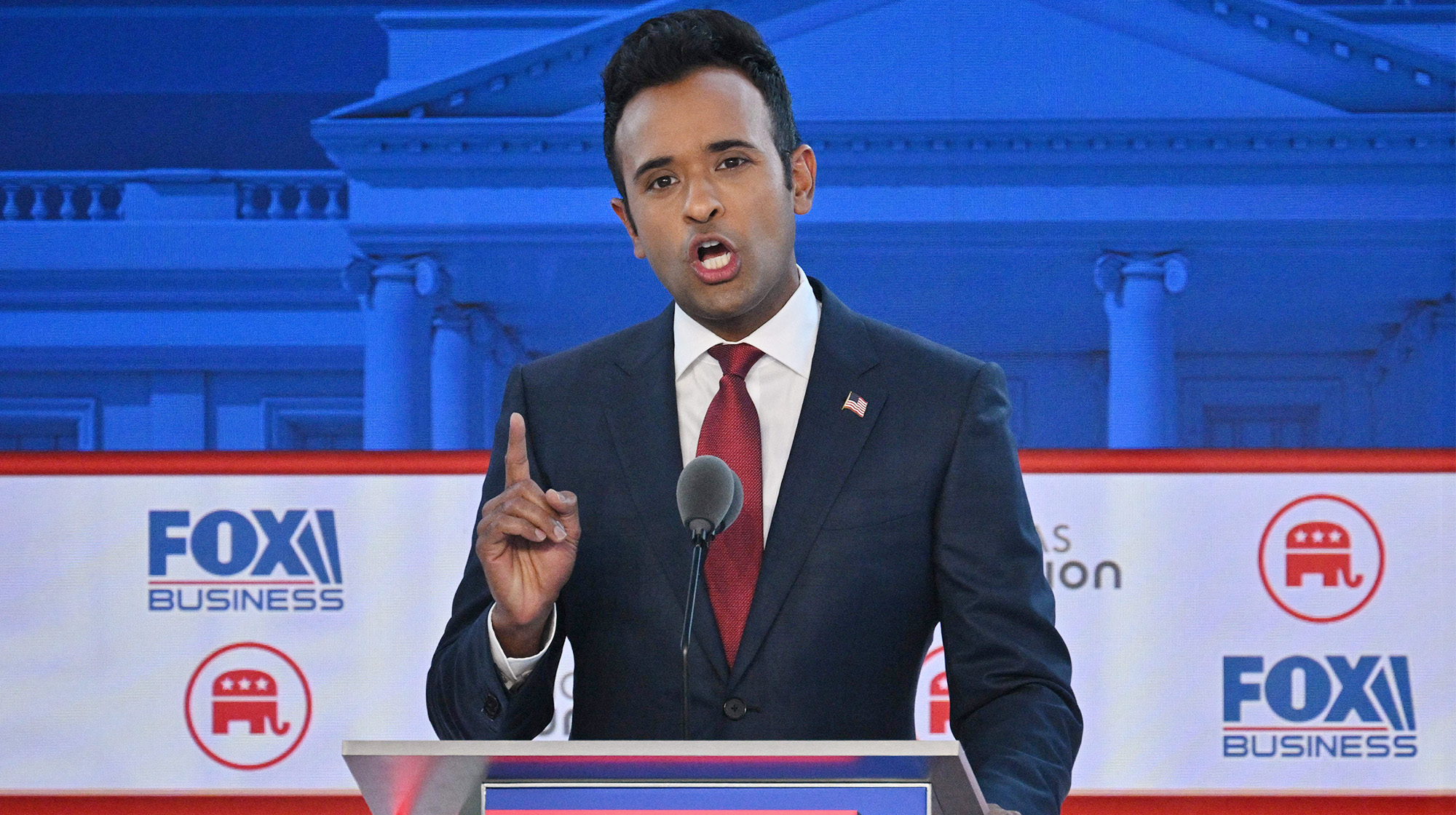
Republican presidential candidate Vivek Ramaswamy questioned the effectiveness of Israel's Iron Dome defense system during a speech to the Republican Jewish Coalition. Ramaswamy called for the US to avoid foreign military entanglements that do not directly relate to the homeland and suggested that US support for Israel may have contributed to the country's defense "intellectual inertia." He faced criticism from fellow Republicans for his stance on Israel, including suggesting that American aid to the country should stop after 2028. Ramaswamy emphasized that his views were grounded in American self-interest and support for Israel's right to exist and protect itself.
The US-Israel relationship appears strong at the top, with President Biden expressing support for Israel, but there is a growing rot within the American foundations. Some members of Congress, like Ilhan Omar and AOC, show favoritism towards Hamas over Israel, while media outlets like the New York Times rush to blame Israel without waiting for the facts. Anti-Israel sentiment is also rising in Europe and America, with protests, hate speech, and attacks on Jewish individuals and institutions. The author highlights the need for support on the streets and questions the state of the rest of the country in addressing this issue.
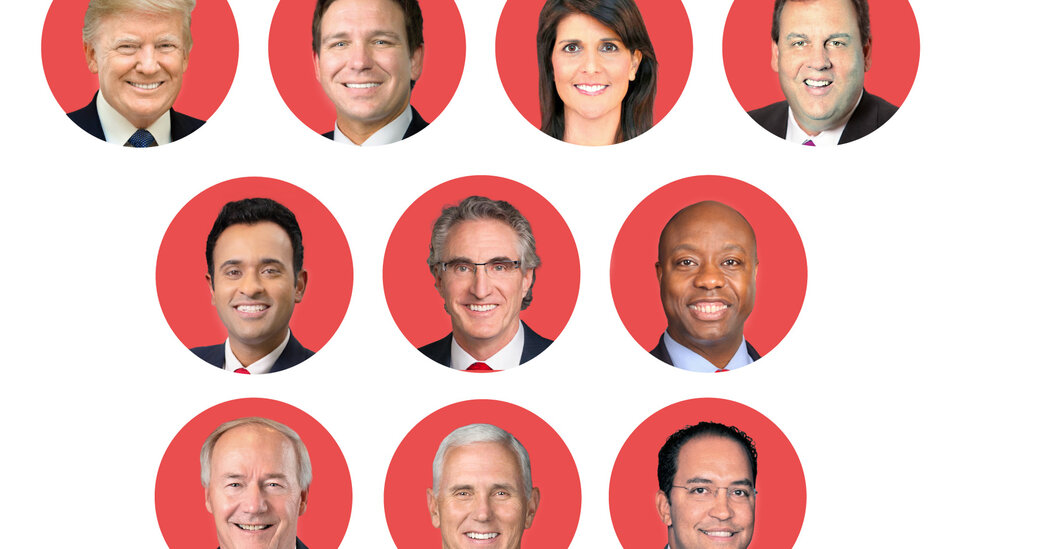
Republican presidential candidates have expressed their support for Israel following the recent Hamas attack, but differ in their long-term policies. Former President Donald Trump criticized both President Biden and Israeli leadership, while Governor Ron DeSantis of Florida called for overwhelming force in response to the attack. Senator Tim Scott of South Carolina described the attack as an assault on Western civilization and falsely claimed that President Biden had funded it. Vivek Ramaswamy suggested phasing out U.S. aid to Israel, prioritizing American interests. Nikki Haley called for providing Israel with whatever support it needs, while former Vice President Mike Pence emphasized the need for global support to crush Hamas.
Israeli intelligence failed to piece together clues about Hamas' large-scale attack due to the complexity of intelligence analysis and the concealment of the plot. Israel's intelligence system consists of Shin Bet for domestic security, Mossad for foreign security, and military intelligence agencies. Unlike the US, Israel lacks an overall intelligence coordinator. The US and Israel have a strong bilateral intelligence relationship, but the US may have shifted its intelligence priorities, leading to a lack of significant intelligence on the Hamas plot.
Former Trump-era adviser to the U.S. ambassador to Israel, Aryeh Lightstone, has called on Michigan Governor Gretchen Whitmer to resign after what he deemed a "fraudulent" response to the recent terrorist attacks on Israel. Lightstone criticized Whitmer for not mentioning Israel in her initial comments and accused her of being a politician rather than a leader. He highlighted that he had hosted Whitmer and others in Israel, where they discussed the U.S.-Israel relationship. Whitmer later made a follow-up post including Israel's name. Lightstone emphasized the need for support for Israel and condemned those chanting "death to Israel" and "death to America." He also refuted reports of division within Israel and stressed the distinction between the side of democracy and the side of animals in the conflict.
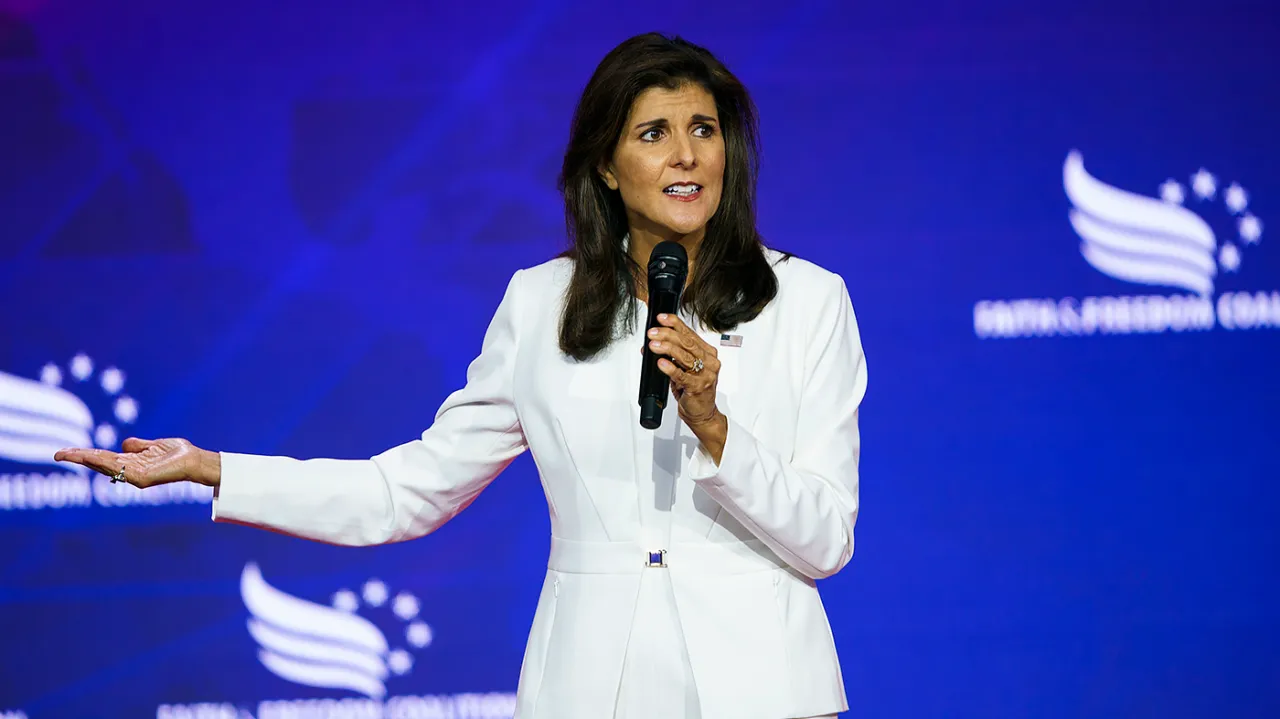
Republican presidential candidate Nikki Haley criticized fellow GOP hopeful Vivek Ramaswamy for expressing support for reducing aid to Israel by 2028. Haley emphasized the importance of the "special bond" between the US and Israel, stating that support for Israel is morally right and strategically smart. Ramaswamy, on the other hand, wants to expand the Abraham Accords to integrate Israel into the rest of the Middle East, believing that additional aid won't be necessary if Israel is more incorporated with its regional partners. Haley argued that Ramaswamy's proposal is part of a pattern of policies that make the US less safe. The criticism comes ahead of the first GOP presidential debate.
Two former U.S. ambassadors to Israel, Dan Kurtzer and Martin Indyk, have called on the Biden administration to cut military assistance to Israel, arguing that it creates a false sense of dependency and distorts Israel's economy. They believe that Israel is financially strong enough to stand on its own and that the U.S.-Israel relationship should be based on a new approach, not centered on foreign aid. This comes at a time when the U.S.-Israel relationship is strained due to disagreements over Israeli policies, and as Democrats become divided over the issue.
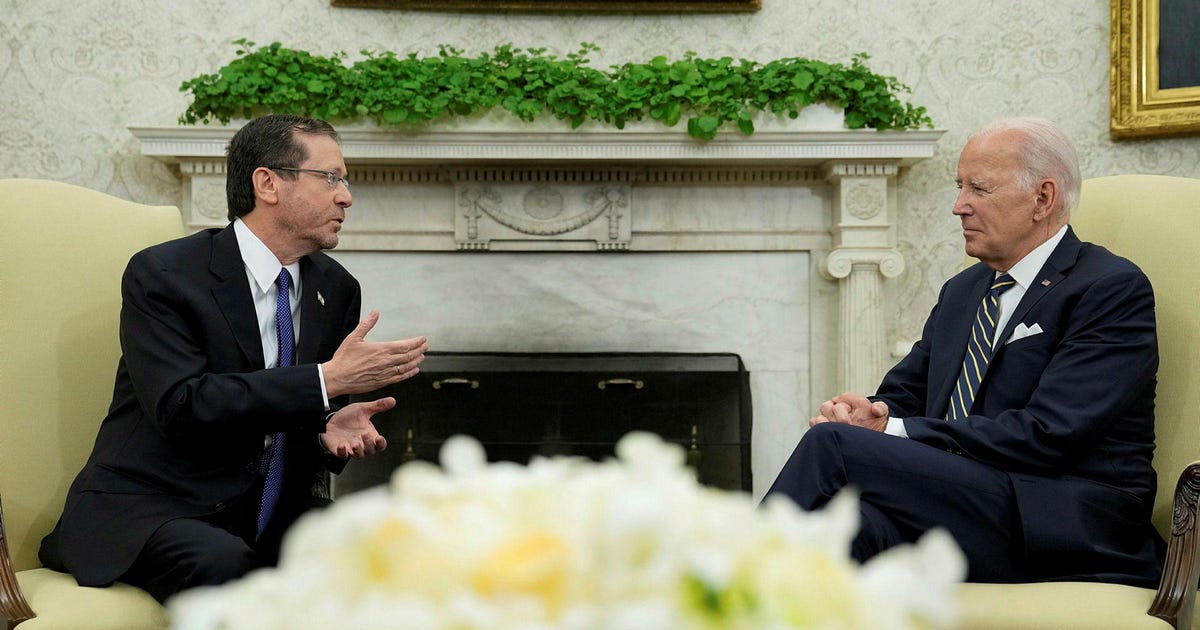
The White House has announced that US President Joe Biden and Israeli Prime Minister Benjamin Netanyahu will "probably" meet before the end of the year, signaling a potential improvement in their strained relationship. While the details of the meeting are still being worked out, it is expected to take place in the autumn in the United States. The lack of a formal White House invitation has previously angered Netanyahu, who has been seeking such an invitation for a long time. Tensions between the two leaders have been fueled by disagreements over judicial reforms, settlement expansions, and what Biden perceives as extremist positions taken by members of Netanyahu's government.
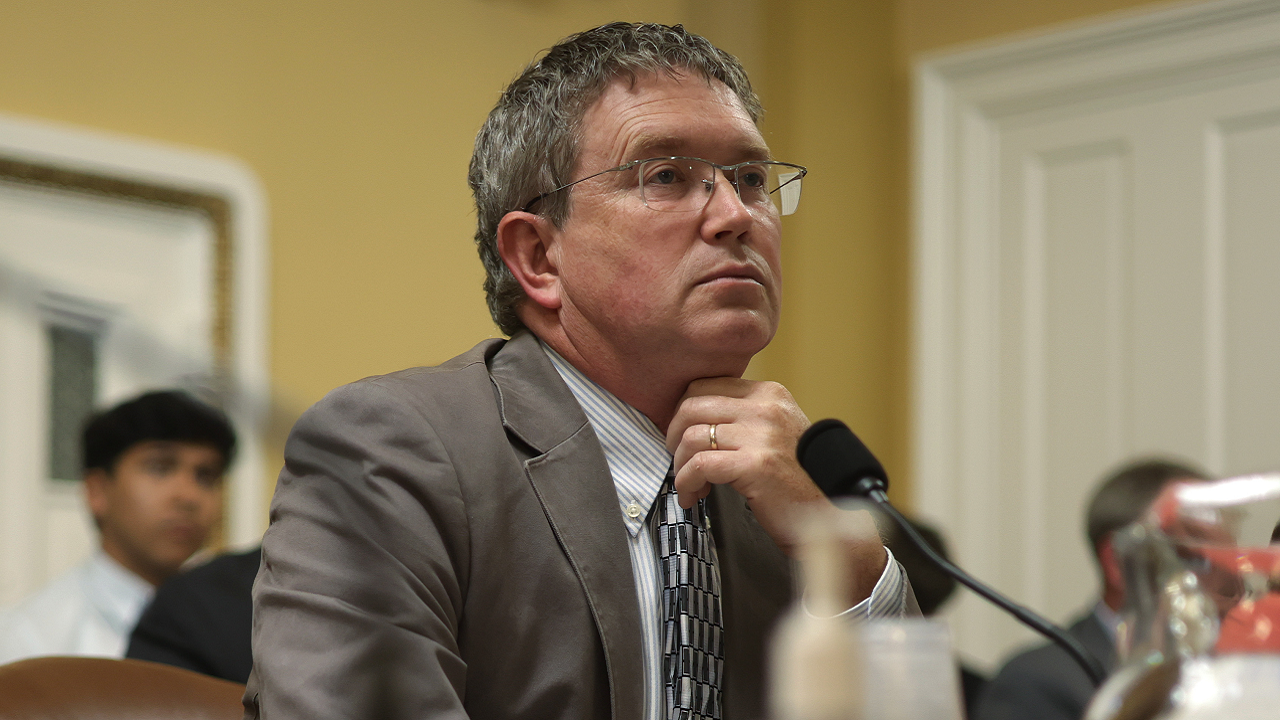
A House resolution celebrating the US-Israel relationship and the expansion and strengthening of the Abraham Accords peace agreements passed with 401 votes in favor, but 18 Democrats and one Republican voted against it. The resolution aims to encourage other nations to normalize relations with Israel and ensure existing agreements reap tangible security and economic benefits. The Democrats who voted nay are members of the Congressional Progressive Caucus, and the lone Republican, Rep. Thomas Massie, said he voted against it because he has consistently voted against foreign aid.
The US House of Representatives passed a resolution expressing support for the US-Israel relationship and the Abraham Accords in a 400-19 vote. The resolution received strong bipartisan support, with 18 Democrats and one Republican voting against it. The resolution did not include support for a two-state solution, which raised concerns among some Democrats. J Street, a left-wing Israel advocacy group, urged congressional offices to sign onto a letter criticizing Israeli judicial reform efforts and expressing support for the Israeli protest movement.