A Pew Research poll shows that nearly 80% of Americans support U.S. colleges accepting international students, with significant political and demographic variations, and some support restrictions on students from certain countries or criticizing U.S. foreign policy.
The US travel ban and visa restrictions on citizens from 19 countries have significantly impacted international students' ability to attend US colleges, causing delays, cancellations, and students seeking alternatives in Europe and other regions, amid broader immigration crackdowns.
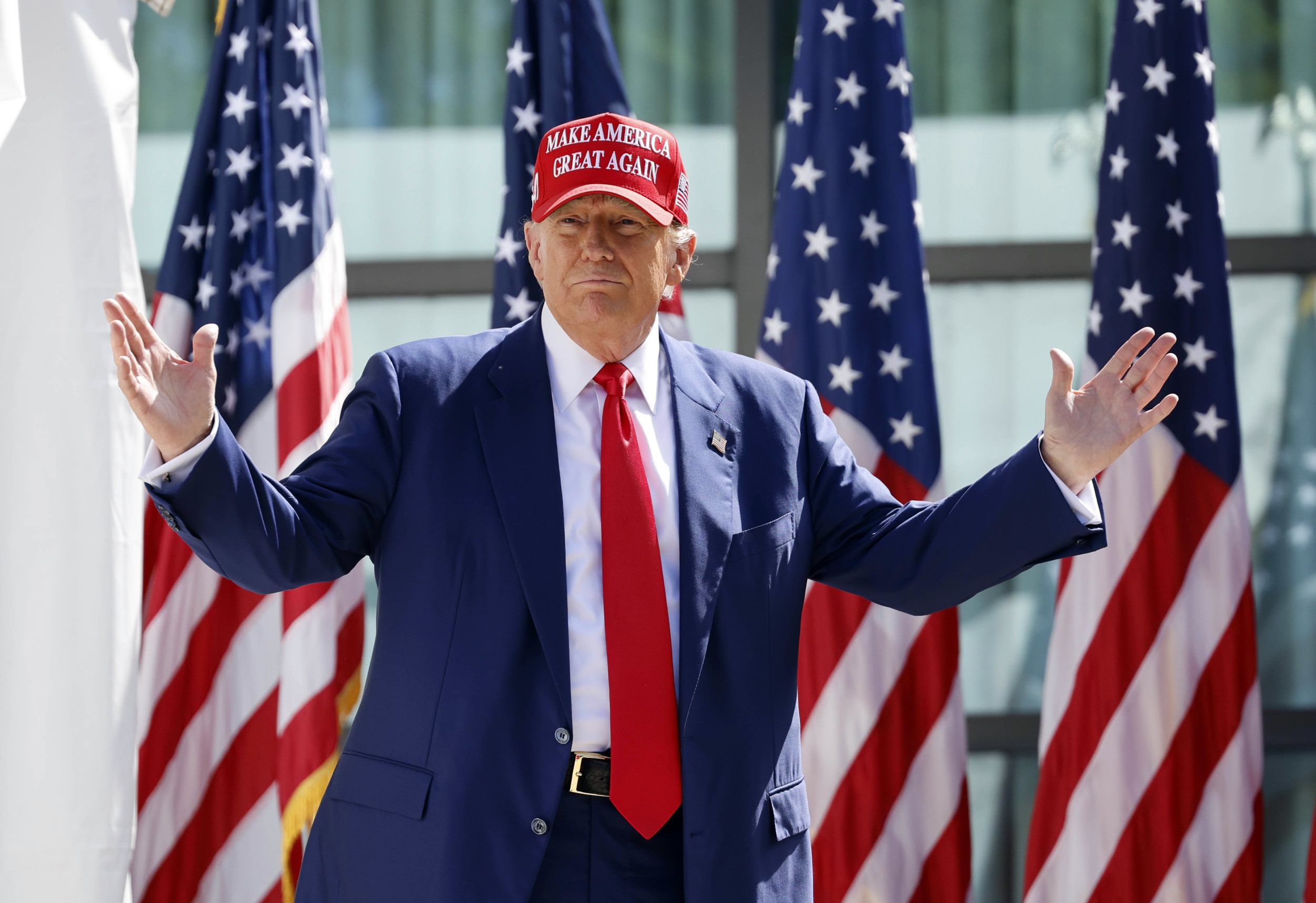
US colleges are advising international students to return to campus before the potential re-election of Donald Trump, due to concerns over stricter immigration policies that could affect student visas and their ability to study in the United States.
US colleges are advising international students to return to campus before Donald Trump takes office, amid fears of his immigration crackdown. Concerns are heightened by Trump's plans for mass deportations and potential visa restrictions, affecting over 400,000 undocumented students in US higher education. Universities like the University of Massachusetts and MIT have issued travel advisories, while students express anxiety over their academic futures and visa statuses.
For the first time since 2009, India has surpassed China as the leading sender of international students to US colleges, with a 23% increase in Indian students last academic year. This contributed to a record high of over 1.1 million foreign students in the US, according to the Institute of International Education.
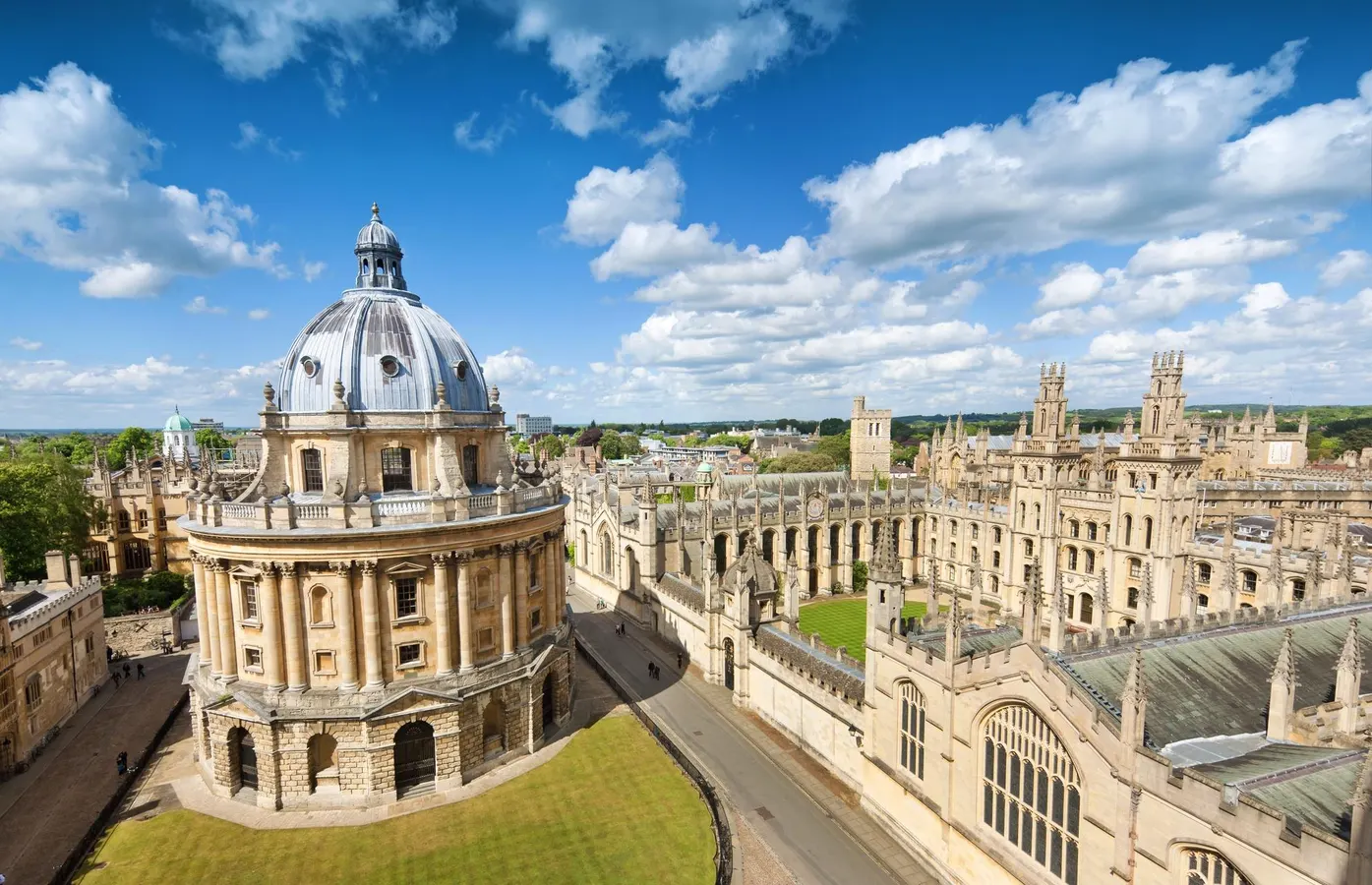
The 2025 cohort of U.S. Rhodes Scholars has been announced, with 32 students selected to attend Oxford University for graduate studies. This prestigious scholarship, established in 1903, covers tuition, fees, and living expenses, with a total value of up to $250,000. This year's scholars come from 20 different U.S. colleges, including first-time recipients from Eastern Mennonite University and Pepperdine University. The selection process emphasizes academic excellence, leadership, and a commitment to social impact.
Donald Trump proposed granting green cards to anyone graduating from a U.S. college, including junior colleges, to retain talented individuals in the country. This policy shift contrasts with his 2016 stance on prioritizing American workers. While some support the idea for easing legal migration, critics argue it could turn universities into immigration centers and harm American workers.
The number of international students attending US universities rebounded last year, with a 12% increase in the 2022-23 academic year, the largest single-year increase in over 40 years. The surge was fueled by a 35% jump in students from India, making it the second-largest source of international students after China. The increase in Indian students reflects a shift in demand, as interest from China has decreased due to chilly international relations and competition from UK and Canadian universities. US colleges have been actively recruiting in India, which is predicted to have the world's largest population this year. Graduate programs, particularly in math and computer science, saw the most growth, while undergraduate numbers increased slightly. The rebound in international enrollment is expected to continue, with an 8% increase this fall.
The Wall Street Journal has released its annual rankings of U.S. colleges offering the best value, taking into account factors such as tuition costs, financial aid, graduation rates, and post-graduation earnings. The rankings aim to help students and families make informed decisions about higher education options that provide a good return on investment.