Stock markets showed cautious optimism ahead of the US employment report, with bonds rebounding and stocks reaching record highs, amid concerns over US hiring slowdown, fiscal policy, and interest rate outlooks.
Global investor skepticism towards long-term US government debt is turning a routine bond auction into a critical market test, with rising yields and weak demand reflecting concerns over US fiscal health and political influences, especially for 30-year bonds, amid broader global debt issues.
The US dollar declined to a three-year low amid weak manufacturing data and concerns over debt sustainability, while US bonds faced pressure and metals prices surged following increased tariffs on steel and aluminium imports.
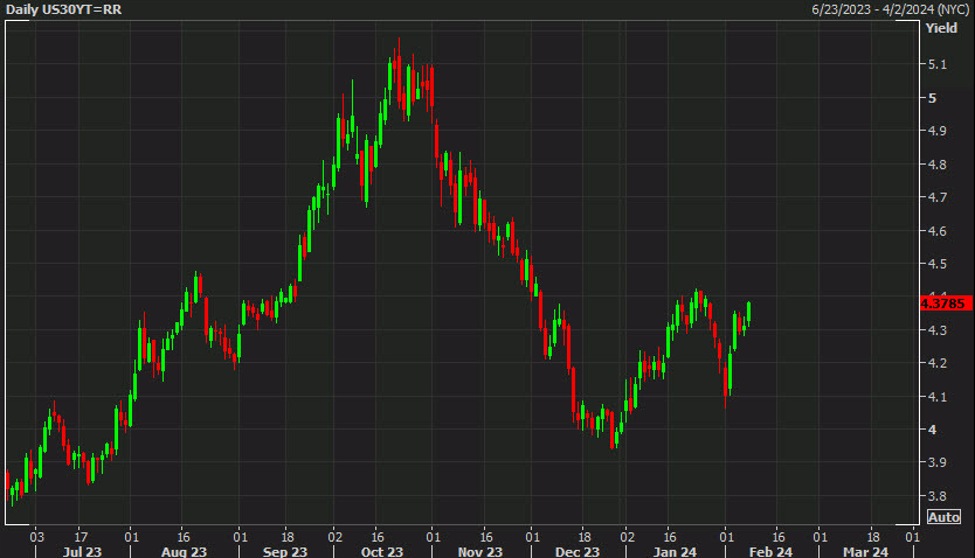
The US sold 30-year bonds at a yield of 4.360%, slightly lower than the 4.380% when-issued yield, indicating strong demand for the long-dated debt despite concerns about rising interest rates.
The debt ceiling crisis is causing short-term costs for insuring U.S. bonds to skyrocket, and repeated flirtations with debt default are already having subtle negative long-term effects in global markets. The $30 trillion market for credit default swaps is indicating that the debt ceiling standoff is truly serious. The cost of insurance for U.S. bonds over the next 12 months is about 50 times the price for Germany and about three to seven times that of countries like Bulgaria, Croatia, Greece, Mexico, and the Philippines. The United States is the core of world finance, but its periodic flirtations with debt default are putting it at a long-term competitive disadvantage.