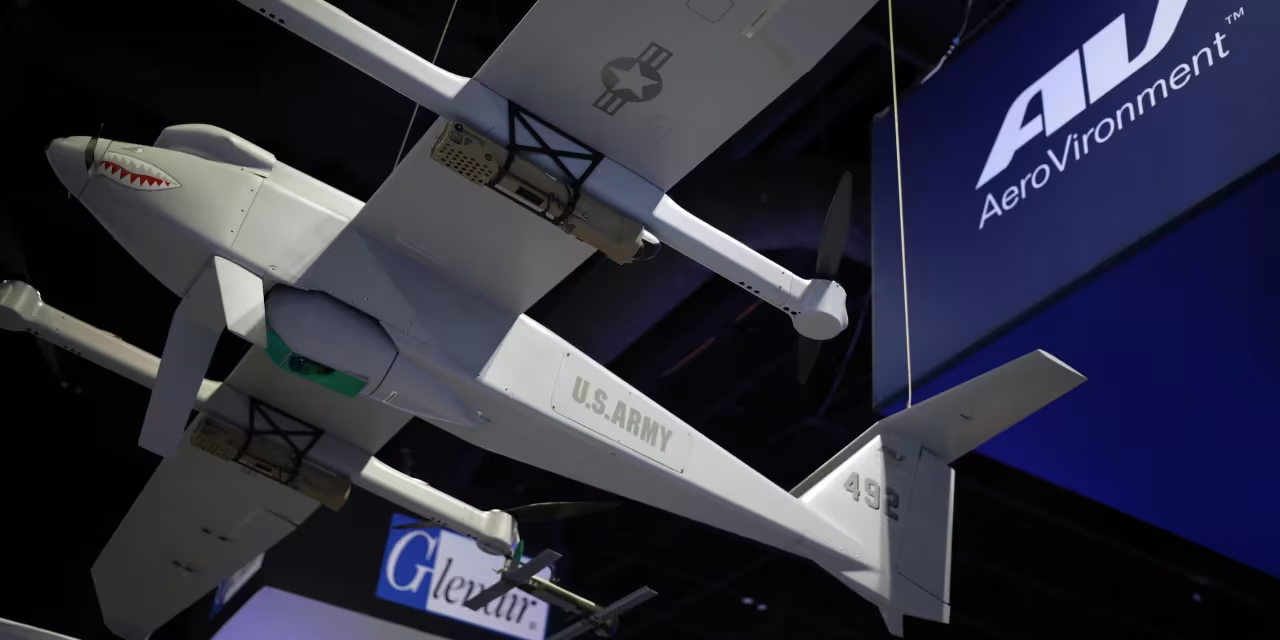
Ondas Inc. announced it will acquire UK-based Rotron Aero to broaden its long-range unmanned systems, autonomous strike platforms, propulsion, and command-and-control capabilities, expanding its UK/NATO presence and enabling a system-of-systems approach that combines Rotron platforms with Ondas’ autonomy software for end-to-end, scalable defense solutions. The deal, funded by cash and stock, is subject to customary closing conditions and regulatory approvals.
Chinese leader Xi Jinping expanded purges within the PLA, reducing the Central Military Commission to two members and centralizing command, raising concerns about military miscalculation. The US 2026 National Defense Strategy de-emphasizes direct competition with China and emphasizes burden-sharing to bolster Indo-Pacific defenses, a stance Beijing may read as space to press its regional aims. Taiwan is pushing defense hardening through private-public partnerships, a U.S.-backed Joint Firepower Coordination Center, and an integrated air-and-missile defense network, while its domestic politics shape spending. The PLA is advancing unmanned systems for amphibious operations, including UAVs, USVs, and upgraded bombers/missiles to complicate U.S. naval power. Regional dynamics span Japan, South Korea, the Philippines, and Europe, with travel advisories, economic coercion, espionage cases, and diplomatic tensions influencing cross-strait dynamics. TikTok’s US joint venture aims to localize data and retrain its algorithm amid ongoing security scrutiny.]
Red Cat Holdings released preliminary unaudited revenue for Q4 2025 of $24.0–$26.5 million and full-year 2025 revenue of $38.0–$41.0 million, representing roughly 1,842% YoY growth in Q4 and about 153% YoY for the full year, with results subject to audit adjustments. CEO Jeff Thompson attributed the performance to strong defense and government demand, expanding program wins, and rapid production scaling, signaling continued growth in 2026 as pipeline and operating leverage improve. The release contains forward-looking statements and is not final until completed through annual closing procedures.}{
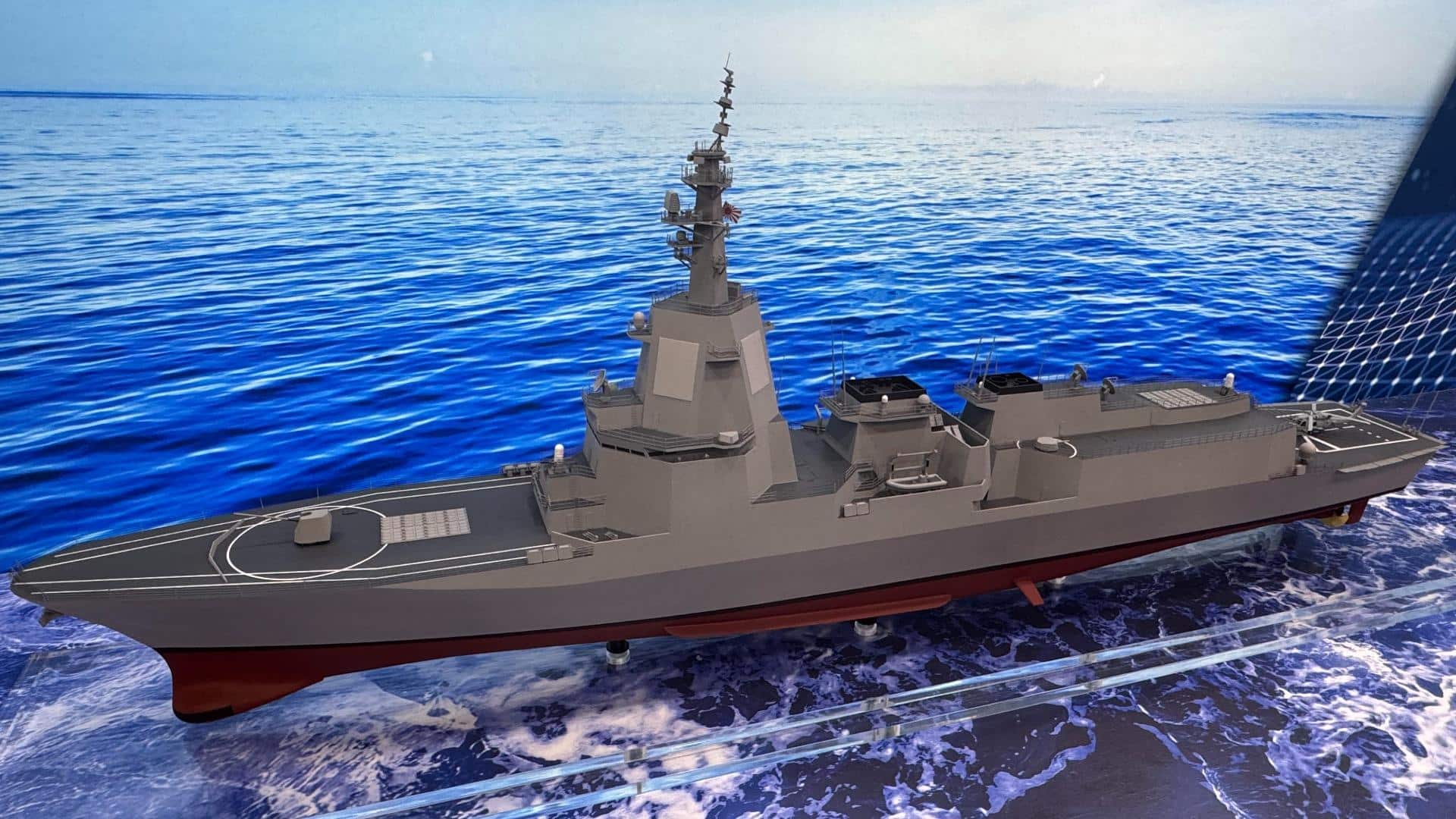
Japan's cabinet approved a record $58 billion defense budget for 2026, focusing on modernizing its military with new ships, submarines, UAVs, missile systems, and modifications to existing carriers, amid increasing threats from neighboring nuclear powers and U.S. support.
Drone stocks surged after Defense Secretary Pete Hegseth announced plans to boost American drone manufacturing and usage, emphasizing unleashing drone dominance and rescinding restrictive policies, which benefited smaller drone companies despite no immediate gains for large defense contractors.
Navy Rear Adm. Kevin Smith was dismissed from his role as the program executive officer for unmanned and small vessels following an investigation by the Office of the Naval Inspector General, due to a misconduct complaint. He has been temporarily reassigned, and his office is now led by Melissa Kirkendall.
Facing manpower shortages and uneven international assistance, Ukraine is leveraging domestic innovation to create a low-cost robot army to combat Russian forces. Defense startups, like Andrii Denysenko's UkrPrototyp, are producing affordable unmanned ground vehicles and drones, such as the Odyssey, to support military operations. The Ukrainian government is also encouraging citizens to build aerial drones, aiming to produce a million annually. However, the proliferation of low-cost, AI-enabled drones raises ethical concerns and calls for regulation from international rights groups and experts.
Ukrainian defense startups are creating low-cost robots and unmanned vehicles to gain a strategic edge against Russia. These innovations, produced in secret workshops, include ground vehicles like the Odyssey, which can be assembled for a fraction of the cost of imported models. The Ukrainian military is integrating these technologies to save lives and enhance battlefield logistics, while international experts express concerns over the proliferation and ethical implications of autonomous weapons.
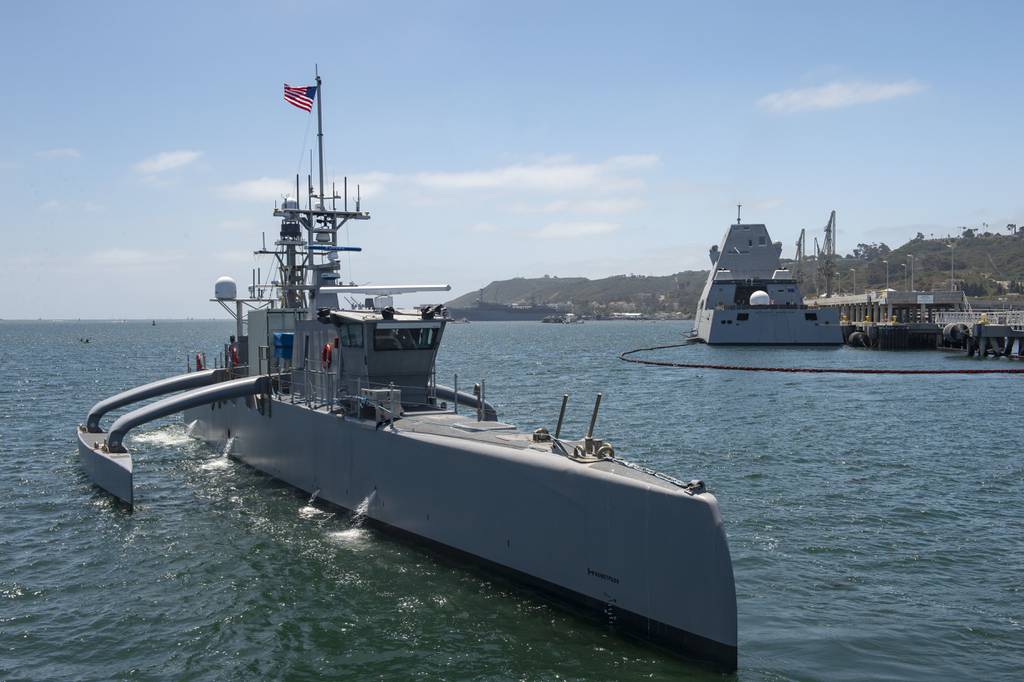
The U.S. Navy is postponing the development and purchase of large unmanned systems and next-generation ships and planes in fiscal 2025 due to spending caps, prioritizing current operations and personnel, small unmanned systems, and the Replicator program. The budget request for FY25 seeks six ships instead of seven, with reduced research and development and military construction spending. The Navy is facing unexpected costs from ongoing operations in the Middle East and is concerned about potential future conflicts, leading to the postponement of big-ticket items and a focus on smaller systems.
Adm. Lisa Franchetti is optimistic about the Navy's ability to operate a manned-unmanned fleet within the next decade, citing ongoing prototyping and experimentation with unmanned systems in various fleets. The Navy aims to incorporate unmanned systems into real-world operations in three phases, with a fully operational unmanned fleet expected in the next decade. Franchetti also highlighted the Navy's focus on infrastructure, networks, and enablers for future unmanned operations, as well as the incorporation of emerging technologies to enhance combat capabilities.
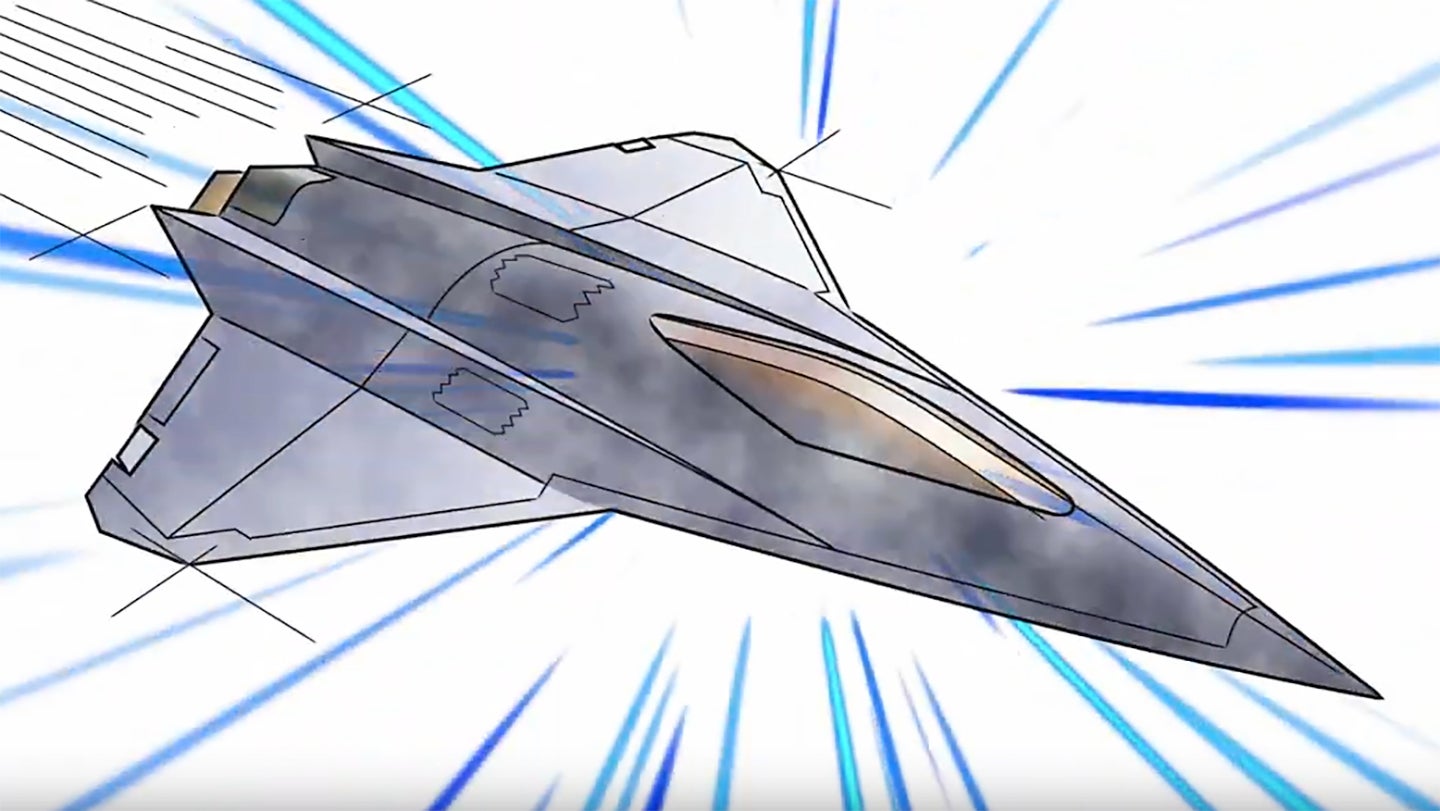
Lockheed Martin's Skunk Works has released a new ad showcasing a tailless manned tactical jet concept as part of its 80th-anniversary celebration. The design aligns with the Next Generation Air Dominance (NGAD) initiative and features a similar wing shape and planform as previous NGAD-related posts. The ad also hints at a potential two-crew configuration, highlighting the focus on automation and artificial intelligence in NGAD. Additionally, the video reveals a faceted flying wing unmanned combat air vehicle (UCAV)-like design, emphasizing Lockheed's commitment to next-generation unmanned systems. While these concepts offer insights into Skunk Works' future plans, they may not accurately represent the finalized NGAD product or other classified projects.
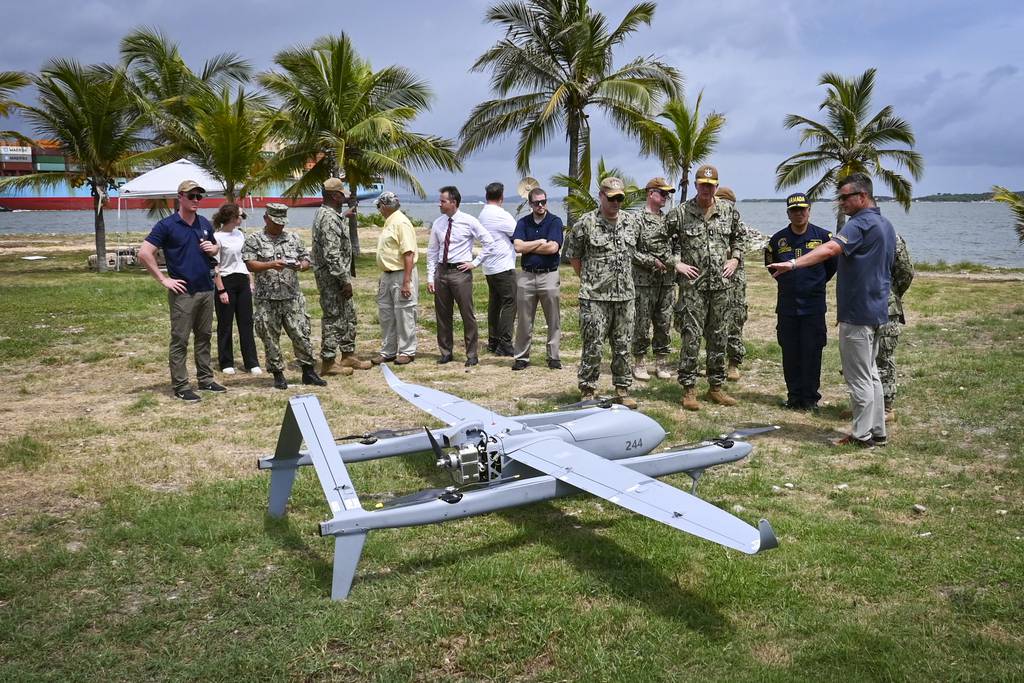
The US Navy has successfully integrated air and surface drones into its recent naval exercise near Latin America, marking the first major event since the announcement of the region hosting the Navy's second unmanned operations hub. The use of unmanned systems aims to enhance maritime domain awareness, detect potential issues like illegal fishing and trafficking, and support crewed ships and aircraft in responding to such challenges. The integration of unmanned systems provided surveillance, range clearance, target identification, and battle damage assessment during the exercise. The Navy plans to continue using these systems in future operations and exercises in the Caribbean and Eastern Pacific Ocean.