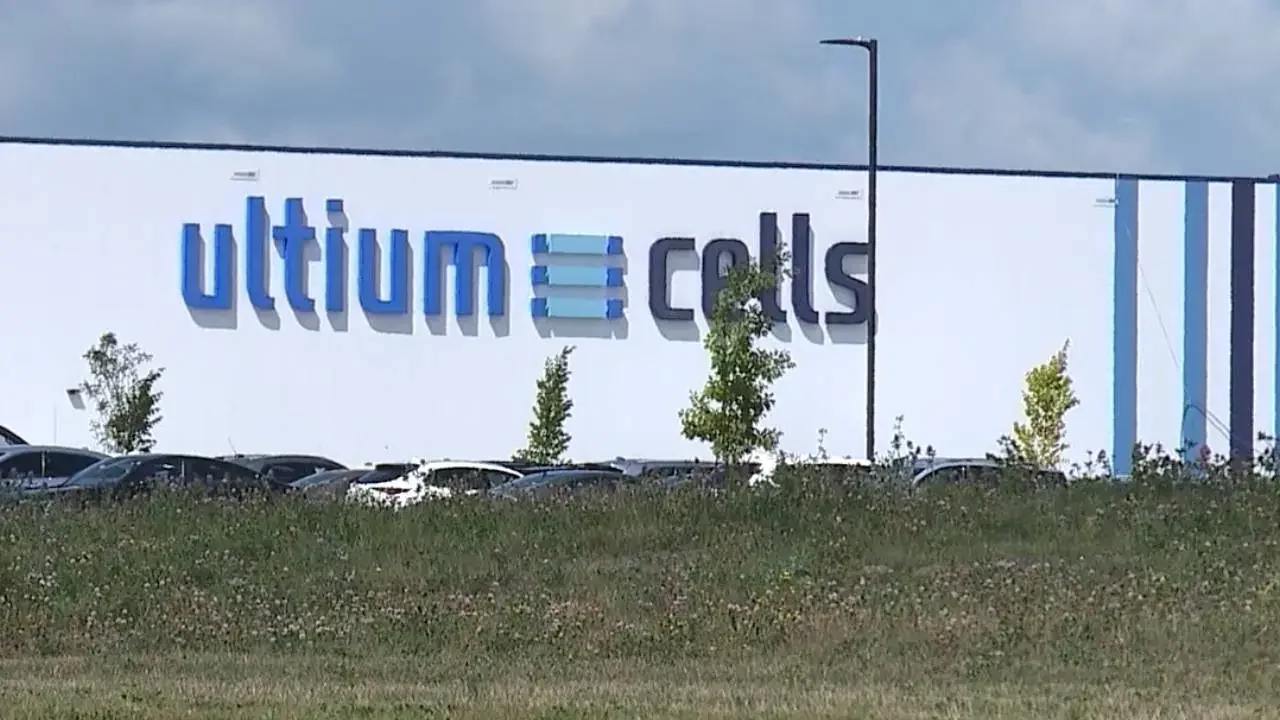
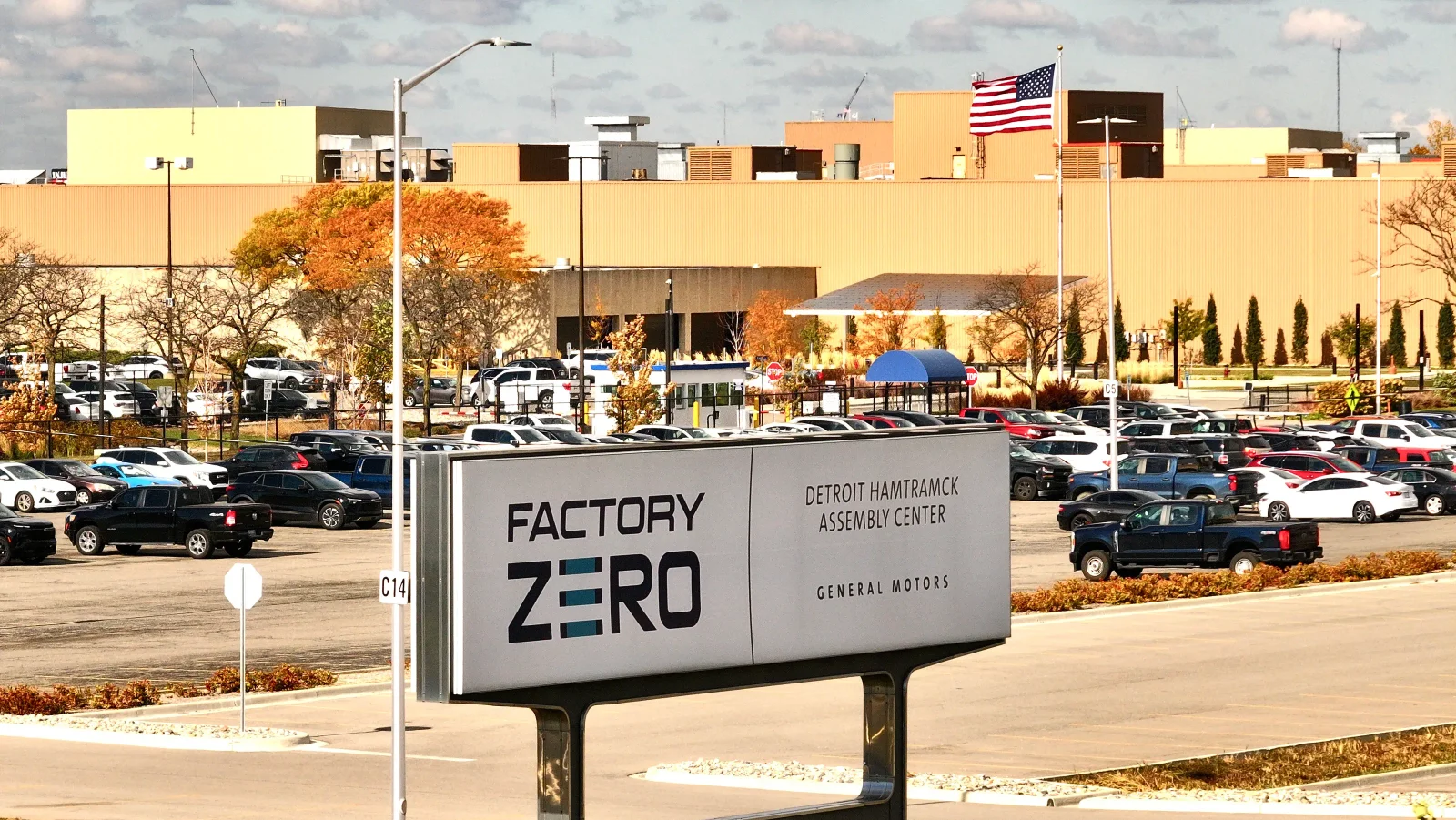
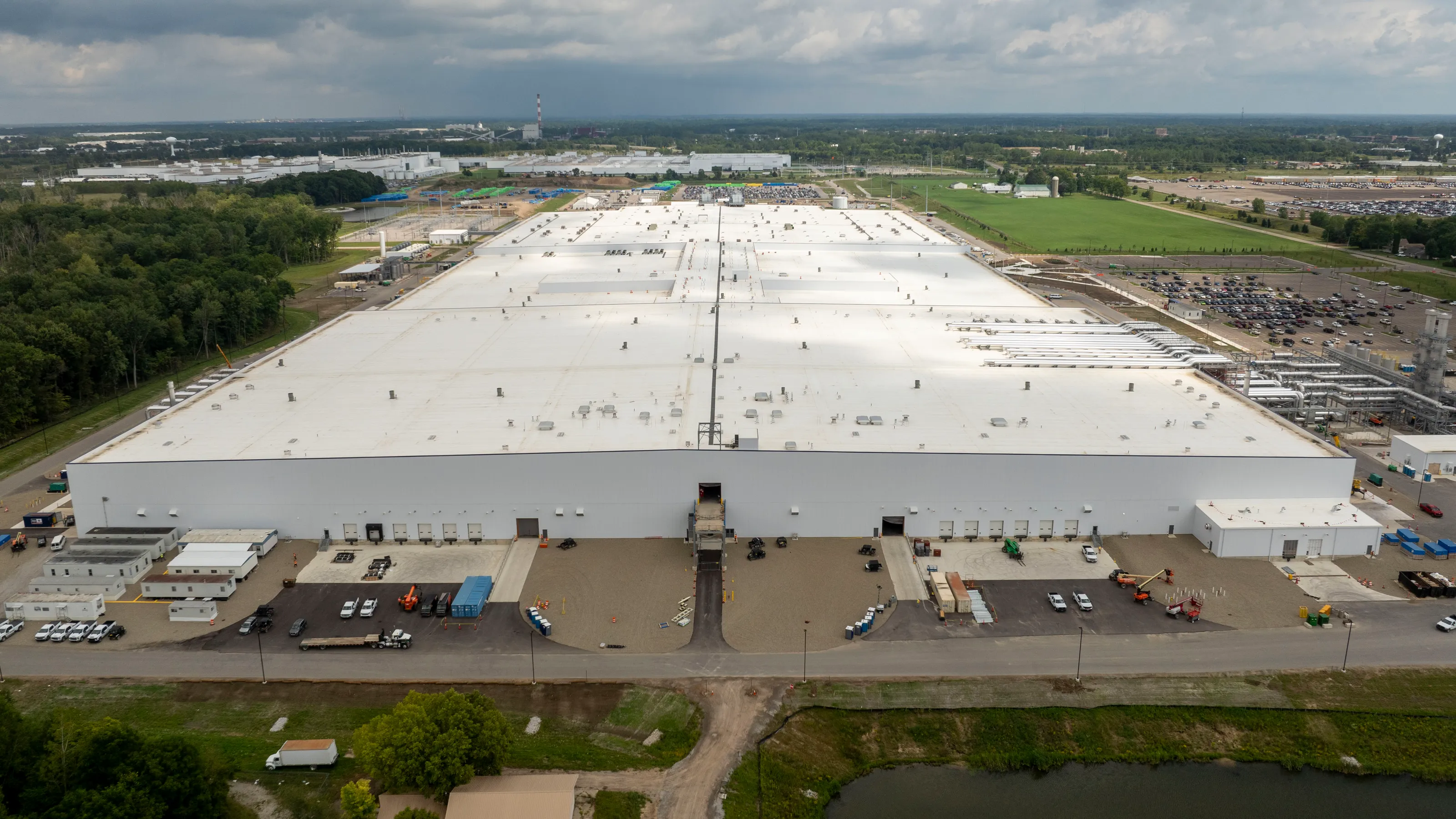
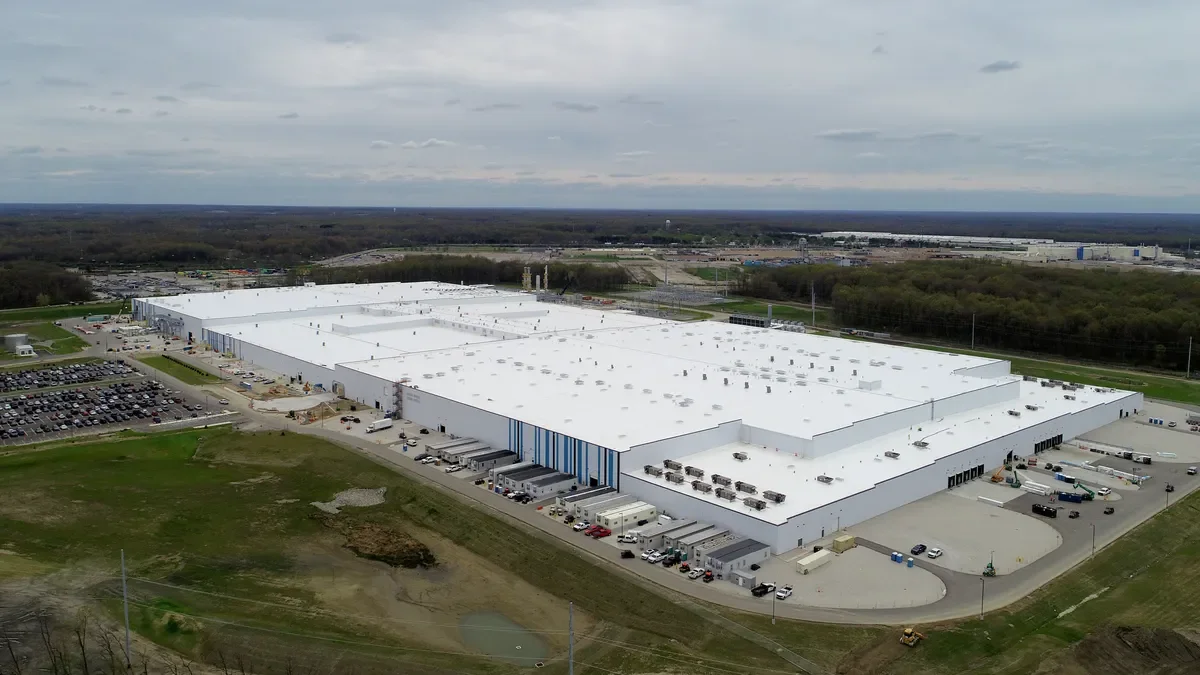
General Motors is planning to lay off over 1,300 employees starting January 5, including many at the Ultium Cells battery plant in Lordstown, due to production adjustments following slower EV sales, with some layoffs being temporary while the company upgrades the facility.
General Motors is reducing its workforce by approximately 1,200 jobs at its Detroit EV plant and making additional cuts at battery plants in Ohio and Tennessee due to a slowdown in the U.S. electric vehicle market.
General Motors laid off over 1,700 workers in Michigan and Ohio due to a slowdown in the electric vehicle market, with plans to temporarily pause battery production at Ohio and Tennessee sites for upgrades, aiming to resume by mid-2026.
General Motors (GM) is selling its stake in the Ultium Cells LLC electric vehicle battery factory in Delta Township, Michigan, to its partner LG Energy Solution. The factory, heavily subsidized by Michigan with nearly $200 million in public funds, was intended to make the state a hub for the EV industry. Despite delays and questions about the project's value, the factory is nearing completion and will be operated by LG Energy Solution. GM's decision comes amid broader challenges in the EV market and as it seeks additional tax incentives for other projects.
General Motors is selling its stake in the Ultium Cells battery plant in Lansing to LG Energy Solution, aiming to recoup $1 billion and improve capital efficiency in its electric vehicle operations. This move does not affect GM's ownership in other Ultium battery plants or its joint venture with Samsung SDI. The Lansing plant, expected to open in late 2024, will be used by LG to meet new customer demands. GM and LG are also extending their partnership to develop prismatic cell technology.
United Auto Workers President Shawn Fain urges GM members to ratify the tentative agreement, highlighting its significance in securing a better economic future for the working class. The agreement includes wage increases, the inclusion of new groups of workers, such as union-represented salaried workers and those at new battery plants, and the right to strike over plant closures. It also brings Ultium Cells employees under the national agreement, providing them with better wages and benefits. The agreement commits GM to over $11 billion in additional manufacturing investments, primarily for electric vehicle production. Fain addresses concerns about higher car prices, attributing them to corporate greed rather than worker wages.
General Motors (GM) and the United Auto Workers (UAW) have reached a tentative agreement after weeks of contract negotiations. The deal, which includes wage increases and the reinstatement of cost-of-living adjustments, matches the financial terms of the agreement reached with Ford Motor Co. and Stellantis. The main issue that was holding up the deal was how to include GM's joint-venture battery plants in the master labor contract between GM and UAW. The agreement will allow the joint-venture workforce to vote on unionizing future plants and decide if they want their own contract or to be part of the master contract. A UAW National GM council vote is expected later this week.
Ultium Cells and the United Auto Workers (UAW) have reached a tentative agreement to provide wage increases of over 20% to workers at Ultium's battery plant in Warren, Ohio. The agreement, subject to ratification by UAW members, would take effect on August 28. Ultium, a joint venture between General Motors and LG Energy Solution, stated that the wage increase is a first step and negotiations for a comprehensive contract are ongoing. The UAW, which has been advocating for higher wages, called the agreement a "breakthrough" and will continue to bargain for further increases. The Warren plant is the first of three Ultium Cells facilities planned and the first UAW-organized battery plant.