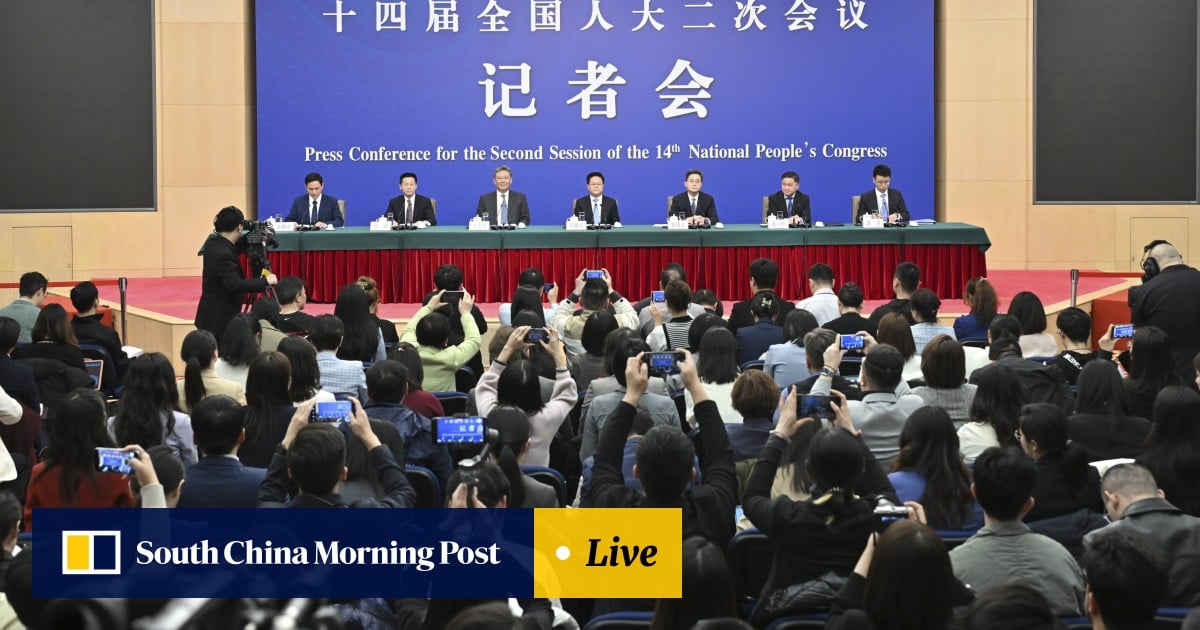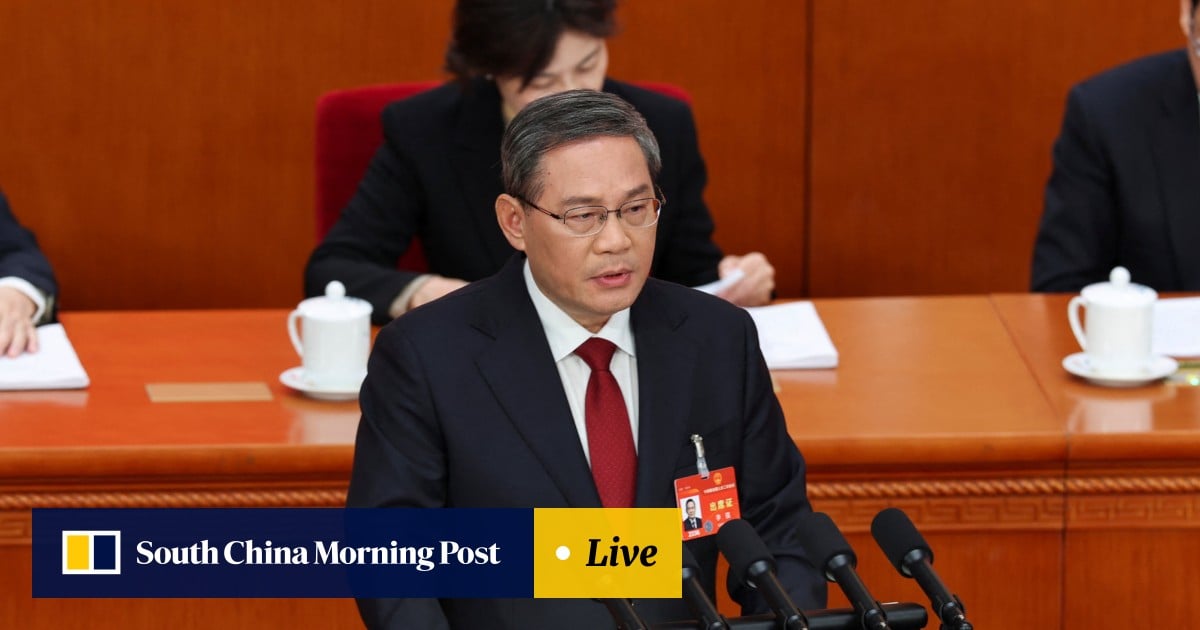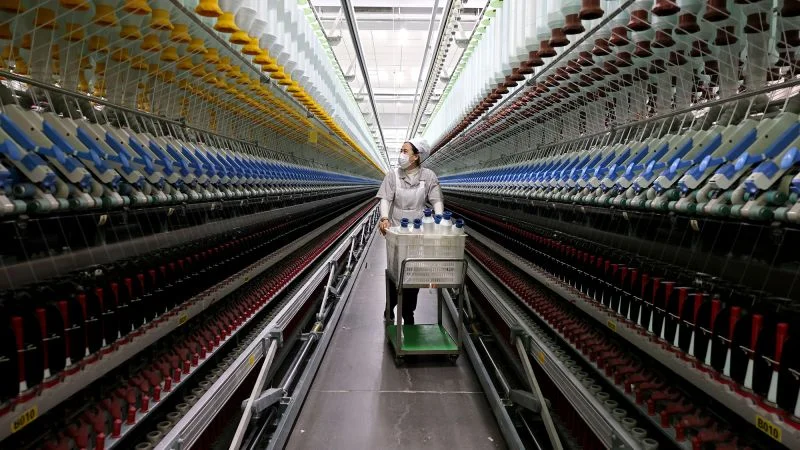
China's Premier Li Qiang's surprise absence from the traditional press conference during the "Two Sessions" annual gathering has raised concerns among investors amid the country's post-pandemic economic slowdown. This move, unprecedented in over three decades, comes as China's top advisory body and legislature set state and spending priorities for the next few years. With declining foreign investment, concerns over transparency, and a slowing housing market, some experts advise against investing in China. The Two Sessions are closely watched for signals on Beijing's power dynamics and economic strategies, with Premier Li announcing a GDP growth target of around 5 percent for the coming year.
During China's annual "two sessions," Beijing defended its realistic GDP growth target of around 5% for 2024 and vowed to crack down on financial market irregularities. However, questions persist on how the government will tackle issues such as the property crisis and local government debt woes facing the country's economy.
Premier Li Qiang sets China's GDP target at around 5% for the year during the 'two sessions' 2024, addressing concerns about the country's economy following market slides and faltering growth figures last year. The meeting will also cover foreign policy, social issues, and approach towards Hong Kong and Taiwan.
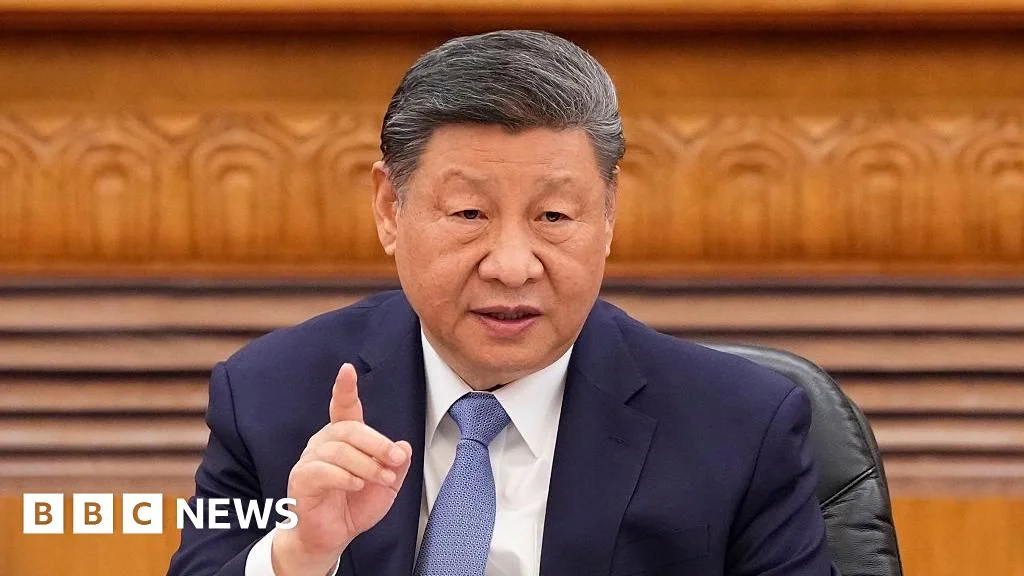
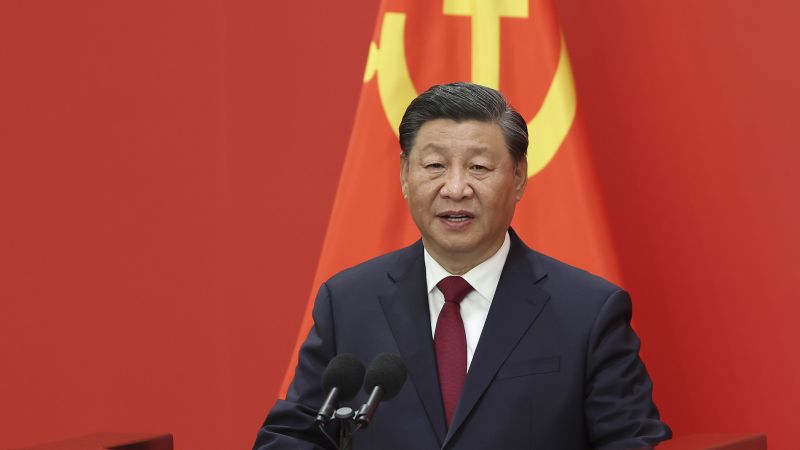
China's "two sessions" political gathering has commenced in Beijing, with leaders aiming to address economic concerns and project confidence amid challenges such as a property sector crisis, local government debt, deflation, stock market turmoil, and US tech friction. President Xi Jinping and his team face growing skepticism about their leadership as economic pain and political shakeups persist. The gathering provides a platform for China to announce key indicators and policies, but Xi's power remains secure despite eroding public trust in the leadership's ability to deliver higher growth. Policymakers, investors, and global observers are closely monitoring the event for signals on China's economic direction and its impact on the global economy.
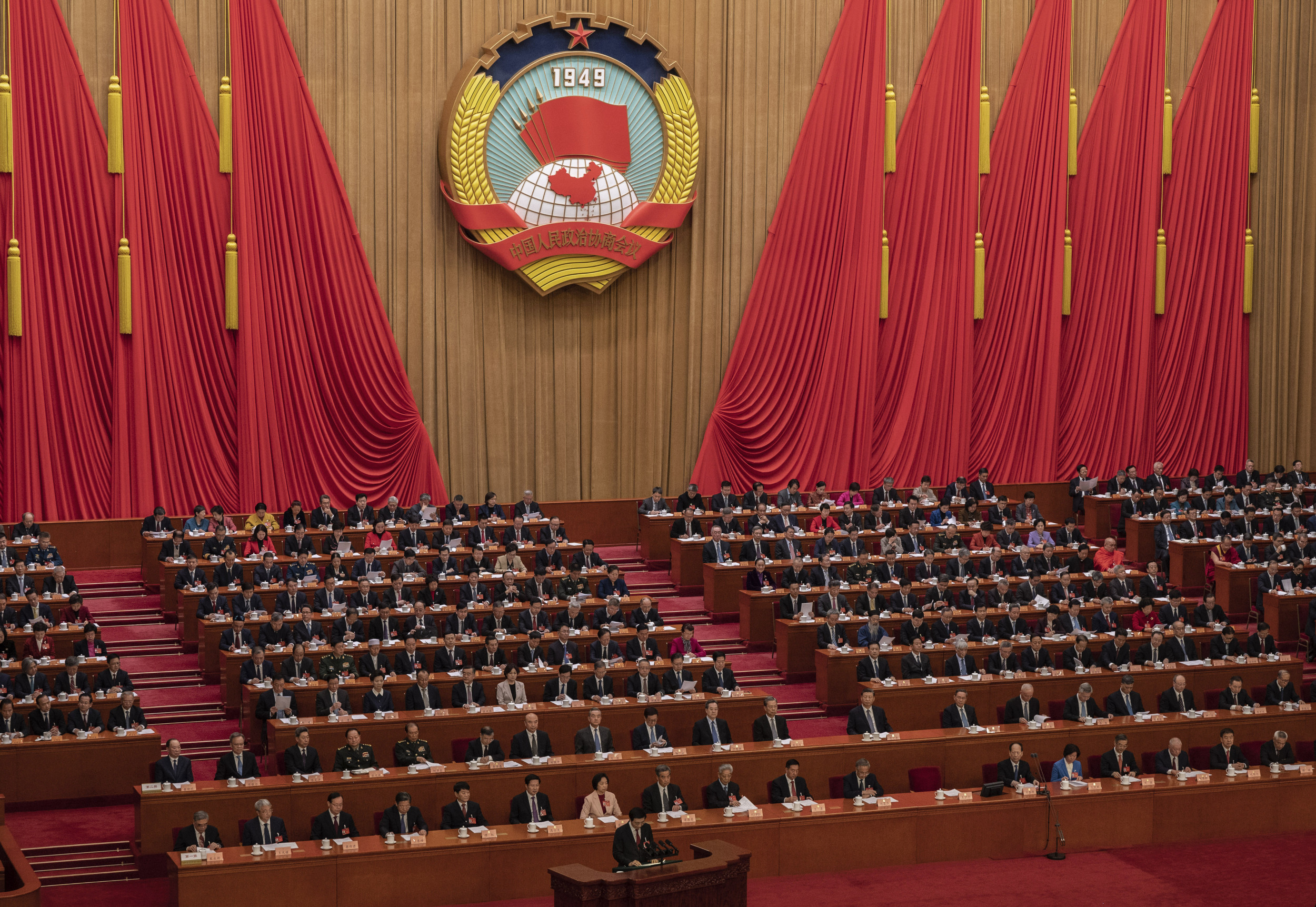
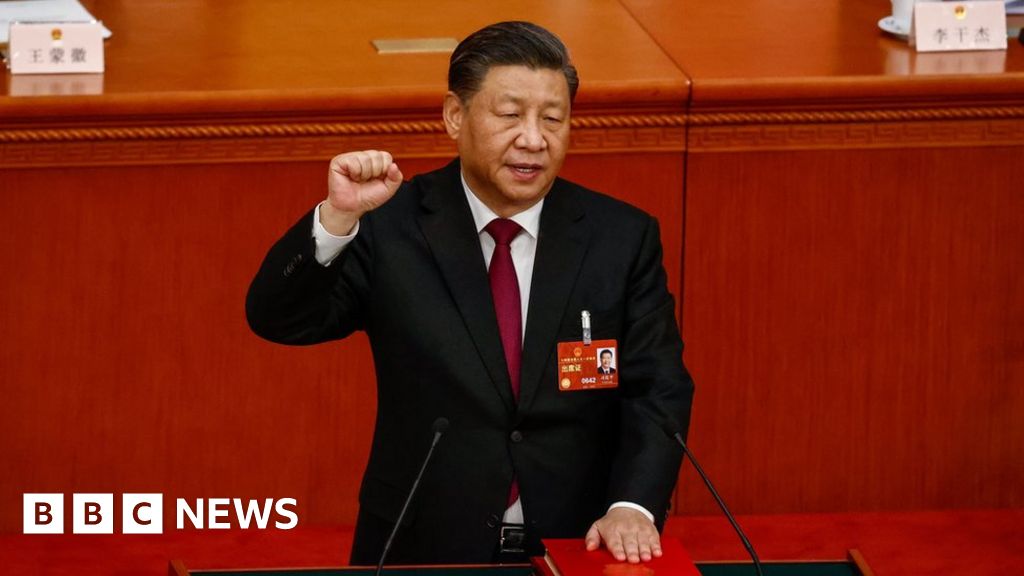
The National People's Congress in China is set to convene, with thousands of delegates expected to gather to rubber-stamp decisions already made behind closed doors. The focus will be on potential changes in the official Party line and what they might mean for China and the world, particularly in the midst of economic challenges such as a real estate crisis, high youth unemployment, and local government debt. President Xi Jinping's emphasis on "new productive forces" and technological innovation may signal a turning point for the Chinese economy, but the Congress is expected to be highly choreographed, with limited room for dissent.