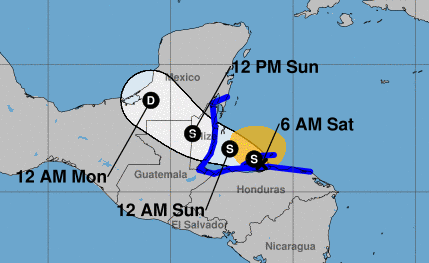
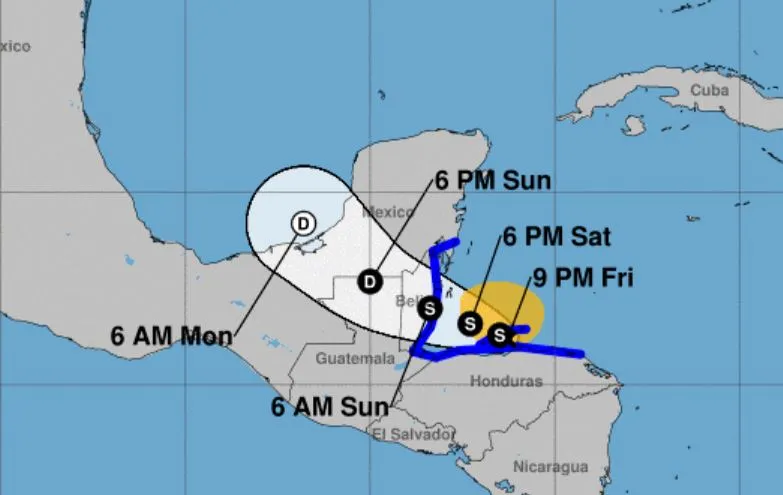
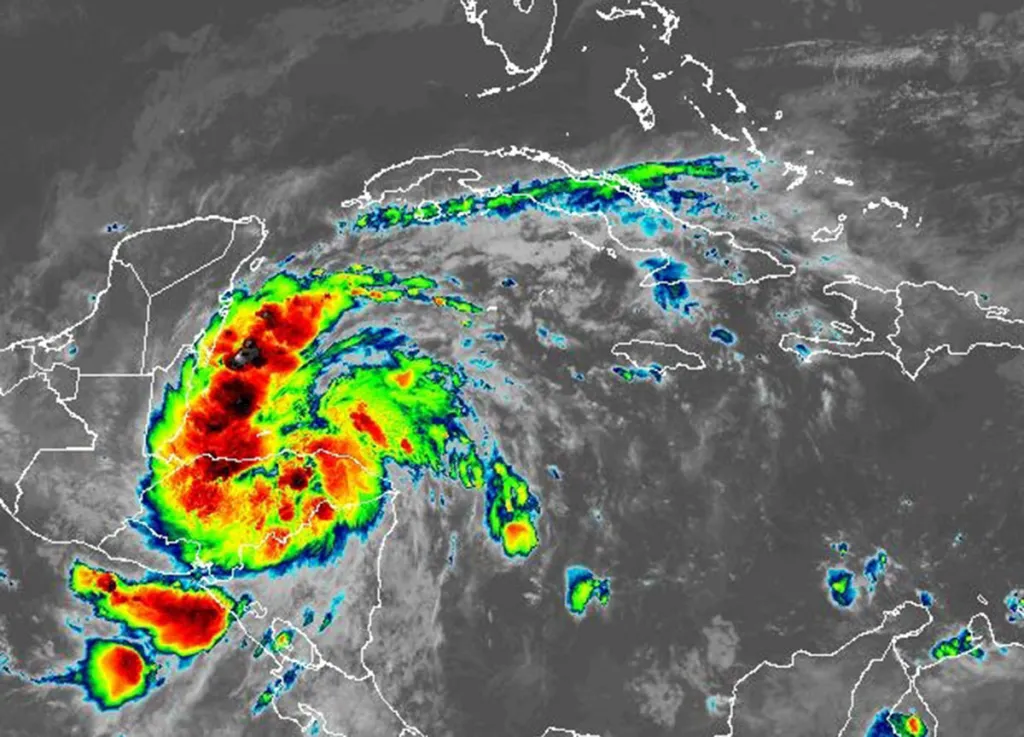
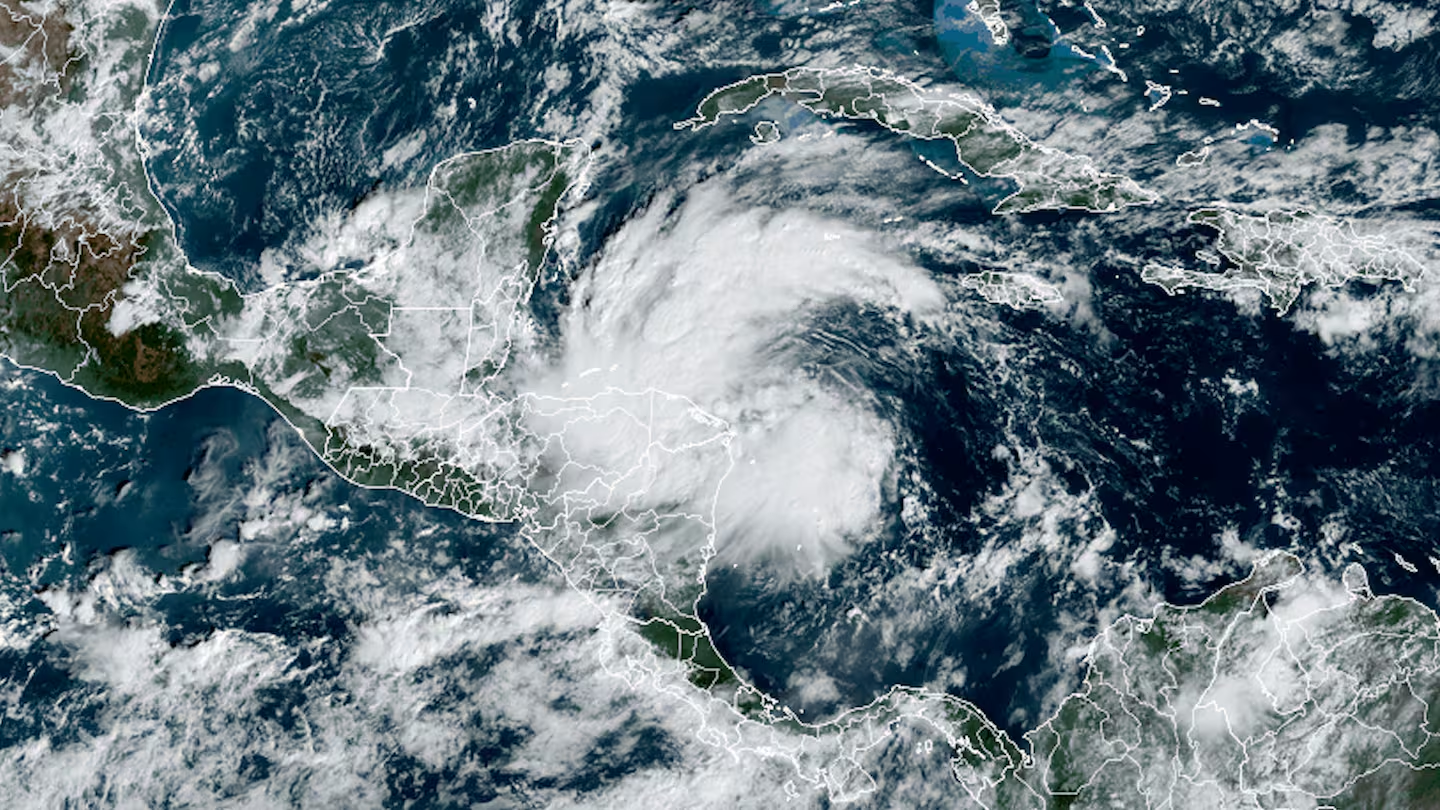
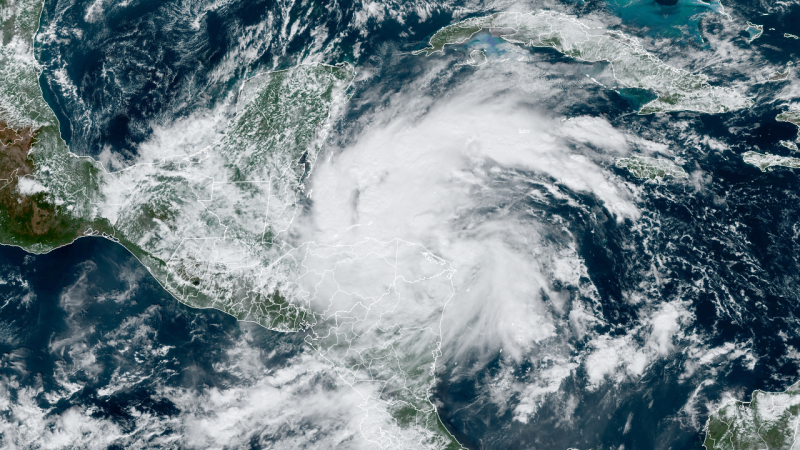
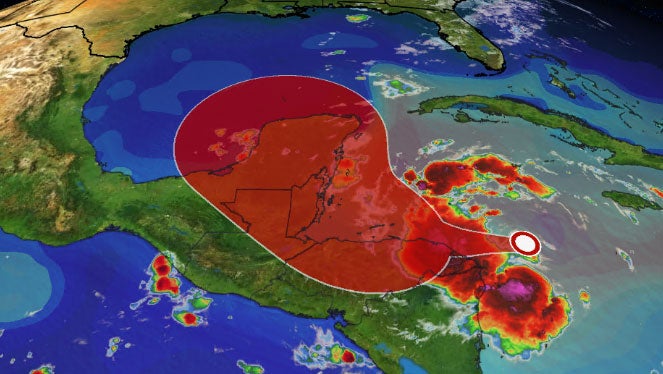
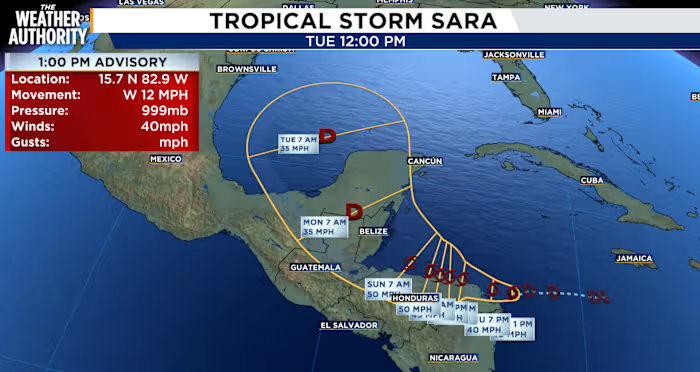
Tropical Storm Sara has stalled near Honduras and is expected to weaken and dissipate as it moves across Mexico's Yucatan Peninsula this weekend, posing no threat to Florida or the U.S. coast.
Tropical Storm Sara has stalled near Honduras and is expected to weaken and dissipate as it moves across Mexico's Yucatan Peninsula, posing no threat to Florida or the U.S. coast.
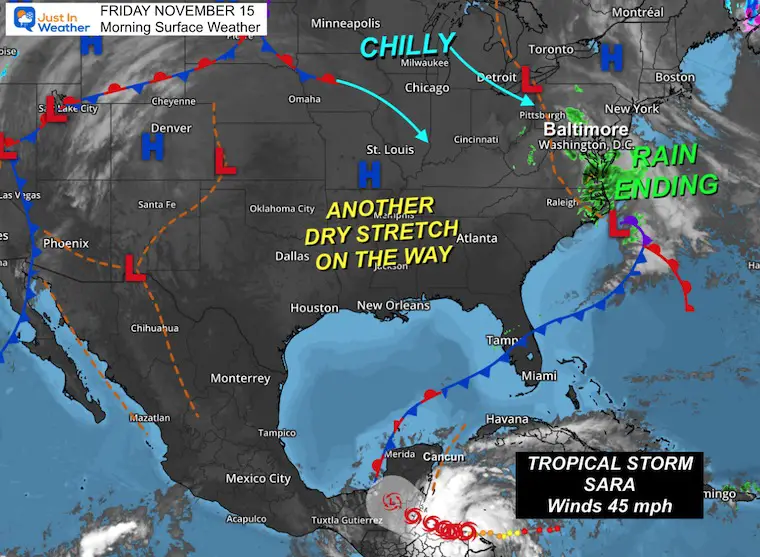
The recent rain in Baltimore was insufficient to alleviate the ongoing drought, with the region remaining significantly below average rainfall. The weekend will be cool and dry, with mild weather expected into next week before rain and the first mountain snow arrive midweek. Tropical Storm Sara is causing severe flooding in Central America but is expected to dissipate inland, reducing the threat to Florida. A colder weather pattern is anticipated to set in by Thanksgiving.
Tropical Storm Sara has become less organized as it moves over Nicaragua and Honduras, heading towards the Yucatan Peninsula. The NBC2 First Alert Hurricane Tracking team is closely monitoring the storm's progress as it moves north towards the Gulf of Mexico. For the latest updates, including maps, models, and forecast cones, visit NBC2's website.
Tropical Storm Sara is expected to weaken as it moves over Central America this weekend, potentially dropping up to 30 inches of rain in northern Honduras and causing flash floods and mudslides. The storm is forecast to lose its tropical status over land but may reemerge as a remnant low in the Gulf of Mexico, possibly affecting Florida with increased rain by midweek. Despite the moisture, conditions are not favorable for redevelopment into a tropical system. This marks the 18th named storm of the 2024 Atlantic hurricane season.
Tropical Storm Sara has formed over the western Caribbean Sea and is expected to bring potentially catastrophic flooding to Central America, including Honduras, Belize, El Salvador, and Guatemala, with up to 30 inches of rain possible. The storm is moving slowly due to high pressure and weak steering currents, which could lead to prolonged flooding. While the storm may enter the Gulf of Mexico, its impact on the U.S. remains uncertain. The hurricane season, which ends on November 30, has been hyperactive, with Sara contributing to high accumulated cyclone energy levels.
Tropical Storm Sara has formed in the Caribbean and is heading towards Central America, posing a significant threat with potentially life-threatening flooding and mudslides, particularly in Honduras and Nicaragua. The storm, the 18th of the 2024 Atlantic hurricane season, is fueled by exceptionally warm waters linked to climate change. While the storm's future path remains uncertain, it could impact the Yucatán Peninsula and possibly the Gulf of Mexico next week. Residents in affected areas are advised to monitor forecasts closely.
Tropical Storm Sara has formed in the Caribbean and is projected to move over the Yucatán Peninsula into the Gulf of Mexico, posing risks of dangerous flooding and mudslides in Central America. The storm's path and intensity are being closely monitored, with forecasts indicating potential impacts beyond its projected path. The National Hurricane Center provides updates on Sara's movement, including satellite imagery and forecast models.
Tropical Depression Nineteen is expected to intensify into Tropical Storm Sara, posing a significant flood threat to Central America with up to 30 inches of rain possible in some areas. The storm's path beyond Central America is uncertain, but it may enter the Gulf of Mexico next week, potentially affecting Florida. Residents in the western Caribbean and Florida are advised to monitor the situation closely.
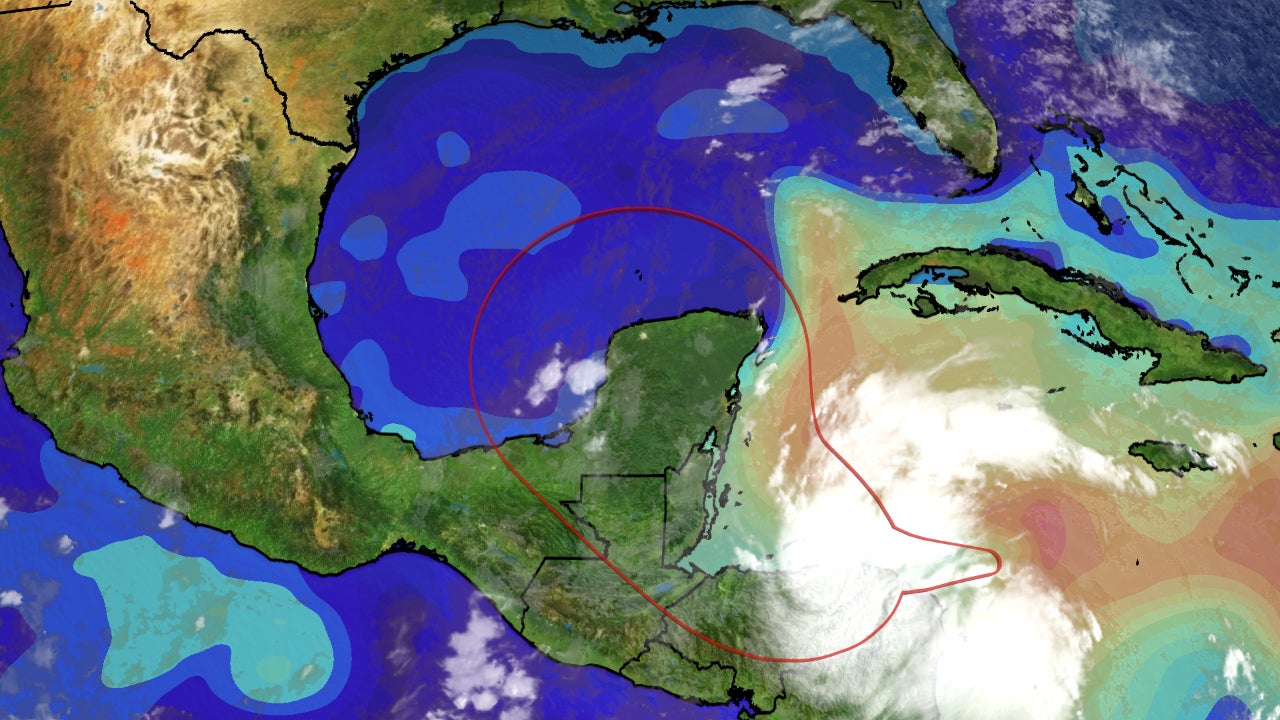
Tropical Storm Sara has formed in the Caribbean and is expected to bring heavy rain and potential flooding to Central America, particularly Honduras and Nicaragua, over the weekend. The storm is unlikely to impact Florida significantly due to a strong autumn cold front that will steer the storm away, resulting in only a brief period of rain in Florida next Wednesday. The system is not expected to strengthen into a hurricane as it moves into the Gulf of Mexico.
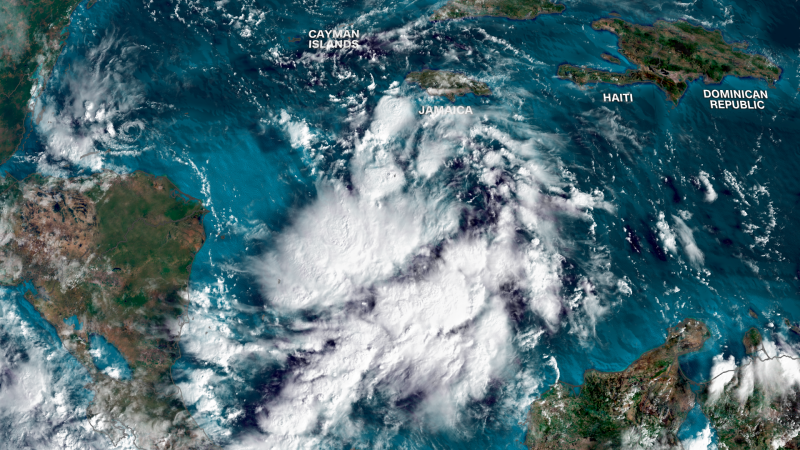
A new tropical system, potentially becoming Tropical Storm Sara, is forming south of Jamaica and could impact the Caribbean, Mexico, and the US. Despite the typical winding down of the Atlantic hurricane season in November, exceptionally warm waters, influenced by climate change, are fueling continued storm activity. The system may strengthen into a tropical storm or hurricane, with scenarios ranging from landfall in Central America to potentially reaching the US Gulf Coast. The Caribbean's sea surface temperatures are near record highs, increasing the risk of strong storms.
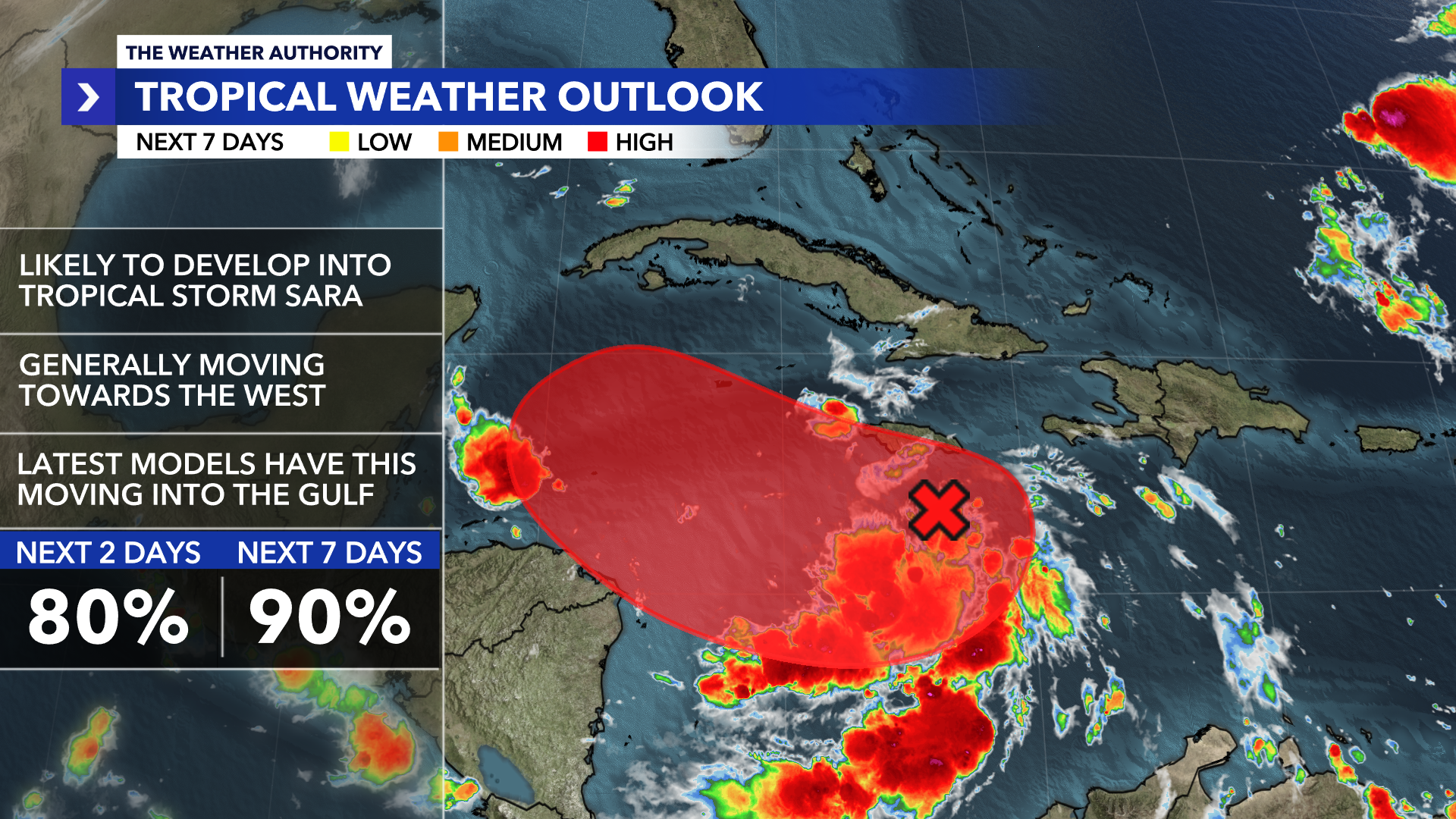
The National Hurricane Center warns of a potential late-season tropical storm, possibly named Sara, forming in the Caribbean with a 90% chance of development in the next 48 hours. The storm could head towards Florida's Gulf coast, though its path remains uncertain. This would be a rare occurrence for November, with only three hurricanes making U.S. landfall in this month since 1850. The potential storm follows a series of recent hurricanes impacting Florida, highlighting concerns about climate change's role in increasing hurricane frequency and intensity.
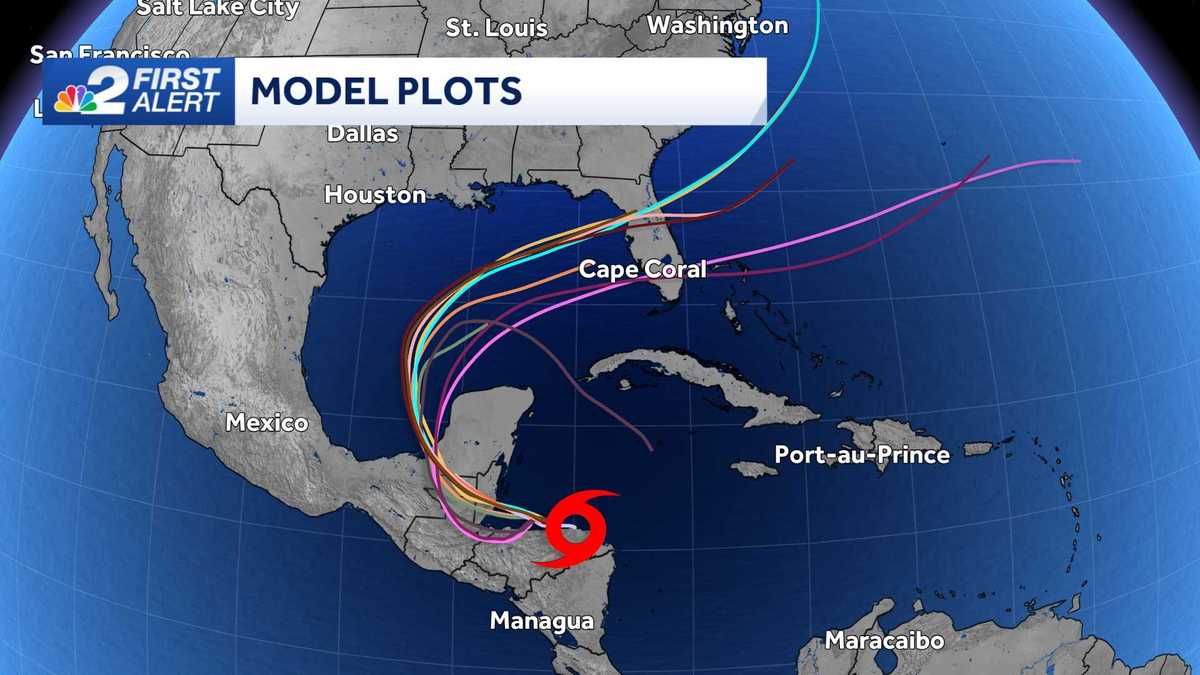
A tropical disturbance near Jamaica, designated as Invest 99L by the National Hurricane Center, is likely to develop into Tropical Storm Sara by the end of the week. The system is expected to form near the Honduras-Nicaragua border and could become a hurricane by early next week. Forecast models suggest it may move north, potentially impacting Florida, though its exact path remains uncertain. Residents are advised to stay informed as the situation develops.
The Weather Authority is monitoring Invest 99-L, a tropical wave in the Caribbean with a 90% chance of developing into a tropical depression or Tropical Storm Sara by Thursday or Friday. Cold fronts in Florida will keep the system's moisture south through the weekend, but it is expected to move northwest by early next week, potentially entering the Gulf of Mexico. Heavy rains are forecasted for Jamaica and parts of Haiti. The system's future path and impact on Southwest Florida depend on upcoming cold fronts and wind shear conditions.