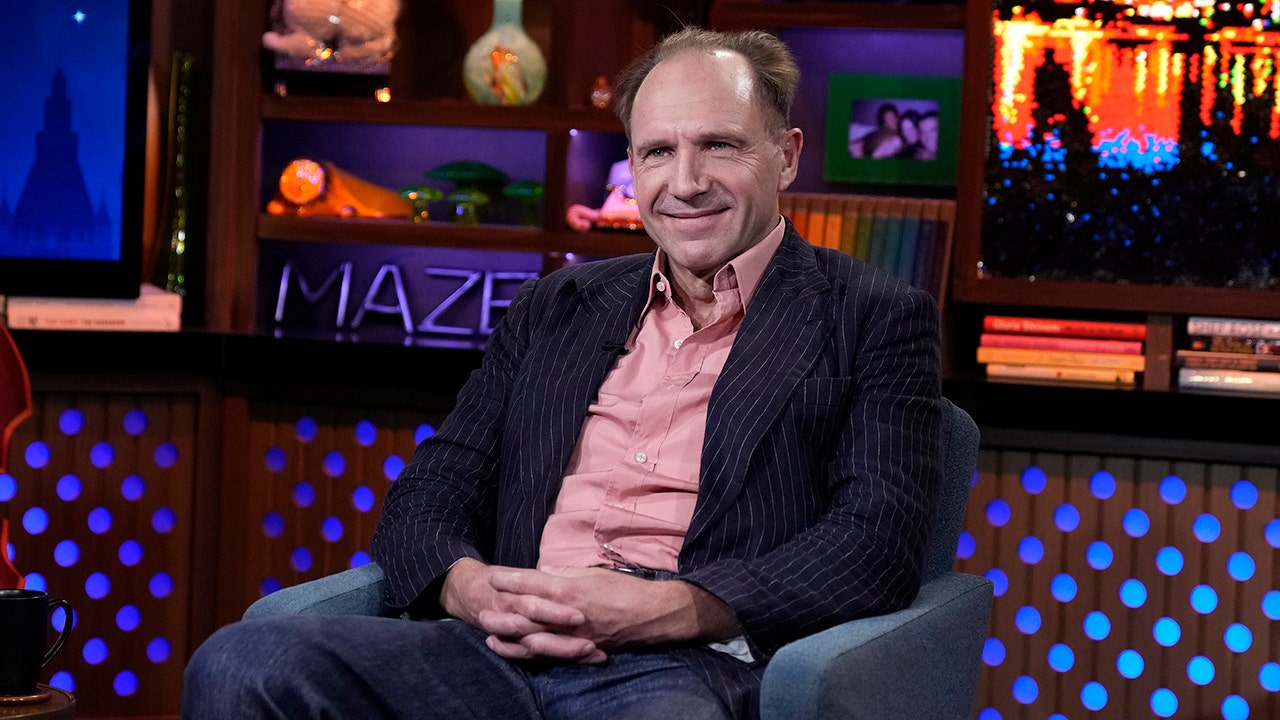
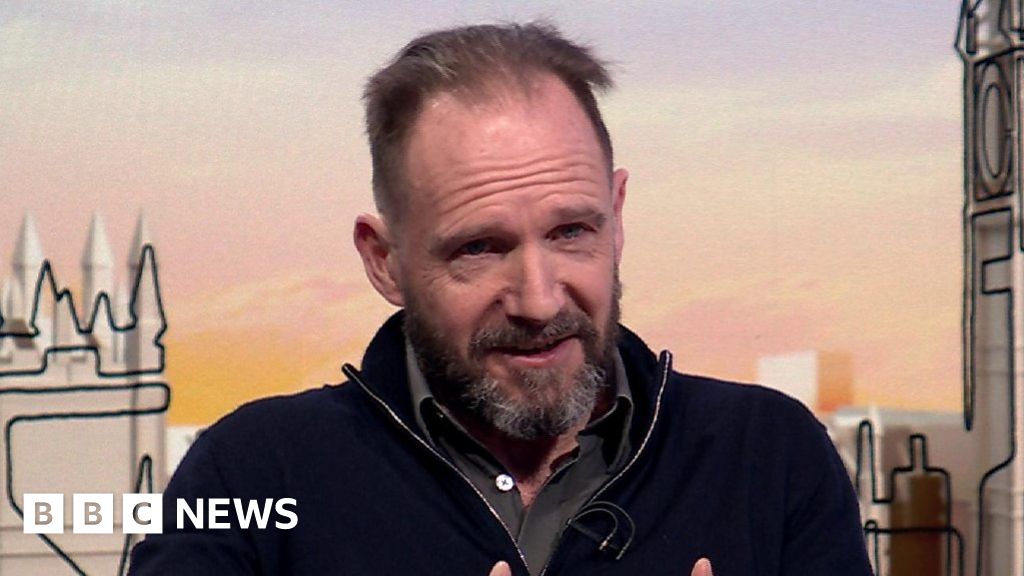
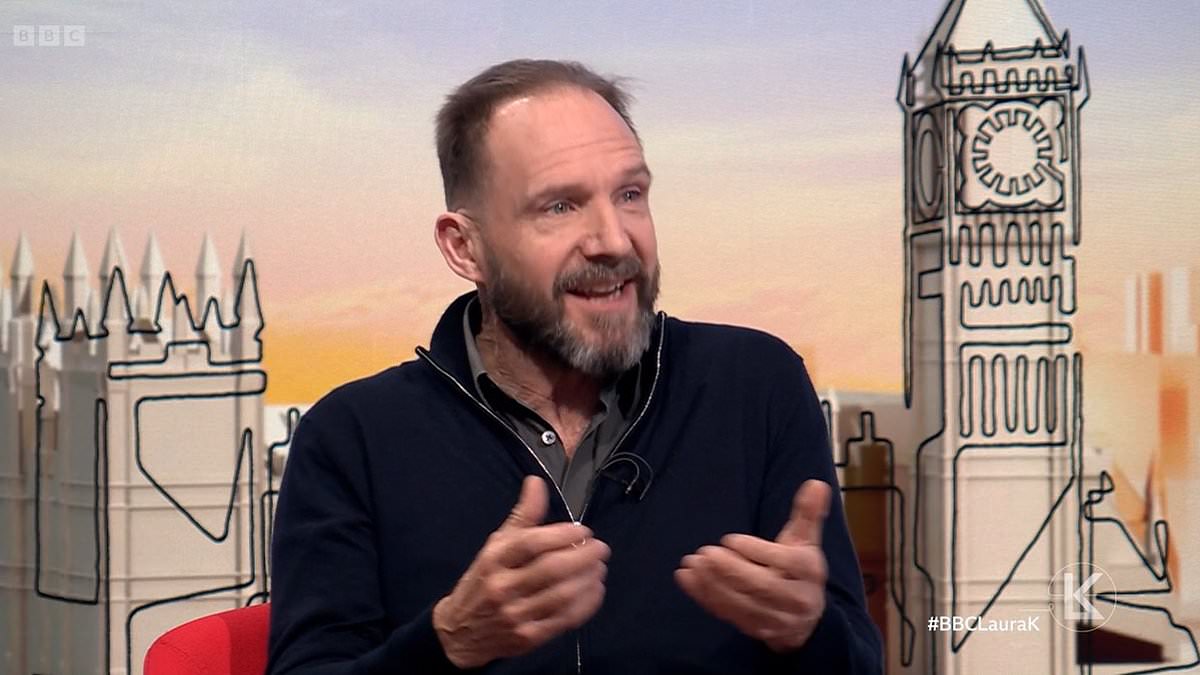
Actor Ralph Fiennes argues against trigger warnings in theater, stating that audiences should be "shocked and disturbed" by performances, and that warnings for things like strobe lights should still remain. This comes amid reports of trigger warnings being placed on classic film screenings and university literature modules for potentially upsetting content.
Actor Ralph Fiennes argues that trigger warnings for theatre performances should be eliminated, stating that audiences should be "shocked and disturbed" by the content. He believes that the impact of theatre should be unexpected and that warnings for issues affecting people physically, such as strobe effects, should still be flagged. Other actors, including Ian McKellen and Christopher Biggins, have also criticized the use of trigger warnings in theatre. Fiennes also addressed the high ticket prices for theatre productions, noting that his upcoming production of Macbeth has 20% of tickets priced at £15-£20.
Actor Ralph Fiennes believes that modern audiences have become "soft" due to trigger warnings being put out before plays, stating that the impact of theatre should be to shock and disturb without preparation. While he acknowledges the need for warnings for scenes that may physically affect people, he recalls never experiencing trigger warnings in his youth as a theatre lover. Fiennes is set to star in a modern stage retelling of Macbeth this year.
Actor Ralph Fiennes has called for an end to trigger warnings at theatres, stating that audiences have become "too soft." He believes that theatre should shock and disturb audiences, and that the element of surprise is what makes it exciting. Fiennes joins peers such as Sir Ian McKellen and Christopher Biggins in criticizing the increasing use of trigger warnings, arguing that they detract from the live and unexpected nature of theatre performances.
Actor Ian McKellen sparks debate over trigger warnings in theatre, calling them "ludicrous" and arguing that the power of art and literature to shock or discomfort people is integral to its value. While some argue that warnings allow people to make informed choices, others believe that they diminish the unknown and unexpected experiences that are part of the theatre. The ongoing culture wars surrounding trigger warnings and "wokery" are fueling the discussion, but there is a valid and nuanced debate about the merit of such warnings.