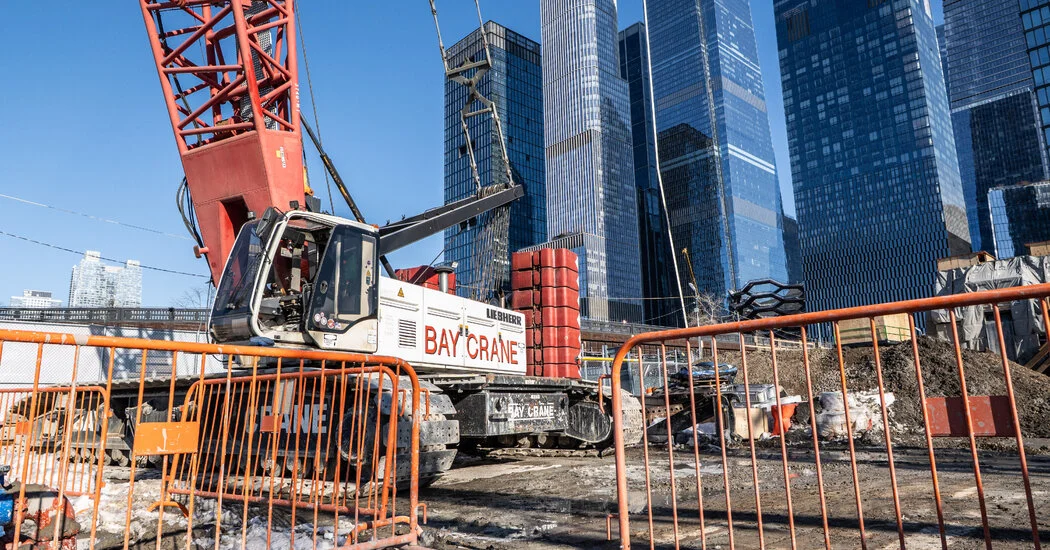
Federal funding for the $16 billion Gateway rail tunnel between NYC and New Jersey, paused for months during a contract review, resumed after Judge Jeannette Vargas ordered the suspension ended; an initial $30 million arrived and the remainder (about $205 million total) is expected soon, allowing construction to resume and about 1,000 laid-off workers to potentially be rehired.
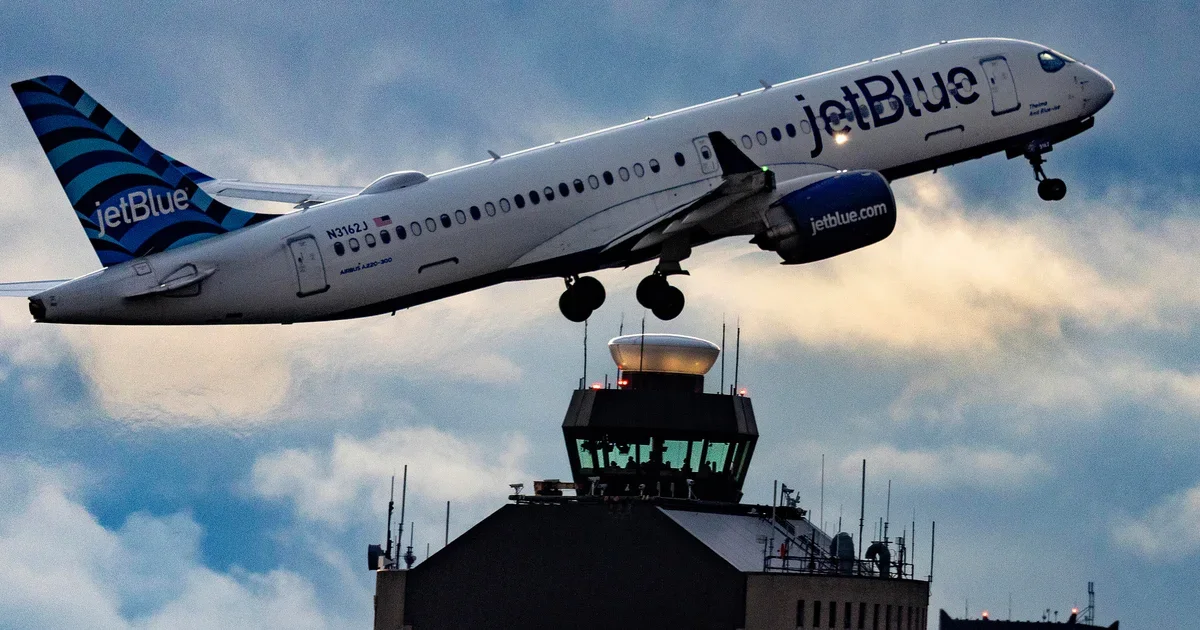
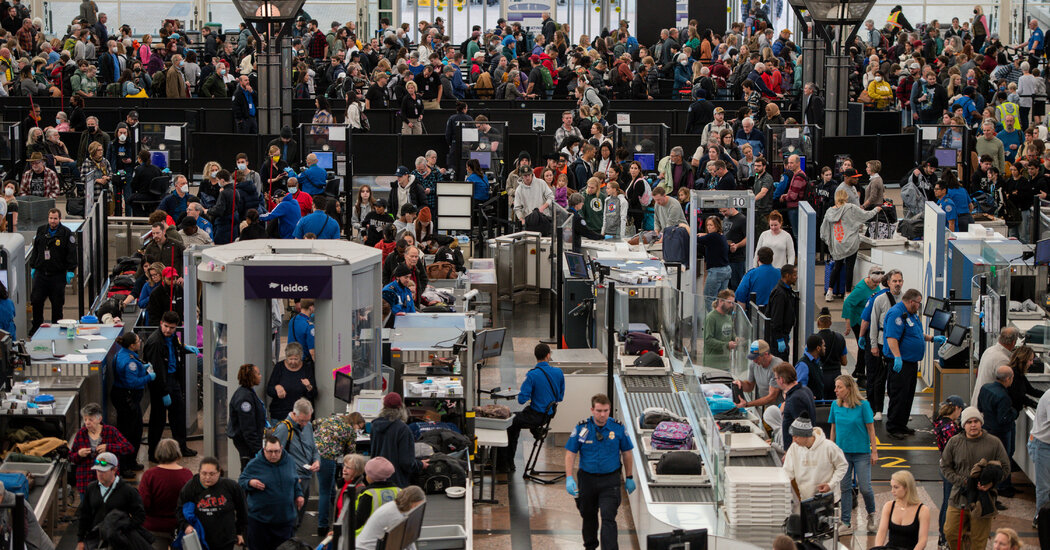
Senator Tammy Duckworth is urging the Transportation Department to extend $10,000 bonuses to all air traffic controllers and FAA technicians who worked during the 2025 government shutdown, criticizing the current policy that only rewards those who did not miss work, which she and others argue is unfair and could jeopardize safety and morale.
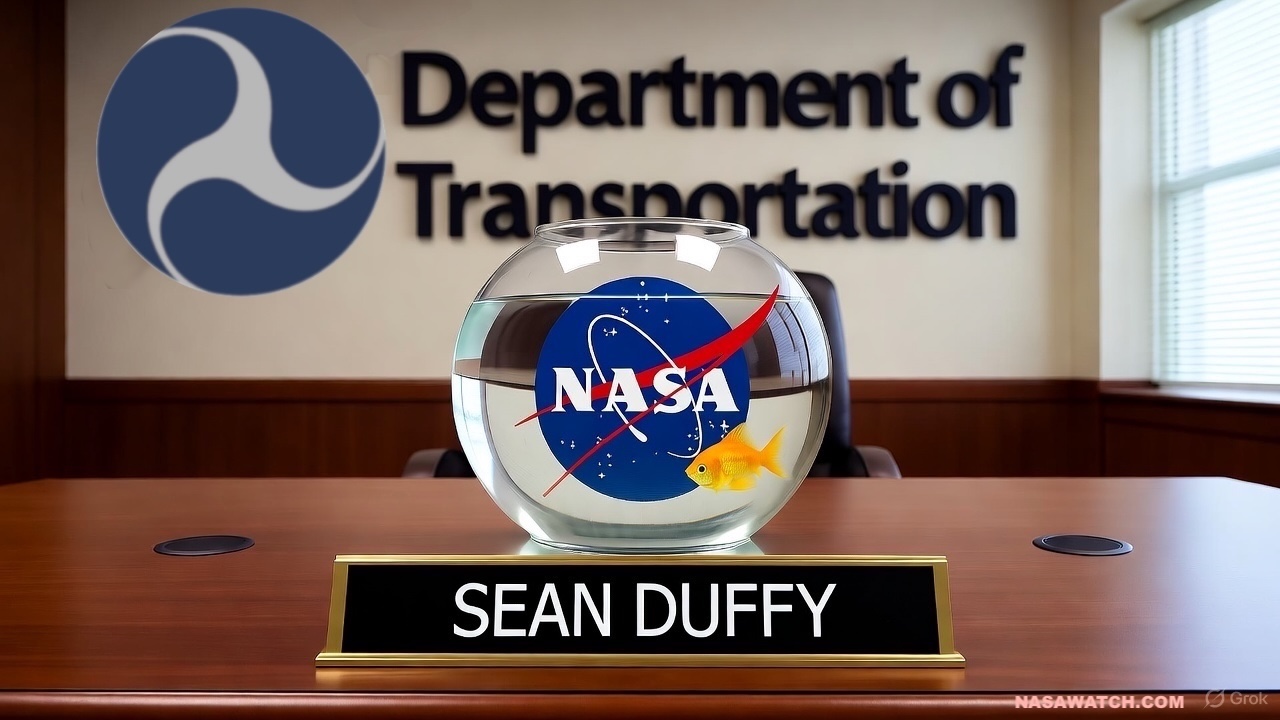
Elon Musk and Joe Duffy are in a dispute over the future leadership of NASA, with Musk supporting William Isaacman for the role and Duffy proposing to integrate NASA into the Transportation Department. Musk has publicly criticized Duffy's efforts and expressed strong opinions about the agency's direction, reflecting ongoing tensions between Musk and the Trump administration.
Sean Duffy has expressed interest in bringing NASA under the Department of Transportation, potentially expanding his influence, though he has not indicated a desire to personally retain the NASA position.
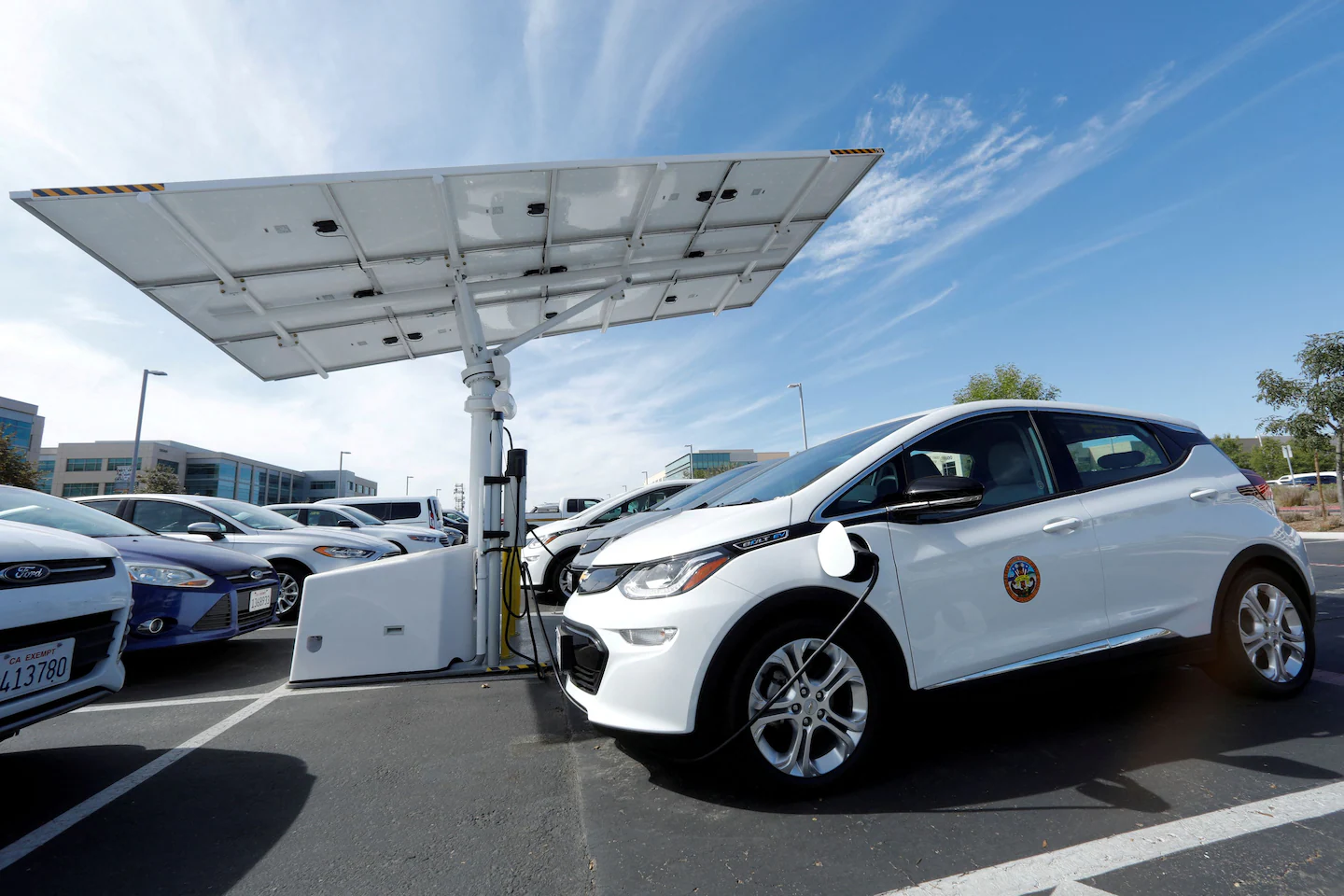
The Transportation Department plans to lift its freeze on federal funds for highway charging stations, promising more flexibility for states after losing a court case, in a move seen as a shift from Biden-era policies during the Trump era.
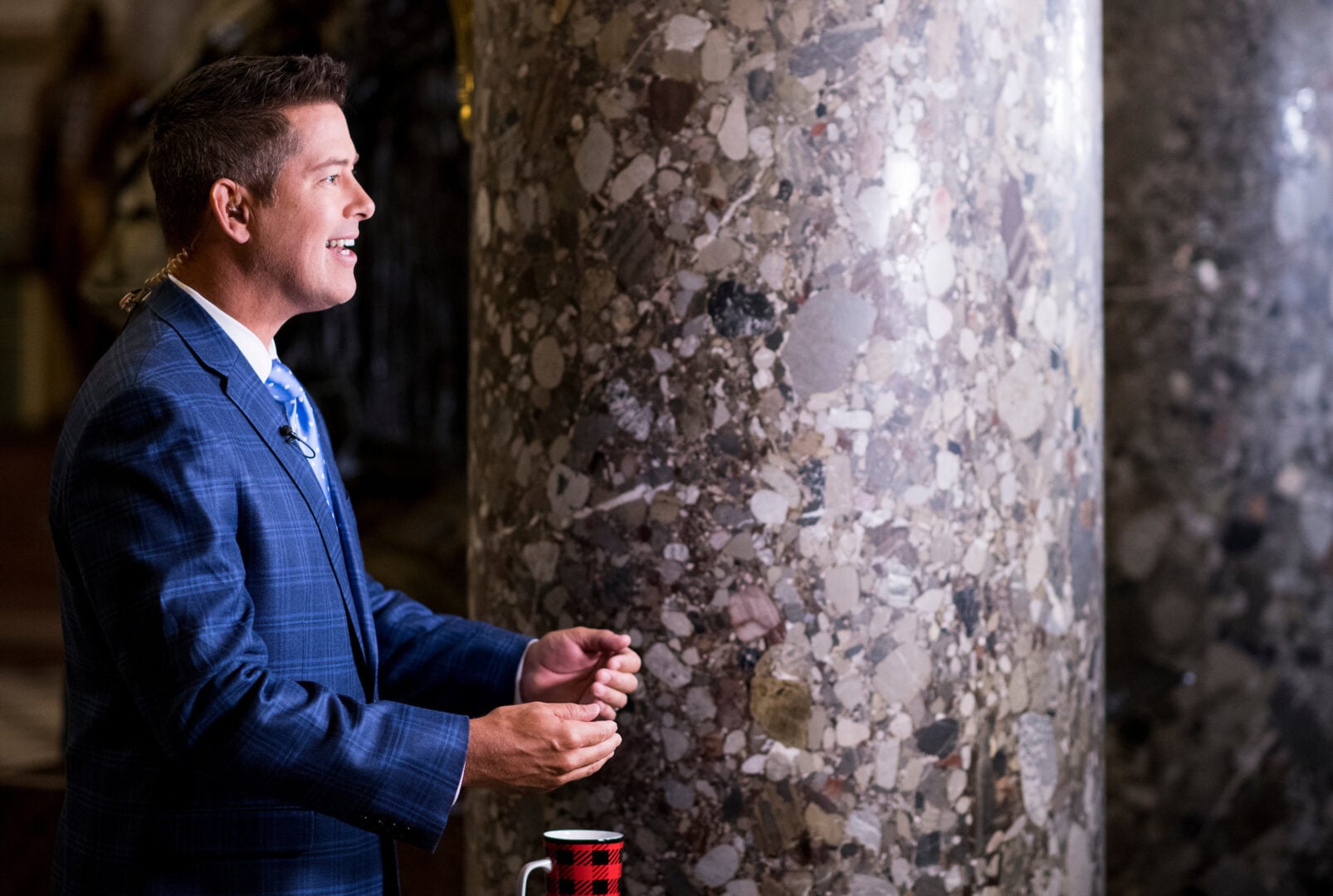
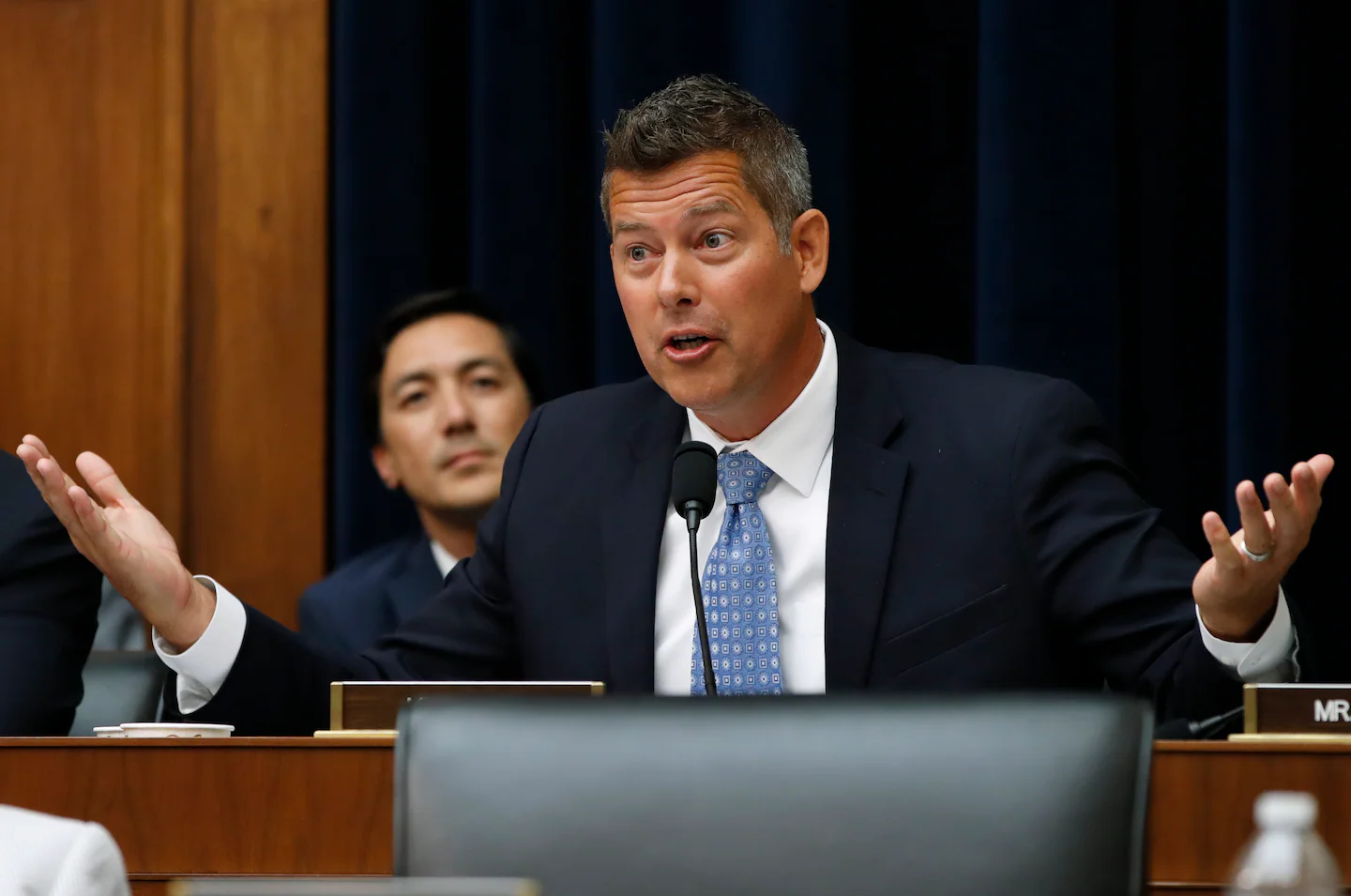
President-elect Donald Trump has nominated former Wisconsin congressman and Fox News contributor Sean Duffy to lead the Transportation Department. Despite Duffy's limited experience in transportation, Trump praised his congressional relationships and commitment to infrastructure. If confirmed, Duffy will oversee the implementation of the 2021 infrastructure law and manage remaining funds. Duffy, who left Congress in 2019, previously served on the House Financial Services Committee and was involved in local transportation issues in Wisconsin.
President-elect Donald Trump has chosen former congressman and Fox Business host Sean P. Duffy to lead the Transportation Department, a role that involves managing a large budget and significant safety responsibilities, as well as overseeing companies owned by tech billionaire Elon Musk.
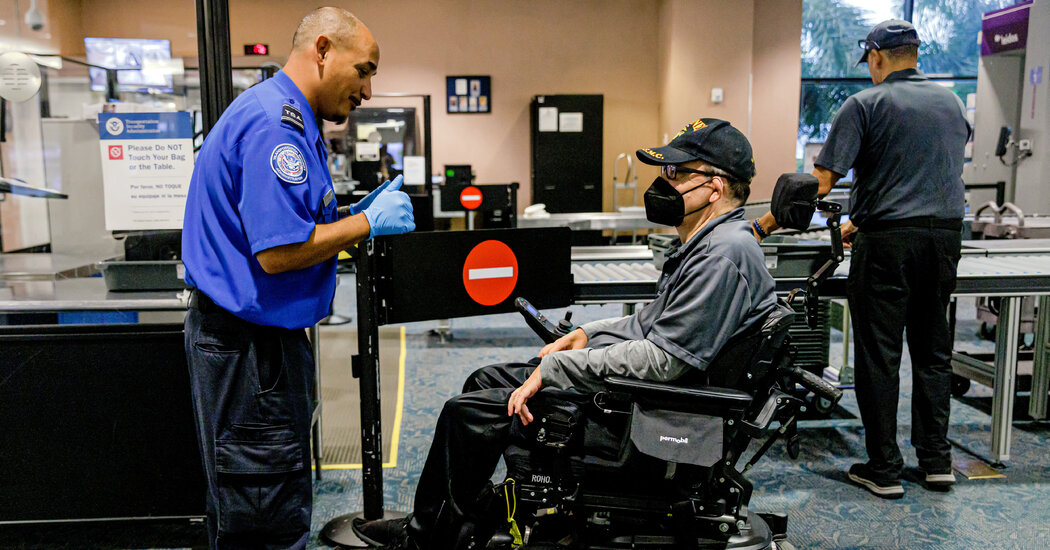
The Biden administration has proposed new regulations aimed at improving air travel for people with disabilities, particularly those in wheelchairs. The rules would make it easier to hold airlines accountable for mishandling passengers' wheelchairs and would require additional training for workers assisting disabled passengers. The proposed changes are part of a broader effort to enhance the flying experience for disabled travelers, following earlier moves such as the publication of a bill of rights for airline passengers with disabilities and new regulations requiring more commercial aircraft to have accessible bathrooms.
The Biden Administration has proposed new rules to improve how airlines handle wheelchairs and accommodate passengers with disabilities, aiming to hold airlines more accountable for mishandling wheelchairs and provide better training for employees who assist passengers with disabilities. While disability advocates have largely welcomed the proposed rule, some express disappointment over its limitations and call for more clarity on training and prompt assistance definitions.
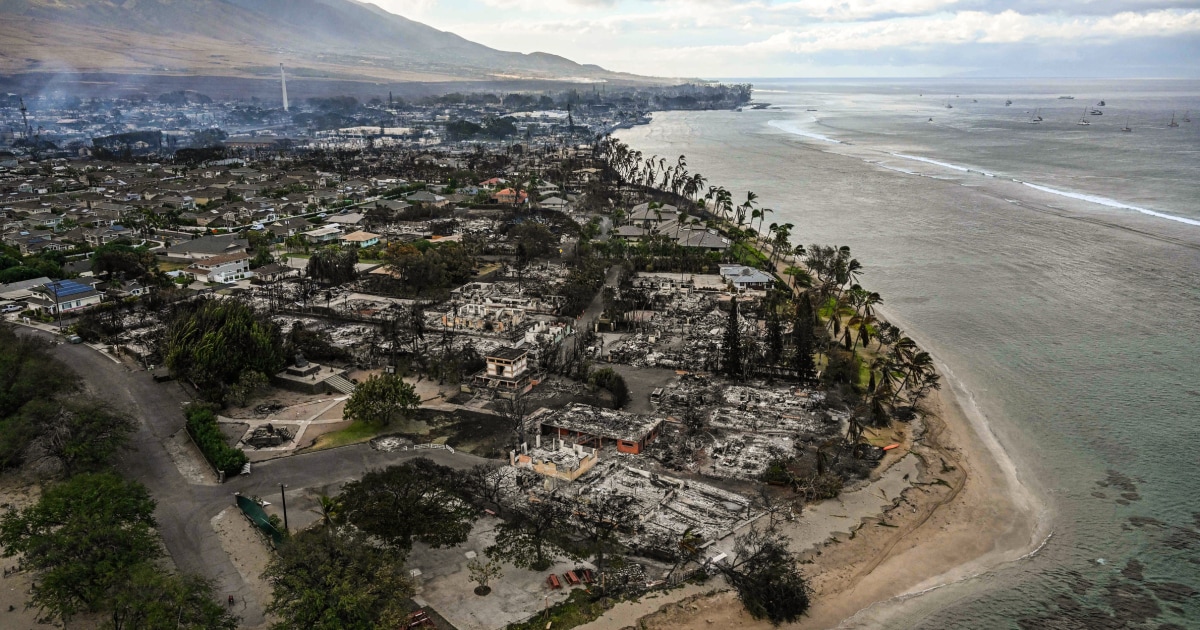
Hawaii officials are planning to build new evacuation routes in Lahaina, Hawaii, following deadly wildfires on Maui in August. The new routes aim to prevent roadblocks that trapped residents during the fires. The state Transportation Department will create openings in sound walls and establish emergency access routes to improve traffic flow during emergencies. The effort is part of a broader initiative to make Lahaina more resilient to wildfires, which are a growing threat in Hawaii.
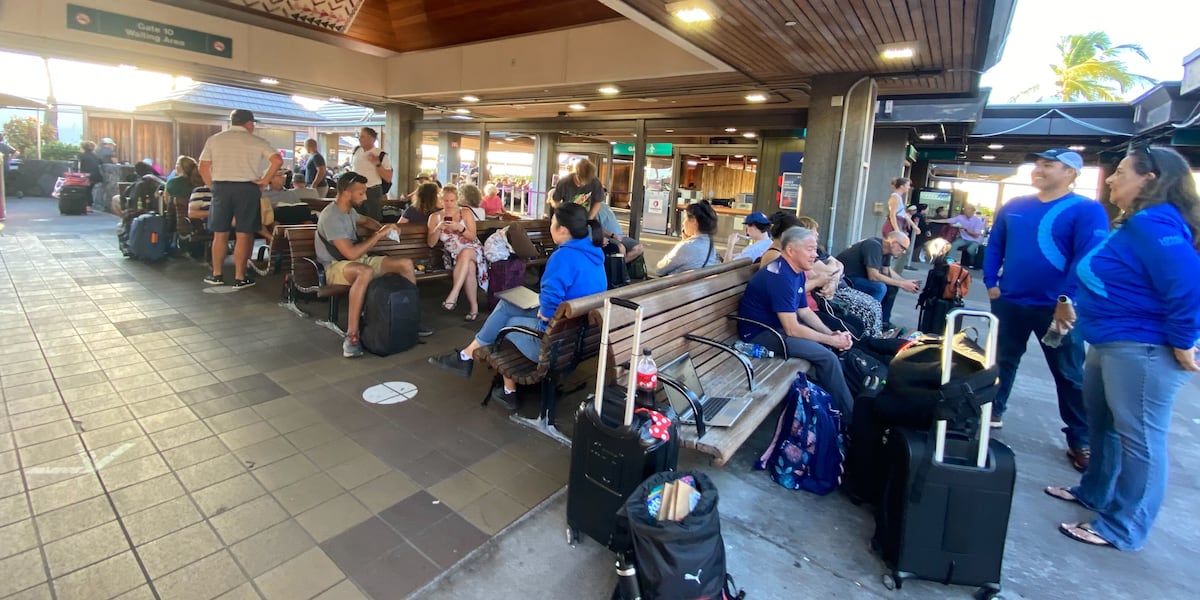
Kona International Airport in Hawaii is closed indefinitely due to runway cracks, causing numerous flight delays. The state Transportation Department is working to measure the usable runway length and is coordinating with contractors to address the affected area. Hawaiian Air has canceled several flights, and the airport's previous runway concerns had prompted a reconstruction project.
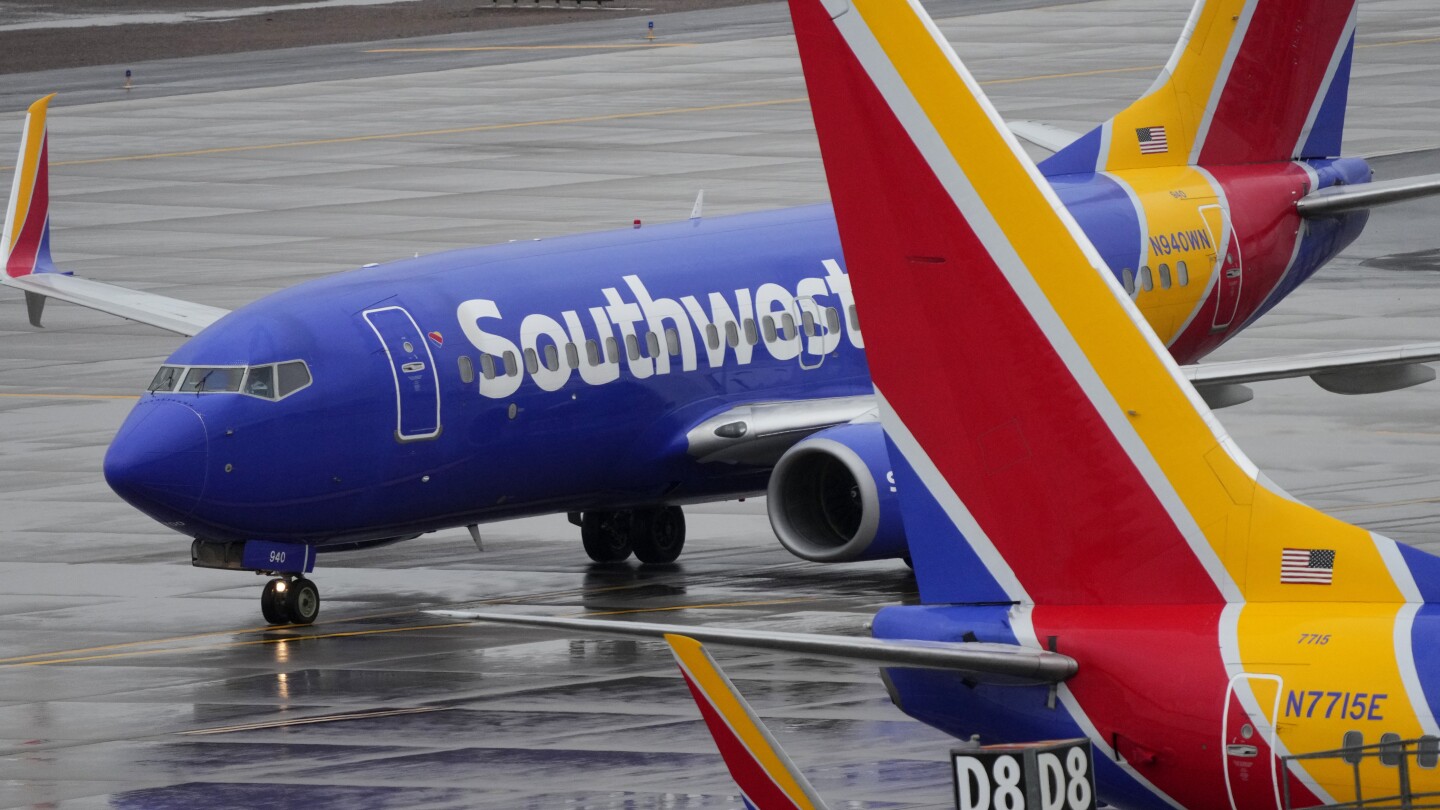
Southwest Airlines has been fined $140 million by the U.S. Transportation Department for last year's meltdown, which resulted in numerous canceled flights and stranded passengers.
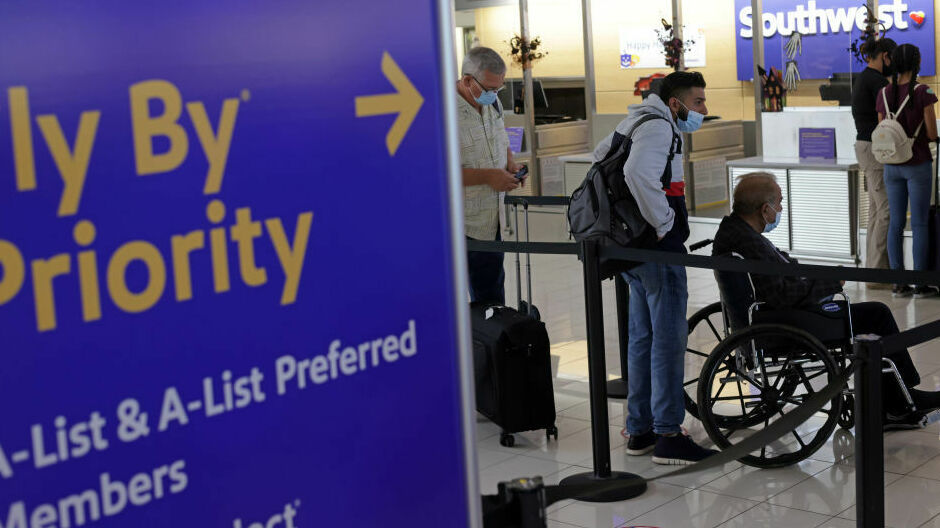
The U.S. Transportation Department has fined Southwest Airlines $140 million, the largest penalty ever imposed on an airline for consumer protection violations, for a holiday season meltdown last winter that disrupted travel for about two million people. Southwest will pay $35 million to the federal government, while the remaining amount will be credited for providing frequent-flier points and issuing vouchers to affected customers. The department stated that Southwest violated federal law by failing to provide prompt customer service, flight notifications, and refunds. The airline, which disagreed with the government's conclusion, agreed to the penalty to avoid litigation. Southwest has since made efforts to improve its service and plans to implement a policy requiring the issuance of at least $90 million in vouchers to customers experiencing severe disruptions caused by the airline.
Southwest Airlines has agreed to pay a $35 million fine as part of a $140 million settlement to resolve a federal investigation into the airline's massive flight cancellations and stranded passengers during the winter of 2022. The majority of the settlement will be used to compensate future passengers, serving as an incentive for Southwest to avoid similar incidents. The U.S. Department of Transportation considers this penalty the largest ever imposed on an airline for violating consumer protection laws. Southwest Airlines expressed gratitude for the consumer-friendly settlement and stated that it has learned from the event and can now focus on the future.
The Transportation Department has fined Southwest Airlines $140 million for multiple violations of airline consumer protections during its Christmas and New Year's meltdown last year. The fine is 30 times larger than any previous penalty issued by the department. Southwest has also been ordered to establish a $90 million fund to compensate passengers affected by future delays. The airline faced significant disruptions due to freezing weather and a staff scheduling system issue. Southwest disputes the department's legal conclusions but has agreed to accept the fine. The compensation fund will provide $75 vouchers to customers who experience significant delays or cancellations within Southwest's control.