Tag

Transient Ischemic Attack

All articles tagged with #transient ischemic attack

health3 months ago

Stroke Warning Signs and Symptoms to Watch For

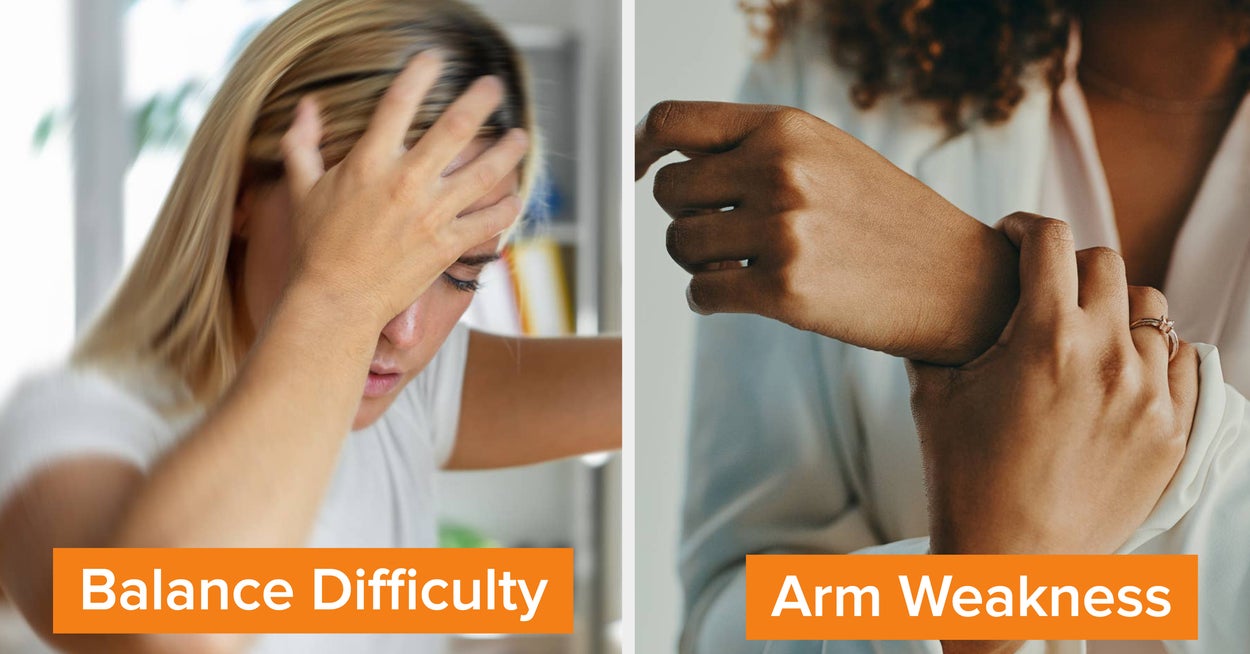
Strokes are a leading cause of death in the U.S., with warning strokes or transient ischemic attacks serving as critical precursors. Recognizing symptoms like sudden changes in balance, vision, facial droop, arm weakness, speech, or a severe headache using the BE FAST mnemonic is vital. Immediate medical attention is crucial, as warning strokes often precede full strokes within days, and managing risk factors like high blood pressure and cholesterol can reduce the likelihood of occurrence.

health4 months ago

Stroke Warning Signs and Symptoms to Watch For

Strokes are a major health concern in the US, with warning signs called transient ischemic attacks or 'warning strokes' that mimic strokes but are temporary. Recognizing symptoms like balance issues, vision changes, facial drooping, arm weakness, speech difficulties, or a sudden headache using the 'BE FAST' mnemonic is crucial. Immediate medical attention is essential, as warning strokes often precede full strokes within days or weeks. Managing risk factors like high blood pressure and cholesterol can help prevent strokes.

health1 year ago

"5 Subtle Signs of a 'Mini Stroke' and How to Prevent It"

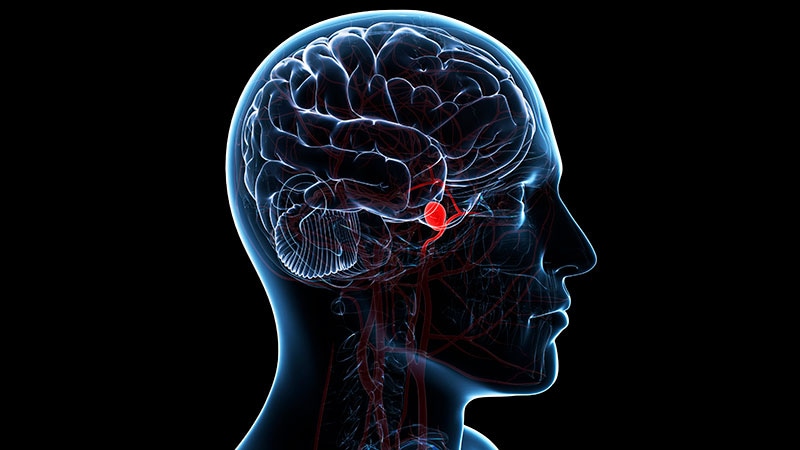
A transient ischemic attack (TIA), often referred to as a "mini stroke," can be a warning sign of an impending stroke, with nearly 1 in 5 people experiencing a full-blown stroke within 90 days. Symptoms include difficulty with speech, balance, and weakness, and should be treated as a medical emergency. Prompt medical attention and targeted treatment can significantly decrease the risk of a future stroke by addressing underlying cardiovascular risk factors.

health1 year ago

"5 Key Early Warning Signs of a Mini Stroke: What Everyone Should Know"

A transient ischemic attack (TIA), often referred to as a "mini stroke," can be a warning sign of an impending stroke and should be treated as a medical emergency. Symptoms such as difficulty with speech, balance, and weakness may indicate a TIA, and seeking immediate medical attention is crucial. Early intervention and targeted treatment can significantly reduce the risk of a future stroke, emphasizing the importance of addressing underlying cardiovascular risk factors.

health-and-medicine2 years ago

"Early DAPT Within 72 Hours Shows Promise for Improved Stroke Outcomes"

A study published in the New England Journal of Medicine found that taking clopidogrel-aspirin within 72 hours of a mild ischemic stroke or high-risk TIA significantly reduces the risk of new strokes compared to aspirin alone, but doubles the risk of moderate to severe bleeding. The INSPIRES trial, which excluded patients with certain types of strokes or treatments, suggests that the benefits of dual antiplatelet therapy extend to a wider time window than previously considered, although caution is advised for patients with a history of bleeding.

health2 years ago

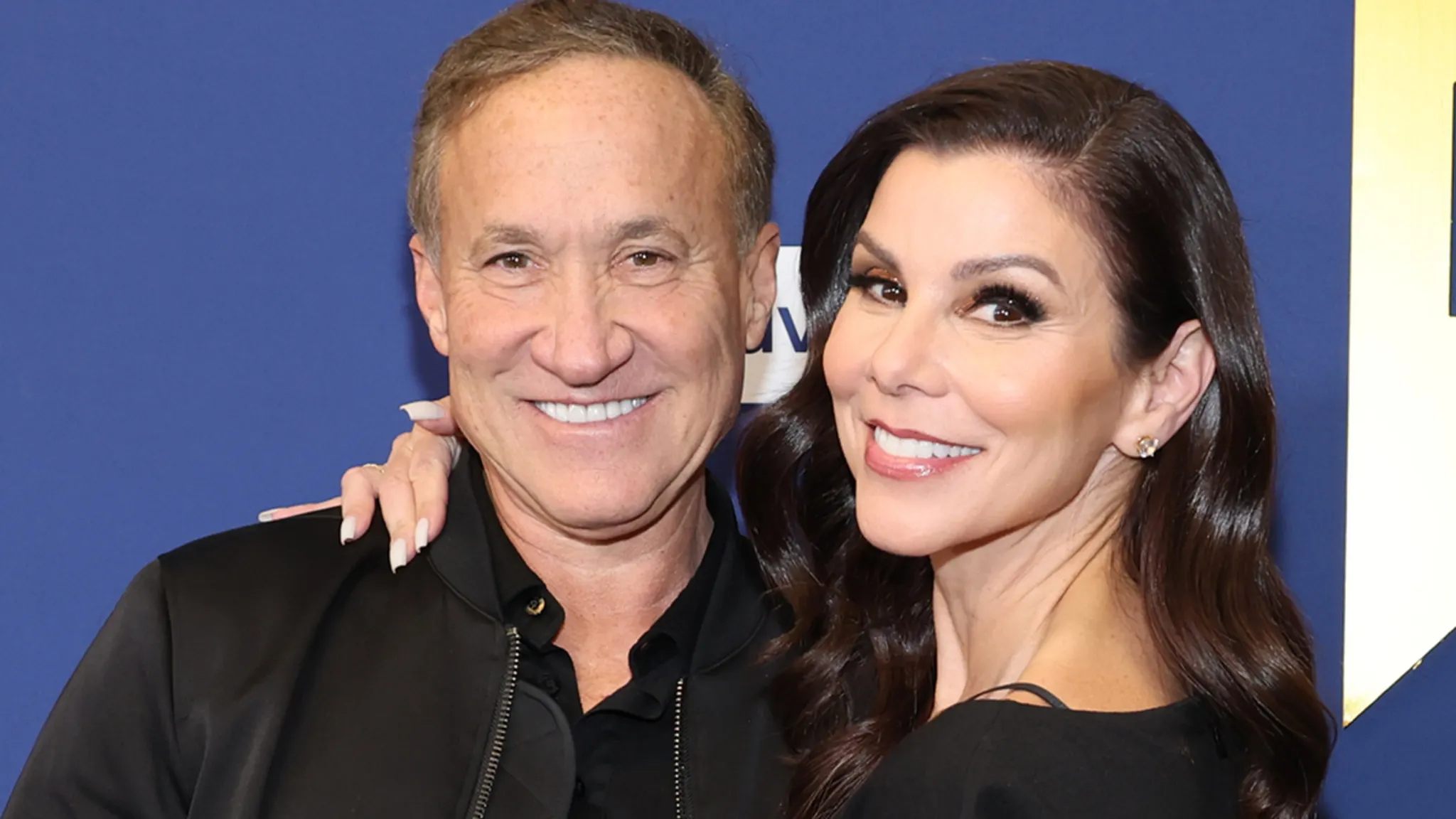
'Botched' Star Terry Dubrow's Wife Heather Saves His Life During Medical Scare

"Botched" star Terry Dubrow experienced a medical emergency while dining at The Ivy in L.A., with his wife Heather by his side. Despite initially feeling fine, Terry began slurring his speech, prompting Heather to call 911. Paramedics deemed him okay, but Heather insisted on taking him to the hospital, where doctors discovered he had a transient ischemic attack (TIA) caused by a blood clot passing through a hole in his heart called a patent foramen ovale (PFO). Terry's PFO was fixed, and he is now in good health.

health2 years ago

"Recognizing the Warning Signs of a Stroke: What You Need to Know"

Warning strokes, also known as transient ischemic attacks, are fleeting yet dangerous medical conditions that can be precursors to full-blown strokes. Up to one in five people who experience a warning stroke could have a stroke within 90 days if they don't seek medical attention. The symptoms of warning strokes are similar to those of a stroke, including changes in balance, vision, facial droop, arm weakness, speech, and the sudden onset of a terrible headache. It's important to take these symptoms seriously and call emergency services immediately. Managing risk factors such as high cholesterol and uncontrolled diabetes can help reduce the risk of stroke.