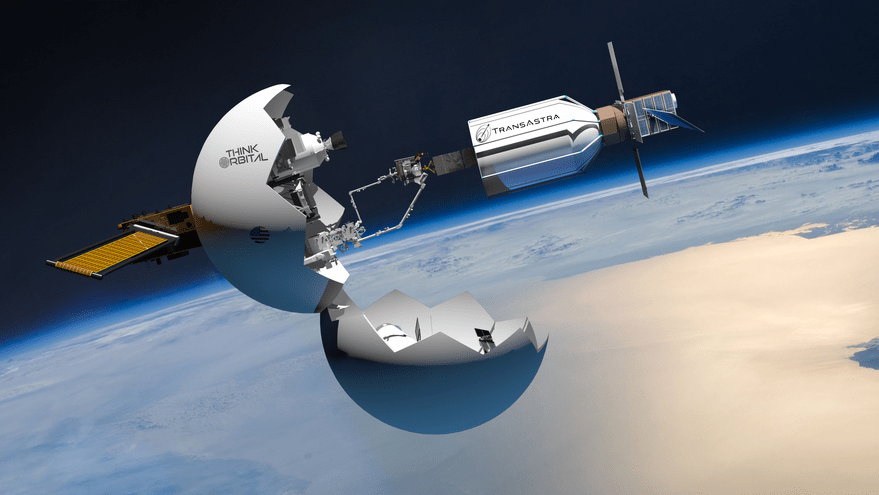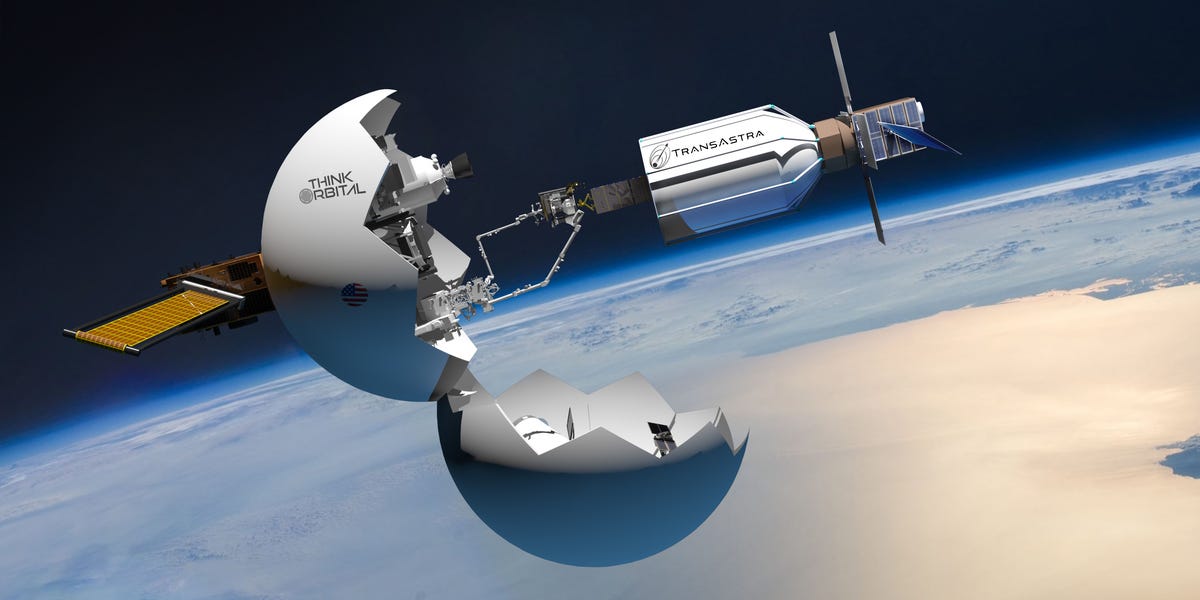
NASA has awarded TransAstra an $850,000 contract to explore the use of Flytrap capture bags for cleaning up space debris. The bags, which could be large enough to scoop up space trash the size of a house, aim to address the growing problem of space debris that endangers satellites, spaceships, and astronauts' lives. TransAstra's plan involves using bags attached to small spacecraft that can fly alongside the space junk in low Earth orbit, deploying the bag to enclose and capture the debris. The bags can pick up anything that fits inside them, making them a versatile solution for cleaning up orbital debris.
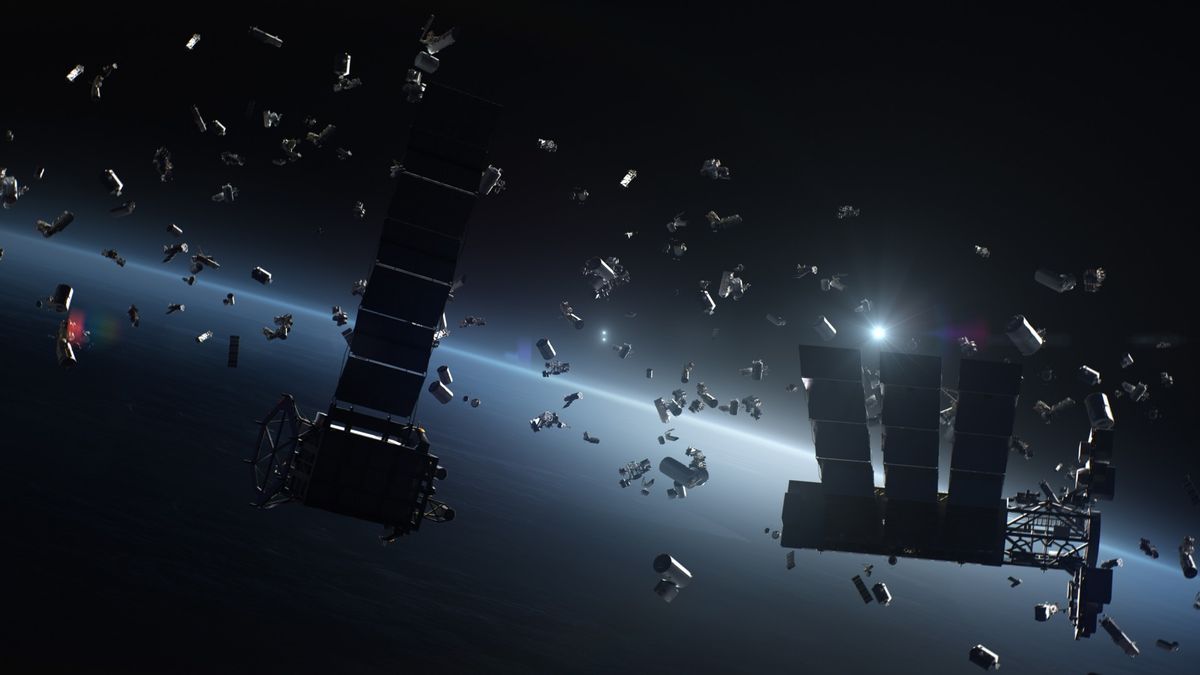
NASA has awarded a contract to space logistics startup TransAstra for the development of a bag that could inflate after being deployed in Earth orbit, with the aim of capturing and removing space debris. TransAstra initially focused on asteroid capture but realized that the challenges were similar for both asteroids and space junk. The company plans to move the capture bag around low Earth orbit using a space tug called Worker Bee. However, it may take years or decades for the technology to be ready for spaceflight. Earth orbit is estimated to have over 36,500 debris objects larger than 4 inches, and the space debris problem continues to worsen.
TransAstra has been awarded an $850,000 NASA contract to manufacture an inflatable capture bag for orbital debris cleanup. The bag, which uses inflatable struts to open and close, can envelop noncooperative objects without requiring docking or fixtures. TransAstra proposes capturing multiple pieces of debris with a single bag, reducing propellant consumption and time. The company also plans to transport debris to an on-orbit processing plant for recycling, offering cost reductions and a more sustainable approach to space debris removal. Computer simulations have validated the effectiveness of this method, highlighting its potential for space industrialization and national defense.