Banks on Wall Street posted a record $134 billion in trading revenue last year and executives say the environment remains constructive for 2026, with strong momentum in M&A and capital-markets work, though they caution that asset prices are high and risks remain.
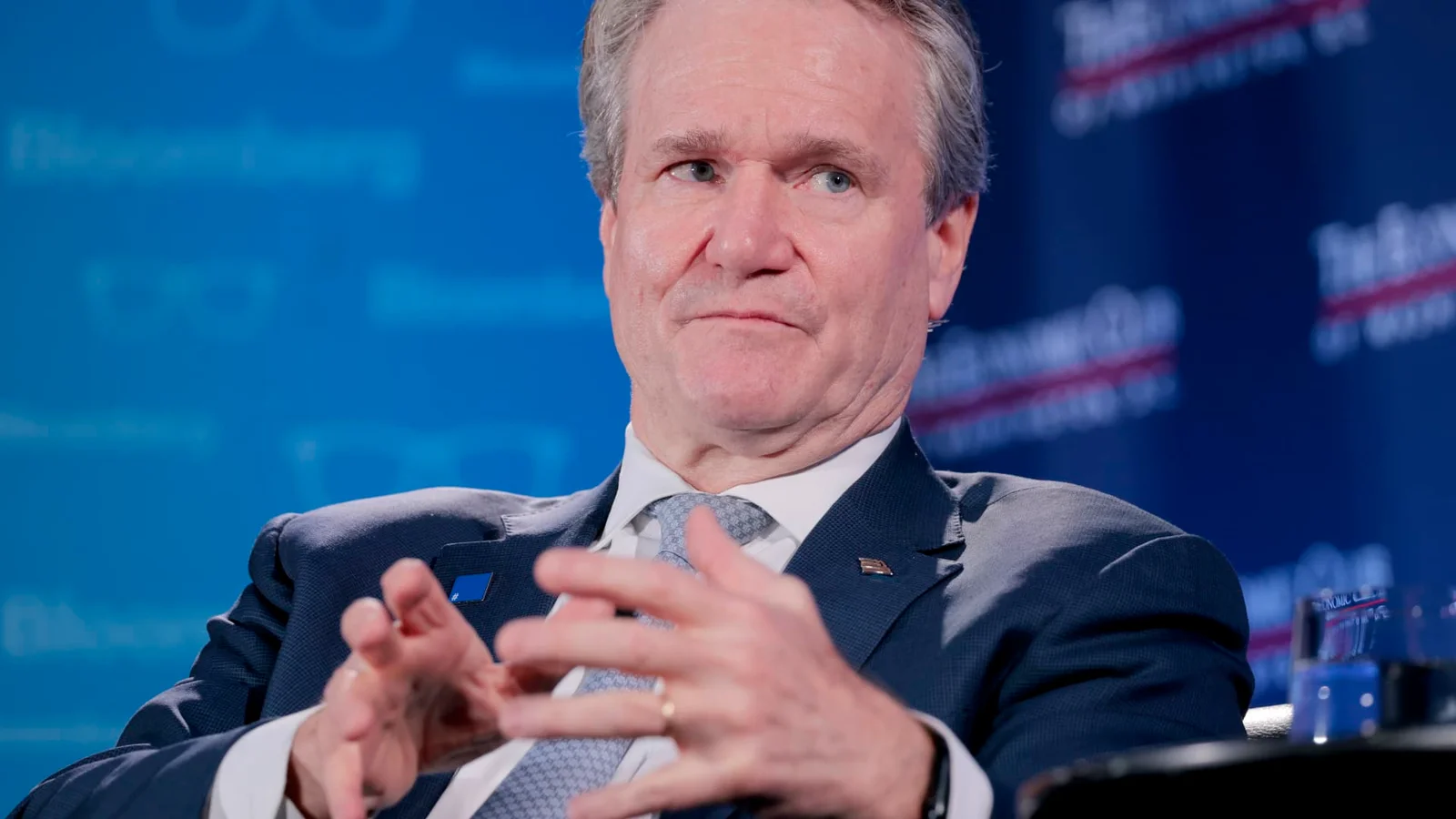
Bank of America posted Q4 2025 results that beat expectations with EPS of $0.98 and revenue of $28.53 billion, helped by stronger trading and advisory fees. The company awaits 2026 guidance from CEO Brian Moynihan as rivals report earnings this week; shares rose about 24% last year.
Jane Street set a Wall Street record with $10.1 billion in Q2 trading revenue, more than doubling from the previous year, driven by market volatility from trade war tensions, and reaching an all-time first-half high of $17.3 billion, despite regulatory scrutiny in India.
UBS's profits more than doubled to $2.4 billion in Q2, driven by strong trading revenues that offset weaknesses in investment banking, with notable gains in wealth management and market activities, while also progressing in integrating Credit Suisse amidst regulatory scrutiny.
Morgan Stanley exceeded Wall Street expectations in Q2 with earnings of $2.13 per share and revenue of $16.79 billion, driven by higher trading revenues and strong wealth management performance, leading to a 12% stock increase this year.
Morgan Stanley reported strong Q2 earnings with EPS of $1.82, beating expectations, and sales of $15.02 billion, driven by a rebound in trading and investment banking. Institutional Securities saw significant revenue growth, particularly in Equity and Investment Banking, while Wealth Management also performed well. The bank is on track to reach a $10 trillion client asset target.
Goldman Sachs is set to report its second-quarter earnings, with Wall Street expecting $8.34 per share in earnings and $12.46 billion in revenue. The bank's performance is closely watched due to its heavy reliance on investment banking and trading. Expectations are high following strong results from rivals JPMorgan Chase and Citigroup.
Morgan Stanley reported third-quarter results that exceeded profit estimates due to better-than-expected trading revenue. Despite a 9% decline in profit from the previous year, the bank's revenue grew by 2% and matched expectations. While some of its competitors faced challenges, Morgan Stanley has managed to avoid turbulence. CEO James Gorman announced plans to resign within a year, and the board is currently narrowing down the search for his successor. Analysts are eager for updates on the CEO succession process. Other major banks, including JPMorgan Chase, Wells Fargo, Citigroup, Goldman Sachs, and Bank of America, also surpassed profit expectations in the third quarter.
Goldman Sachs is set to report its third-quarter earnings, with Wall Street expecting earnings of $5.31 per share and revenue of $11.19 billion. As the most reliant on investment banking and trading revenue among its peers, Goldman Sachs has faced challenges due to a slowdown in mergers, IPOs, and debt issuance. Analysts will be interested in hearing about the company's deal pipeline and its outlook on investment banking. Goldman Sachs has also faced losses from its retrenchment away from retail banking and exposure to commercial real estate. The company's shares have dropped 8.4% this year, outperforming the KBW Bank Index.
Morgan Stanley's second-quarter profit beat estimates, driven by growth in its wealth management business, which offset lower trading revenue. The bank's shares rose over 6% despite a 14% drop in profits. The wealth management unit's net revenue reached a record high of $6.7 billion, gaining almost $90 billion in new assets. While trading revenues declined due to subdued markets, the bank's CFO expressed optimism about a recovery in investment banking. Morgan Stanley's board is focusing on selecting a successor for CEO James Gorman, who announced his departure in May.
Deutsche Bank expects trading revenue to decline by as much as 20% this quarter, with fixed income trading dropping 15% to 20% compared to last year. The bank joins Wall Street firms in flagging weaker debt trading, as interest rates near their peak and the economy is likely to enter a recession. However, higher interest rates have fueled income at the bank's corporate and private banking units. Deutsche Bank's CFO said the shifting revenue mix from the investment bank to the retail and commercial lending units is positive because it shows that the more stable businesses become more important.
Goldman Sachs plans to cut more jobs as the difficult economic environment weighs on dealmaking, and warns trading revenue could fall 25% this quarter. The firm is expected to cut just under 250 jobs in the coming weeks. Goldman Sachs CEO David Solomon had championed Goldman's foray into consumer banking since taking the reins in 2018. But the consumer operations largely failed to gain traction against well-established consumer banks and lost billions of dollars due to credit provisioning.
Bank of America reported Q1 earnings and revenue that exceeded expectations due to higher interest rates. Net interest income rose 25% to $14.4 billion, while noninterest income increased by just 1% to $11.8 billion. The bank's sales and trading revenue gained 7% to $5.1 billion, with fixed income, currency, and commodity trading revenue increasing by 27% to $3.4 billion. Bank of America set aside $931 million for credit losses in the first quarter, and net charge-offs remained below pre-pandemic levels.
The largest US banks are expected to reveal a $521 billion drop in customer deposits from a year earlier, the biggest decline in a decade, as customers flock to products offering higher rates and money market funds. The coming first-quarter disclosures from the big banks could intensify concerns about deposit-mix and, should lenders miss expectations, set off more inquiries about the health and future of the industry. Banks are also facing scrutiny over their earlier decisions on how and where they invested their excess cash, as the value of those assets fell due to the Fed's push to raise rates.