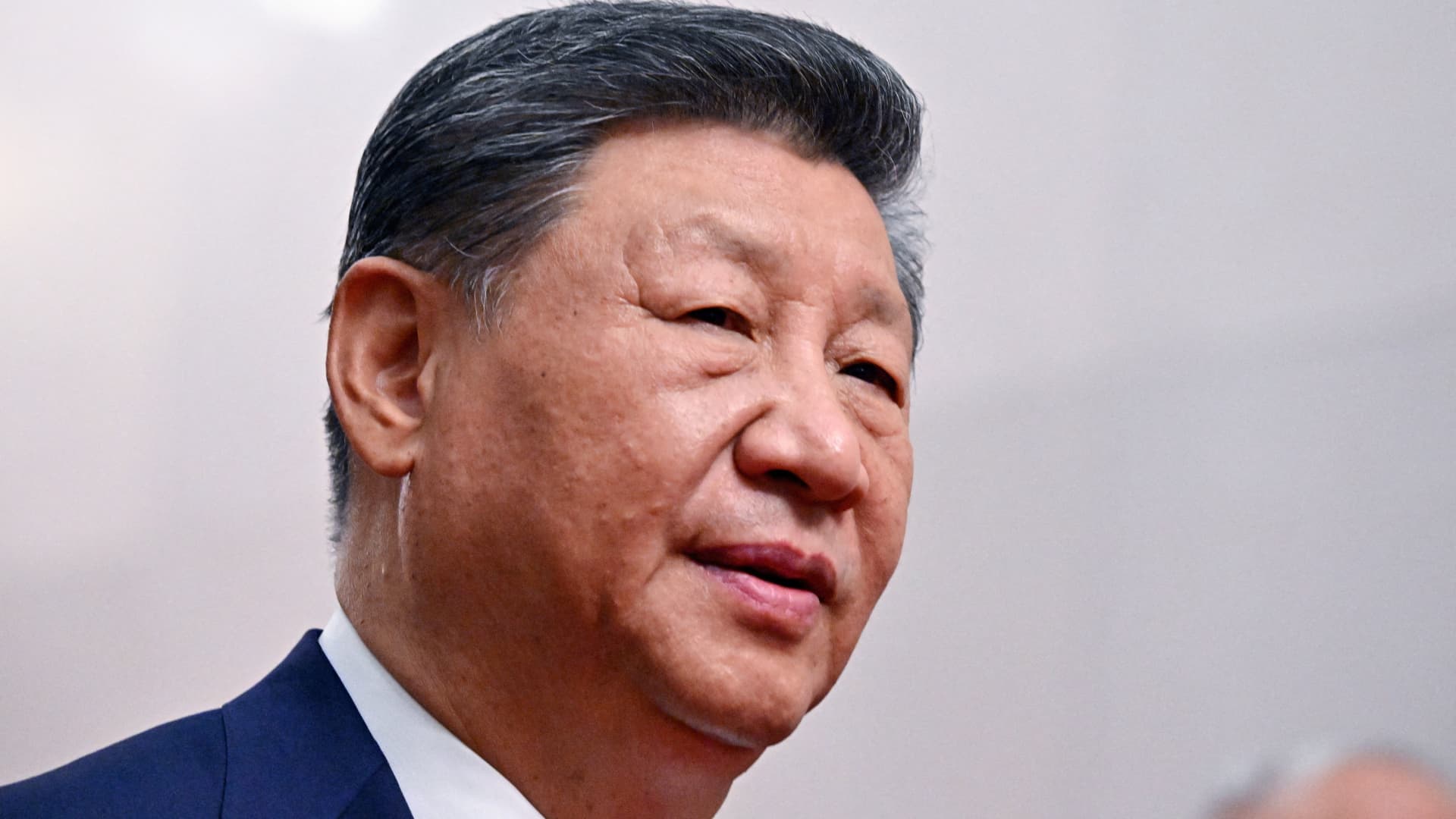
Chinese President Xi Jinping proposed a global AI governance body at APEC to position China as an alternative to the US in international trade and AI regulation, emphasizing AI as a public good and promoting green technology circulation, while the US focused on trade agreements.
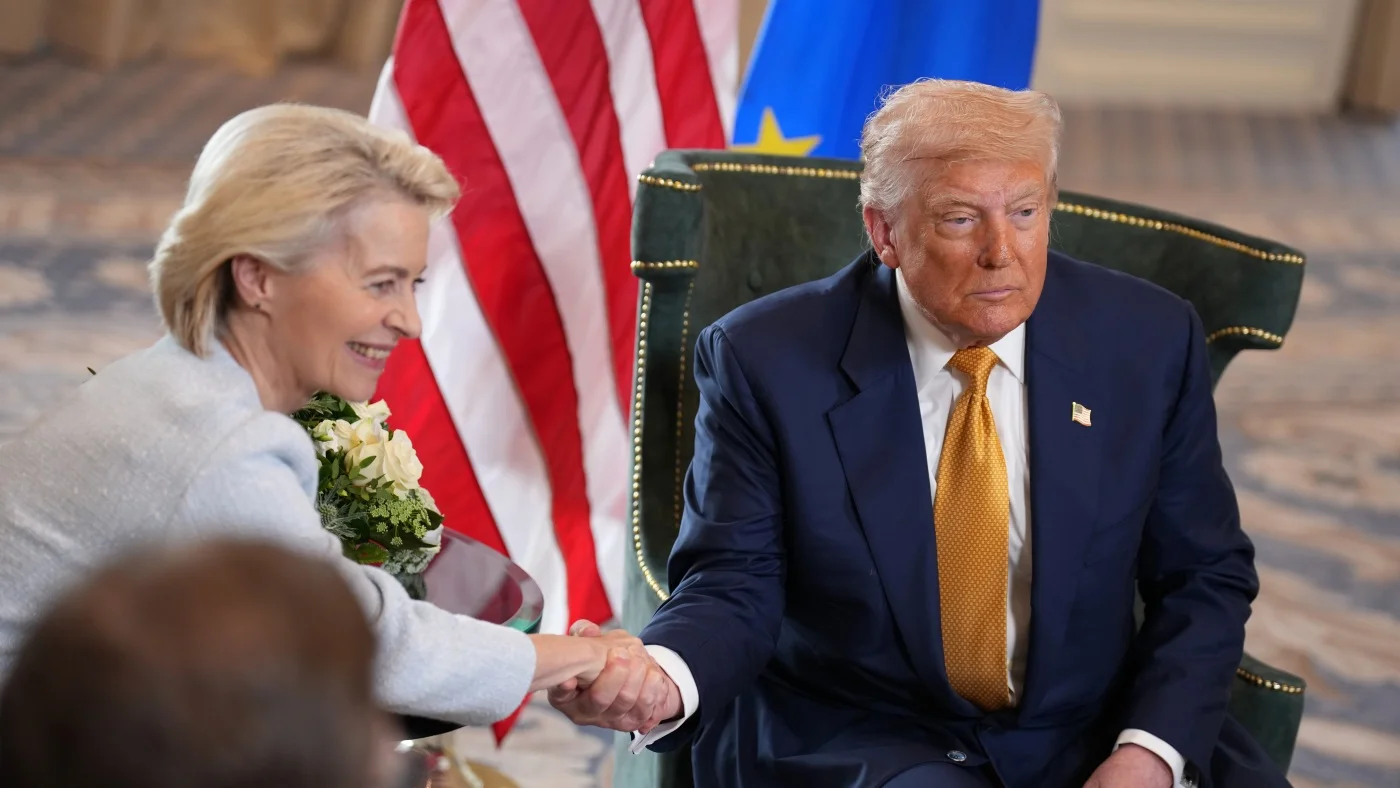
Amid doubts about U.S. leadership, European and Indo-Pacific allies are increasingly cooperating on trade, security, and technology to adapt to a more uncertain global order, emphasizing the need for stronger regional coalitions without relying solely on U.S. dominance.
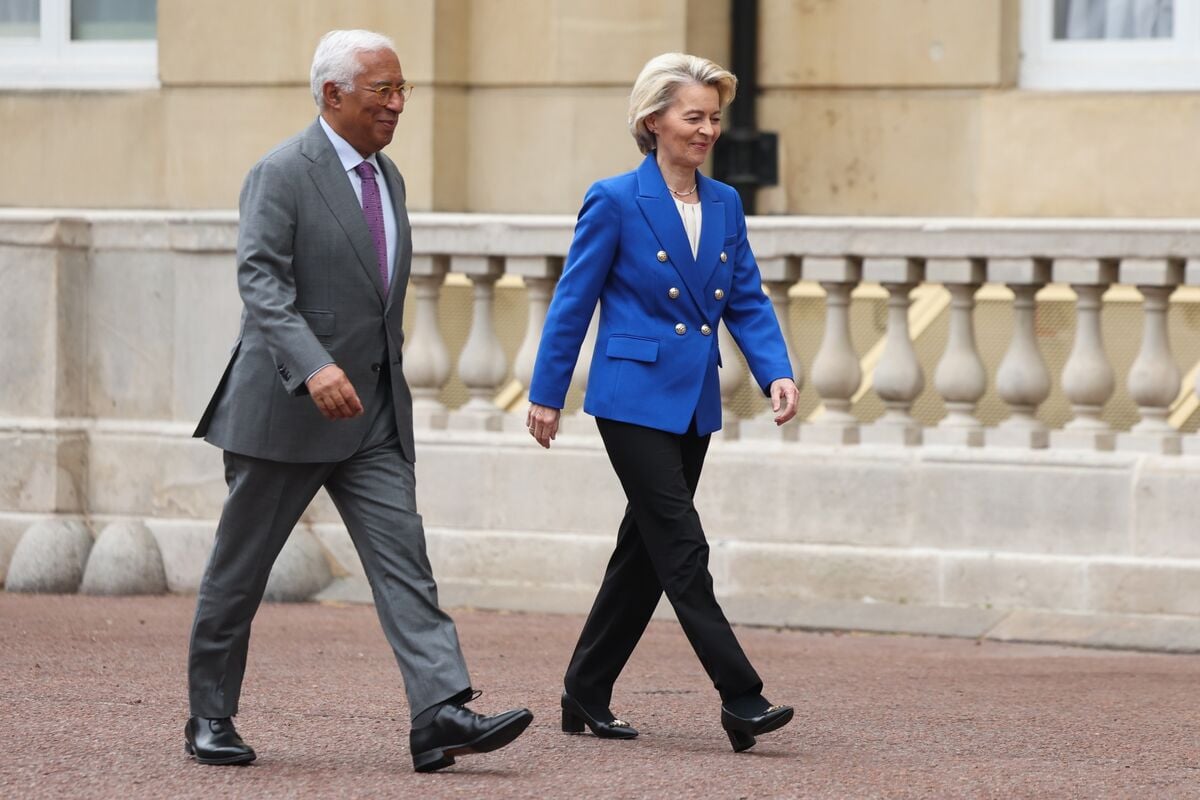
European leaders are meeting with Japan and China this week, with high hopes for strengthening defense and trade ties with Japan, including agreements on defense cooperation and economic security, while expecting limited progress with China due to ongoing tensions over trade practices, sanctions, and geopolitical issues. The China-Europe summit is anticipated to focus on open dialogue without major deals, amid strained relations and disagreements over trade and geopolitical conflicts.
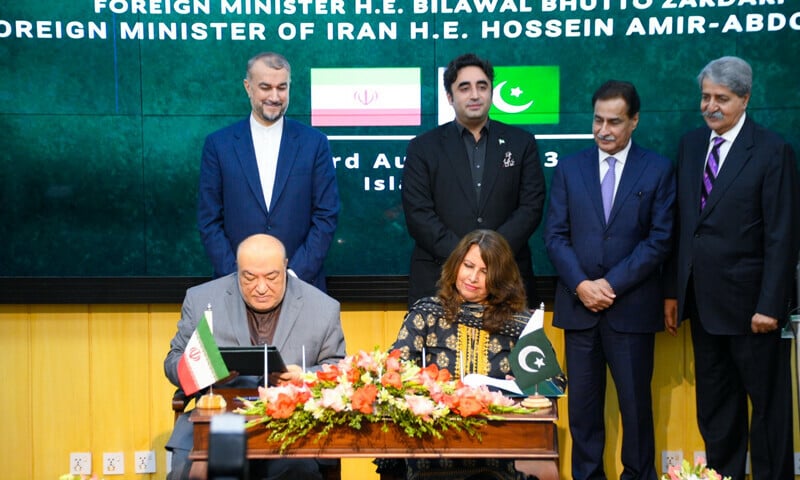
Pakistan and Iran have formulated a five-year trade cooperation plan with a target of $5 billion for bilateral trade. The plan aims to remove obstacles in trade, establish a free trade agreement, and strengthen institutional linkages between the private sectors of both countries. The two sides have also agreed to set up a special economic free trade region along the common border points and prioritize the operationalization of border markets. Additionally, they have pledged to repatriate sentenced prisoners, release fishermen, and waive fines for the release of vessels. The leaders discussed the human rights situation in India-occupied Kashmir, Afghanistan, countering Islamophobia, and enhancing cooperation in various fields. Prime Minister Shehbaz Sharif reaffirmed Pakistan's commitment to strengthening relations with Iran and addressing Islamophobia.