Elon Musk is considering supporting third-party candidates to influence elections, which could impact battleground districts and benefit Democrats, though success depends on candidate selection and district specifics.
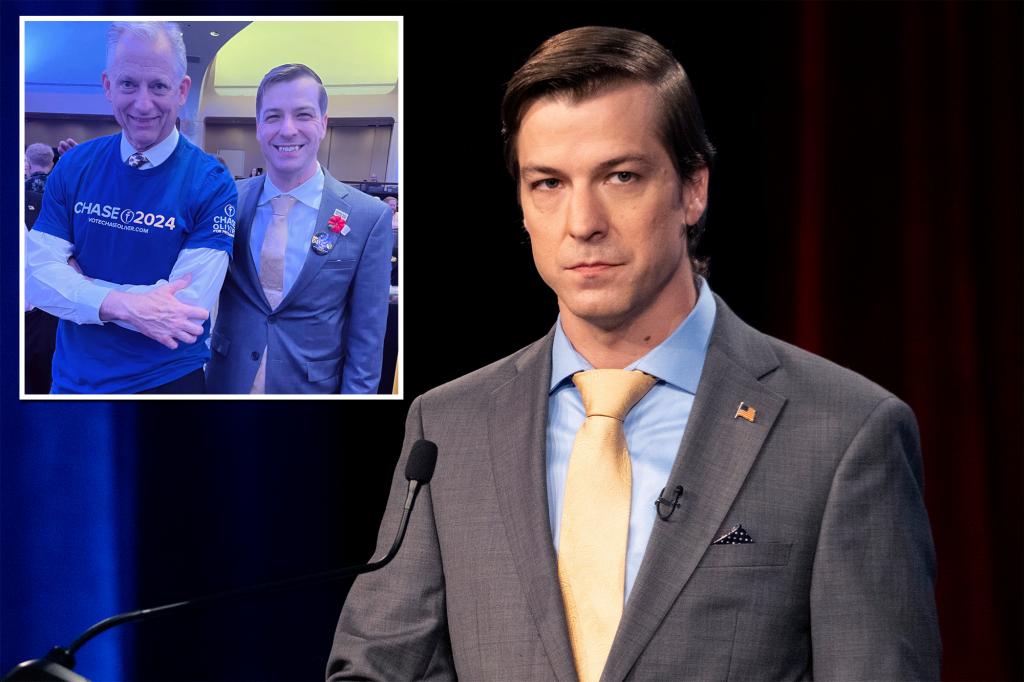
The Libertarian Party has nominated Chase Oliver, a former Georgia Senate candidate, as their 2024 presidential nominee after a lengthy voting process. Oliver, the first millennial to secure a significant third-party nomination, fended off attempts by Donald Trump and Robert F. Kennedy Jr. to gain the party's endorsement. Oliver aims to campaign in all 50 states and attract younger voters, distinguishing himself from both major parties on various issues.
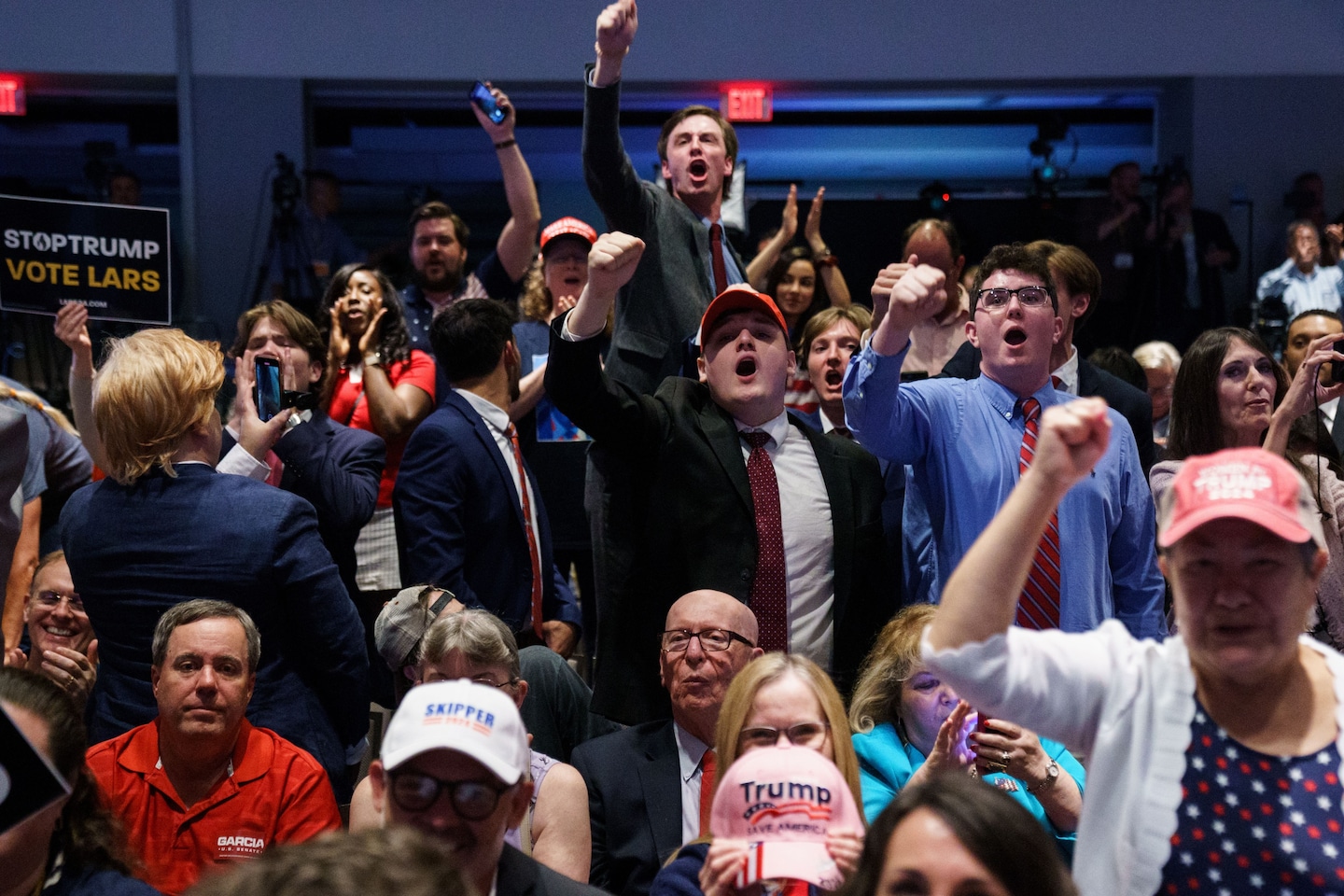
Chase Oliver, a candidate in the 2022 Georgia Senate election, has been nominated as the Libertarian Party's presidential candidate after a contentious voting process. Oliver, supported by the Classic Liberal Caucus, won with 60% of the vote against "none of the above" after seven rounds of voting. His victory speech emphasized unifying the party and offering an alternative to the major party candidates. The nomination process also saw participation from independent candidates like Robert F. Kennedy Jr. and a write-in for Trump, both of whom were eliminated early.
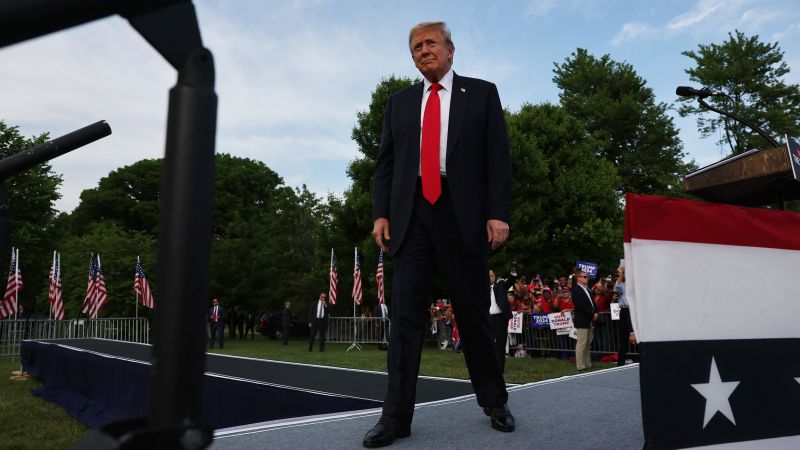
Former President Donald Trump is addressing the Libertarian Party's convention to court Libertarian voters amid concerns over third-party candidates like Robert F. Kennedy Jr. potentially affecting the 2024 election outcome. Trump's campaign aims to attract independent-minded voters dissatisfied with the two-party system, despite skepticism from Libertarian members. Kennedy, also speaking at the convention, has criticized Trump and Biden, focusing on issues like Covid-19 restrictions and foreign policy.
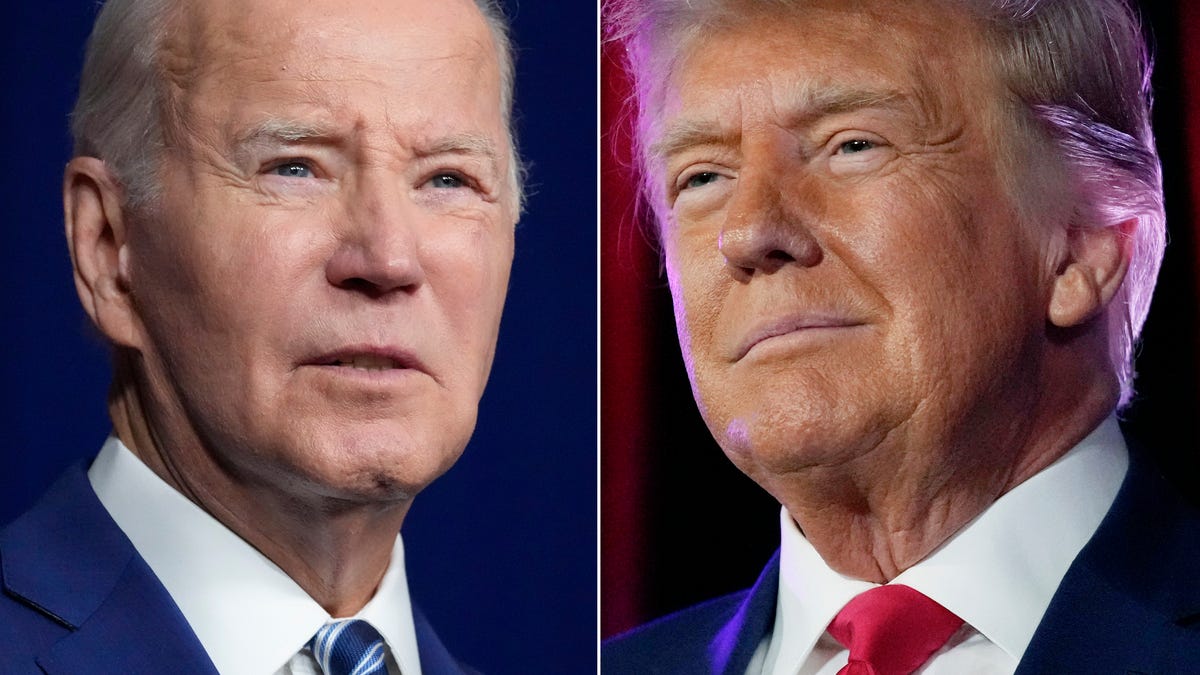
Recent polls show Joe Biden closing the gap on Donald Trump in the US presidential election, but also indicate that third-party candidates could pose a risk to Biden's chances of winning the White House in November. While Biden has narrowed the lead Trump held in February, the presence of third-party candidates such as Robert F Kennedy Jr could impact the election outcome. Polls also reveal conflicting results, with some showing Biden trailing Trump regardless of third-party candidates, highlighting the potential influence of alternative candidates on the election.
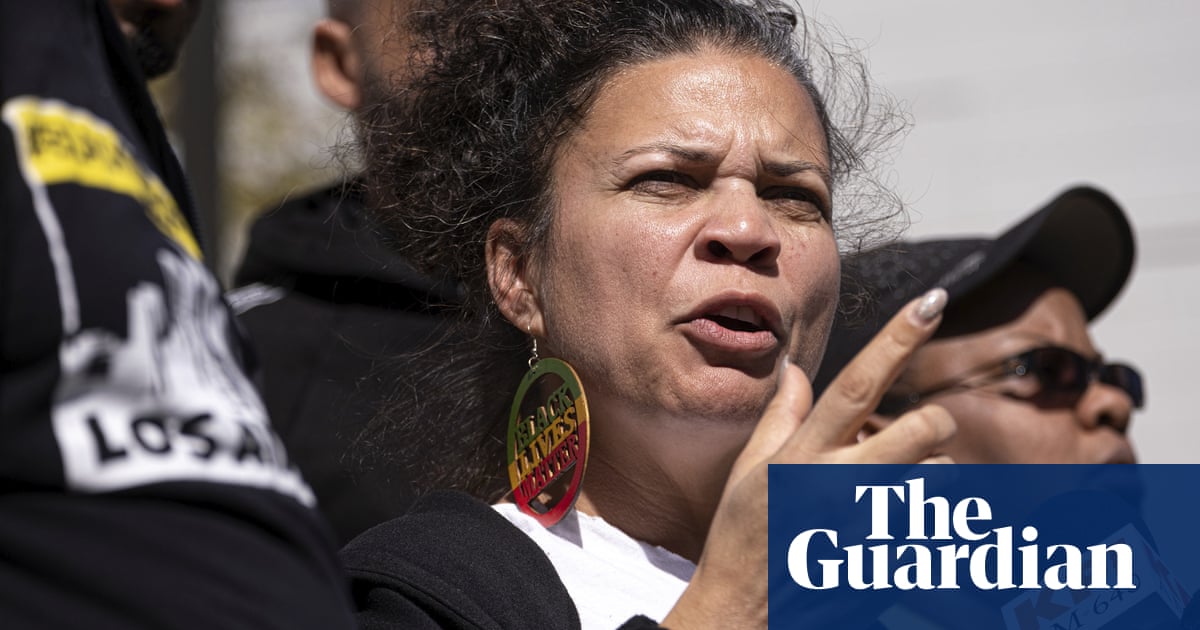
Cornel West, an independent presidential candidate, has announced Melina Abdullah, a professor and Black Lives Matter activist, as his running mate for the US presidential race. West's long-shot bid has already secured ballot access in several states, and he aims to launch a new political party called the Justice for All party. While West's support remains low in national polls, his presence on the ballot in key battleground states raises concerns among Democrats that he might serve as a spoiler for Joe Biden, potentially drawing support away from the incumbent president.
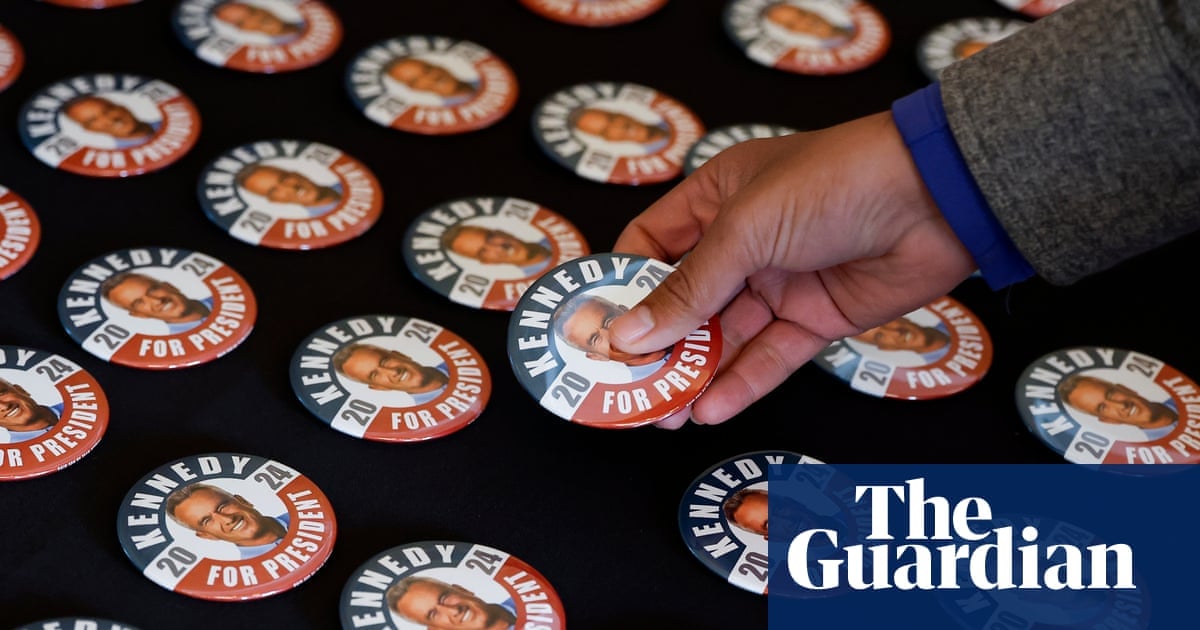
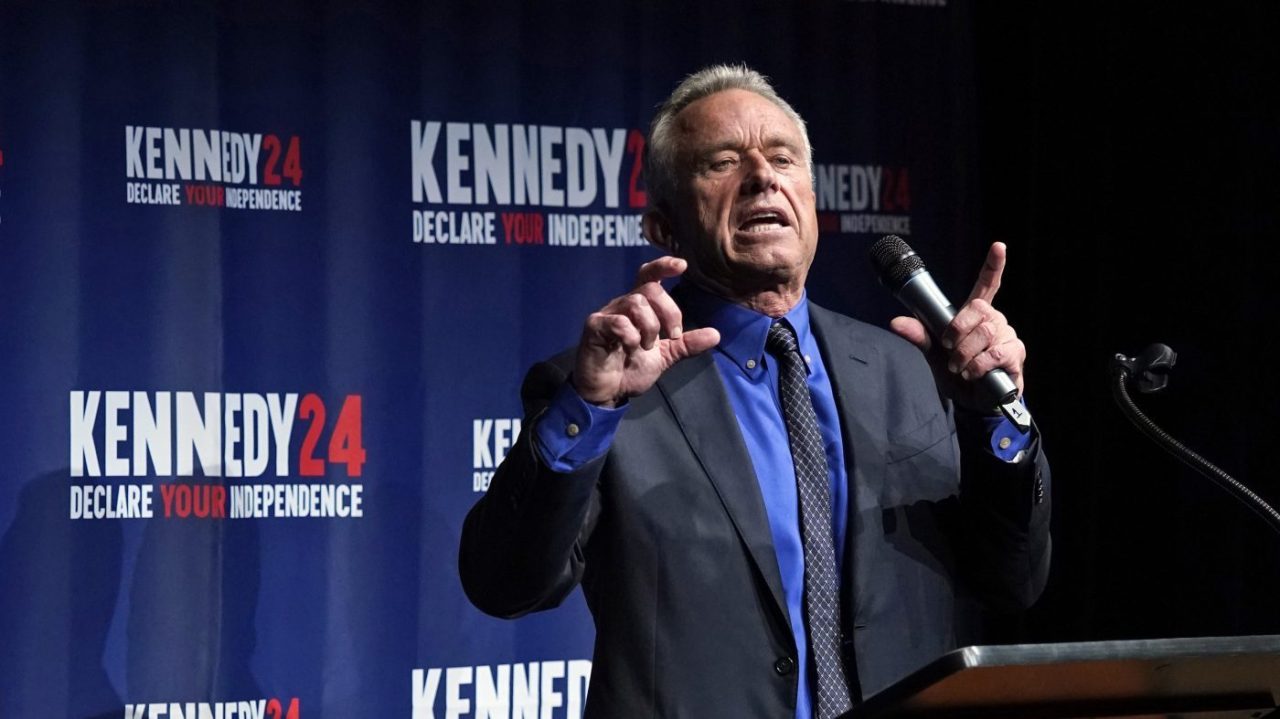
Two advocacy groups are now targeting Robert F Kennedy Jr's independent run for the White House after No Labels decided not to field a candidate against Biden and Trump. They fear his campaign could split the center and left, potentially aiding Trump's re-election. Kennedy's controversial views and connections to Trump donors are being highlighted, with efforts to dissuade voters from supporting him. The groups aim to make it clear that the only viable options in the presidential election are Donald Trump or Joe Biden, and they are reallocating resources to combat Kennedy's candidacy.
According to a recent Rasmussen Reports survey, former President Donald Trump leads President Joe Biden by 8 points in a two-way contest for the 2024 election. The survey of 1,099 Likely U.S. Voters conducted in late March and early April also found that third-party candidates have little impact, with 8% of voters opting for other candidates and 3% undecided.
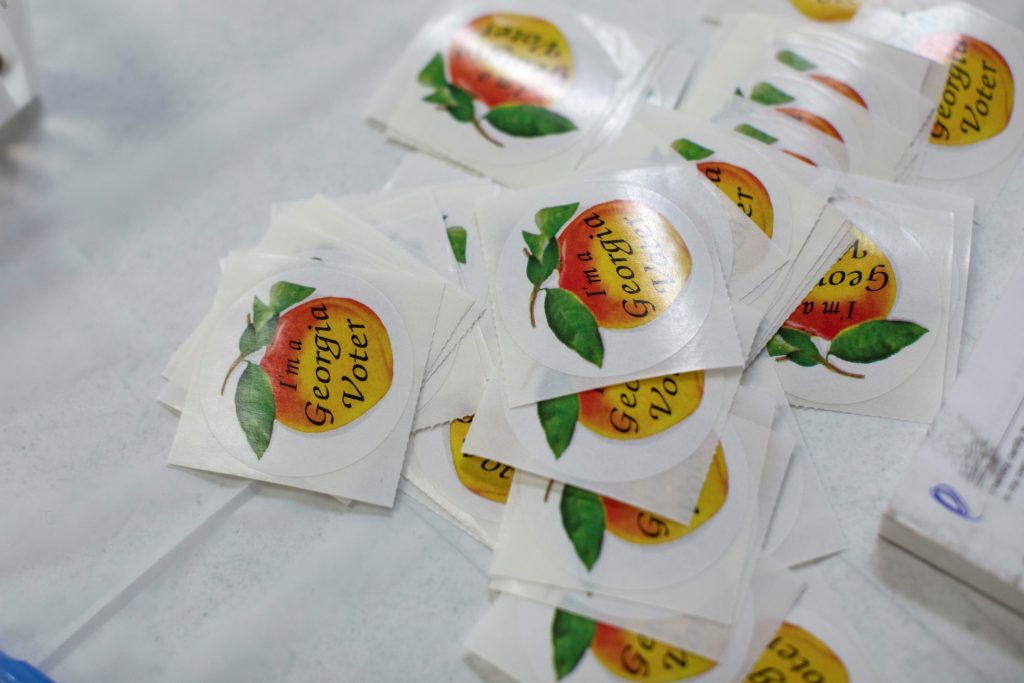
Georgia lawmakers have passed new election laws, including rules to challenge voter eligibility, expanding access for independent candidates, and restricting who can serve as election workers. These changes come amid concerns about the impact of conspiracy theories and false claims of election fraud, with Democrats arguing that the new rules could embolden individuals driven by conspiracy theories. The impact of these changes on voter confidence and the upcoming elections remains to be seen.
As the 2024 election season begins, many Americans are expressing fatigue and disillusionment with the prospect of a Trump-Biden rematch, with some expressing disinterest in voting altogether. Viewership for the recent Iowa Caucuses was lower than in 2020, and voters across the country are already expressing a desire for the election season to end. Disaffected and frustrated voters may play a pivotal role in the upcoming election, with many feeling that neither major party represents their views. Some are considering third-party candidates or not voting at all, reflecting a broader sentiment of election fatigue and disillusionment.
The 2024 presidential election is attracting a diverse group of independent, third party, and long shot candidates who aim to capitalize on Americans' frustration with a likely rematch between Joe Biden and Donald Trump. This includes members of Congress, an academic, and a scion of a prominent political family.
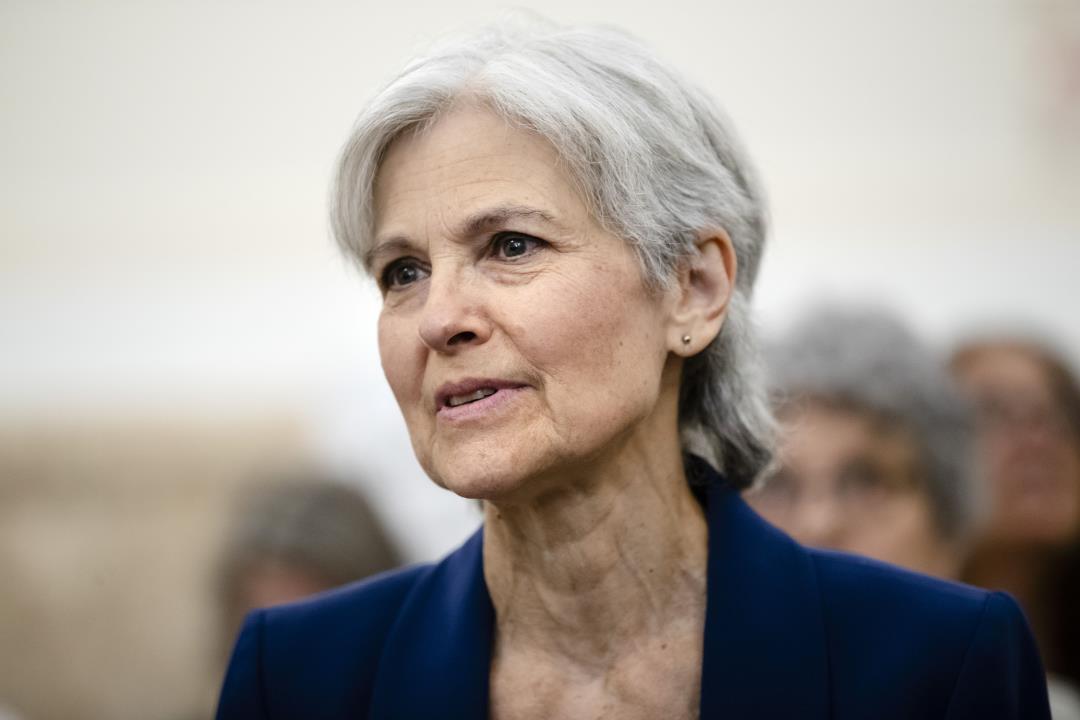
As Americans express weariness over a potential rematch between Joe Biden and Donald Trump in the 2024 presidential election, a number of independent, third party, and long shot candidates are emerging in hopes of capitalizing on voter ambivalence. While the odds are stacked against them, these candidates believe that the deeply divided and frustrated electorate is ripe for alternative options. Notable figures include Jill Stein, who plans to run as the Green Party nominee, and Robert F. Kennedy Jr., who is running as an independent. Additionally, the well-funded group No Labels is working towards ballot access in all 50 states, causing anxiety among Democrats who fear it could split the Biden vote and benefit Trump.
The 2024 presidential race is seeing a surge in third-party and independent candidates, including Jill Stein, Robert F. Kennedy Jr., Cornel West, and Rep. Dean Phillips. The impact of these candidates on the race is uncertain, with strategists from both parties speculating on which party they may help or hurt. State ballot qualification, Biden's response to his rivals, RFK Jr.'s appeal to the youth vote, and the future plans of Sen. Joe Manchin are among the key questions surrounding these candidates.
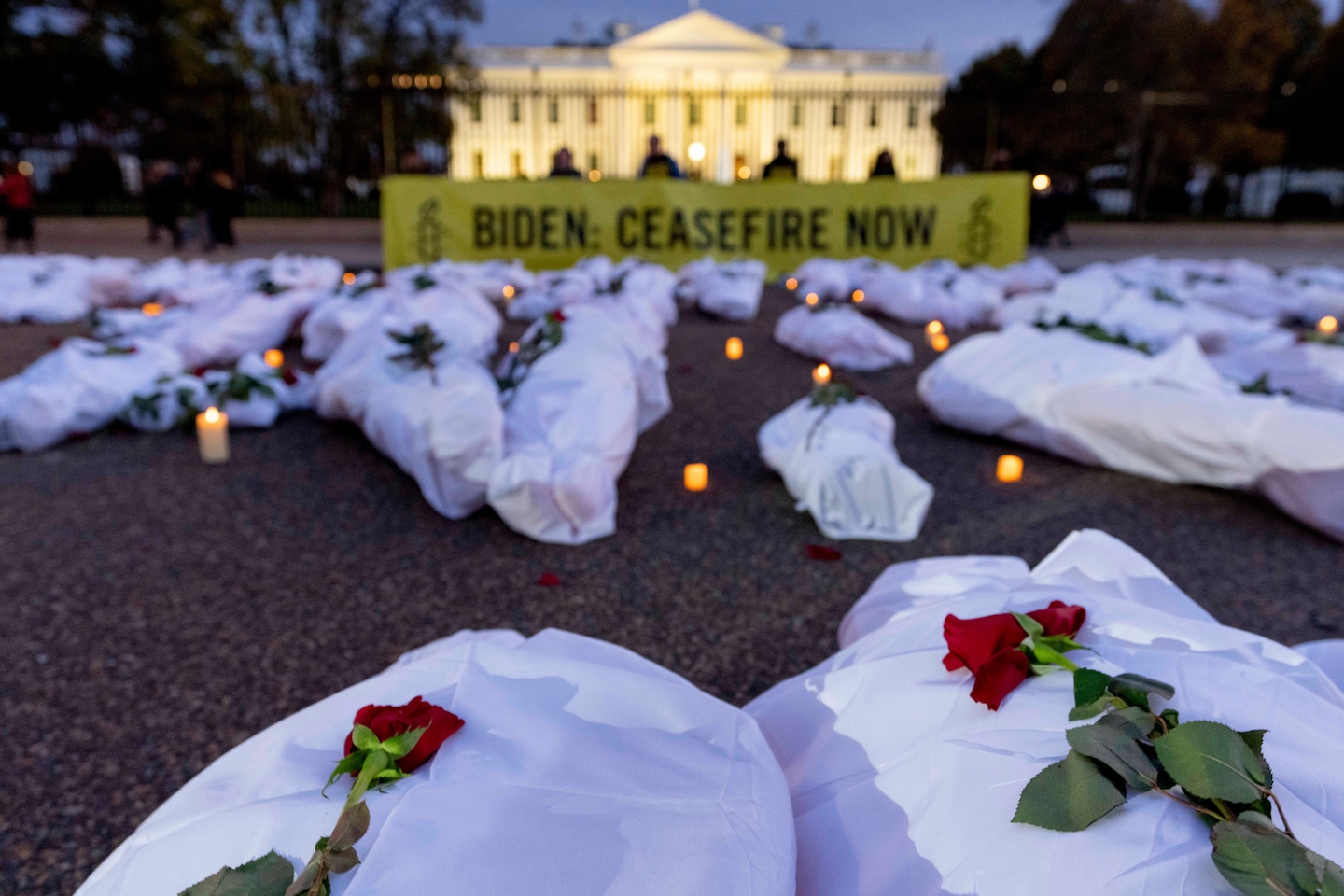
President Biden's handling of the Israel-Gaza war is causing disapproval among young voters, potentially alienating them ahead of the 2024 election. Gen Z and millennial voters, who have traditionally supported Democratic candidates, are divided on how to vote or whether to vote at all due to concerns over Biden's stance on the war. Many young voters disapprove of Biden's handling of the situation, and some are open to supporting third-party candidates or shifting their focus to down-ballot races. The potential decrease in young voter turnout could complicate Biden's reelection bid, especially in key battleground states.
The emergence of outsider candidates, such as Robert F. Kennedy Jr. and Cornel West, running as independents in the 2024 presidential election is causing concern for both the Democratic and Republican parties. While these candidates are not expected to win the presidency, there is worry that they could siphon support from the ultimate nominees, potentially impacting the outcome. The rise of outsider candidates reflects the desire for alternative options among voters, but historically, polls showing support for a third party have not translated into substantial backing for actual third-party candidates. The major parties are preparing for the threat by warning voters about the potential consequences of voting for candidates without a viable path to victory.