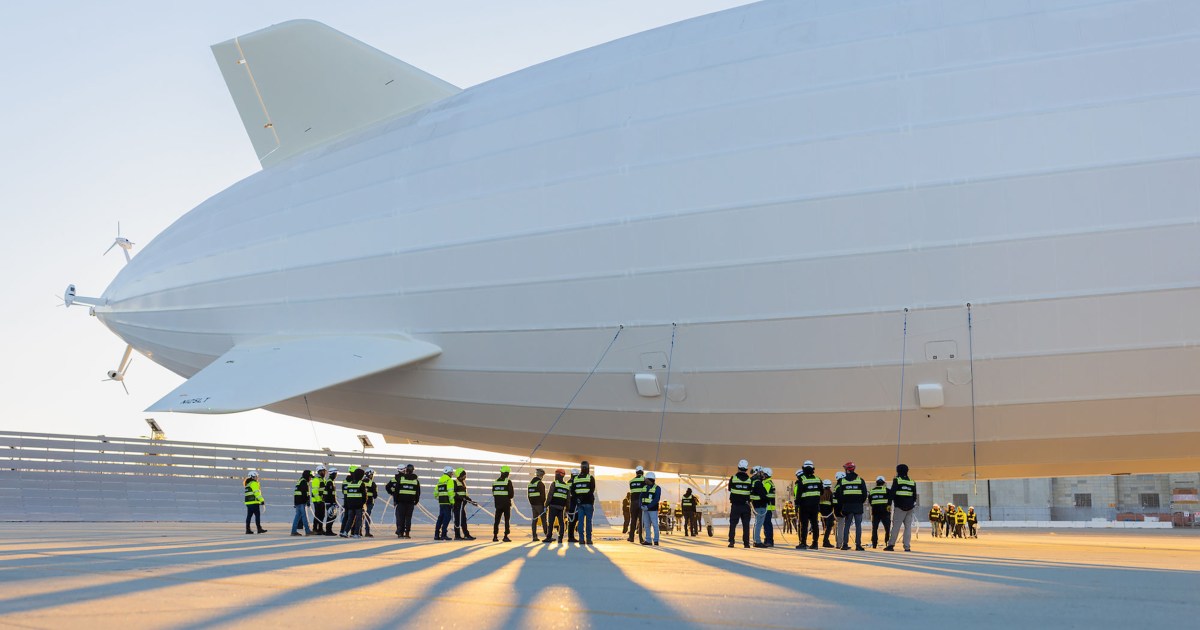
Google co-founder Sergey Brin's startup, LTA Research, has received FAA clearance to begin test flights of its massive airship prototype, the Pathfinder-1. Filled with non-flammable helium, the airship aims to transport cargo efficiently and cleanly, potentially helping to reduce greenhouse gas emissions in the aviation industry. LTA plans to use the airship for humanitarian missions as well. The testing process will take place in California before moving to Akron, Ohio, where LTA will establish its manufacturing center and develop a larger airship, the Pathfinder-3. While not intended to replace airplanes, LTA's airships could contribute to a more sustainable aviation industry.
Preparations are underway at SpaceX's Starbase for the second Starship test flight, with Booster 9 expected to return to the launch site soon after the installation of its hot staging ring. Future vehicles are also being prepared for flight. Additionally, an old ship has been repurposed as the newest test article for NASA's Human Landing System. Road closures have been posted for vehicle testing, and FAA approval is still needed for Starship's return to flight.
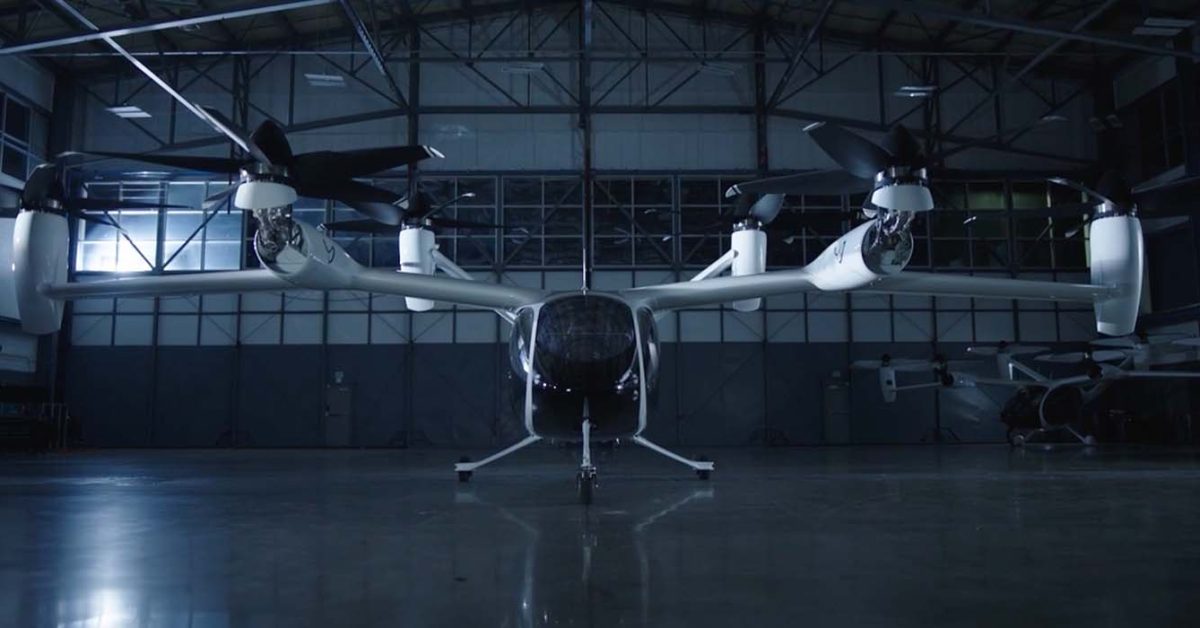
Joby Aviation has completed the first aircraft off its pilot production line and has received FAA certification to begin test flights. The eVTOL developer aims to deliver the first-ever eVTOL to a customer next year, pending successful flight testing. Joby has received significant funding and support from companies like Toyota, and its production prototype has been designed and manufactured to meet FAA requirements. The prototype will undergo further testing before being delivered to Edwards Air Force Base. Joby plans to achieve commercial flight certification and begin passenger operations in 2025.
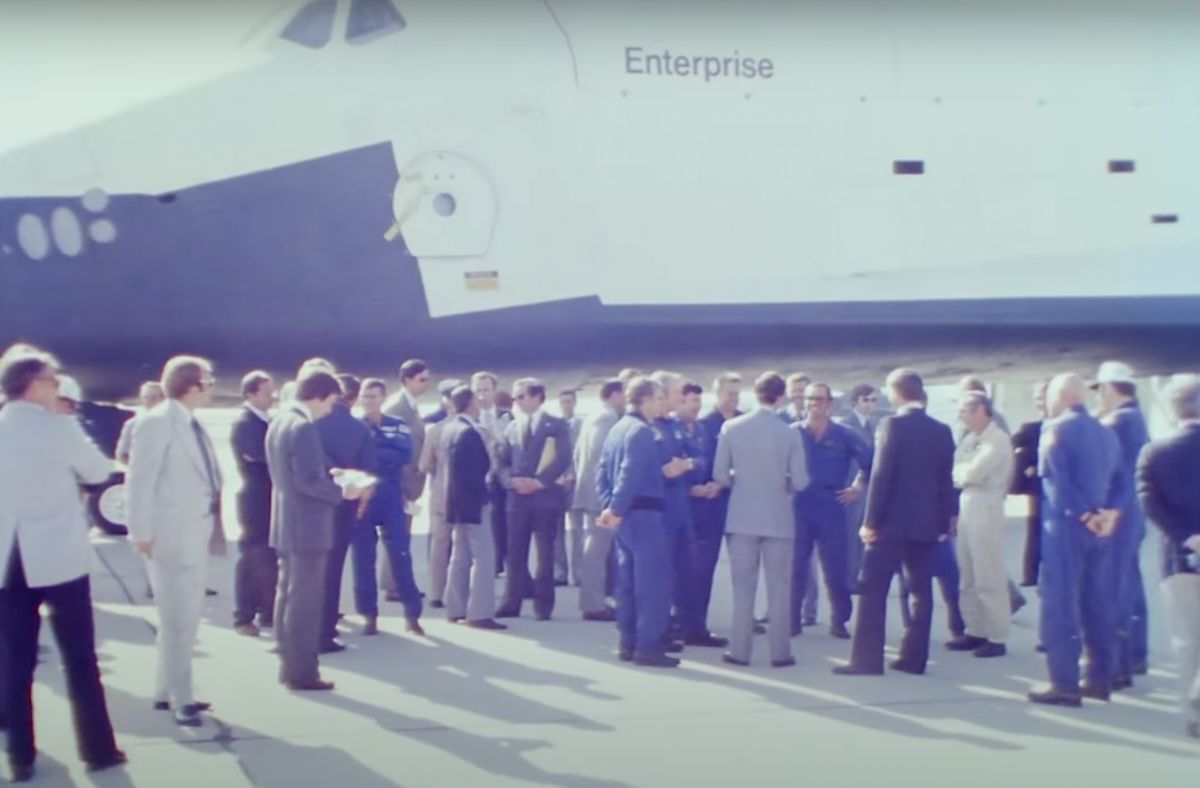
In 1977, King Charles III met NASA's first space shuttle, Enterprise, and its four-astronaut crew at Edwards Air Force Base in Southern California after the shuttle completed its fifth and final "free flight" in Earth's atmosphere. Enterprise was built to test the shuttle's design on test flights in Earth's atmosphere. The vehicle didn't have a functional heat shield or engines; it was carried aloft by NASA's Shuttle Carrier Aircraft, then dropped at altitude. Charles received a commemorative photo album and an original watercolor by space artist Robert McCall from NASA.